
Pink that only shows when you move. That is the whole idea of peekaboo hair: colour hidden under the top layer of your hair, invisible until you turn your head, tie it up or catch the light. These pink peekaboo hair ideas for brunettes are thirteen ways to wear hidden pink on dark hair, from the subtlest underlayer that only you know about to a bold flash of hot pink across one side — plus the placement map, the shades that work on dark bases, and the honest truth about how much bleach you actually need.
Peekaboo is the colour for women who want pink without the commitment of pink. The top layer stays your natural brunette, so the colour does not show at work unless you want it to, and the grow-out is soft — there is no root line, because the colour is underneath. This guide walks through the three placements, the shades, the bleach question, how to make it office-friendly, and how to let it fade gracefully. Save your placement before you book.
What Pink Peekaboo Actually Is
Peekaboo colour is panel colouring: the colourist colours a section of hair that sits underneath the top layer, so the top layer covers it when the hair is still and reveals it when the hair moves. On brunettes, the effect is at its best: the dark top layer is a curtain, and the pink underneath is a surprise. The placement map has three options — underlayer, face-frame, and one side — and which one you choose decides when the pink shows, how much of it shows, and how much upkeep it needs.
The other thing to know is that peekaboo is a bleach colour, if only on a small section. Pink pigment needs a light canvas to show, and dark hair needs lightening before the pink goes on. The good news is that only the hidden panel is lightened — the top layer, the hairline and most of the lengths stay untouched — so the damage is limited and the grow-out is gentle. The bad news is that there is no version of this colour that skips the lightening step entirely, and anyone who tells you otherwise is selling you a colour that will wash out in a week.
Peekaboo has been around for years, but it is having a moment now because it suits the way we live and post. On a still photo, it is dark hair; in a video, a reel or a walk across a room, the pink flashes — and movement is what social media rewards. For brunettes specifically, it is the perfect first vivid colour: the dark base gives the pink something to pop against, and if you hate it, the fix is a single toner away, not a full colour correction. That is a safety net no full-head vivid colour can offer.
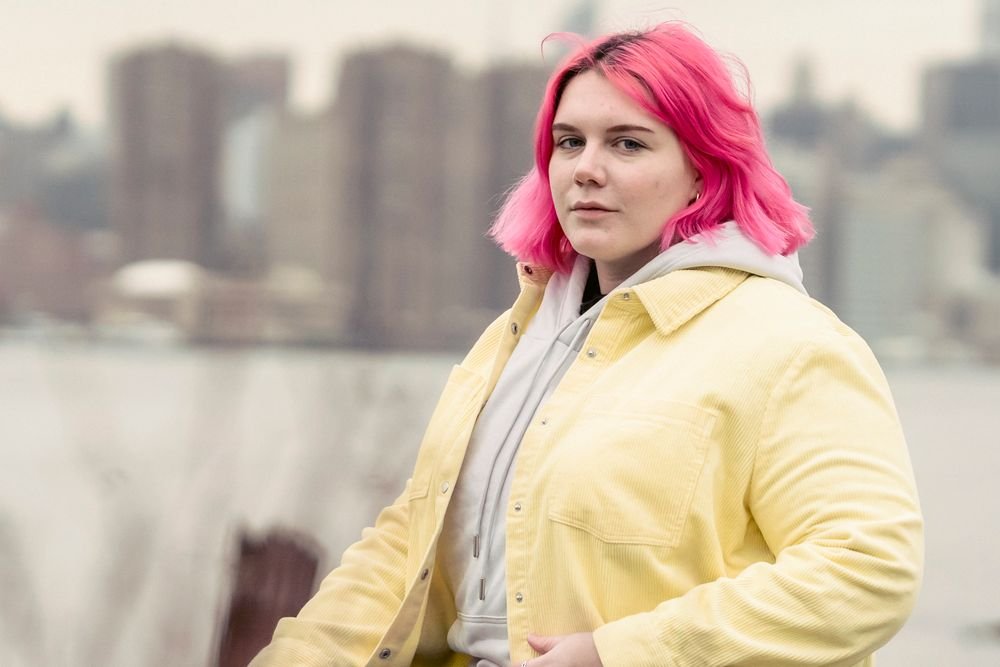
The 13 Hidden-Pink Ideas, From Subtle to Bold
Thirteen ideas, grouped by placement: four underlayer styles, four face-frame styles, and five one-side styles. The underlayer is the most hidden, the face-frame is the most visible, and the one-side is the most dramatic. Find the placement that matches how often you want the pink to show, then pick the idea inside it.
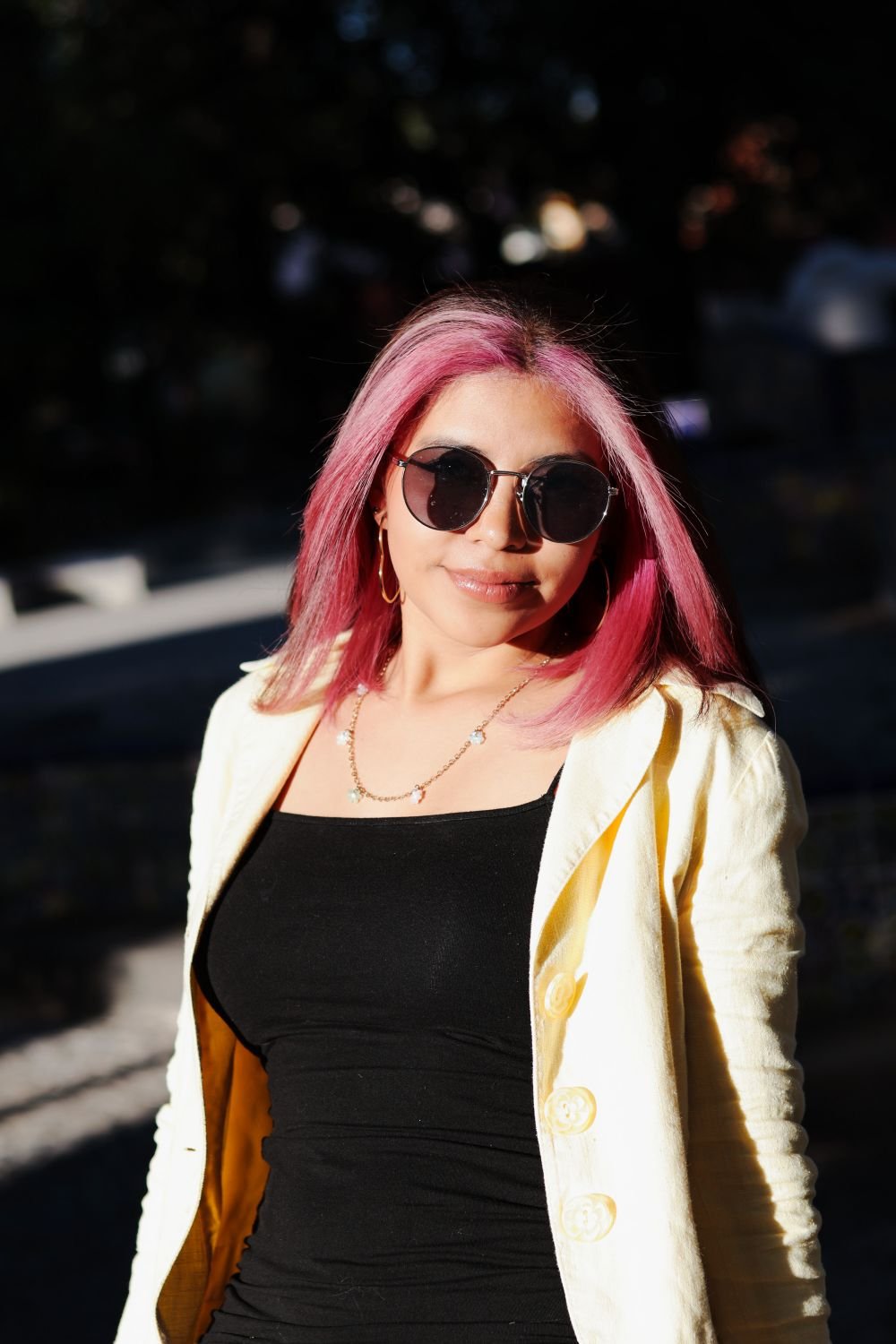
Underlayer Peekaboo
1. The hidden underlayer. Pink through the whole underlayer, brunette on top. The classic — invisible when your hair is still, a flash of pink when you move, and the most office-friendly of all thirteen.
2. Underlayer with pink tips. Pink only at the ends, under the top layer. A softer version of the classic: the pink shows only at the bottom, like a secret at the hem of the hair.
3. Peekaboo in a low ponytail. Pink concentrated where a low ponytail gathers it, so the ponytail is dark on top and pink underneath. The reveal happens when you tie your hair up — a different colour for up and down.
4. Peekaboo in a bun. Pink hidden in the bun’s underlayers, visible when the bun is loose and hidden when it is tight. The party version of the underlayer.
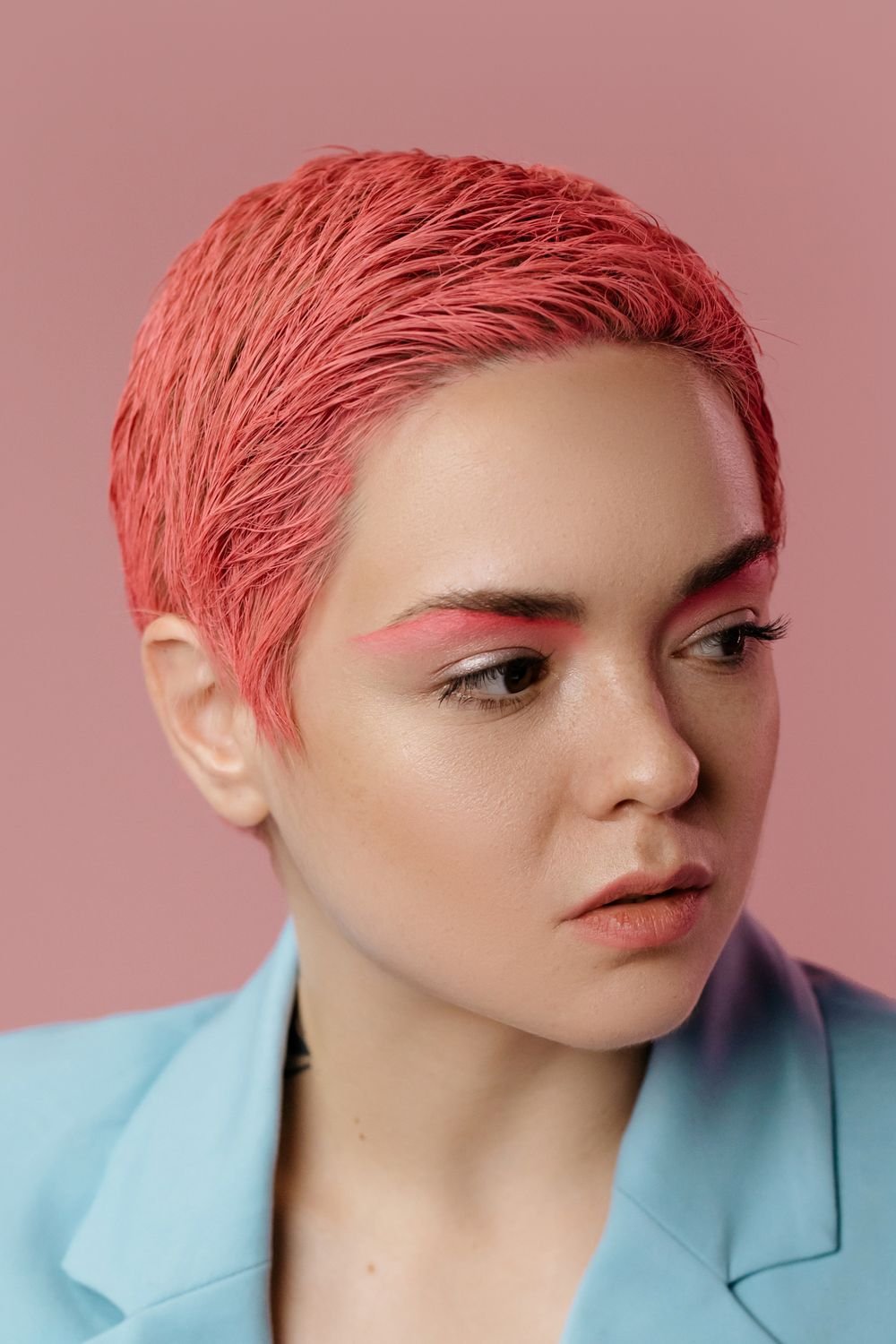
Face-Frame Peekaboo
5. Face-frame peekaboo. Two pink panels framing the face, the rest of the hair left brunette. The most visible placement — the pink is there in every photo — so choose a shade you love, because you will see it constantly.
6. Peekaboo with a fringe. Pink tucked under a fringe, so the fringe is brunette from the front and pink from beneath. A gentle way in, and the pink only shows when the fringe is pushed back.
7. Peekaboo in a topknot. Pink at the base of a topknot, so the knot is dark and the hair underneath is pink. The most fun of the face-frame styles, because the colour appears when you take the knot down.
8. Peekaboo with pastel pink. Pastel panels at the face — the softest face-frame of the group. Pastel fades fastest, so this is the shortest-lived of the thirteen, but also the prettiest while it lasts.
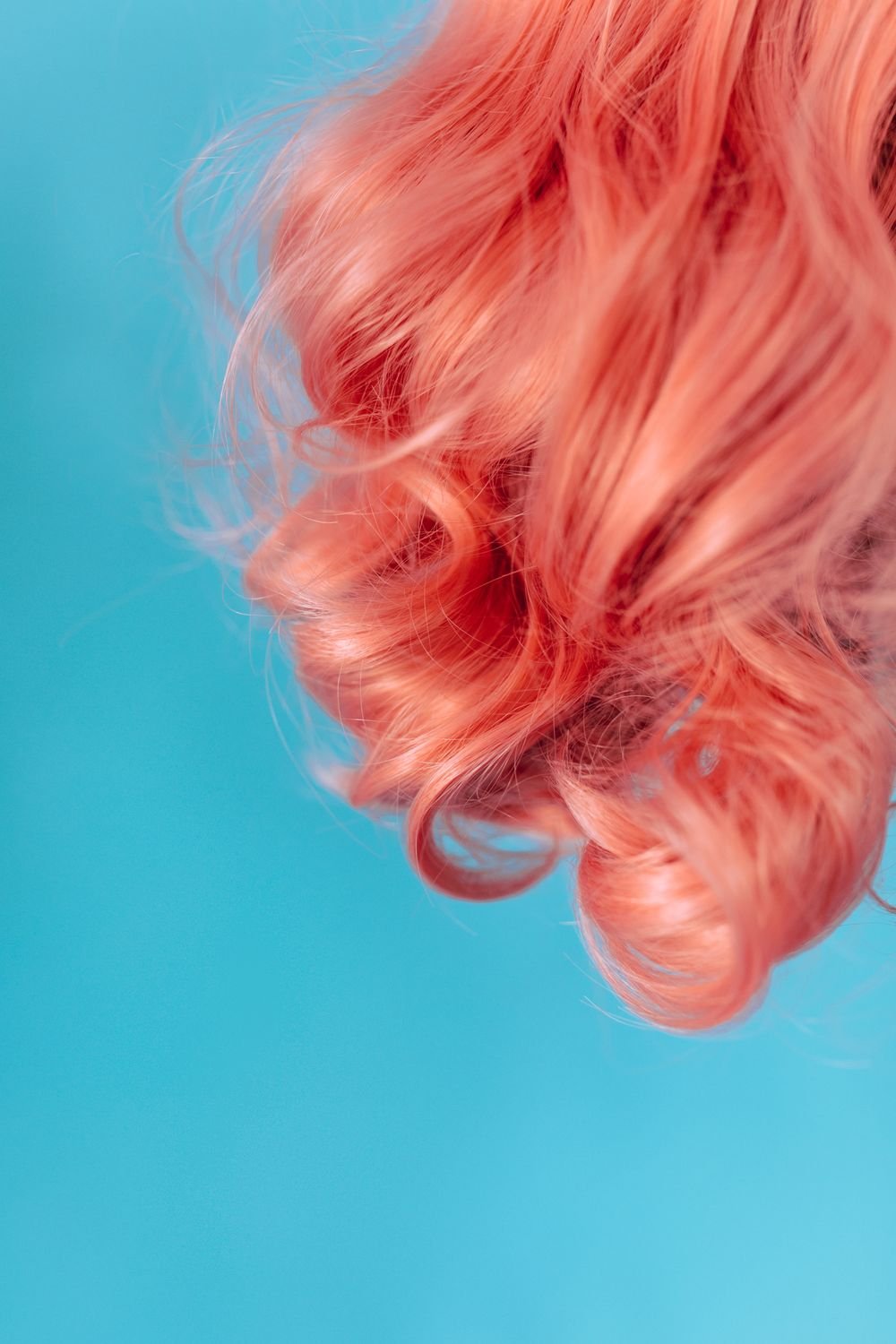
One-Side Peekaboo
9. One-side peekaboo. Pink on one side only, hidden under a deep side part. The colour shows when the hair is swept across and disappears when it falls back — the most controlled reveal of all thirteen.
10. Peekaboo in a braid. Pink woven through a braid, so the braid is dark on the outside and pink in the middle. A winter favourite, because braids are a winter staple and the pink turns an ordinary braid into a statement.
11. Two-tone peekaboo. Pink and copper on the hidden panel, side by side. Two warm tones that blend as they fade, so the grow-out looks intentional rather than messy.
12. Peekaboo with hot pink. The boldest of the thirteen — hot pink on one side, dark brunette everywhere else. The colour is unmistakable when it shows, and invisible when it does not, which is exactly the point.
13. Peekaboo with a deep side part. A deep side part that reveals pink when the hair is swept to one side and hides it when it falls back. The quiet version of the one-side — and the one most women end up wearing every day.
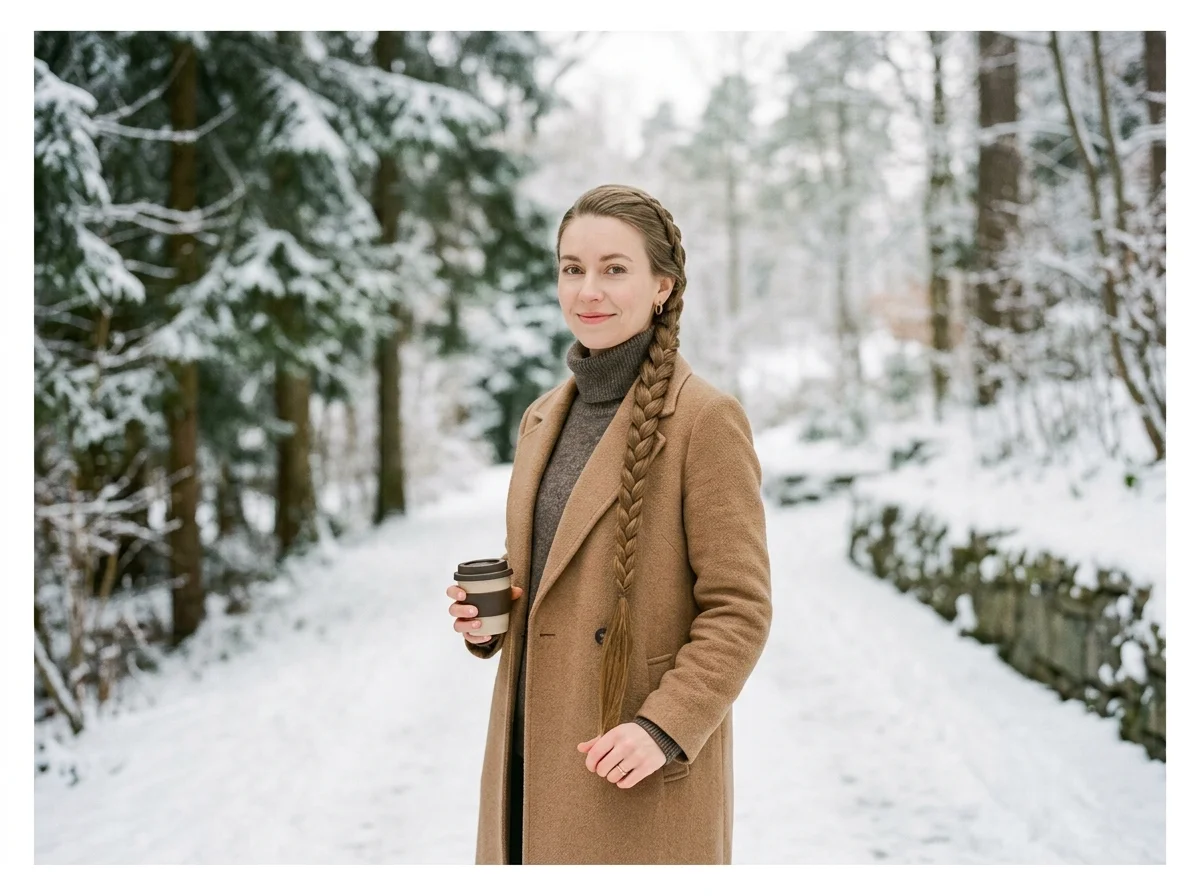
Shades on Dark Bases
Dark hair is where pink shows up best — and where it goes wrong fastest. On a dark base, the pink is judged against the brunette around it, so the shade you pick is the whole look. The rule that saves you is simple: the deeper the pink, the less lift it needs. Magenta and dusty rose need the least lightening, because they are close in depth to dark hair and the pigment is strong. Hot pink needs a medium lift. Bubblegum and pastel need the most lift of all, because they are pale colours and there is nothing in them to hide behind.
The shades to know: dusty rose is the most forgiving on a dark base — it is muted, it blends with the brunette, and it fades into a pretty blush. Hot pink is the most dramatic — it pops against dark hair like neon, and it is the shade that gets photographed. Bubblegum is the sweetest, and the one that needs the most lift to look right. Pastel pink is the softest and the shortest-lived — it is beautiful for a week and then it is gone. If this is your first peekaboo, start with dusty rose or hot pink: one is the safest, one is the boldest, and both survive the fade better than the pale shades.
The shades also fade differently, and that matters when you choose. Dusty rose fades into a soft mauve-brown that looks like a deliberate colour even after a month. Hot pink fades into bubblegum, then into pastel, so it gives you three colours for the price of one appointment. Bubblegum and pastel fade into a faint blush that is lovely for a week and then disappears — which is fine if you like short-lived colour, and frustrating if you do not. When your colourist asks which shade, tell them how long you want it to last, not just how bright you want it to be.

What Bleach Is Actually Needed — Honestly
Here is the honest answer, with numbers. Pink needs a light canvas: a level 8 or 9 (pale blonde) for true pastel pink, a level 7 (medium blonde) for vivid hot pink and bubblegum, and a level 6 (dark blonde) for magenta and dusty rose. On most brunettes, that means one lightening session on the hidden panel only. On very dark or virgin hair, it can mean two — and virgin hair lifts cleanest, because there is no old colour in the way. Box dye and henna in the hair will slow the lift and can turn the result patchy, so tell your colourist honestly.
The damage question is the one to ask directly. Lightening a hidden panel does damage the hair in that panel — bleach opens the cuticle and the hair there will be drier and more fragile than the rest. But the panel is small and hidden, and a good colourist uses a bond builder and a low, slow lift (20 volume developer, not 40) to keep it healthy. What does real damage is rushing: high developer, heat and two lifts in one sitting are how the panel goes stretchy and snaps. The ‘no bleach’ options — semi-permanent tints applied over dark hair without lightening — do exist, but they are honest about their limits: they stain the hair a hint of pink that shows only in bright light and washes out within a few washes. If that is all you want, it is a lovely low-commitment try-out; if you want pink you can actually see, there is no shortcut.
Making It Office-Friendly
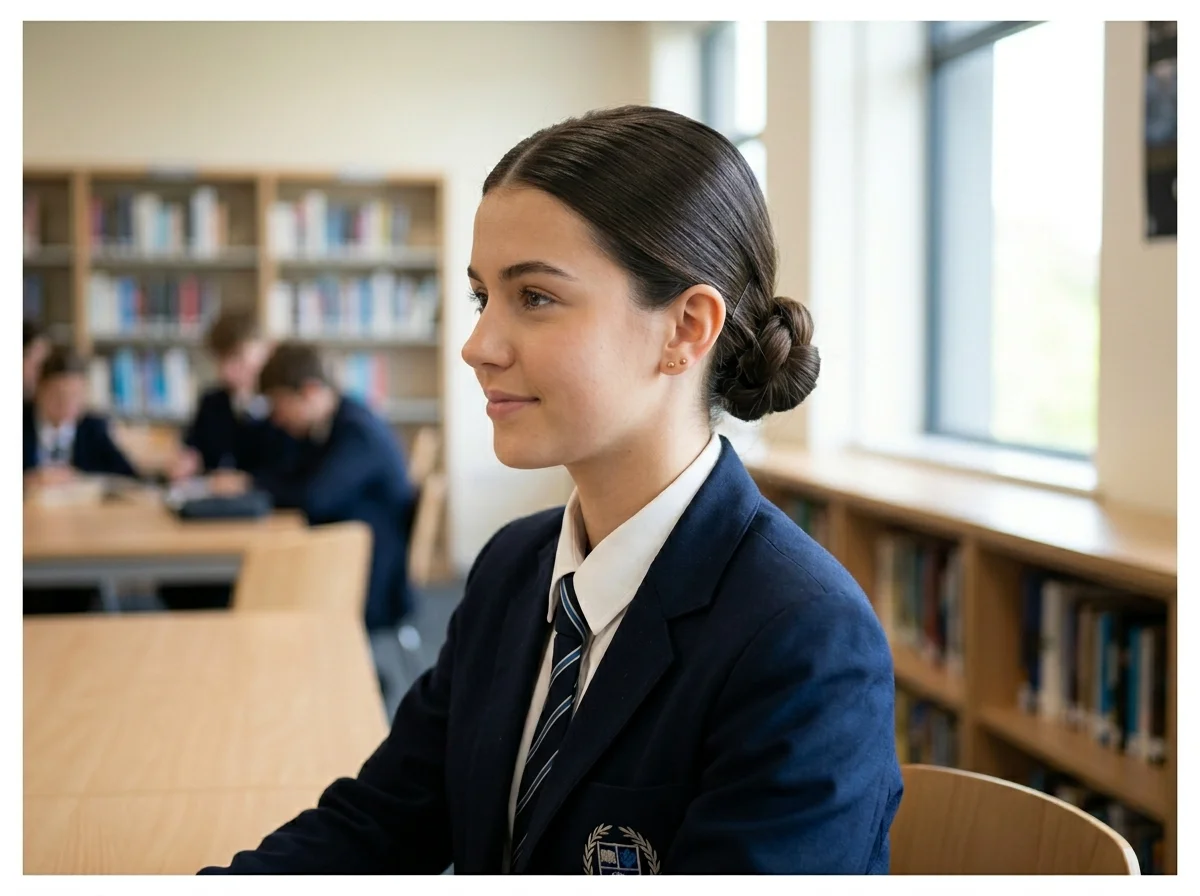
The whole point of peekaboo is that it is office-friendly by design. With the hair down and parted normally, the pink is invisible — your top layer is brunette, your hairline is brunette, and nothing about your hair says colour at all. The pink only shows when you tie it up, braid it or sweep it to one side, which means you control the reveal. It is the one vivid colour that does not need to be disclosed, approved or hidden with a scarf.
The styles that hide it best: hair down with a middle part, a low bun with the top layer smoothed over it, and any style where the top layer falls flat over the panel. The styles that show it: a high ponytail, a topknot, a braid, a side part. If your workplace is conservative, wear it down in the office and tie it up after — the thirty-second switch at the end of the day is the whole joy of the colour. And if you are called into a meeting and worried, pin the panel down with a bobby pin and no one will ever know it is there.
If someone does notice the pink and asks about it, the honest answer is that it is a hidden panel — most people find it delightful rather than unprofessional, because the placement is so clearly deliberate. And if your workplace has a written dress code that mentions hair colour, read it before you book: some policies only cover hair that is ‘visible’, and a hidden panel does not count. When in doubt, the underlayer placement is the one to choose, because it is the most invisible of the three.
Hiding and Revealing: Styling Tricks
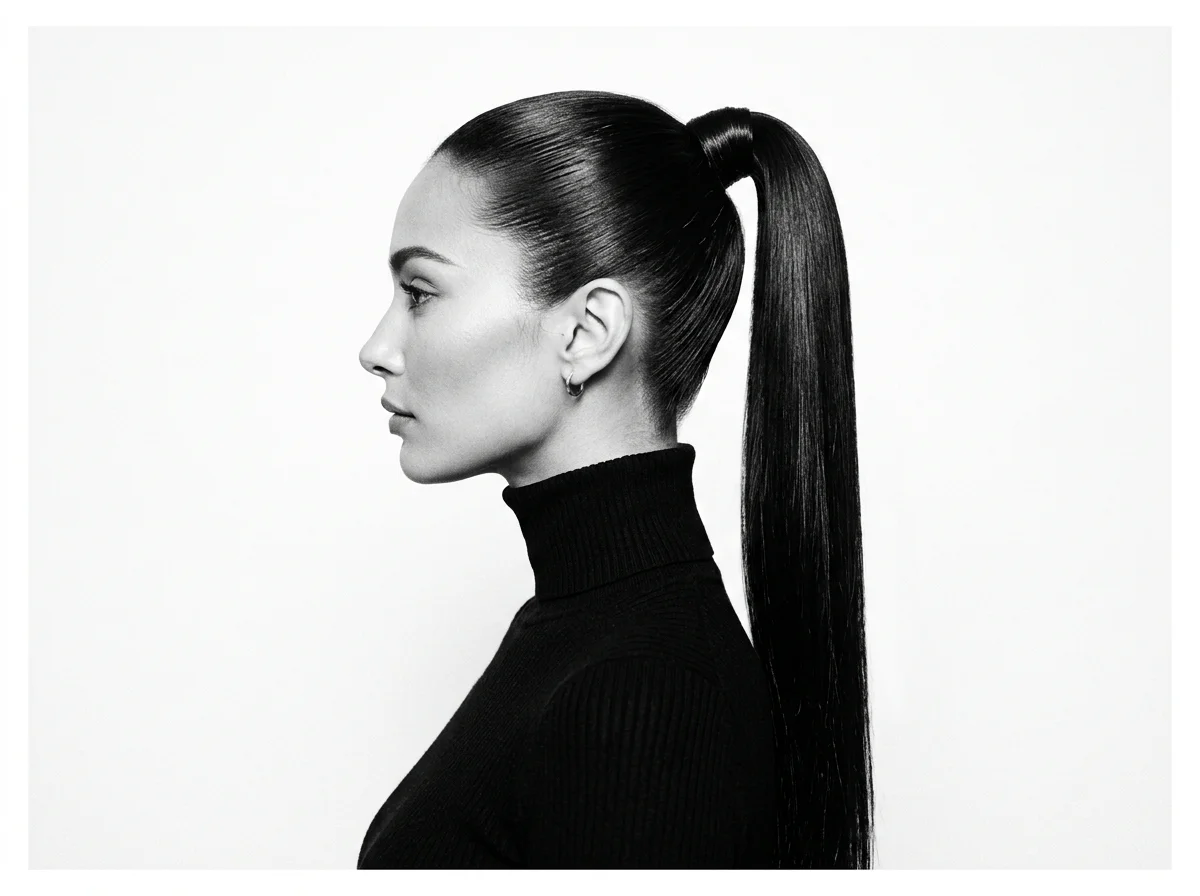
Learn the two moves. To hide: leave the hair down, part it in the middle and let the top layer fall flat — the panel sits underneath and stays covered. To reveal: gather the hair into a high ponytail or a braid, and the pink comes out from under the top layer in one movement. A half-up style is the middle ground — the top half is brunette, the bottom half shows pink at the sides. The same colour, three different hair days, and you choose which one you are having by how you tie it.
Fading Gracefully and the Home Refresh
Pink fades faster than any other colour, and peekaboo pink is no exception. Vivid hot pink lasts six to ten washes; pastel pink lasts three or four. The fade path is predictable and, if you are honest about it, actually pretty: hot pink becomes bubblegum, bubblegum becomes pastel, pastel becomes blush, and blush becomes a soft warm tint that looks like a deliberate colour. The fade only looks bad when it is uneven — and it goes uneven when one part of the panel was lifted more than the rest, or when one side gets more sun and washing than the other.
Slow the fade with the usual rules: wash less often, use a sulphate-free shampoo made for coloured hair, rinse in cool water, and protect the panel from the sun with a hat on bright days. The panel is hidden under the top layer most of the time, which actually helps — the top layer shields it from sun and styling. When the pink is too faded to enjoy, the refresh is simple and cheap.
The Home Refresh Routine
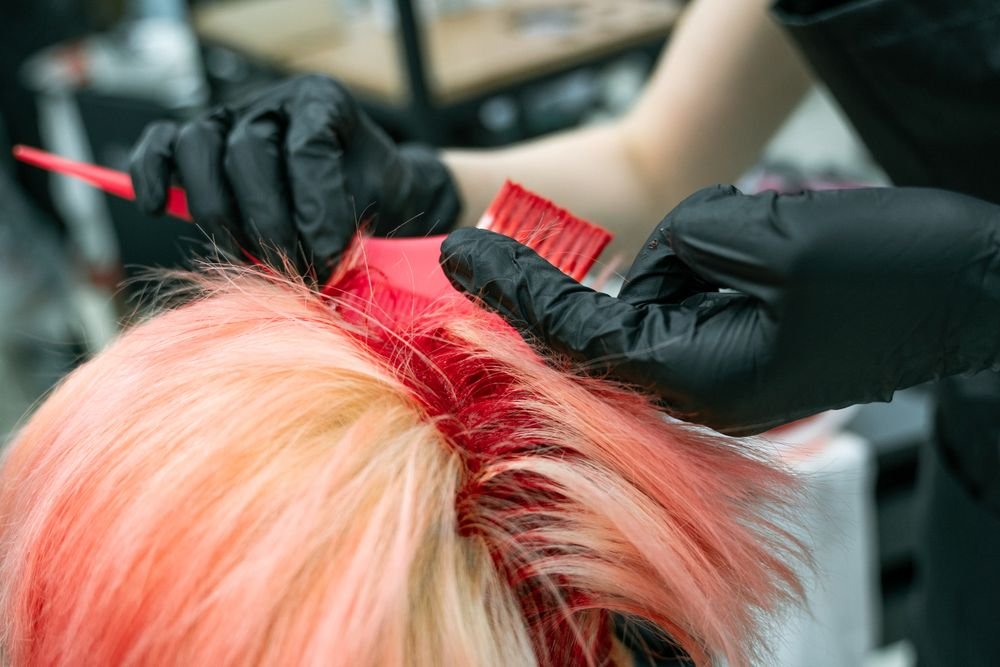
A colour-depositing conditioner or mask in pink, used on the panel only, is the home refresh. Apply it with gloves, leave it on for five to ten minutes, and rinse in cool water — the panel takes the colour back and looks fresh for another two weeks. Use it every other wash, not every wash, or the pink will build up and go darker than you want. And one warning: pink stains. Use an old towel, wear gloves, and do not lean on a white pillowcase with wet hair. When the panel has been refreshed three or four times and the colour still looks tired, that is the salon’s job again — a fresh lift and a fresh pink.
Pink Peekaboo vs Cherry Cola: Which Colour for a Brunette?
Both are winter colours for brunettes, and both are built to glow in low light. The difference is the commitment and the reveal. Cherry cola colours the whole head — dark, glossy, cherry in the light — and everyone sees it all the time. Pink peekaboo colours one hidden panel, and only you decide when it shows. Cherry cola is a whole-head colour that fades back to brown; peekaboo is a panel of colour that fades back to blonde and needs a refresh or a toner.
The honest way to choose: if you want your hair to look coloured all the time, cherry cola is the answer, and the full guide is Cherry Cola Brunette Hair: 13 Deep, Glossy Shades for Winter. If you want the colour only sometimes — at a party, under a braid, on a Friday night — peekaboo is the answer. And you can have both: a cherry cola base with a pink panel underneath, which is the most dramatic version of this whole idea, and the one that gets the most compliments in photographs.
Cost is the other honest difference. A peekaboo panel is a small appointment — a lift on one section and a colour — and the home refresh costs a bottle of conditioner. Cherry cola is a whole-head colour with monthly glosses. Over a winter, peekaboo is the cheaper of the two, and it is also the easier to undo: when you are done with pink, a toner takes it out and the panel is blonde again, and the blonde grows out under a brunette top layer where nobody can see it.
Winter Braids That Reveal the Pink
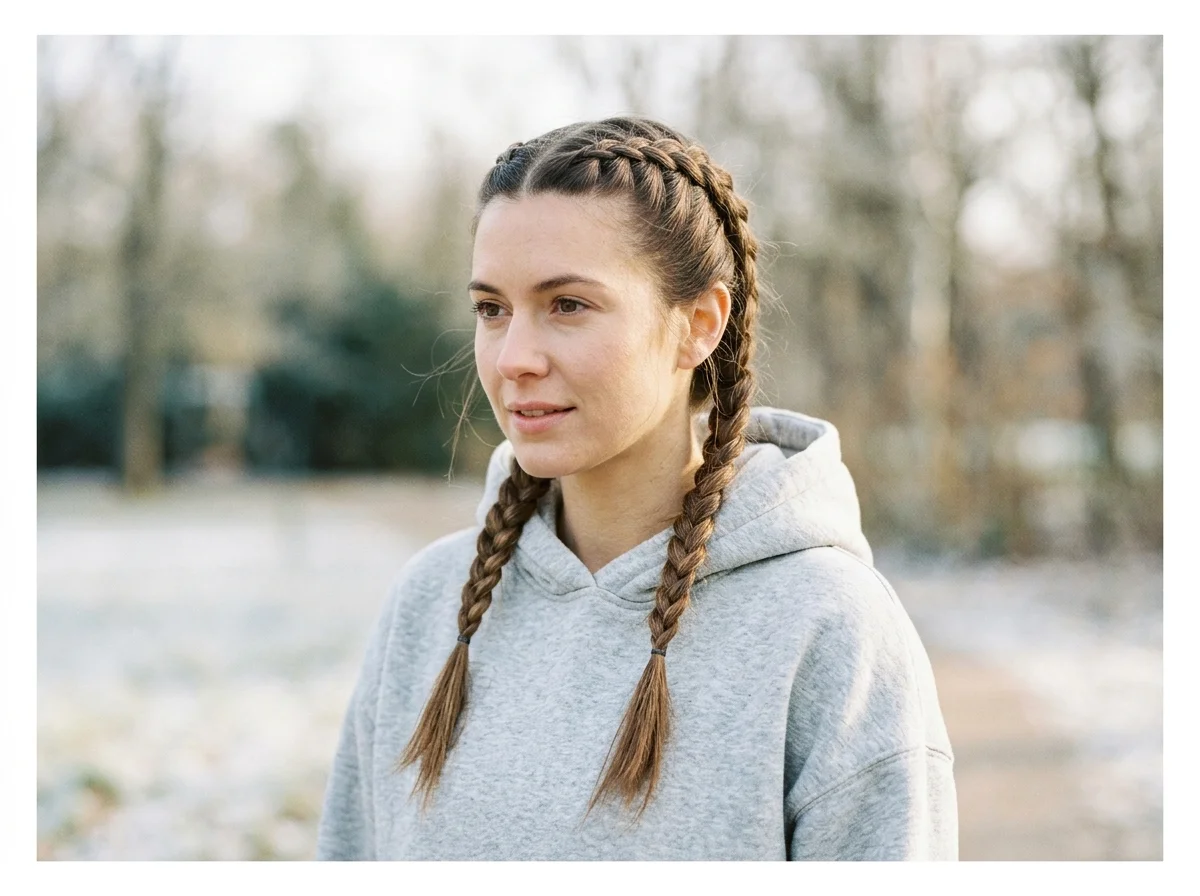
Braids are the best winter style for peekaboo, because a braid pulls the hidden panel to the surface. A single braid shows the pink down the middle. Dutch braids show it on both sides. A braided crown shows it at the edges, around the face. A bubble braid shows it at every bubble. If you have a peekaboo panel, winter is the season to braid it — hats and scarves hide the hair, but a braid brings the pink out where it can be seen.
The styles that reveal the panels best — single braids, Dutch braids, braided crowns, fishtails — are the ones in our guide to 19 Winter Braid Hairstyles for Cute and Elegant Hair Looks. Pick a braid, wear it once a week, and the pink will feel like a new colour every time, because it shows differently in every style. The winter braid is also the most forgiving way to grow a peekaboo out: braided, the panel is half-hidden anyway, and the fade looks like a highlight rather than a mistake.
Frequently Asked Questions
Before you book, these are the questions women ask most often about pink peekaboo hair — the honest answers.
How long does pink peekaboo last?
Vivid hot pink lasts six to ten washes; pastel pink lasts three or four. The panel fades faster than the rest of the hair, because pink is the fastest-fading colour there is. A colour-depositing conditioner in pink, used on the panel every other wash, stretches the life by weeks, and a salon refresh every six to eight weeks keeps it looking fresh. Unlike a full-head colour, a faded peekaboo never looks unfinished — it just looks softer, because the panel is hidden and the fade is gradual.
Will pink peekaboo damage my hair?
The hidden panel is lightened, so there is some damage there — the panel will be drier and more fragile than the rest of your hair. But the panel is small and hidden, and the rest of your hair is untouched, which is the whole advantage: the damage is limited to a section nobody sees. Use a bond builder at the salon, keep the lift low and slow, and condition the panel well. If the panel starts to feel stretchy when wet, that is a sign to stop refreshing it and let it grow out.
Is pink peekaboo professional?
Yes — that is the point of it. The pink is hidden under the top layer, and with your hair down and parted normally it is invisible. No one at work will know it is there unless you show them. The styles that reveal it are the ones you choose: a ponytail, a braid, a topknot. If in doubt, wear it down for the office and tie it up when you leave. It is the one colour that comes with an off switch.
Can I do pink peekaboo at home?
The pink itself, yes — a semi-permanent pink dye at home is forgiving, because it only goes on the hidden panel and any mistakes are covered by the top layer. The lightening, no. Lifting dark hair at home is where the damage happens, and a patchy lift under the top layer is hard to fix. The smart home route is to have the salon lighten the panel once, and then refresh the pink yourself at home with a colour-depositing conditioner. If you do try the lift at home, do a strand test first, work in a thin section, and stop if the hair feels gummy.
Save Your Placement Before You Book
Save your placement before you book — and save this guide with it. Peekaboo is a placement, not just a colour, and a photo of the exact placement you want is worth more than any description. Save the pin below to your board, and take it to the salon with you, so the colourist places the pink in the right spot, at the right size, in the right shade.

Follow Nova Fashion on Pinterest for more hair ideas, and try the Pinterest caption generator to write the perfect caption for your pin.
Conclusion
Pink peekaboo is the winter colour for brunettes who want pink without the commitment of pink. It hides under the top layer, shows when you move, fades gracefully, and comes with an off switch for the office. Choose your placement from the map, pick a shade your base can support, ask for a strand test, and take the photo to the salon. If you want the colour all the time instead of sometimes, our cherry cola guide is waiting, and soft copper blonde is the warmer, softer alternative. And for the braids that show the pink at its best, the winter braid hairstyles guide will give you a style a week.
Pingback: Dusty Rose Pink Hair: 13 Muted, Grown-Up Shades for Winter Nova Fashion