
Can’t choose between blonde and copper? Pinterest already did — searches for soft copper blonde are up more than eight times, and the reason is simple: it is the shade that sits exactly between the two, warm without being loud, blonde without being icy. These soft copper blonde hair color ideas are the twelve warm, wearable shades to ask for this winter, whether you are starting from blonde or from light brown — plus what ‘soft’ really means, who it suits, and the honest truth about the strand test and copper fade.
Soft copper blonde is not the copper of a few years ago. That copper was bright, almost orange, and it showed up from across the room. This one is muted: the copper is dialled down and the blonde is warmed up, until the two meet in the middle. The result is a colour that reads as blonde in some lights and as copper in others, and that flatters far more skin tones than either colour on its own. The catch is that it is a toner-and-gloss colour, not a one-and-done colour — it needs upkeep, and it fades faster than a straight blonde. This guide is honest about both halves of that.
What ‘Soft’ Means: Muted, Not Neon
‘Soft’ is a technical word, not a feeling. In copper blonde, soft means low saturation: the copper pigment is diluted and warmed, so the colour glows instead of glaring. Hold the shade up in sunlight and it looks like honey pouring; hold a neon copper up in the same light and it looks like a traffic light. Winter light is low and grey, and it flatters low-saturation colour — that is why soft copper is the winter version of the trend, and why the brighter coppers look their best in high summer and their worst in January.
The other half of ‘soft’ is the base. A soft copper is always built on warm blonde, never on ash, because ash plus copper turns muddy. If your current blonde is cool or ashy, your colourist will warm it first — a golden gloss or a warm toner — and then add the copper. Skipping that step is how soft copper goes grey at the roots and orange at the ends, which is nobody’s idea of a good result.
The colour also behaves differently on different textures. On straight hair, soft copper reads as a solid sheet of warm colour — the shine is the point, and the copper shows most at the ends where the light hits. On wavy hair, the colour breaks up into dimension: the tops of the waves catch the copper and the undersides stay blonde, which is why the balayage shades in the list below look best on wavy hair. On curly hair, the copper sits in the curls like light in a glass — it needs a gloss more often, because curls scatter the light and dull the shine faster. None of this changes which shade to choose, but it changes how often you will want a top-up, and your colourist should tell you that before you book.

The 12 Warm, Wearable Soft Copper Blonde Shades
Twelve shades, grouped by the base they start from: four on a blonde base, four on a light brown base, and four built with dimension. Find your starting point first, then pick the shade inside it — the base decides how much work the colour needs and how long it lasts.

On a Blonde Base
1. Soft copper blonde. The classic — honeyed blonde with a copper glaze over the top. The reference shade, and the one to pick if you want the trend exactly as Pinterest shows it. It needs the least work of the twelve if your hair is already blonde.
2. Strawberry copper blonde. Pinker and softer — strawberry blonde’s warmer cousin. The copper leans rose rather than gold, and it is the most flattering with cool skin tones. The one to ask for if you love strawberry blonde but want something a little deeper for winter.
3. Rose gold copper blonde. The prettiest of the twelve — rose tones threaded through the copper, so the hair catches pink in some lights and gold in others. It photographs beautifully and it suits almost every skin tone, which is why it is the most-pinned of the group.
4. Apricot copper blonde. The warmest of the blonde-base group — apricot undertones that make the colour feel sunlit even in January. The best choice for warm skin tones, and the one that looks most like a natural redhead’s blonde cousin.

On a Light Brown Base
5. Golden copper blonde. Light brown lifted one level, then glazed gold-copper. The most wearable of the light-brown group — golden rather than red, and the easiest to keep up, because the gold fades gracefully.
6. Sandy copper blonde. The most understated of the twelve — sand tones with a whisper of copper, barely there in indoor light and warm honey in the sun. For anyone who wants the trend without anyone knowing it is a trend.
7. Champagne copper blonde. Cool champagne blonde with copper lowlights running through it. The coolest of the twelve, and the best for cool skin — the copper is there, but the champagne keeps it from going warm on the face.
8. Peach copper blonde. Soft peach, like a sunset in the hair. The most forgiving if you are nervous about warmth, because peach reads as a blush rather than a colour, and it fades into a soft golden blonde.
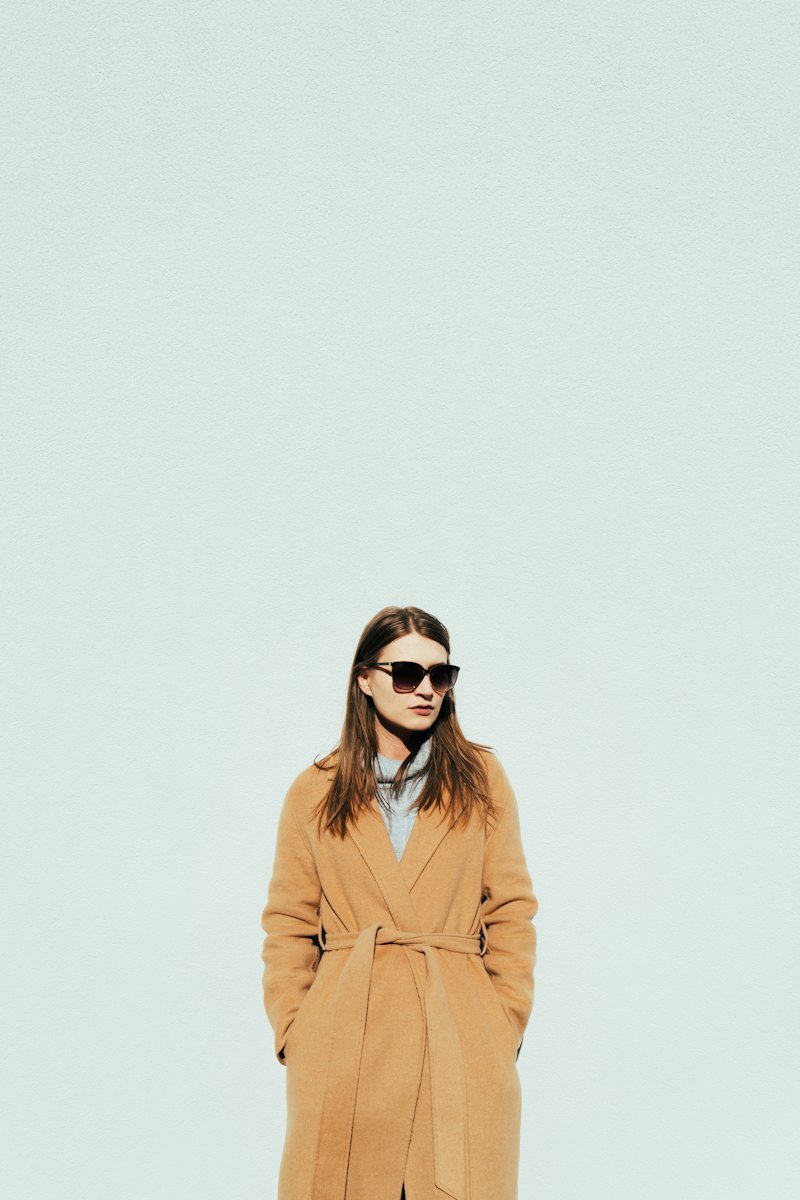
Dimensional Copper Blonde
9. Muted auburn copper blonde. A deeper, auburn-leaning copper for those who want more depth than the blonde-base shades offer. It sits between copper blonde and auburn hair, and it is the best choice if your hair is naturally darker and you want the copper to last longer.
10. Copper blonde balayage. Copper hand-painted through blonde, brighter at the ends. The grow-out is soft, which makes it the lowest-maintenance way to wear copper blonde — and the best choice if you do not want to be back at the salon every month.
11. Copper blonde with blonde money pieces. Bright blonde at the front, copper through the rest. The money pieces keep the face bright and make the copper look deliberate rather than accidental — the most flattering of the dimensional options for most faces.
12. Lived-in copper blonde lowlights. Copper lowlights woven under blonde. The subtlest of the dimensional shades — the copper only shows when the hair moves — and the easiest to grow out, because there is no root line at all.
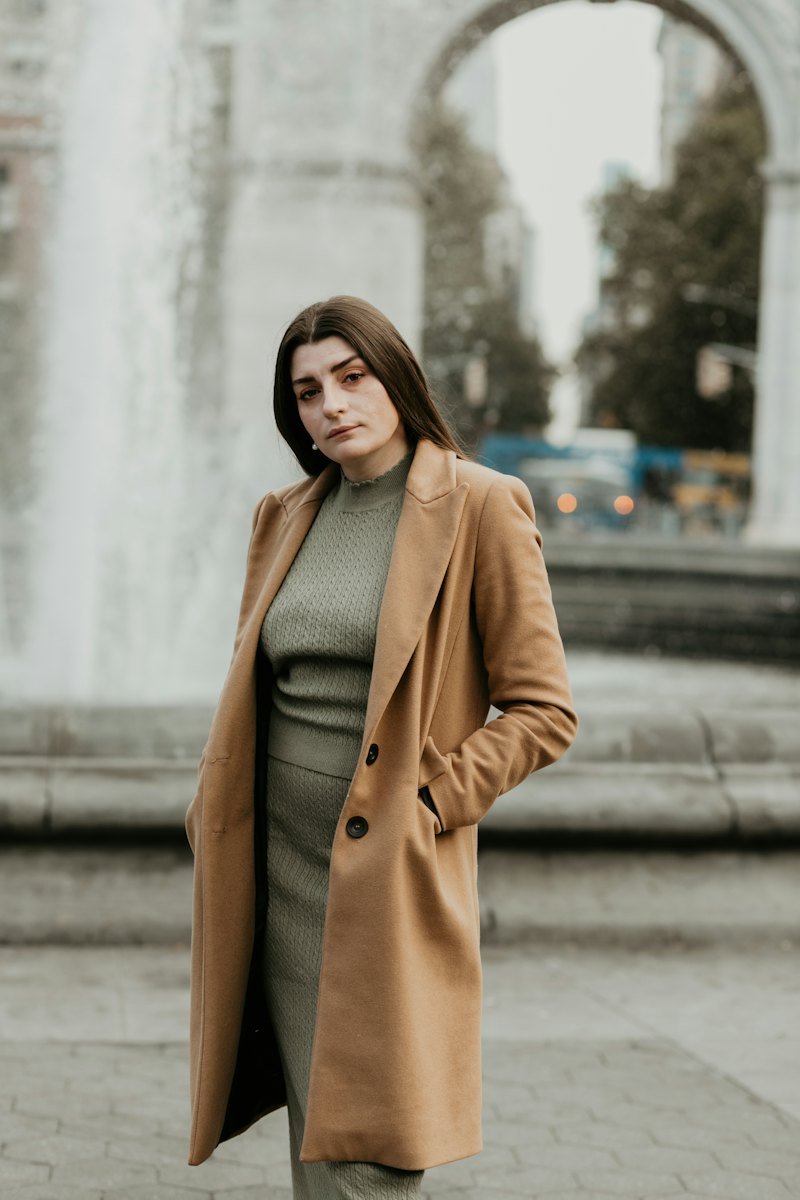
Who It Suits: Bases, Skin Tones and Eye Colours
Soft copper blonde is forgiving, but it is not universal. The easiest starting point is hair that is already blonde: the copper goes on over the blonde with no lift and no damage, and the result is even. Light brown hair can get there with one gentle lift — a level or two — and then a copper glaze. Dark hair should not be forced into soft copper this winter: the lift needed is too much, the brassy risk too high, and the result is usually a colour that needs more upkeep than it is worth. If your hair is dark and you want the warmth, the cherry cola family is built for your base and gives you the same winter glow.
Skin tone is where the shade choice happens. Warm skin takes the warm shades — apricot, golden, soft copper itself — and looks sunlit. Cool skin takes the cooler shades — champagne copper blonde and rose gold — which keep the copper from turning the face pink. Neutral skin can take anything. And the one warning: if your skin is already very pink, copper can bring the redness out, so test a swatch against your cheek before you commit. Eyes benefit too — copper makes green eyes greener and blue eyes bluer, because the warm hair and the cool eye colour contrast. That is the most reliable beauty trick in this whole guide.
Salon Routes from Blonde
From blonde, the route is simple: a toner or a gloss, in one appointment, with no lift and no damage. Your colourist deposits copper pigment onto the blonde — the pigment sits on and just inside the hair shaft — and the result is even, soft and immediately wearable. The one caveat is porous blonde: hair that has been bleached many times soaks up pigment unevenly, and the ends can go brighter than the roots. Your colourist will know this and use a filler or a pre-treatment on the ends first, so the colour lands evenly.
Ask for a demi-permanent toner rather than a permanent colour if your hair is already light enough. A toner fades gracefully back to blonde over six to eight weeks, so if you decide copper is not for you, you are not stuck with it — and if you love it, the next toner is a quick appointment. The other question to ask from blonde is about the undertone: some blondes carry a lot of ash, and ash eats copper. If your blonde is ashy, expect the colourist to warm the base first, as the section above explains, and to charge for the extra step — it is worth it.
One more thing to ask about from blonde: the grow-out. A toner fades evenly, so at six to eight weeks your hair is simply a softer version of the colour you started with — no root line, no emergency appointment. A permanent colour, if that is what you chose, will show a root line at the same point, and the touch-up is a full appointment rather than a quick toner. For a first copper, the toner route is the honest recommendation: it is cheaper over the first two months, and you get to change your mind.

Salon Routes from Light Brown
From light brown, the route is longer: a gentle lift of one or two levels, then a copper glaze. The lift is what makes the copper show — without it, the copper pigment sits on top of brown hair and goes muddy, like a copper coin dropped in a puddle. Expect a longer appointment and a bigger bill, and expect the colourist to be honest about the damage: one gentle lift is fine on healthy hair, but if the ends are already fragile, they may suggest a balayage route instead, where only some of the hair is lifted and the rest stays natural.
Balayage is the lower-commitment way in from light brown. The copper is painted through the mid-lengths and ends, the roots stay your natural light brown, and the grow-out is soft — no hard root line, no urgent rebooking. It is also the version that photographs best, because the contrast between the copper lengths and the natural roots gives the hair dimension. If you are on the fence, balayage is where to start.
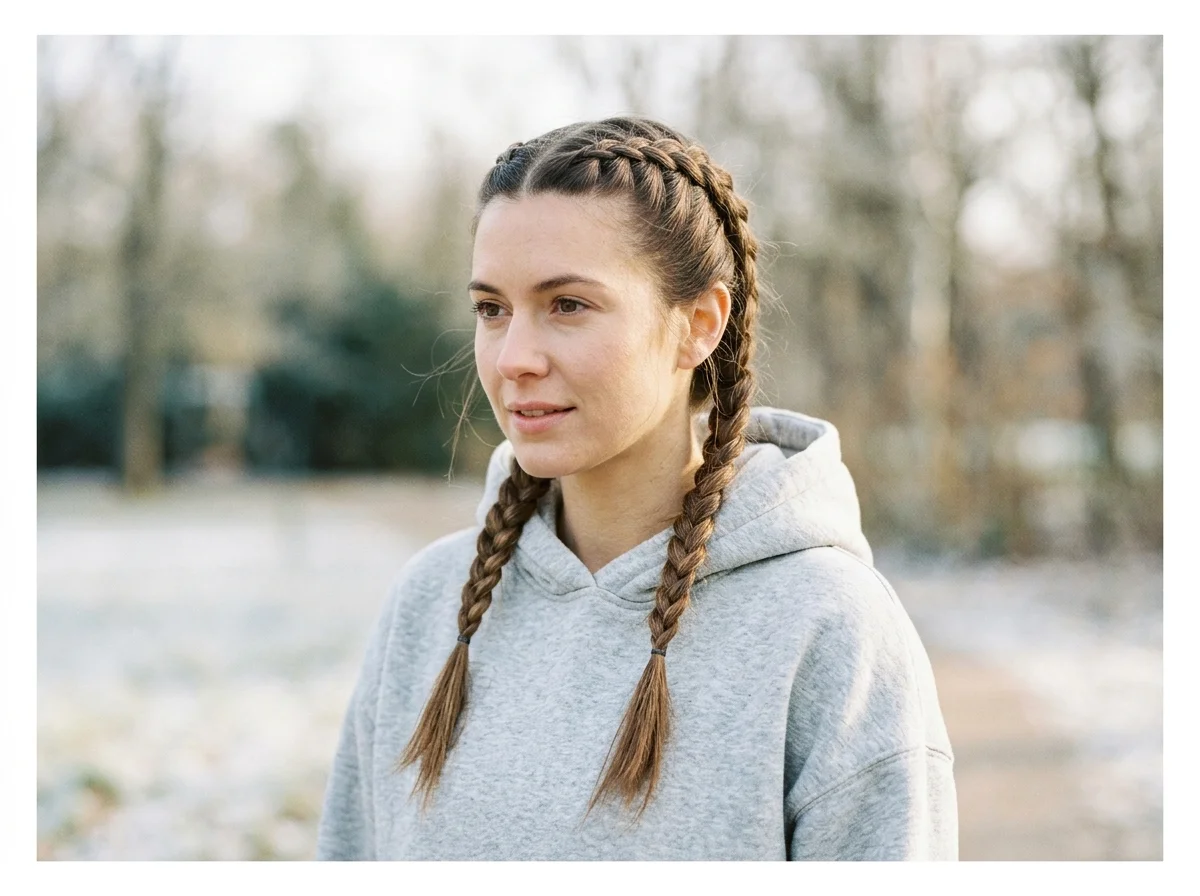
The Strand Test: Don’t Skip It
Here is the step the guide insists on, and the one salons sometimes skip when they are busy: the strand test. A strand test means colouring a small, hidden section of your hair first — behind the ear, or underneath — to see how the colour actually takes on YOUR hair, not on the swatch. Copper is the colour most likely to surprise you: porous ends grab it harder, old colour underneath changes it, and hard water at home changes it again.
Ask for the test at the consultation, or on the morning of the appointment. It takes ten minutes and it can save you a head of colour you did not want and a correction appointment you will pay twice for. If a salon will not do a strand test, that tells you something about the salon — and you should believe it.
Toner and Gloss Upkeep
Soft copper blonde lives on its toner. The toner is what keeps the copper soft instead of brassy, and it needs refreshing every four to six weeks — that is the rhythm of this colour, and the honest cost of wearing it. A gloss does the same job with a little more shine and a little less commitment: it coats the hair, boosts the warmth and fades out on its own. Between appointments, a colour-depositing conditioner keeps the copper alive — use it once a week, not every wash, or the copper will build up and go darker than you want.
Washing matters as much as toning. Wash less often — two or three times a week is plenty — use a sulphate-free shampoo made for coloured hair, and rinse in cool water. Hot water opens the cuticle and lets the copper out; cold water keeps it in. Heat styling needs a protectant every time, for the same reason.
One product deserves a warning: purple shampoo. It is made for icy blonde, and it is the enemy of soft copper, because it neutralises exactly the warmth you paid for. If you already own one, put it away while you are wearing copper — a violet shampoo used once will dull the copper, and used weekly it will turn it grey at the roots. If your hair starts to look brassy rather than warm, that is a job for a gloss, not for a bottle from the shelf.
The Copper-Fade Truth: What to Expect
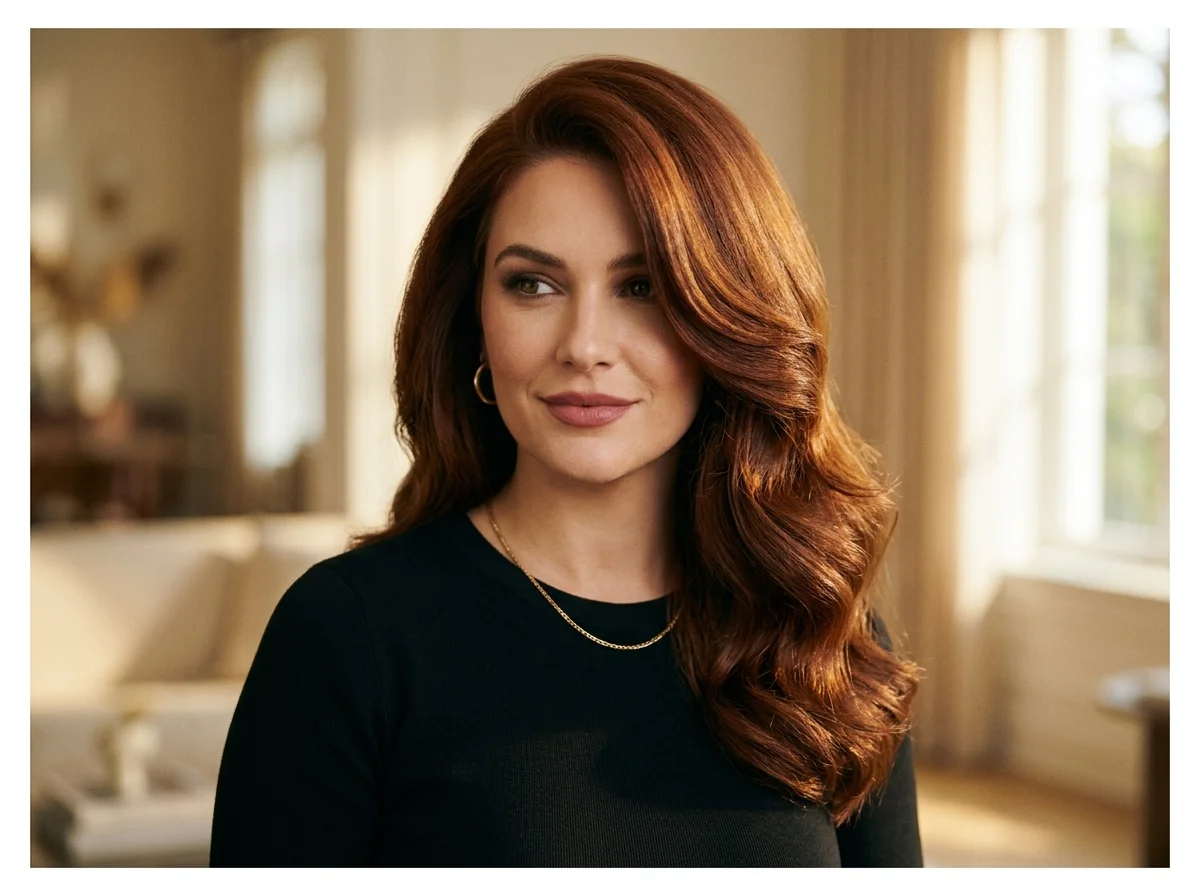
Copper fades faster than any blonde. That is the honest headline, and it is not a reason to avoid the colour — it is a reason to plan for it. The fade goes warm gold first, then soft golden blonde, and if you keep the gloss top-ups coming it stays pretty at every stage. What it does NOT do is fade to orange, unless the starting colour was too bright — and that is exactly why ‘soft’ matters. A soft copper fades gracefully; a bright one fades into a colour you did not ask for.
Budget for a monthly gloss if you want the copper to stay. The good news is that the appointments are short — a toner takes less than an hour — and that the colour still looks deliberate while it fades. The bad news is that there is no version of this shade that lets you forget about it. If that sounds like too much, the lived-in lowlights shade in the list above is the one to choose, because it fades the most gracefully of the twelve.
Winter Styling That Shows the Warmth
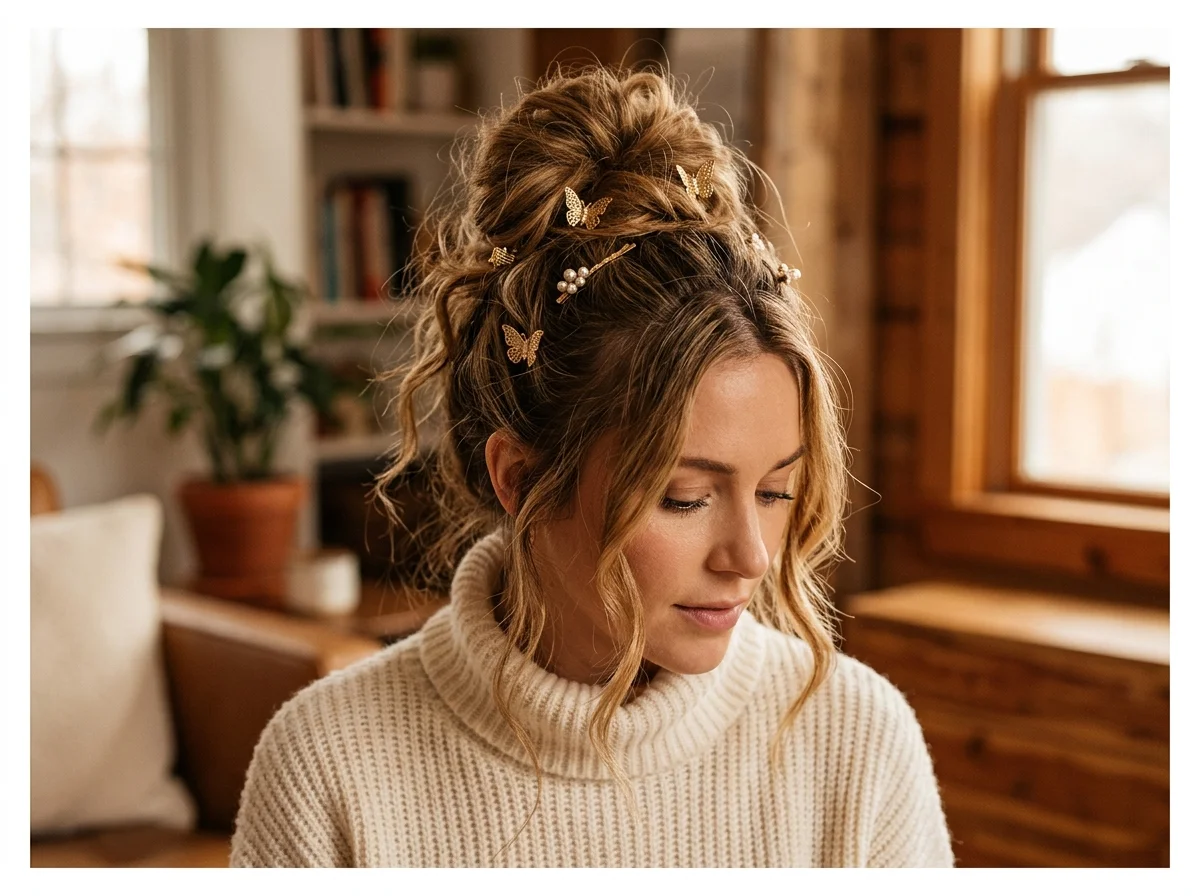
Soft copper blonde is a winter colour, and it shows best in winter styling. Low winter light is warm and low-angled, and it turns copper hair golden in a way that high summer light — which is white and flat — never does. Wear your hair down as much as you can, because the colour needs the light to work; a hat that covers the lengths hides the very thing you paid for. When the wind and the cold dry the hair out, a little oil on the ends (not the roots) brings the shine back and makes the copper look like it was just done.
The clothes that show copper off are the warm ones: camel, cream, burgundy, chocolate and soft brown. A cream knit next to copper blonde makes the hair look richer; a burgundy coat makes it look deeper. Cool colours — icy blue, stark white, silver grey — fight the warmth and can make the hair look brassy by contrast. For the festive season, copper blonde pairs with burgundy and with gold jewellery better than with silver, and the holiday looks in our holiday hairstyles guide are built around exactly that palette. Style the hair in waves for dimension, or straight for shine — waves show off the copper best, because every curve catches a different light.

Soft Copper Blonde vs Strawberry Blonde
They are cousins, and they are often confused, so here is the honest difference. Strawberry blonde is pink, cooler and paler — a veil of rose-gold over blonde. Soft copper blonde is warm, deeper and more golden — copper with the edges softened. Strawberry suits cool skin and looks best in bright light; soft copper suits warm skin and looks best in low, warm light. If your skin is pink-toned, strawberry is the safer choice; if your skin is golden-toned, copper is.
You do not have to choose one and live with it. A colourist can blend them: copper through the lengths with strawberry pieces around the face, or a strawberry base with a copper gloss. The blend is how most women actually end up wearing these colours — a custom mix of the two — so if you love both, say so at the consultation, and let the colourist build you the version in between.
Frequently Asked Questions
Before you book, these are the questions women ask most often about soft copper blonde — the honest answers.
Is soft copper blonde high maintenance?
More than plain blonde, and less than bright copper. Expect a toner every four to six weeks, and a colour-depositing conditioner once a week at home. It is not a colour you can forget about between appointments — but the appointments are short, and the colour still looks deliberate while it fades. The dimensional shades — balayage and lived-in lowlights — are the least demanding, because the grow-out is soft and the root line never shows.
Will copper blonde make my skin look red?
It can, if your skin is already very pink. Copper is warm and red-based, so it brings warmth out of the skin as well as the hair. Test a swatch against your cheek in daylight before you commit: hold it at your jawline and look in a mirror. If your face looks flushed, choose a cooler shade — champagne copper blonde or rose gold — or ask the colourist to cool the copper slightly with a violet tone. The swatch test costs nothing and saves you a colour you will regret.
Can I go soft copper blonde from dark hair?
Honestly, it is a long road: at least two appointments, a lot of lift, and a much higher upkeep bill — and a real risk of brassiness on the way. Dark hair and soft copper do not mix well, because the lift needed to reach a soft copper level is high, and the result fades faster. If your hair is dark and you want the winter warmth, the cherry cola family is built for your base and gives you the same glow with far less risk. Or start with a balayage and let the copper build over time.
How do I keep the warmth without going brassy?
Three things: a colour-depositing conditioner once a week, a violet shampoo used sparingly — too much violet kills the copper and turns it grey — and a gloss top-up every four to six weeks. Rinse in cool water, protect from heat, and wear a hat in strong sun. And if brassiness appears, do not reach for a box dye. A gloss at the salon fixes it in under an hour, and a box dye on top of a salon colour creates a problem that takes far longer to fix.
Save This Shade Before You Book
Save this shade before you book — and save this guide with it. A photo of the exact shade you want, shown to your colourist at the appointment, is worth more than any description. Save the pin below to your board, and take the strand-test advice from the section above with you, so the colour you ask for is the colour you get.


Follow Nova Fashion on Pinterest for more hair ideas, and try the Pinterest caption generator to write the perfect caption for your pin.
Conclusion
Soft copper blonde is the winter blonde for anyone who finds icy blonde a little too cold and bright copper a little too loud. It is warm, muted and wearable, and it flatters more skin tones than either of the colours it sits between. Go in with your eyes open: it needs a toner every four to six weeks, a strand test before you commit, and honest expectations about the fade. Choose your base, save your shade, and take the exact words to the salon. If your hair is dark and you want the warmth without the risk, see our cherry cola guide; if you want the softer brunette instead, the mocha balayage guide is waiting. And for more ways to wear the colour this winter, our 25 winter hairstyles for long hair will give you the styles to match.
Pingback: Spicy Copper Hair: 13 Bright Cinnamon-Chilli Shades to Warm Up Winter Nova Fashion