
If there is one colour brunettes are saving on Pinterest right now, it is mocha balayage. It is the shade family that makes brown hair look expensive without looking done – soft ribbons of coffee-brown melted through a dark base, no harsh lines, and a grow-out so gentle you can forget your next appointment exists. These mocha balayage hair color ideas for brunettes cover 15 rich winter shades, which ones suit your skin tone and base colour, what the upkeep honestly costs, and exactly what to ask for at the salon.
Before you book, save two or three shades from this guide. A photo of a mocha on a base colour like yours is the single most useful thing you can hand your colourist, because the same shade looks different on dark brown hair than it does on medium brown hair. This guide tells you which is which.
What Mocha Balayage Is (And Why Brunettes Are Saving It)
Balayage is a hand-painted technique, which means your colourist paints the lightener onto the hair freehand, usually focusing on the mid-lengths and ends and leaving the roots soft. Mocha is the colour: a coffee-brown that sits between warm and cool, with a soft, muted finish. Put them together and you get dimension that looks like it grew there, rather than stripes that were put there.
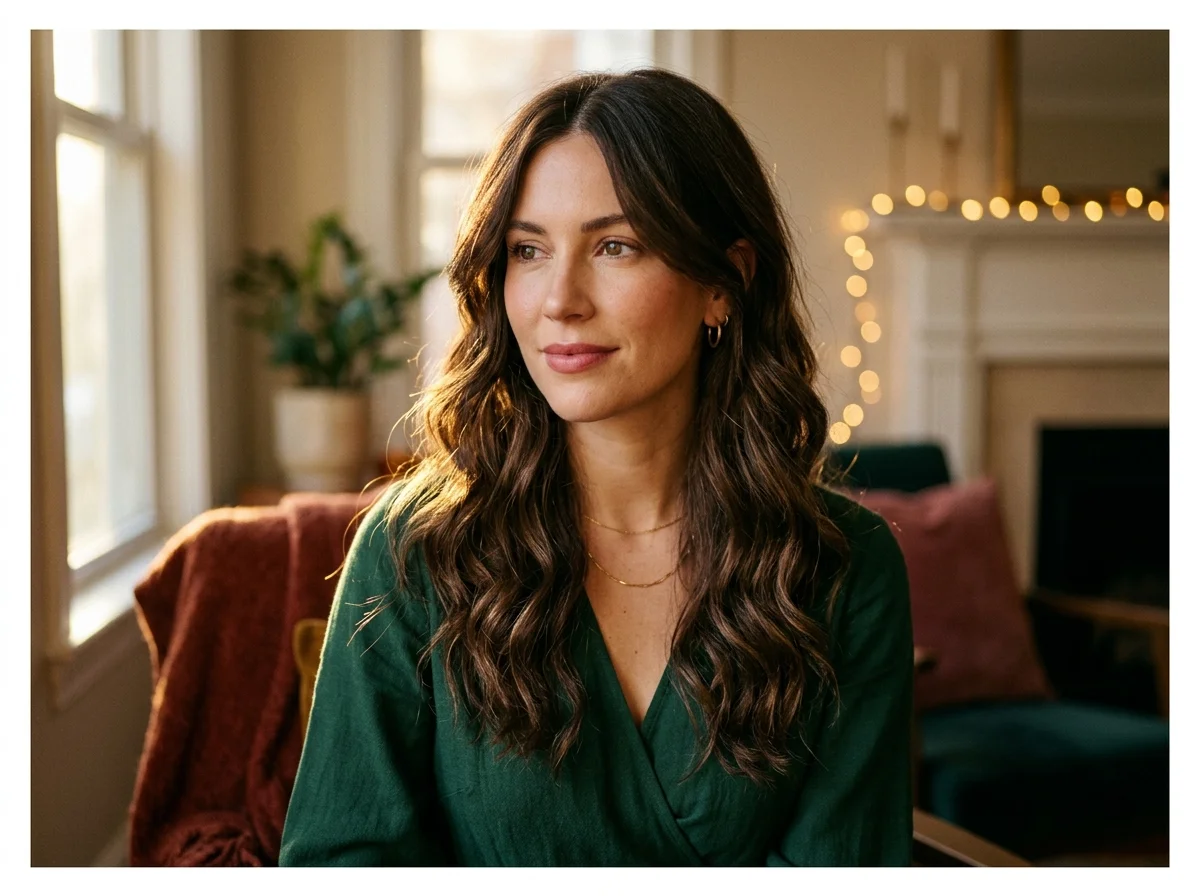
Mocha is different from caramel and chocolate in one important way. Caramel is warmer and lighter, and it can turn brassy on brunettes. Chocolate is deeper and flatter, and it can disappear into a dark base. Mocha sits between the two – rich, a little smoky, and reflective enough to catch the light. That is why it photographs so well and why it is the shade Pinterest says brunettes are saving now.
It also suits almost every brunette. It works from near-black to medium brown, on straight hair and on waves, and it is one of the lowest-commitment ways to lighten up for winter. There are no hard regrowth lines, so you can stretch appointments to eight or twelve weeks without looking grown out, and the root area stays your natural colour, which keeps the whole thing looking soft.
15 Mocha Balayage Shades to Show Your Colourist
Here are the 15 shades, grouped by tone. Start with the group that matches your skin and base, then pick one or two to show your colourist.
Cool Mochas
Cool mochas have an ashy, smoky edge and suit fair skin and anyone who hates warmth in their hair.
- Iced Mocha. The lightest of the group – pale, cool mocha ribbons through a dark base. Best on medium brown hair, and the one to choose if you want the most visible change without going blonde.
- Ash Mocha. A muted, grey-brown mocha that reads as expensive and understated. Lovely on fair skin and on hair that pulls warm no matter what you do.
- Mushroom Mocha. A taupe-brown with a cool, earthy finish. It is the trendiest of the cool mochas and pairs beautifully with silver jewellery.
- Smoky Mocha. A cool, smoky brown with depth at the roots and a soft, diffused lightness at the ends. Very forgiving as it grows out.
- Espresso Mocha (Cool). Near-black roots melting into cool mocha ends. The subtlest option in this list and the best first step if you have very dark hair and want to test the water.
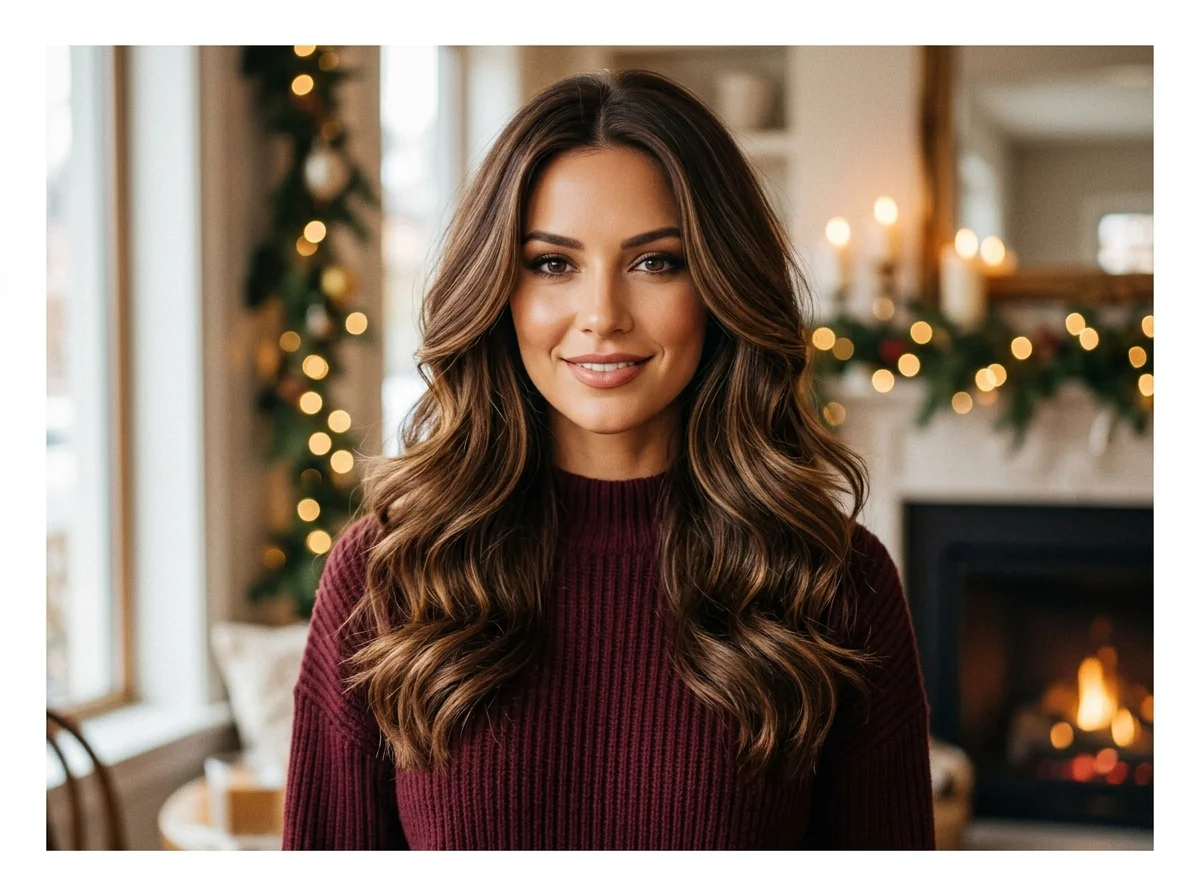
Warm Mochas
Warm mochas glow. They suit medium and deep skin tones and anyone whose hair naturally warms in the sun.
- Classic Warm Mocha. The original – a warm, coffee-brown ribbon through dark hair. If you only save one shade from this guide, save this one.
- Caramel Mocha. Mocha with a caramel lift through the ends. It adds the most brightness of the warm group and looks wonderful on wavy hair, where the light catches each wave.
- Honey Mocha. A golden, honeyed mocha that warms up the whole face. Best on medium brown bases, where it blends in one session.
- Toffee Mocha. Rich toffee tones through the mid-lengths with a softer mocha at the roots. It is the shade that looks most like a salon blowout in the photographs.
- Golden Mocha. The warmest of the group, with a sunkissed finish. Choose it if your skin is warm-toned and your hair goes golden in summer.
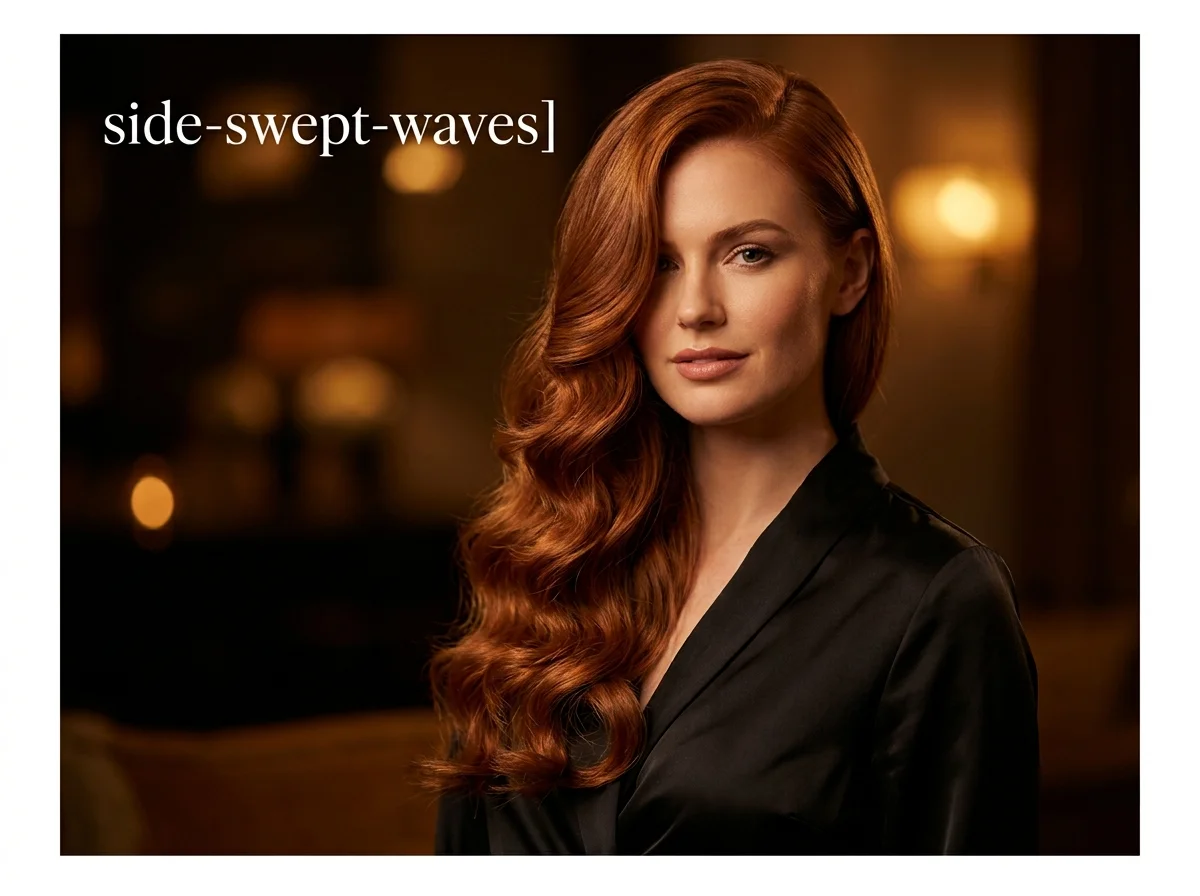
Deep and Rich Mochas
Deep mochas are the richest of the group. They suit deep skin tones and very dark bases, where lighter mochas can look washed out.
- Dark Chocolate Mocha. Deep, glossy chocolate with mocha ribbons that only show in the light. The most low-maintenance shade in this guide – it grows out almost invisibly.
- Cocoa Mocha. A soft cocoa-brown that warms a dark base without lightening it much. Perfect if you want richness rather than lightness.
- Mocha with a Copper Kiss. Mocha ribbons with a hint of copper warmth woven through the ends. It flatters deep and warm skin tones and pairs beautifully with a deep glossy lip – try it with the cherry cola lips trend for a full winter look.
- Mocha with Cherry Undertones. A mocha with a quiet cherry depth underneath. It reads as brown indoors and reveals the cherry in sunlight – the most interesting shade on a dark base.
- Espresso-and-Mocha Melt. Espresso roots melted into mocha ends with no visible line between them. The most seamless grow-out of all 15 shades, and the one colourists recommend most for first-timers.
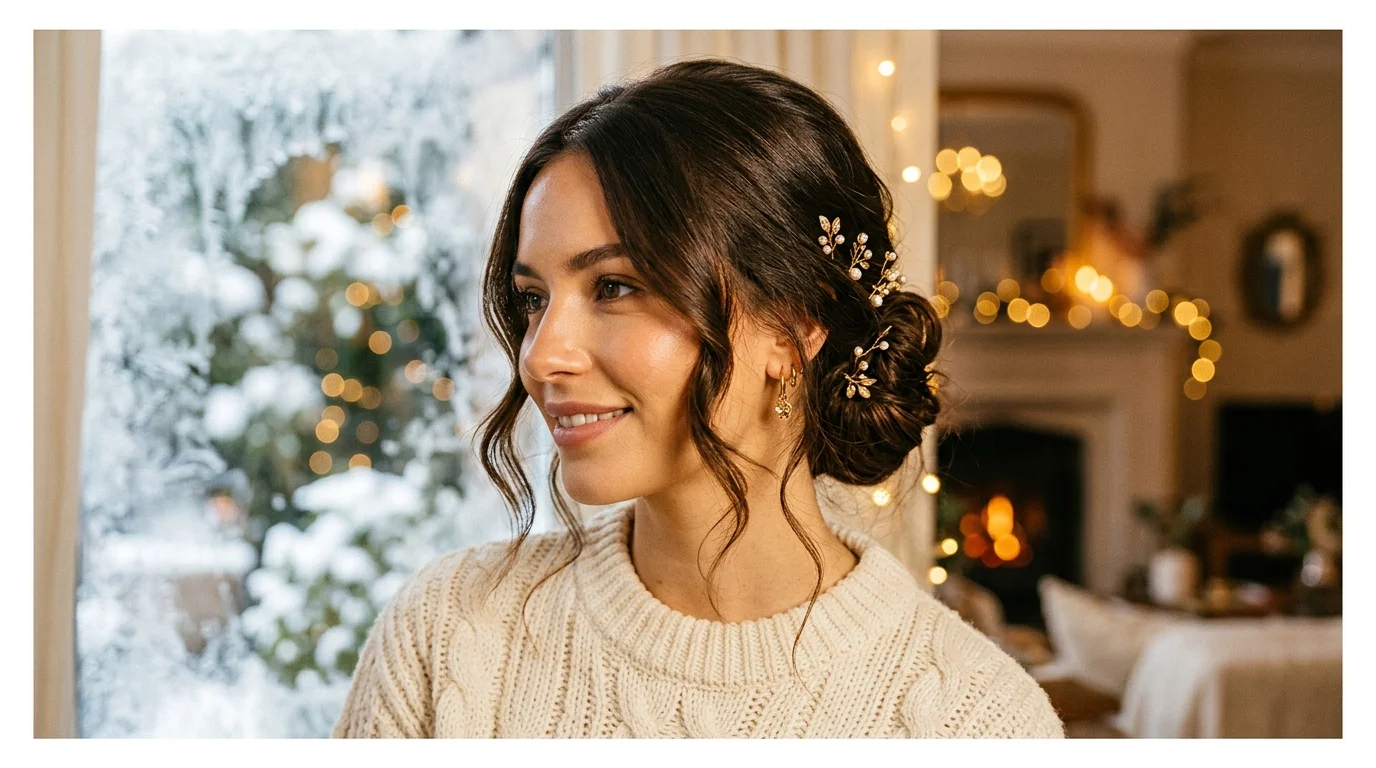
Shades by Skin Tone
Your skin tone decides which mocha group will flatter you most. Fair skin looks best with cool mochas – iced, ash and mushroom – because the cool tones brighten the face and stop the hair from washing you out. If your skin is fair and warm, a classic warm mocha works too, but keep the lightness away from your face – ask for the brightest ribbons underneath and at the ends, with a softer frame around the face.
Medium skin tones have the most choice. Warm mochas (caramel, honey, toffee) make medium skin glow, and they are the shades that look most like a holiday tan in winter. Deep skin tones suit deep and rich mochas best – dark chocolate, cocoa and mocha with a copper kiss – because the richness of the colour matches the richness of the skin. The one rule for every skin tone is contrast: the ribbons should be one or two levels lighter than your base, not five. That is what makes it look expensive instead of streaky.

Dark vs Medium Bases: What Changes
Your starting colour changes what your colourist has to do, so it changes the result, the cost and the time in the chair.
On a dark base (near-black to dark brown), the colourist needs lightener to lift the ribbons, and the first session is usually subtle. The mocha will show as soft, dimensional ribbons rather than a big change, and it often takes a second session six to eight weeks later to reach the lightness in the photos. Honest expectation: session one gives you depth and shine, session two gives you the lightness. The upside is that dark bases hold mocha beautifully – the colour fades slowly and the grow-out is very soft.
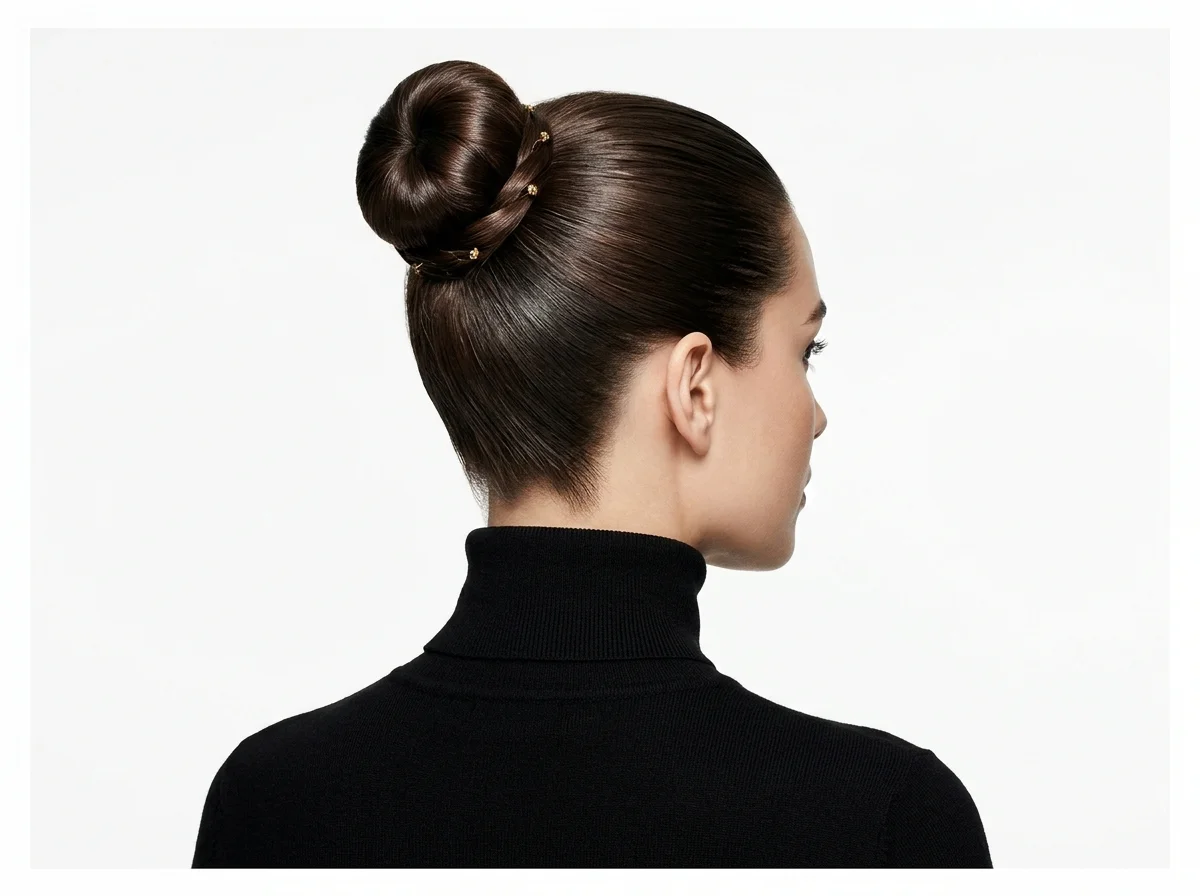
On a medium base (medium brown to light brown), the lift is gentler and the mocha blends in a single session. You will see the full effect on the first visit, and the ribbons will be more visible around the face and at the ends. The trade-off is that medium bases go brassy more easily, so you will need a toning shampoo or a gloss sooner than a dark base would.
Gloss and Toner Upkeep: The Honest Costs
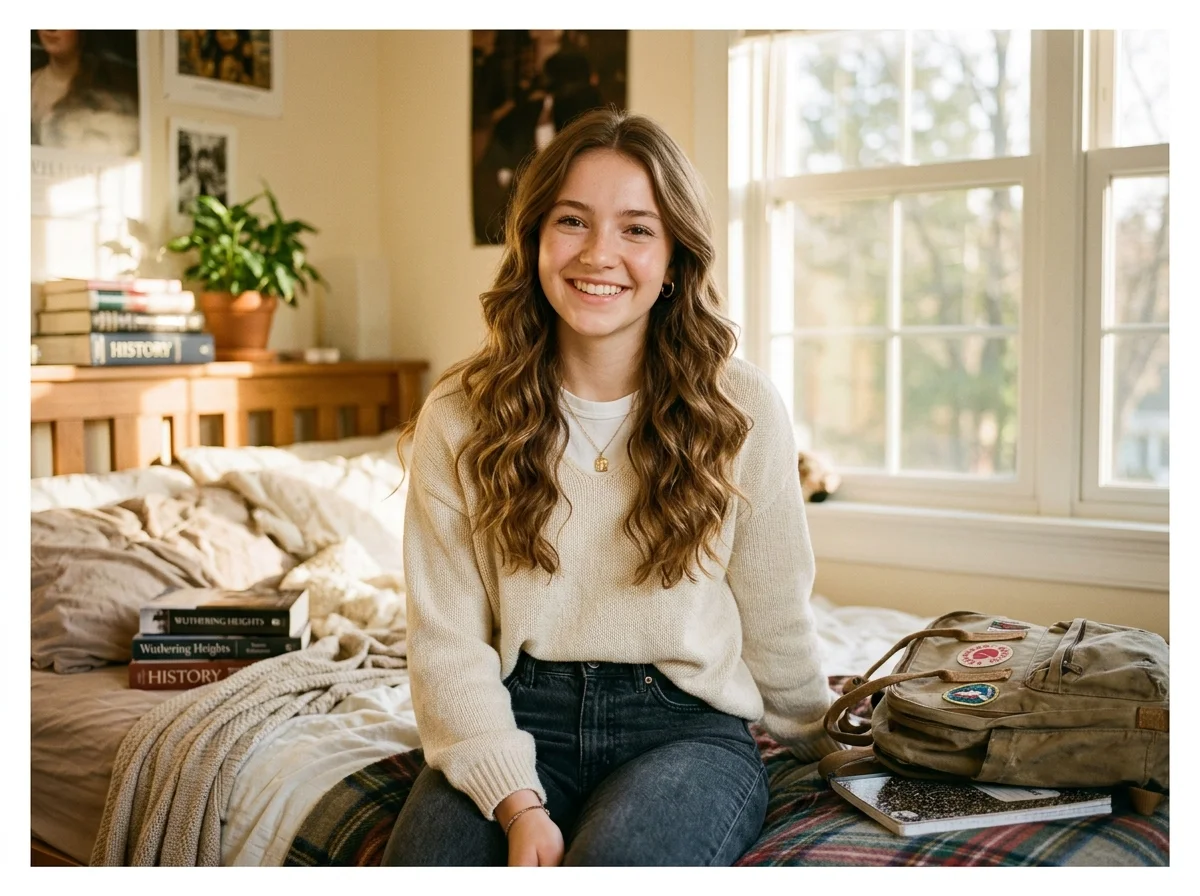
Here is the part most guides skip: the maintenance. Balayage placement lasts for months, but the tone fades. Cool mochas fade fastest – the ash tones wash out in four to six weeks, so plan on a gloss or toner top-up every four to six weeks. Warm mochas are the lowest maintenance of all: the tone holds for eight to twelve weeks, and a gloss every two to three months is plenty. Deep mochas sit in the middle, at six to eight weeks.
In practice, most women on mocha balayage visit the salon every eight to twelve weeks: a gloss and a tidy-up of the brightest ribbons, rather than a full re-do. At home, use a sulfate-free shampoo, a colour-safe conditioner, and – for cool mochas – a violet or blue toning shampoo once a week to keep brass away. A weekly hair mask keeps the lightened ends from going dry in winter. Budget-wise, expect the first appointment to be the most expensive (the full balayage plus toner), with maintenance visits costing considerably less. Always get the price, and the maintenance plan, in writing before you commit.
Mocha Balayage vs Other Brunette Colour Trends
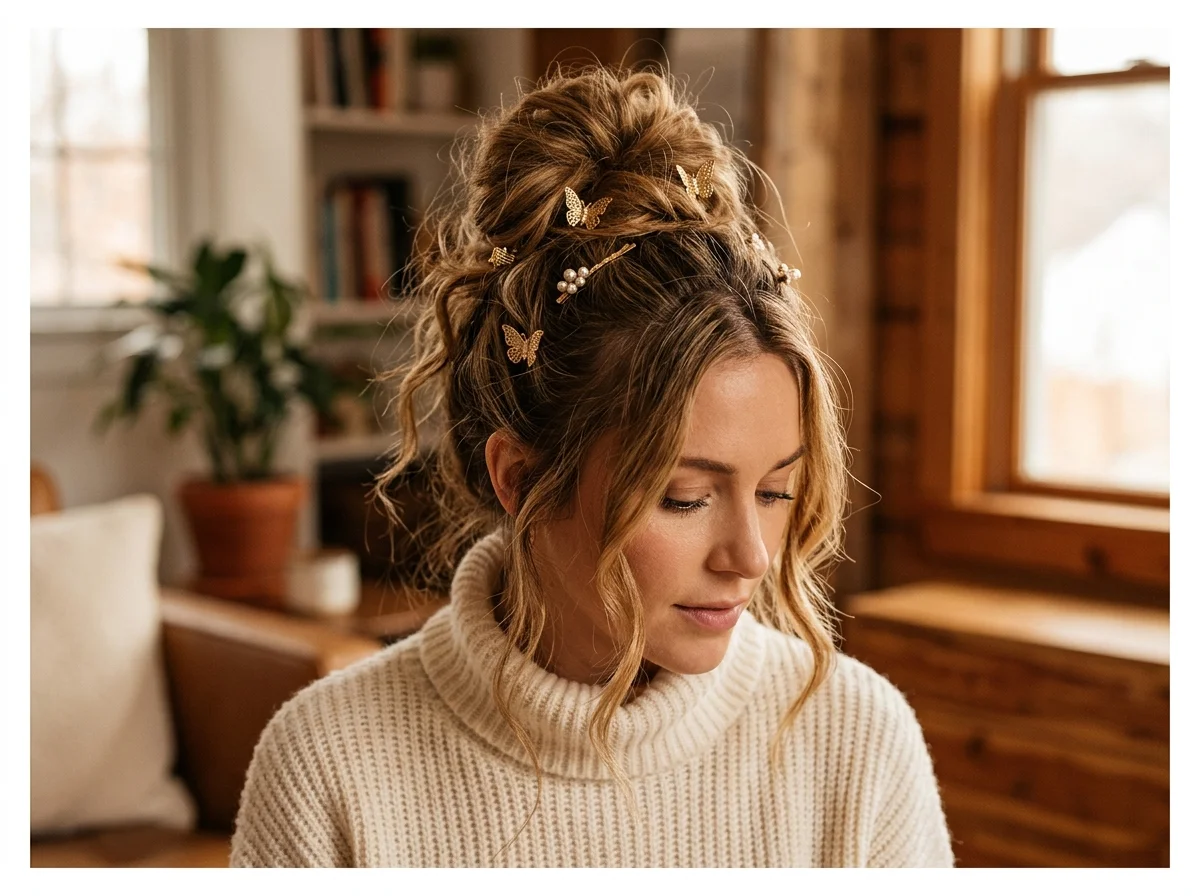
Brown hair has a lot of names right now, and they are not interchangeable. Knowing what makes mocha different will stop you from booking the wrong service and walking out with a colour you did not ask for.
Mocha vs Caramel: Which Is Warmer?
Caramel is lighter, warmer and higher contrast than mocha. It lifts the hair more, shows more brightness around the face, and it will turn brassy faster – which means more toning appointments. Mocha is deeper, more muted and lower contrast, so it grows out more softly and asks less of you between visits. Choose caramel if your skin is warm, you want a visible lift and you do not mind a gloss every four to six weeks. Choose mocha if you want richness without the upkeep, if your skin is fair or deep, or if your hair is fine – fine hair lifts faster and goes brassy more easily, so the gentler mocha is the safer choice. If you are torn, ask your colourist for mocha with caramel ribbons through the very ends only; you get the brightness where it shows and the low maintenance everywhere else.
Mocha vs Espresso: Which Is Deeper?
Espresso is the darkest option in the brunette family – near-black with the subtlest hint of brown. It is the lowest maintenance colour there is, because there is almost nothing to fade, and it is the right choice if you have very dark hair and want almost no visible change, just depth and shine. Mocha is a step lighter, with ribbons you can actually see in normal light. Choose espresso if you want your hair to look like the best version of its natural colour. Choose mocha if you want dimension that people notice. The bridge between the two is the espresso-and-mocha melt – shade 15 in this guide – which keeps espresso roots and melts them into mocha ends with no visible line. It is the colour most colourists recommend for first-timers, because it gives you the depth of espresso with the interest of mocha.
Two more comparisons worth knowing. Chocolate is flatter than mocha: it is a single deep brown with little dimension, so it can look heavy on fine hair and disappear on very dark hair, while mocha has the ribbons that keep it alive. Ombre is a different technique, not just a different colour: it has a visible transition from dark roots to light ends, while balayage has no line at all. If you like a strong, obvious change, ombre is your trend. If you like a colour people cannot quite place, mocha balayage is the one.
The Best Haircuts to Pair with Mocha Balayage
Colour and cut are a team, and mocha balayage is at its best on cuts that move. The right cut puts the ribbons where the light hits them; the wrong one hides them completely. If you are booking a colour appointment soon, consider refreshing your cut first, so your colourist can place the ribbons along the layers instead of guessing where they will fall.
Long layers are the classic partner for mocha balayage. Layers break the hair into pieces that catch the light at different angles, so every ribbon shows. They also keep long hair from looking heavy, which matters in winter when hats and scarves flatten everything. Ask for long, soft layers through the mid-lengths and ends rather than short, choppy ones, which can make the ribbons look disconnected.
The lob, or long bob, is the second-best partner. Face-framing pieces around the front carry the lightest ribbons, so the colour is visible from the front as well as the side, and the length is short enough to hold its shape without much styling. On medium bases, a lob with mocha ribbons is the cut-and-colour combination colourists say they are asked for most this winter.
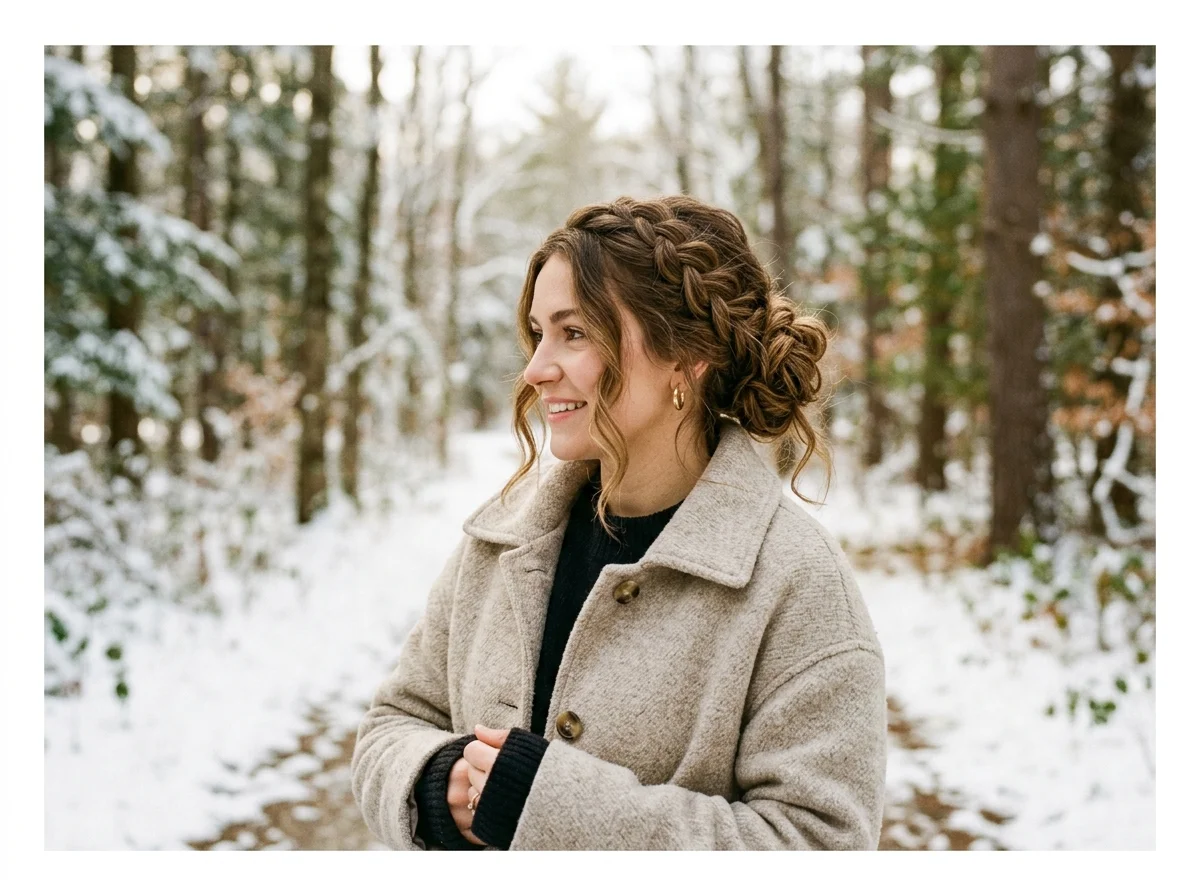
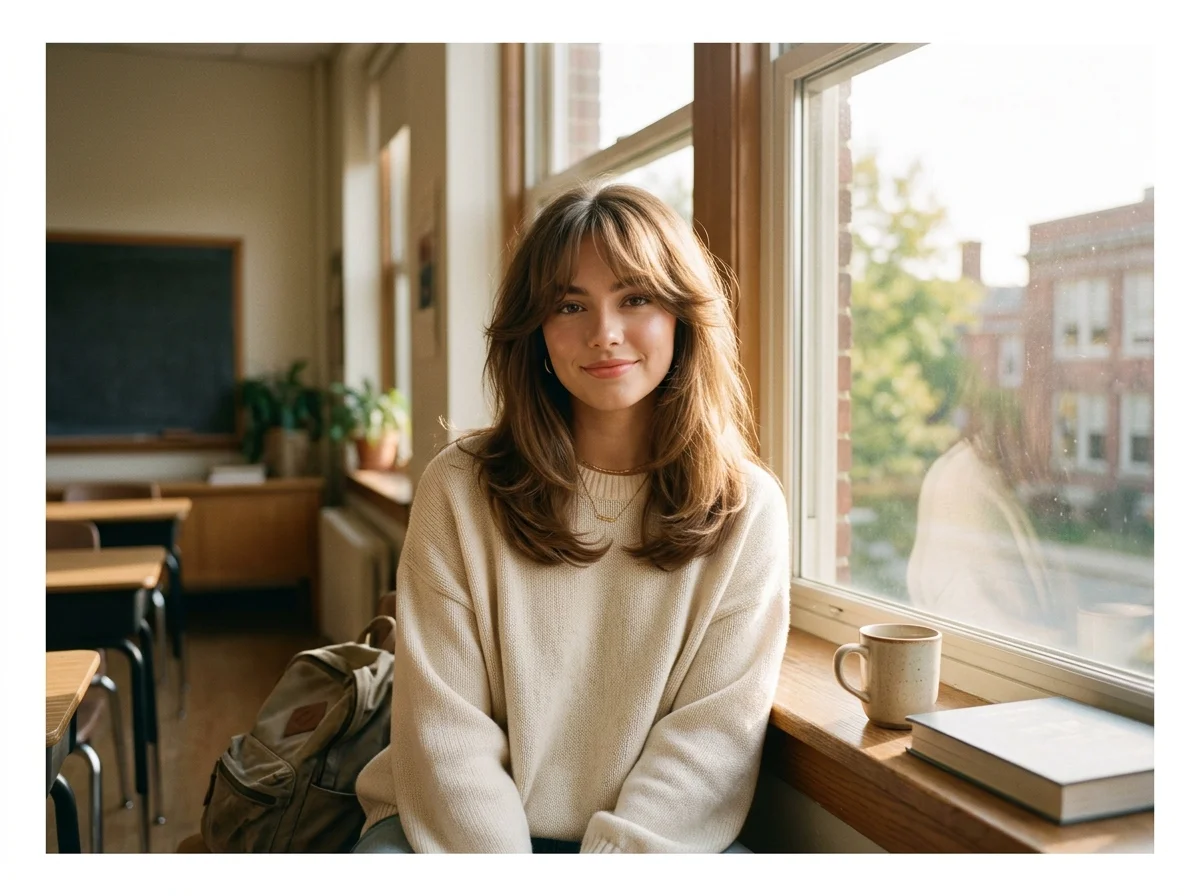
Curtain bangs are the third partner, and the one that makes the biggest difference around the face. A soft, face-framing fringe picks up the mocha at the front and brightens the whole face without lightening the rest of the hair. It is also the most forgiving fringe if you are growing your hair out, because it blends into layers as it grows. The photo below shows exactly how a soft curtain fringe frames the face and shows off warm brown dimension.
Textured ends are the finishing touch. Point-cut ends – where the stylist cuts into the ends rather than straight across – keep the ribbons from ending in a hard line, so the colour looks soft even on straight hair. And one honest warning: a super-blunt, one-length cut hides dimension, because there is nothing to break the colour up. If you love a blunt cut, ask your colourist to concentrate the ribbons at the ends and around the face, where they will still show. Very short crops hide ribbons too, though a pixie with a longer top can still carry mocha – if you are thinking shorter, our guide to short hairstyles for women over 60 with fine hair shows how the right short cut makes any colour look fuller.
What to Ask at the Salon
Walk in with the right words and you will walk out with the right hair. Say: mocha balayage, soft ribbons, no harsh lines, blended grow-out. Show two or three photos of mocha on a base colour like yours, and point at what you like – the ribbons, the root softness, the tone at the ends. Then ask five questions: how much lift will my base need, how many sessions to reach this shade, what toner will you use, what is the total price including the gloss, and what should I do at home between visits?
Watch for red flags. A colourist who promises a full transformation from near-black to iced mocha in one session is either going to over-process your hair or disappoint you. A colourist with no toner plan and no price before starting is one to walk away from. The best colourists will manage your expectations, show you the maintenance schedule, and tell you honestly when a shade needs two sessions. Ask also about the lightener strength being used and what the plan is if the first lift comes out warmer than expected – a professional always has a toning answer ready, and will tell you before they start.
Before you go, think about the cut you will pair with the colour. Small choices matter: a fresh trim before the colour means the ribbons are placed on the final shape, not on length that is about to be cut away. If you colour first and cut second, tell the stylist to keep the face-framing pieces longer – that is where the lightest ribbons live. And take these notes with you: the shade name, the tone group, and the maintenance interval you are happy with. A colourist who has all three can give you a result you will love and a plan you can keep.
If you want a full winter hair plan to go with your new colour, our winter hairstyles for long hair guide shows cuts and styles that flatter mocha tones, and the holiday hairstyles collection has party looks that show off dimension beautifully. For the festive season, an updo or a soft wave will make your new ribbons the centre of attention – and a gloss the week before a party is the cheapest way to make any colour look freshly done.
Frequently Asked Questions
Does mocha balayage need bleach?
Usually, yes – a lightener is needed to lift the ribbons on a dark or medium base, and then a mocha toner is applied to create the colour. On a medium brown base, a high-lift tint can sometimes do the job without bleach. Your colourist will decide after seeing your hair, and should be able to tell you the strength of the lightener and why it is right for your base.
How long does mocha balayage last?
The placement lasts for months, because there are no harsh regrowth lines. The tone needs a gloss every four to eight weeks for cool mochas, and every eight to twelve weeks for warm mochas. Most women rebook every eight to twelve weeks for a refresh, which is usually a gloss plus a few fresh ribbons rather than a full re-do. If you keep up with toning shampoo at home, you can often stretch the gap between visits by a few weeks.
Will mocha balayage go brassy?
Warm mochas can warm up over time, and cool mochas lose their ash tone – both are normal. A toning shampoo once a week and a gloss at the salon keep it in check. If your hair pulls very warm, ask for a cooler toner at the next visit, and ask your colourist whether a blue-based toner suits your base better than a violet one. Hard water and heat styling are the two biggest causes of brass, so a shower filter and a heat protector do more than most people expect.
Can I get mocha balayage on very dark hair?
Yes, with realistic expectations. The first session will be subtle – soft ribbons and depth rather than a big lightness change. A second session six to eight weeks later builds the lightness you see in the photos. The result on very dark hair is often the most expensive-looking of all, because the contrast is so soft. If you are unsure, start with the espresso-and-mocha melt, which is the gentlest entry point in this guide.
Save This for Later: Pin Your Shade Before Booking
Found your mocha? Save this guide to Pinterest so you can show your colourist exactly which shade you want.

Follow Nova Fashion on Pinterest for a new hair colour idea every day. And if you want the perfect words for your pin, try our free Pinterest Caption Generator – it writes a caption that matches your style in seconds.
Conclusion
Mocha balayage is the rare trend that suits almost everyone, grows out gracefully and looks more expensive every week you wear it. Pick your tone group – cool, warm or deep – save two or three shades, check the maintenance honestly, and walk into the salon with the exact words from this guide. Pair it with the right cut – long layers, a lob or curtain bangs – and the ribbons will show from every angle, in every light.
And when the colour is done, the cut matters just as much: if you are thinking shorter, our guide to short hairstyles for women over 60 with fine hair shows how the right cut makes any colour look fuller. Book the appointment. Save the shade. Enjoy the mocha.
Pingback: Cherry Cola Brunette Hair: 13 Deep, Glossy Shades for Winter Nova Fashion
Pingback: Lived-In Brunette Hair: 14 Low-Maintenance Colours That Grow Out Gracefully Nova Fashion