
Winter hair color ideas for dark skin tone start with a truth that every woman with deep skin already knows in her bones: winter colour looks richest on deep skin, when the shade is chosen for you. Rich, glossy colour against deep skin is one of the most beautiful combinations in winter fashion, because the contrast is natural, the shine is visible, and the right shade can make your skin look lit from within. The wrong shade, though, can look flat, ashy or dull, especially in cold, grey winter light. The difference is almost never the colour itself, it is the undertone, the depth and the finish.
This guide shares 14 winter hair colour ideas for dark skin tone that genuinely glow, from burgundy and plum to espresso, copper and rich chocolate, plus how to tell whether your undertone is warm, cool or neutral, how to add light without bleach damage, and why shine matters more in winter than in any other season. You will also find the colours to skip and the exact words to use with your colourist. Save the shades that glow, and show your colourist the exact one you love.
The Shades That Glow on Dark Skin
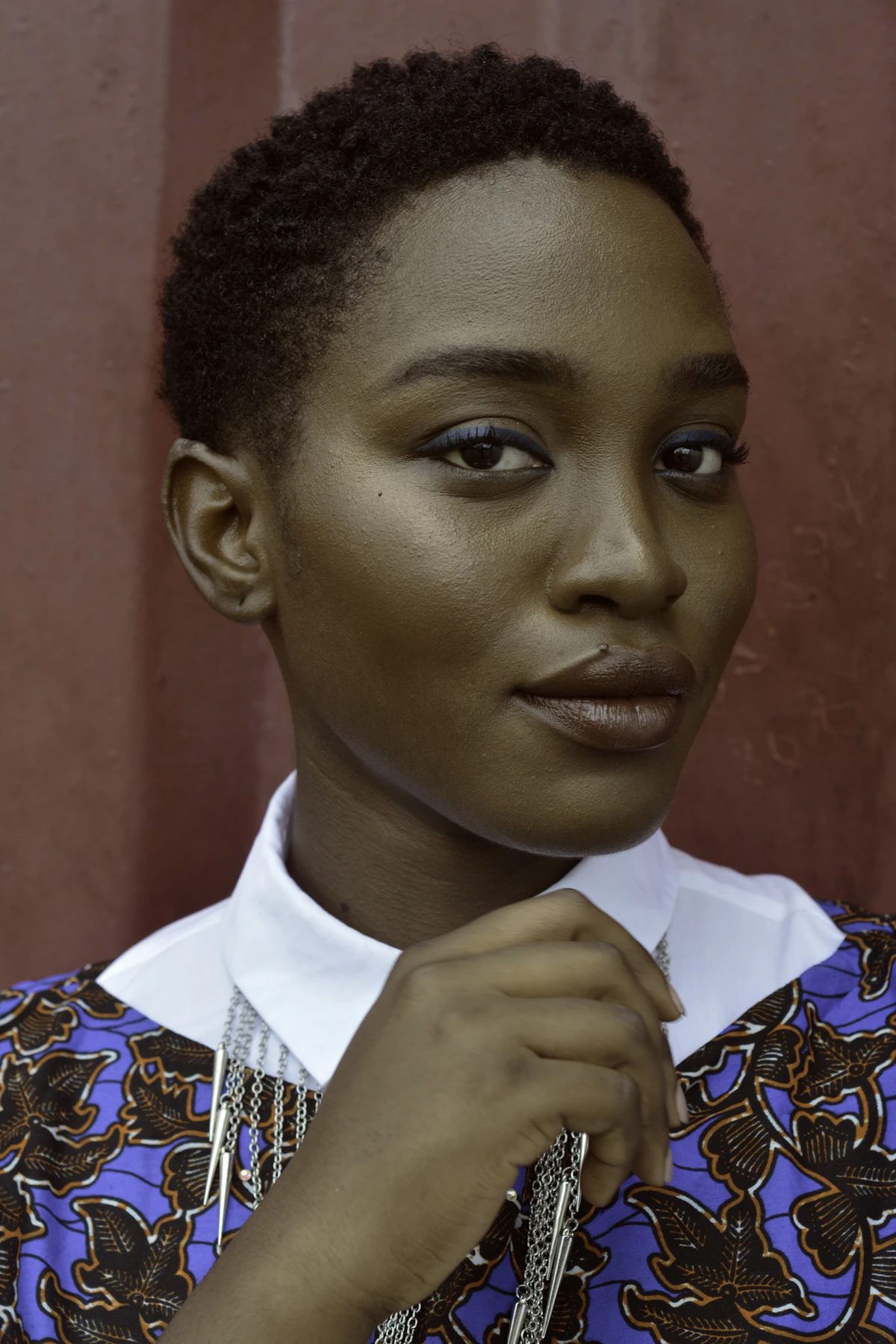
Deep skin can carry colour in a way that lighter skin simply cannot. Dark hair with a rich, glossy colour looks expensive because the hair itself becomes the accessory, catching light as you move. The shades that glow best share three qualities: they have depth, so they do not wash out; they have warmth or violet richness, so they complement golden and neutral undertones; and they have shine, because a glossy finish is what makes colour look healthy on deep skin. A flat, matte colour can look dull in winter, while the same shade with a gloss finish looks luminous. In this section, look for the family that matches your style, whether you want a bold red, a deep brunette, or a subtle lift that only shows in the light. Every shade below works without a full bleach, which is good news for the health of your hair, and every one of them looks its best in winter, when the colours around you are deeper and richer too.
Burgundy That Glows, Not Fights
Burgundy is the hero shade for dark skin in winter. Its violet-red base sits beautifully against deep, warm skin, and it shows up richly even on very dark hair, with no bleach needed. Ask for a deep burgundy with a gloss finish, and tell your colourist you want the red to read as wine, not orange. Black cherry is burgundy’s darker sister, and it is a wonderful choice if you want colour that is subtle indoors and dramatic in sunlight. Burgundy grows out gracefully, fades gracefully, and pairs perfectly with winter’s burgundy, navy and cream wardrobe. To keep it rich, wash with cool water, use a colour-safe shampoo, and book a gloss every six to eight weeks. If your hair is relaxed, coloured or fragile, tell your colourist, because the formula and the processing time will need to be gentler.
Plum and Wine for Deep Skin
Plum is burgundy’s softer, more mysterious cousin, and it is stunning on dark skin. It has a purple base that flatters both warm and cool undertones, and it reveals itself gradually, looking almost black in low light and beautifully violet in the sun. Wine is deeper still, a rich, dark red that looks like a good glass of red wine held up to the light. Both shades are ideal if you love red but want something more grown-up than a bright, fiery red. They work on short hair, where the colour frames the face, and on long hair, where the violet tones show as the hair moves. Ask for a plum or wine gloss over your natural base if you want a low-commitment version, or an all-over colour if you want the full effect. Either way, a gloss finish is essential, because it is the shine that makes plum look expensive rather than flat.

Espresso and Soft Black
Sometimes the most flattering colour is the one closest to your natural shade, done better. Espresso is a deep, cool brown that is almost black, with a glossy finish that makes dark hair look like polished silk. Soft black, with a cool gloss, is its bolder sister, and it looks extraordinary on deep skin, creating a clean, dramatic contrast that makes the eyes look brighter. The key to both is shine and evenness: ask for a gloss, not a flat colour, and ask your colourist to check the tone in daylight, because a black that pulls blue can look harsh, while a soft black with a warm gloss looks rich and healthy. Espresso and soft black are the lowest-maintenance shades in this guide, because regrowth is barely visible, and they are perfect if you want a winter refresh without a big change. A clear gloss every eight weeks will keep the shine, and a silk pillowcase will help prevent breakage in dry winter air.
Copper and Warm Highlights
Copper sounds like a warm-skin shade, and it is, but on dark skin it works best as an accent, not an all-over colour. Copper highlights, copper ribbons, or a copper balayage over a deep brown base add warmth and light exactly where you need it, around the face and through the ends, without overwhelming your skin tone. The trick is placement and proportion: keep the copper deep rather than bright, keep the face-framing pieces soft, and let your natural dark base do most of the work. A copper gloss is a gentler way to try the trend, because it washes out gradually and does not need bleach. If you love the idea of copper but you are nervous, ask for a few copper pieces underneath, where they peek out as your hair moves. That gives you the warmth and the glow, with none of the commitment of a full colour change.
Rich Chocolate With Dimension
Chocolate brown is a classic for dark skin, but the version that glows in winter is not a flat, single-process brown. It is a dimensional chocolate, with a deeper base and lighter chocolate ribbons through the mid-lengths and ends. Cherry chocolate adds a hint of red to the brown, which is beautiful on deep skin, while a cool chocolate with a violet gloss is better if your undertone is cool. Ask your colourist for dimension, not just colour: two or three tones of chocolate, painted or foiled through the hair, will look far more expensive than a single flat shade. Chocolate is also a wonderful base for burgundy or plum, because the red tones sit on top of the brown and deepen it, rather than fighting it. Keep chocolate glossy with a weekly mask and a gloss refresh, and it will look rich all winter.

Honey and Caramel Accents
Honey and caramel are the lightest shades in this guide, and on dark skin they work best as accents. A few honey face-framing pieces, or caramel ribbons through the ends, can lift the whole look and add warmth to the face without lightening all of your hair. The key is to keep the honey deep and golden, not pale and ashy, because a pale blonde accent can look stark against deep skin, while a rich honey looks like it belongs. Caramel balayage is the most popular way to wear this look, because it grows out softly and needs very little maintenance. Ask for a warm caramel, not a cool one, and ask your colourist to place the lightest pieces where the sun would naturally hit. At home, a colour-safe shampoo and a weekly mask will keep the caramel from turning brassy, and a gloss will keep it golden rather than orange.
Warm vs Cool Undertones on Dark Skin
Dark skin is not one undertone. Deep skin can be warm, with golden or yellow undertones; cool, with blue or red undertones; or neutral, with a balance of both. That is why two women with the same depth of skin can look completely different in the same hair colour. Warm undertones glow in burgundy, copper, honey and warm chocolate, because those shades echo the gold in the skin. Cool undertones glow in plum, wine, espresso and cool chocolate, because those shades echo the blue and red in the skin. Neutral undertones can wear almost anything, which is a gift, but they still look best when the colour has depth and shine. Do not assume your undertone from your skin depth alone. Use the tests below, and trust what you see in daylight, not under salon lights, which are often warm and flattering to everything.
How to Find Your Undertone
Look at the veins on the inside of your wrist in natural daylight. On deep skin, veins can be harder to see, so look closely: blue or purple veins suggest cool, green veins suggest warm, and a mix suggests neutral. Next, try the jewellery test. Hold silver and gold against your skin, near your face, in daylight. Silver usually looks cleaner and brighter on cool skin, gold looks richer and warmer on warm skin, and both look good on neutral skin. A third test is the white test: hold a pure white fabric and an off-white or cream fabric near your face. Pure white usually flatters cool skin, while cream flatters warm skin. If you wear foundation, look at the shade that matches you best: a yellow-based foundation suggests warm, a pink-based one suggests cool. Use two or three tests together, and if they disagree, you are probably neutral, which means you can borrow from both palettes in this guide.

Choosing Warm or Cool Reds
Red is the colour family where undertone matters most. Warm reds, like copper and auburn, have an orange base and flatter warm undertones beautifully. Cool reds, like burgundy, plum and wine, have a violet base and flatter cool undertones. If you are neutral, you can wear both, but burgundy and plum are the safest reds for almost everyone with deep skin, because their violet base complements both warm and cool skin. When you look at a red shade, ask yourself what you see first: if you see orange, it is warm; if you see purple or pink, it is cool. Bring a photo to your colourist and ask them to confirm the base, because a red that looks burgundy in the salon can look copper in daylight if the formula is wrong. A gloss in the right tone will correct it, so do not be afraid to ask for a toner adjustment before you leave.
When Neutral Undertones Win
If you have neutral undertones, winter is your playground. You can wear the warm honey and copper accents and the cool plum and espresso shades, and both will look good on you. The trick is to choose based on the rest of your look, not just your skin. If your wardrobe is full of navy, burgundy and plum, a cool shade will tie the look together. If you wear a lot of camel, gold and warm brown, a warm shade will feel more natural. Neutral skin also looks wonderful in dimensional colour, where warm and cool tones are mixed, for example a chocolate base with both caramel and plum ribbons. That kind of colour looks complex and expensive, and it moves beautifully in winter light. The one thing to avoid is a flat, single-tone colour, which can look dull on neutral skin. Ask for dimension, gloss and a tone that matches your wardrobe, and you will rarely go wrong.
Skin, Eyes and Hair Together
Your undertone is important, but it is not the whole story. Your eye colour and your natural hair colour matter too. Dark brown eyes look extraordinary with burgundy and plum, because the red tones pick up the warmth in the eyes. Black eyes look striking with espresso and soft black, because the contrast is clean and dramatic. If your natural hair is very dark, a colour that is close to your base, like espresso or black cherry, will look more natural and need less maintenance than a colour that needs a lot of lift. If your hair is already a medium brown, you have more options, because you can go lighter or darker without a big lift. The best colour is the one that works with all three, skin, eyes and hair, not just one of them. Bring photos of women with a similar combination to yours, and ask your colourist to be honest about what will work on your base.
Highlights That Add Light Without Bleach Damage
Highlights are a wonderful way to add light to dark hair, but they need to be done carefully, because bleach on dark hair can cause breakage if it is over-processed. The safest approach is to lift gently, in stages, and to stop before the hair is pale. A caramel or honey highlight only needs a few levels of lift, not a full bleach to blonde, and it will look richer and healthier as a result. Ask your colourist about a bond-building treatment, which protects the hair during lightening, and about a gloss or toner after the lift, which seals the cuticle and adds shine. If your hair is relaxed, colour-treated or already fragile, be extra careful, and consider a gloss or a semi-permanent colour instead of a permanent lift. The goal is light that looks like it belongs in your hair, not light that damages it.
Balayage Over Full Bleach
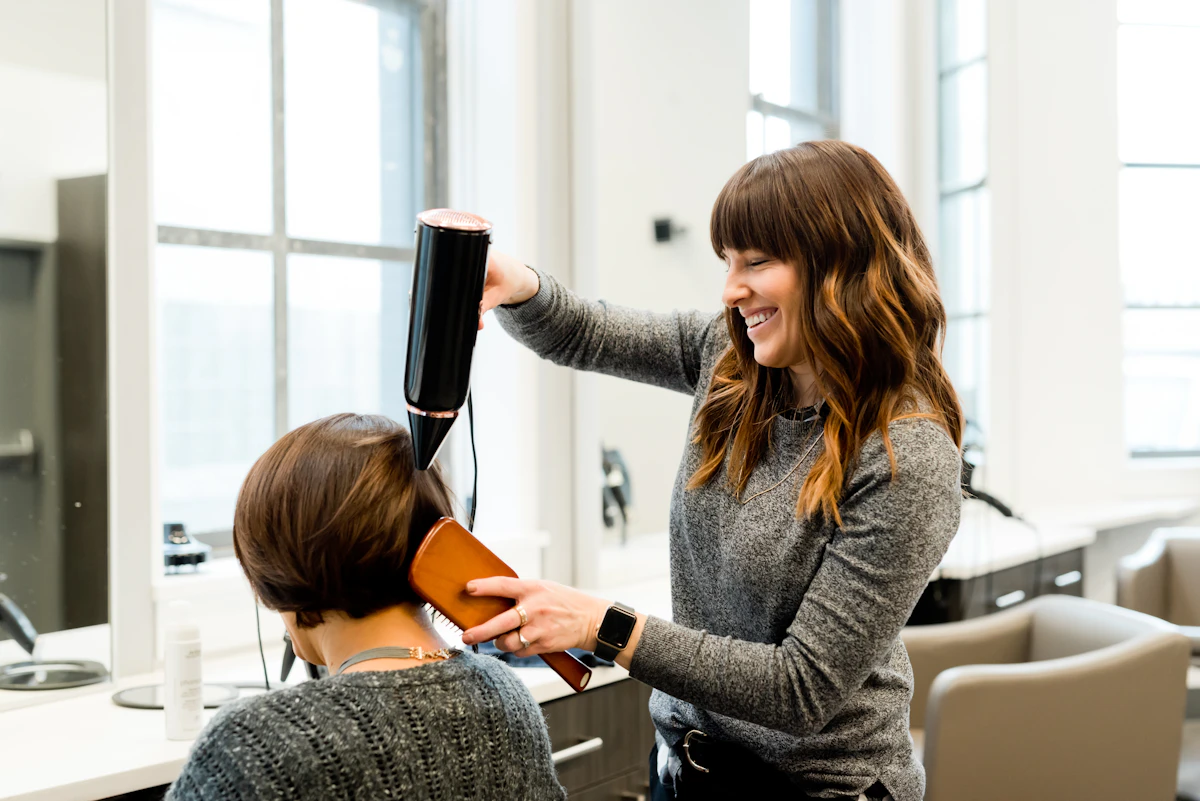
Balayage is the gentlest way to lighten dark hair, because the colour is painted on the surface, not saturated through the whole head, and the roots are left natural. That means less bleach, less damage, and a grow-out that is almost invisible. A caramel or burgundy balayage over a dark base is one of the most flattering winter looks for dark skin, because the light is concentrated at the ends, where it catches the light, and the face is framed by the natural dark colour. Ask for a balayage with a root shadow, so there is no harsh line, and a warm toner, if your undertone is warm, or a cool toner, if it is cool. Balayage needs a refresh every three to four months, not every six weeks, which makes it one of the lowest-maintenance ways to add light. It also works on curly and coily hair, where the painted pieces follow the curl pattern and look beautifully natural.
Gloss and Toner Instead of Lift
Sometimes you do not need to lift at all. A gloss or a toner can add light, warmth or coolness to dark hair without any bleach, by depositing colour on the surface of the hair. A burgundy gloss over dark brown hair will make it look burgundy in the light, a copper gloss will add warmth, and a clear gloss will simply add shine. These are semi-permanent, which means they wash out gradually over four to six weeks, and they are much gentler than a permanent colour. They are a brilliant option if your hair is fragile, if you are trying a new shade for the first time, or if you want a winter refresh without a commitment. Ask your colourist for a gloss in the shade you want, and tell them you want the effect to be visible in daylight, not just under salon lights. A gloss is also the perfect way to refresh a fading burgundy or plum between full appointments.
The Glossy Finish: Why Shine Matters More in Winter
In winter, shine is not a luxury, it is the whole point. Cold air, indoor heating and wool hats all dry the hair out, and dry hair looks dull, no matter how beautiful the colour is. On dark skin, shine is even more important, because a glossy finish is what makes the colour look rich and the skin look luminous. A matte colour can look flat and tired, while the same colour with a gloss looks healthy, expensive and intentional. To get shine, start in the salon with a gloss finish, and keep it at home with a weekly deep-conditioning mask, a leave-in conditioner, and a drop of hair oil on the ends. Use a silk or satin pillowcase, which reduces friction and breakage overnight, and a silk-lined hat in cold weather. When you style, finish with a cool shot from your dryer, which seals the cuticle and adds shine, and a shine spray if you need an instant boost. Shine is the difference between colour that looks done and colour that looks lived-in, and in winter, it is worth the effort.

Colours to Skip on Dark Skin
Most colours can work on dark skin with the right tone and placement, but a few are harder to wear. Very pale, ashy blonde can look stark and washed out against deep skin, especially if it is all-over and flat. A harsh, flat black with a blue cast can look draining, while a soft black with a warm gloss looks rich. Orange-reds and bright copper all over can clash with deep skin, because the orange pulls too much warmth and can make the skin look flushed. And a single, flat brown with no dimension can look dull in winter light. That does not mean you can never wear these shades, it means they need to be done carefully: a pale blonde as a money piece, not all over; a black with a gloss, not a flat colour; a copper as an accent, not a full head. If a shade looks wrong in daylight, trust your eyes. A good colourist will tell you honestly if a shade will not suit you, and will suggest the version that will.
The Shades That Can Look Flat
The shades that most often look flat on dark skin are the ones with no dimension and no shine. A flat brown, a flat black, or a flat red, with no variation in tone and no gloss, will look dull in winter, because winter light is already flat and grey. The fix is almost always dimension and gloss: add a ribbon of a lighter or deeper tone, add a gloss finish, and the same colour will suddenly look rich and alive. Another flat culprit is a colour that is too close to your skin tone, with no contrast at all. If your hair and your skin are the same depth and the same tone, the look can blend together and lose definition. A slightly deeper or slightly lighter shade, with a gloss, will create the contrast that makes both your hair and your skin look better. When in doubt, ask for dimension, and ask to see the colour in daylight before you leave the salon.
The 14 Shades at a Glance
Here are the 14 winter hair colour ideas for dark skin tone in one place, so you can save the list and show it to your colourist. One, deep burgundy. Two, black cherry. Three, plum. Four, wine. Five, espresso. Six, soft black with a warm gloss. Seven, rich chocolate with dimension. Eight, cherry chocolate. Nine, copper ribbons. Ten, caramel balayage. Eleven, honey face-framing pieces. Twelve, a burgundy gloss over dark brown. Thirteen, a plum balayage. Fourteen, a clear gloss over your natural colour, for shine alone. Notice the pattern: every shade has depth, richness and shine, and none of them is pale, flat or matte. That is what makes a colour glow on dark skin. Use this list as a starting point, and ask your colourist to mix a custom version for your exact skin tone, undertone and hair base. The best shade is the one that makes your skin look luminous in daylight, not just under salon lights.

Frequently Asked Questions About Winter Hair Colour for Dark Skin Tone
What winter hair colour looks best on dark skin? Burgundy, plum, wine, espresso, rich chocolate and caramel balayage are among the most flattering, because they have depth, richness and shine. The best choice depends on your undertone, warm or cool, and on how much maintenance you want.
Does burgundy suit dark skin? Yes, burgundy is one of the best shades for dark skin, because its violet-red base complements deep skin and shows up richly even on very dark hair, with no bleach needed. Black cherry and plum work just as well.
Can I get highlights without bleach damage? Yes, if you lift gently. A caramel or honey balayage only needs a few levels of lift, and a bond-building treatment and a gloss will protect the hair. A gloss or toner can also add light with no bleach at all.
How do I keep winter hair colour glossy? Use a weekly deep-conditioning mask, a leave-in conditioner, and a drop of hair oil on the ends. Book a gloss every six to eight weeks, use a silk pillowcase, and finish styling with a cool shot from your dryer.
What colours should dark skin avoid in winter? Very pale, flat ashy blonde all over, harsh blue-black, and bright orange-red all over can look flat or clash with deep skin. Wear them as accents, with dimension and gloss, rather than as an all-over flat colour.
Save the Shades That Glow
Winter colour looks richest on deep skin, and now you know how to choose it well. Start with your undertone, choose a shade from the 14 in this guide that matches your skin and your lifestyle, and take the exact shade to your colourist. Save the shades that glow, and show your colourist the exact one you love, because the right colour is not the trendiest one, it is the one that makes your skin look luminous. If you found this guide helpful, follow Nova Fashion on Pinterest for more winter hair colour ideas, seasonal shade guides and styling inspiration, and save this article to your winter hair board so you can find it again when your next appointment comes around. For more on keeping colour-treated hair healthy through winter, read our winter hair care routine for color-treated hair.

Love this guide? Save it for later! Save this pin on Pinterest and follow Nova Fashion for more winter hair ideas. Want to write your own perfect pin caption? Try the site’s free Pinterest Caption & Pin Generator to create a caption for your own pins in seconds.

Keep this guide close when you book your next appointment, and follow Nova Fashion on Pinterest for more winter hair colour ideas for dark skin, glossy finish tips and seasonal shade inspiration.
Pingback: Plum Hair Colour Ideas for Women With Dark Skin: 13 Winter Looks That Glow Nova Fashion