
Your winter hair care routine for color treated hair is the difference between a rich, glossy colour that turns heads all season and a dull, brassy fade that makes you wonder why you bothered paying for the dye in the first place. Winter is the season that quietly strips your colour, and it does it so gradually that most women only notice when they catch their reflection under harsh bathroom lighting and think, when did my hair get this flat?
The truth is that cold air, indoor heating, hot showers and hats all work together to pull pigment out of your hair, and colour-treated hair is far more vulnerable than virgin hair because the dye process lifts the cuticle and leaves it slightly open. Every wash, every blast of central heating and every freezing walk to the car gives colour another chance to escape. The good news is that a winter hair care routine for color treated hair does not need to be complicated or expensive. It needs to be consistent, gentle and built around keeping the cuticle closed, the moisture in and the pigment locked down.
This guide gives you twelve practical steps that work together as one routine, from the temperature of your shower to the gloss refresh that brings a tired colour back to life between appointments. You do not need to do all twelve from day one. Start with the wash routine and the mask, add one new habit each week, and by the time the coldest weeks arrive your colour will be behaving like it was freshly done.
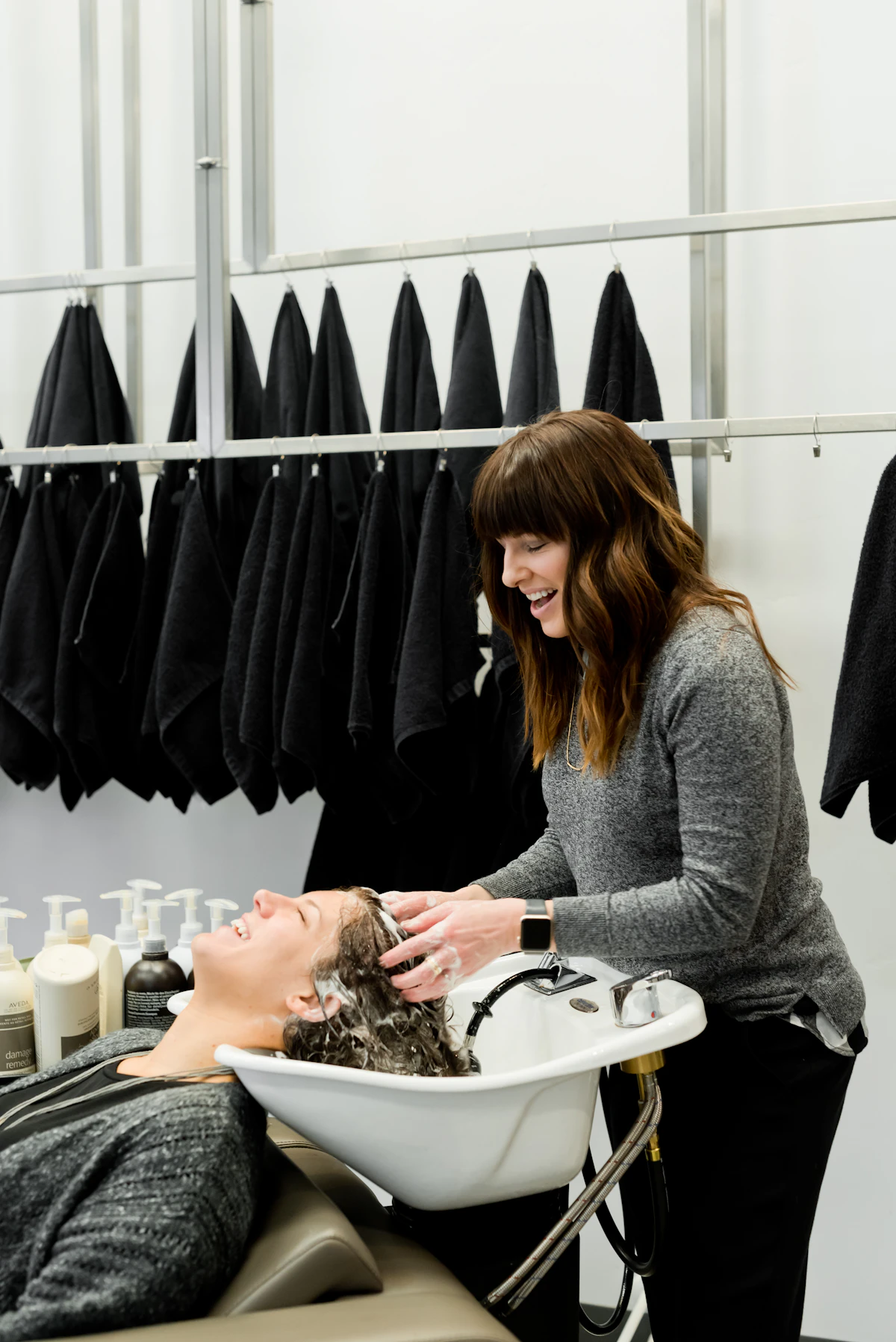
Why Winter Fades Colour Faster Than Any Other Season
Winter fades colour because it attacks your hair from both sides at once. Outside, cold air and wind strip moisture from the hair shaft, lifting the cuticle and letting pigment escape. Inside, central heating dries the air to desert levels, and the hot showers we all crave in January open the cuticle even further. Add a wool hat rubbing against the ends all day and you have friction, dryness and heat working as a team against your colour.
Colour-treated hair is already more porous than natural hair. The colouring process opens the cuticle so pigment can get in, and that cuticle never quite seals as tightly as it did before. In summer, humidity and warm air can actually help keep hair supple, but in winter the air holds almost no moisture, so hair loses water to the atmosphere and the cuticle stays raised. Raised cuticles mean colour molecules wash out faster, light reflects unevenly so hair looks dull, and the ends feel rough and tangled.
The other winter culprit is water temperature. A long, hot shower feels wonderful after a cold day, but hot water swells the hair shaft and opens the cuticle wide, and every extra minute under a steaming shower is another minute of colour rinsing away. Hard water makes it worse, because mineral deposits build up on colour-treated hair and leave it looking brassy and flat. Understanding why winter fades colour is the first step, because once you know the enemy you can choose habits that fight back instead of habits that help it along.
12 Steps to Keep Colour Rich All Season
These twelve steps are the complete winter hair care routine for color treated hair, arranged in the order you will actually use them, from wash day to the gloss refresh that saves a fading colour. Read them all first, then build your own version around your hair type, your colour and how often you wash. A woman with fine blonde highlights will lean harder on the purple shampoo and the mask, while a woman with dark brunette colour will lean harder on the gloss and the heat protection. The routine is a framework, not a rigid prescription.
Step 1: Wash Less Often and Let Your Colour Rest
The single most effective change you can make is to wash less often. Every shampoo, even a gentle one, removes a little colour, so stretching washes from every day to every two or three days can add weeks to the life of your colour. On non-wash days, use dry shampoo at the roots, wear your hair up, or simply brush it through and let your natural oils do their job. If your scalp feels oily by day two, a light dusting of dry shampoo at the roots before bed works better than a morning wash, because it absorbs oil overnight and gives you volume in the morning.
When you do wash, be quick and purposeful. Wet your hair, apply shampoo to the scalp only, massage gently for a minute, rinse, and move on. Scrubbing the lengths or leaving shampoo sitting on the ends is wasted effort and wasted colour, because the lengths do not need a deep clean. Your scalp produces the oil, so that is where the shampoo belongs. The ends just need a rinse and conditioner.
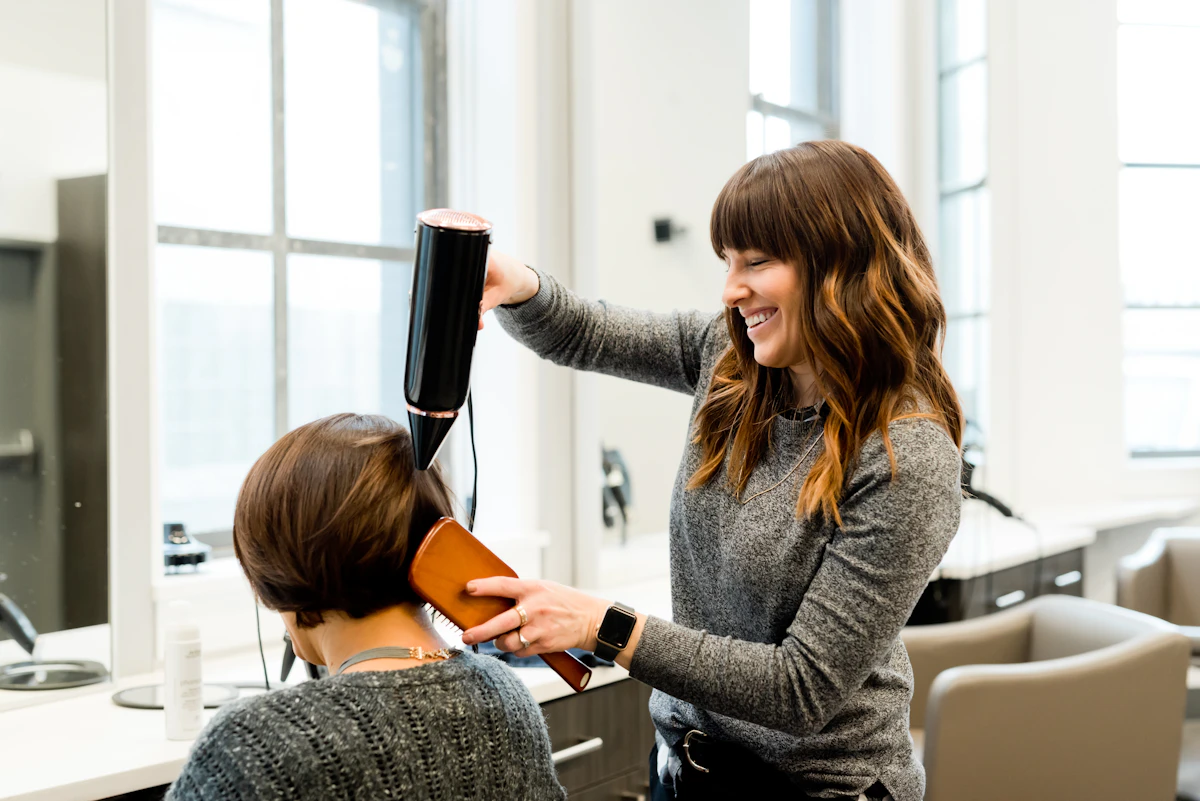
Step 2: Turn the Shower Down to Lukewarm
Lukewarm water is the unsung hero of colour care. Hot water opens the cuticle and lets pigment escape, while cool or lukewarm water keeps the cuticle flatter and seals colour in. You do not need an icy rinse to get the benefit, although a final blast of cool water really does add shine, because it smooths the cuticle and helps light reflect evenly. Aim for water that feels comfortable on your wrist rather than steaming, and finish with the coolest rinse you can tolerate for ten seconds.
If you cannot face a cool rinse in January, compromise by washing your hair in lukewarm water and keeping the rest of your shower hot. You can even wash your hair over the bath or in the sink if that helps you control the temperature. The point is not to suffer, it is to stop giving your colour a hot-water bath every single wash. Over a whole winter, that one change can be the difference between colour that lasts six weeks and colour that fades in three.
Step 3: Choose a Sulfate-Free Shampoo Made for Colour
Your shampoo matters more in winter than at any other time of year, because a harsh shampoo strips both colour and moisture at once. Choose a sulfate-free shampoo that is specifically labelled for colour-treated hair, and look for words like colour protect, colour care or colour safe on the bottle. Sulfates are the foaming agents that make shampoo feel rich and bubbly, but they are also the agents that lift pigment out of the hair, so a low-lather or sulfate-free formula is a kindness to your colour.
Use less than you think you need. A coin-sized amount is usually enough for short to medium hair, and a little more for long hair. Apply it to the scalp, work it in with your fingertips rather than your nails, and rinse thoroughly. If your hair does not feel clean after one wash, do a second, lighter wash rather than piling on more product the first time. And keep the shampoo away from your ends, which are the oldest and most porous part of your hair and the first place colour fades.
The Wash Routine: How Often and How Hot
The wash routine is where colour is won or lost, and it is also where most women make the same small mistakes without realising it. Hot water, daily washing and rough towel-drying all add up over a winter, and by February the colour that looked rich in November has gone flat and brassy. A good winter wash routine is slower, cooler and kinder, and it treats the hair like fabric you want to keep, not like a surface you need to scrub.
Think of each wash as a small event with a purpose. You are removing sweat and styling product from the scalp, not stripping the lengths bare. The lengths only need a gentle rinse and a good conditioner, because they do not produce oil and they do not get dirty the way a scalp does. Once you shift your thinking from washing all of your hair to washing your scalp and conditioning your lengths, everything about your colour starts lasting longer.
Step 4: Condition Only the Lengths and Ends
Conditioner belongs on the lengths and ends, never on the scalp. Apply it from the ears down, work it through with your fingers, and leave it on for two or three minutes while you finish your shower. That waiting time matters, because conditioner needs a moment to smooth the cuticle and seal in moisture, and a rushed rinse wastes half the product. Choose a conditioner made for colour-treated hair, ideally from the same range as your shampoo, because the two are formulated to work together.
In winter, your ends need extra help, so do not be shy with conditioner on the bottom few inches. If your hair is fine and gets weighed down easily, use a lighter conditioner and rinse thoroughly, but never skip it altogether. Colour-treated hair without conditioner is like skin without moisturiser in January: it gets dry, rough and dull, and it starts to break. A good conditioner also makes detangling easier, which means less breakage and less colour loss from damaged ends.

Step 5: Detangle Gently While Hair Is Damp
Wet hair is fragile hair, and colour-treated hair is more fragile still, because the dye process has already weakened the shaft. Never drag a fine-toothed comb or a brush through soaking wet hair. Instead, detangle gently with a wide-toothed comb or your fingers while the conditioner is still in, starting at the ends and working your way up in short sections. That way you are working with the conditioner as a lubricant instead of fighting knots dry.
After rinsing, squeeze water out with your hands, then wrap your hair in a soft cotton T-shirt or a microfibre towel instead of a rough bath towel. Rubbing with a terry towel roughs up the cuticle, creates frizz and snaps fragile colour-treated ends. Patting and squeezing is slower but kinder, and your colour will thank you for it. If you must use a towel, choose one made for hair, and never twist your hair up tightly in it for twenty minutes, because that stretches wet hair past its breaking point.
Shampoo and Conditioner Rules for Colour Treated Hair
Shampoo and conditioner are not just cleaning products, they are the foundation of your whole winter hair care routine for color treated hair, and getting them right makes every other step work better. The right pair protects colour, adds moisture and keeps the cuticle smooth, while the wrong pair can undo a salon colour in a matter of weeks. Winter is the time to be picky, because your hair is already under stress from the cold and the heating.
The simplest rule is this: if a product is not labelled for colour-treated hair, do not use it on colour-treated hair. Clarifying shampoos, dandruff shampoos and volumising shampoos are all designed to strip or lift, which is the opposite of what colour needs. Keep a clarifying shampoo in the cupboard for the rare occasion you need a deep clean before a colour appointment, and use your colour-safe pair for everything else.
Step 6: Layer a Leave-In Conditioner Before You Go Out
A leave-in conditioner is your hair’s winter coat. After washing, apply a small amount to damp hair from the mid-lengths to the ends, and it will keep working all day, sealing in moisture and shielding the cuticle from cold air, wind and hat friction. Look for a leave-in with heat protection built in, so the same product guards your colour when you blow-dry and when you step outside into freezing air.
Less is more with leave-ins, especially on fine hair. Start with a pea-sized amount, warm it between your palms, smooth it over the lengths, and add a little more only if the ends still feel dry. If your hair is thick or curly, you can be more generous, and you can layer a light oil over the leave-in to lock everything in. The goal is hair that feels soft and flexible, not coated or heavy, and you will know you have it right when your ends stop catching on your scarf.

Step 7: Protect Your Hair from Hats, Scarves and Friction
Hats and scarves are essential in winter, but they are also a hidden cause of colour fade and breakage, because wool and rough fabrics rub against the hair all day and lift the cuticle. The fix is simple: wear a silk or satin lining inside your hat, or tie a silk scarf over your hair before you put the hat on. Silk is smooth, so it lets hair glide instead of catching, and it does not absorb moisture the way wool does.
How you wear your hair under a hat matters too. A low, loose braid or a soft low bun keeps the ends tucked away and stops them from rubbing against a coat collar all day, while hair worn loose under a hat gets flattened, tangled and frizzy. If you love your hat, keep loving it, just give your hair a smooth layer between it and the wool. And when you take your hat off indoors, shake your hair out gently and run your fingers through it rather than brushing it hard, which only adds static and frizz.
The Weekly Mask: Your Colour’s Best Friend
If there is one step that transforms colour-treated hair in winter, it is the weekly mask. A deep conditioning mask once a week replaces the moisture that cold air and heating steal, smooths the cuticle so colour stays locked in, and leaves hair feeling like it did the day you left the salon. Think of it as a weekly reset: one quiet twenty minutes that pays off for the next six days.
The best time for a mask is on wash day, after shampooing and before your regular conditioner, or in place of it. Apply it generously to damp hair from the mid-lengths to the ends, comb it through with a wide-toothed comb, and leave it on for at least ten minutes. If you have time, wrap your hair in a warm towel or put on a shower cap, because gentle heat helps the mask penetrate. Rinse with lukewarm water and finish with a cool splash for extra shine.
Step 8: Do a Deep Conditioning Mask Every Week
Choose a mask made for colour-treated or damaged hair, and look for ingredients like shea butter, argan oil, keratin or hyaluronic acid, which all help restore moisture and strength. Avoid masks with heavy silicones that only coat the hair, because they can build up and make colour look dull over time. A good mask should leave your hair feeling soft and supple after rinsing, not slippery or weighed down.
Make the mask a ritual you actually enjoy. Put it on before you have a bath, while you read, or while you do your Sunday skincare routine, and let it work while you relax. Consistency matters more than the brand: a mid-priced mask used every single week will beat an expensive mask used once a month. If your hair is very dry or very damaged, you can mask twice a week until it recovers, then drop back to once a week for maintenance. Your colour will look richer, your ends will feel smoother, and your hair will be far less likely to snap when you brush it.

Heat Styling Without Fading Your Colour
Heat styling is a fact of life in winter, because nobody wants to leave the house with wet hair in freezing weather, and a blow-dry is often the only way to look polished. The problem is that heat opens the cuticle and fades colour, especially when it is applied to hair that is already dry and porous from winter air. The answer is not to give up styling altogether, it is to use heat wisely, protect the hair first, and give it regular breaks.
The biggest mistake is using the hottest setting on every tool for every style. Most hair only needs medium heat to dry and style well, and the hottest setting is rarely necessary unless your hair is very thick and resistant. Turn the dryer down one notch, keep it moving instead of holding it in one place, and hold it at least six inches from your hair. Small changes like these add up to a real difference in how long your colour lasts.
Step 9: Always Use a Heat Protectant First
A heat protectant is non-negotiable for colour-treated hair in winter. It forms a light barrier between your hair and the heat, slows down moisture loss, and keeps the cuticle smoother so colour stays sealed in. Apply it to damp hair before blow-drying, and again to dry hair before using straighteners or curling irons, because the second application protects the lengths that take the most direct heat.
Sprays work well for fine hair because they are light and distribute evenly, while creams suit thicker or curlier hair because they add moisture as well as protection. Whichever you choose, make sure it is labelled as a heat protectant and use it every single time you apply heat, even if you are only touching up one section. Skipping it once in a while feels harmless, but heat damage is cumulative, and colour-treated hair that has been repeatedly heated without protection becomes dry, porous and quick to fade.

Step 10: Air-Dry When You Can and Turn the Tools Down
Give your hair regular heat-free days. If you work from home, wash your hair in the morning and let it air-dry while you get on with your day, then style it once it is dry. If you go out, a loose braid or a soft bun while hair air-dries gives you gentle waves without any heat at all. Even two or three heat-free days a week will slow down colour fade noticeably.
When you do use hot tools, turn them down. A straightener at 180 degrees will style most hair perfectly well, and a curling iron at a medium setting will hold a curl if you let it cool in your hand before you let it drop. Hold each section for a few seconds rather than clamping down for a long time, and never go over the same section twice, because the second pass does far more damage than the first. If your hair smells scorched or feels crunchy after styling, the tool is too hot, and your colour is paying the price.
The Gloss Refresh: Bringing Tired Colour Back to Life
Even the best routine cannot stop colour from softening over time, and that is where a gloss refresh comes in. A gloss or toner refreshes pigment, adds shine and evens out tone without the commitment of a full colour appointment, and it is the secret weapon that keeps colour looking freshly done between salon visits. You can get one at the salon or use an at-home gloss, and either way it is the fastest way to rescue a colour that has gone dull or brassy.
Step 11: Refresh with a Gloss or Toner Every Four to Six Weeks
Book a gloss refresh about halfway between full colour appointments, or roughly every four to six weeks in winter. A salon gloss takes twenty minutes, costs far less than a full colour, and leaves hair shinier and more vibrant. If you prefer an at-home option, choose a colour-depositing gloss or a tinted conditioner that matches your shade, and follow the instructions exactly, because leaving it on too long can shift the tone.

Step 12: Book a Colour-Saving Salon Visit Before the Coldest Weeks
Do not wait until your colour is faded to see your stylist. Book a check-in before the coldest weeks arrive, and ask for a trim, a gloss and an honest assessment of how your colour is holding up. A small trim removes split ends that make colour look ragged, a gloss refreshes the tone, and your stylist can adjust your routine for the season. If your colour needs a top-up, doing it before the deep cold means it will look its best when you need it most. For more ideas on repairing winter damage, read our winter hair care routine for dry, damaged hair, and if your hair is wavy or curly, our winter curly routine for wavy hair pairs perfectly with these colour-saving steps.

Winter Hair Care Routine for Color Treated Hair: FAQ
How often should I wash color treated hair in winter? Two or three times a week is ideal for most women. Washing less often keeps colour in longer, and dry shampoo on the roots covers the days between washes. If your scalp is very oily, try a gentle colour-safe shampoo and a cool rinse rather than washing daily.
Does cold weather really fade hair colour? Yes, cold air and indoor heating both dry the hair out, lift the cuticle and let pigment escape. Hats add friction, and hot showers open the cuticle further. A routine built around lukewarm water, leave-in conditioner and a weekly mask is the best defence.
Can I use purple shampoo on color treated hair in winter? Yes, if your hair is blonde, silver or highlighted, a purple shampoo once a week keeps brassiness away. Use it sparingly, because overuse can leave a purple cast, and always follow it with a good conditioner or mask.

Love this routine? Save it to Pinterest so you can find it again when winter really bites. Save this pin on Pinterest and share it with a friend whose colour is fading too. Want to write your own perfect pin caption? Try our free Pinterest Caption & Pin Generator to create a caption for your own hair care pins in seconds.
Your colour does not have to fade just because winter has arrived. Start with the wash routine, add the mask, protect your hair from heat and hats, and refresh the gloss when it starts to look tired. Twelve small steps, done consistently, will carry your colour through the coldest months looking rich, glossy and freshly done. Follow Nova Fashion on Pinterest for more winter hair care ideas, colour inspiration and seasonal routines that actually work, and make this the winter your colour stays beautiful from the first snowfall to the first signs of spring.
Still deciding how to wear your colour this winter? A good routine keeps every style looking glossy, from soft curls to a sleek topknot, so choose the look that suits your day and let the care routine do the quiet work underneath.


Pingback: Winter Hair Colour Ideas for Cool Skin Tone: 14 Shades That Flatter You Nova Fashion
Pingback: Milk Chocolate Babylights Hair Color Ideas for Brunettes: 13 Soft Winter Lights Nova Fashion
Pingback: Cranberry Red Hair Color Ideas for Women: 13 Rich Winter Shades That Feel Festive, Not Costume Nova Fashion