
If your bleached hair turns to straw the moment the temperature drops, you are not imagining it. A winter hair care routine for bleached hair is not a luxury — it is the difference between bright, soft, bouncy blonde and dull, brittle ends that snap every time you pick up a brush. Between the cold air outside, the dry heat inside, wool scarves, static, and beanies, winter is basically an obstacle course for lightened hair, and bleached hair is already running it with a disadvantage.
The good news is that you do not need a salon appointment every week or a shelf full of expensive products to get through the season with your blonde intact. You need a routine that works with bleached hair instead of against it: gentler washing, deeper moisture, smarter heat habits, and a little patience. Below are 13 winter hair care routines for bleached hair that actually fit real life. Each one is practical, affordable, and easy to start tonight. Pick three, try them for two weeks, then add more as they become habit — your hair will thank you by February.
In this guide we will look at why winter is so hard on bleached hair, the golden rules that make every other step work better, and then the 13 routines themselves, grouped into bond repair and moisture, wash day wisdom, and overnight care and styling. There is also a short FAQ at the end for the questions every blonde asks in January. Everything here is written for real life: no 12-step wash day, no products you cannot find at a drugstore, and no miracle promises — just habits that keep bleached hair soft, bright, and strong all winter.

Why Winter Is the Hardest Season for Bleached Hair
Bleaching works by lifting the hair’s cuticle and removing its natural pigment, which leaves the strand more porous than virgin hair. Porous hair loses moisture fast, and winter air is dry — cold air outside holds very little humidity, and heated air inside is even drier. The result is a constant moisture drain that leaves bleached hair feeling rough, looking dull, and tangling at the slightest provocation. Add friction from wool scarves, coat collars, and beanies, and you have a recipe for breakage right where your hair rubs the most, usually at the nape and the ends.
You will know your routine needs a reset when your ends feel like straw, your brush fills with broken pieces, your blonde turns brassy or yellow, and static makes your hair float in every direction. An itchy, tight scalp is another winter giveaway, and so are ends that split almost as soon as you trim them. None of this means your blonde is ruined — it means your hair is asking for a different kind of care. If your color is the main concern, our guide to a winter hair care routine for color treated hair covers keeping tone rich between appointments, while the routines below rebuild strength and softness day by day.
Static deserves a special mention, because it is the winter problem bleached hair suffers most. Dry air plus synthetic scarves and hats builds up an electrical charge that makes fine blonde hair fly away and tangle. A leave-in conditioner, a drop of oil on the ends, and a silk-lined hat all reduce static, and they work better together than any one of them alone. Think of winter hair care as a system: moisture in, friction down, heat low, and protection on — and the static mostly takes care of itself.

The Golden Rules of a Winter Hair Care Routine for Bleached Hair
Before the thirteen routines, lock in five golden rules. First, moisture comes before everything: every product and habit should either add moisture or protect the moisture you have. Second, wash less and condition more — bleached hair rarely needs daily shampooing, but it almost always needs daily conditioning. Third, treat heat like a sometimes food: useful in small doses, damaging as a daily habit. Fourth, protect your hair from friction the way you protect your skin from the cold — silk, satin, and loose styles beat rough wool every time.
Fifth, use purple shampoo as a tool, not a daily habit: once a week keeps brassiness away without drying your hair out. And a bonus rule that underpins all the others: be consistent. Bleached hair rewards routine. A mask used once will not transform your hair, but a mask used every Sunday for six weeks absolutely will. Keep your routine simple enough to repeat, and let the results build. If a routine feels like a chore, simplify it until it fits your life — a small routine you actually do beats a perfect routine you abandon by the second week.

Routines 1–5: Bond Repair and Deep Moisture
Bleached hair is, at its core, hair with a damaged internal structure. The first five routines rebuild that structure and flood it with moisture — they are the foundation everything else stands on. Start here, even if you change nothing else, because washing and styling tricks cannot fix hair that is dry and weakened from the inside out.
1. Start With a Bond-Building Treatment
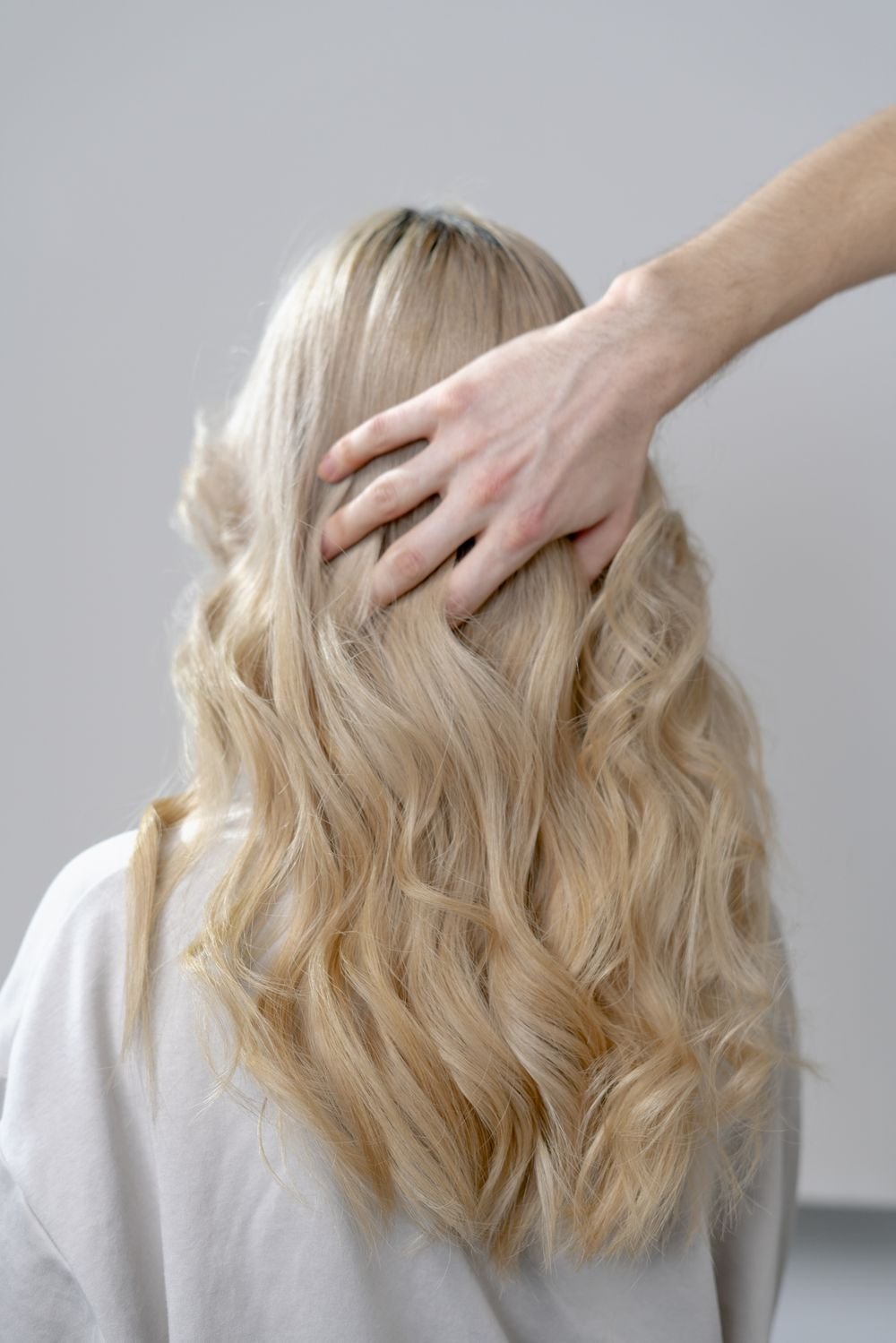
Bond builders are the single most useful product category for bleached hair, and winter is when they earn their keep. Bleaching breaks the disulfide bonds inside each strand, and bond-building treatments — the leave-in or rinse-out kind you use once or twice a week — help reconnect them. Use one after shampooing on damp hair, leave it on for at least ten minutes, longer if your hair is very damaged, and follow with conditioner. The difference is not instant, but after three or four uses most people notice less snapping when they brush and ends that feel smoother instead of crispy. Choose a formula made for bleached or highlighted hair, and do not stack three bond products at once — one good one, used regularly, beats a shelf of half-used bottles. If your hair feels stiff or straw-like after a bond treatment, follow it with a moisturizing mask, because strength and softness need to be balanced: too much protein without moisture can make hair feel rigid.
2. Swap to a Weekly Reparative Hair Mask
A weekly mask is the backbone of any winter hair care routine for bleached hair. Pick a rich, reparative mask with ingredients like shea butter, ceramides, or hydrolyzed keratin, and use it in place of your regular conditioner once a week. Apply it from mid-length to ends — never glob it on your roots — comb it through with a wide-tooth comb, and leave it on for ten to twenty minutes. For a deeper treatment, wrap your hair in a warm towel or a shower cap while the mask works; the gentle heat helps it penetrate. Rinse with lukewarm water and finish with a cool splash. If your hair is fine, choose a mask labelled lightweight or fine hair so you get the repair without the flat, heavy feeling. And if your hair is very damaged, do the mask twice a week until it starts to feel like hair again, then drop back to once a week for maintenance.
3. Seal in Moisture With a Lightweight Hair Oil
Hair oil is not about making your hair greasy — it is about sealing the moisture your mask just added. On damp hair, warm two or three drops of a lightweight oil such as argan, jojoba, or camellia between your palms and smooth it over the mid-lengths and ends. On dry hair, use a single drop to tame flyaways and add shine. Bleached hair drinks oil in winter because the lifted cuticle lets moisture escape; a thin oil layer slows that loss for hours. The trick is the amount: start with less than you think you need, because you can always add another drop, but you cannot easily remove too much without washing again. Apply oil to the ends first, where bleached hair is oldest and driest, and work upward only as far as your hair needs it — the roots rarely need any help.
4. Add a Leave-In Conditioner Every Single Day
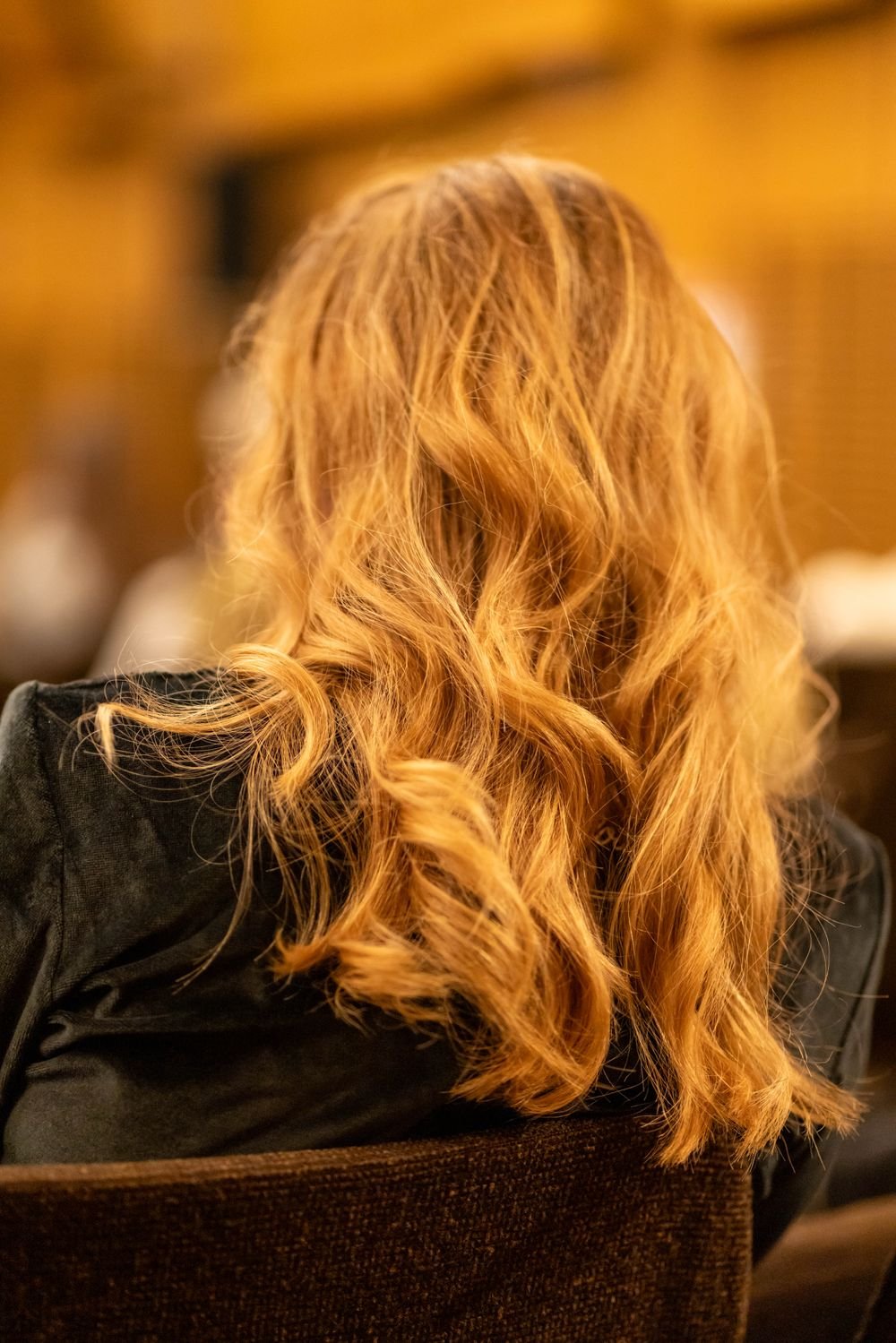
If you only adopt one routine from this list, make it this one. A leave-in conditioner is daily armor for bleached hair: it detangles, adds a layer of moisture, and gives heat tools and scarves less to fight against. Spray or smooth it through damp hair after every wash, and keep a small bottle in your bag for a midday refresh on dry ends. Look for a leave-in with UV and heat protection built in, so one product does two jobs. Fine-haired blondes should choose a spray or a light milk rather than a thick cream, and apply it mainly to the ends where bleached hair is oldest and driest. On non-wash days, a light mist over the lengths is enough to calm frizz and make your hair feel cared for without a full wash.
5. Try a Pre-Shampoo Oil Soak Before Wash Day
Once a week, before you wash, give your hair a head start. Warm a tablespoon of coconut, olive, or sweet almond oil, work it through the lengths and ends, and leave it for at least thirty minutes — or overnight under a shower cap if your hair is very dry. Then shampoo as usual, twice if needed to remove the oil. This pre-wash soak does two things: it keeps shampoo from stripping the little moisture bleached hair holds, and it makes detangling after the shower dramatically easier. If coconut oil feels too heavy for your hair, jojoba is the lightest option and the closest to your scalp’s own sebum. Do this the night before a wash day and you will notice the difference the next morning: hair that combs through in seconds instead of minutes.
Routines 6–9: Wash Day Wisdom for Bleached Hair
How you wash matters as much as what you wash with. These four routines turn wash day from the most damaging part of your week into the most restorative one. They are simple changes — cooler water, fewer washes, better shampoo — but for bleached hair they add up to visibly healthier lengths within a month.

6. Wash Less Often — and With Lukewarm Water
Every wash strips a little natural oil, and bleached hair cannot afford to lose much. Stretch your washes to two or three times a week if you can, and use dry shampoo at the roots on the days in between. When you do wash, use lukewarm water, never hot: hot water swells the hair shaft, lifts the cuticle further, and lets color and moisture escape faster. It also fades toner quickly, which is why blonde can look brassier after a few very hot showers. Lukewarm feels less luxurious in January, but your hair will look noticeably better for it — and your toner will last longer between appointments. On non-wash days, a quick rinse with lukewarm water and a little conditioner on the ends can refresh your style without a full shampoo.
7. Use a Sulfate-Free, Purple-Toned Shampoo
Your shampoo choice is where brassiness is won or lost. A sulfate-free shampoo cleans without the harsh stripping that makes bleached hair feel like straw, and a purple-toned shampoo once a week neutralizes the yellow tones that creep in during winter. The key is rotation: use your gentle sulfate-free shampoo for most washes, and swap in the purple shampoo once a week, leaving it on for two to three minutes before rinsing. Daily purple shampoo over-tones and dries hair out, leaving a dull lavender-grey cast. If your hair turns slightly ashy, skip the purple for a week and let your natural warmth come back. And always follow purple shampoo with a good conditioner or mask, because toning shampoos are more drying than regular ones.
8. Double-Condition the Ends
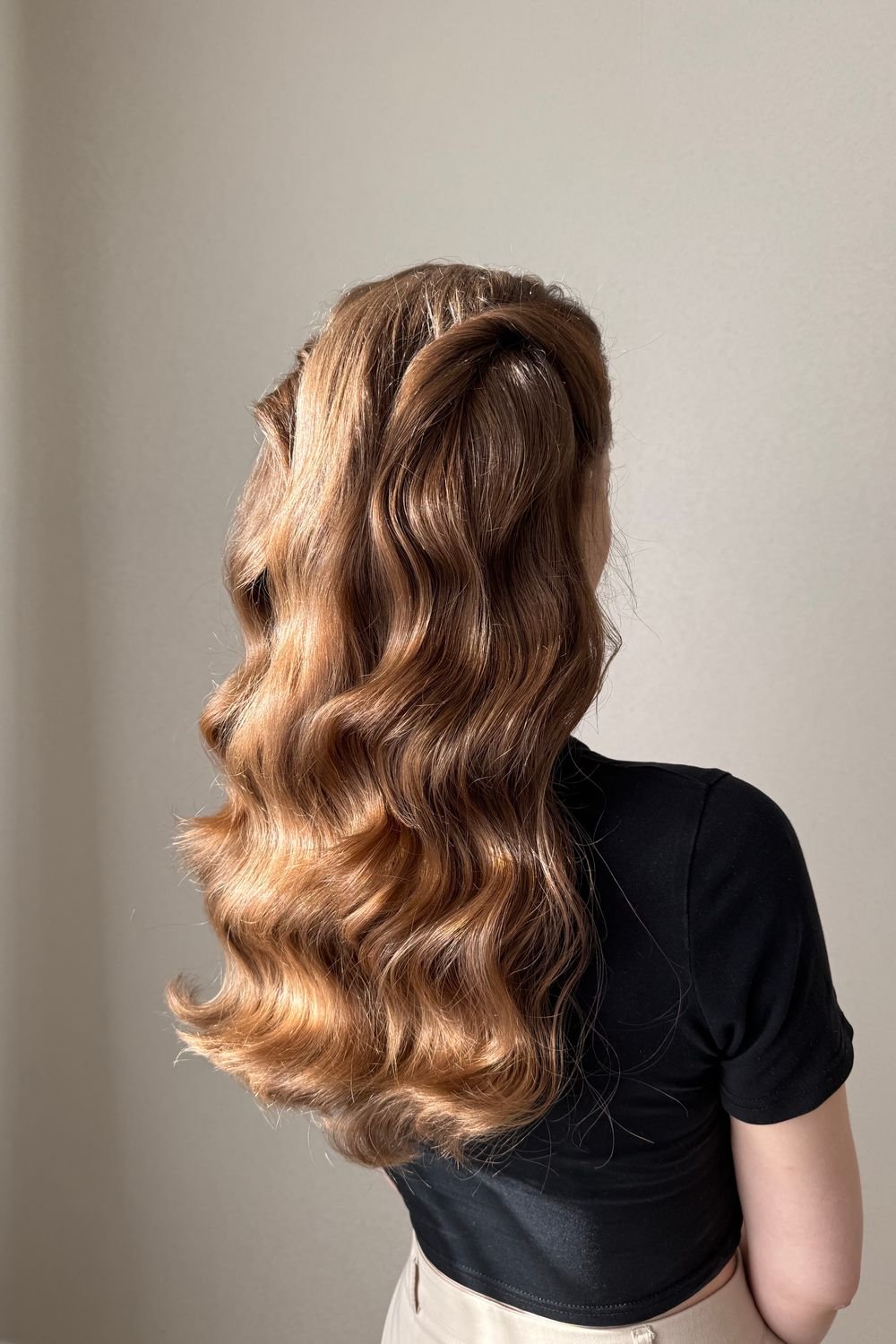
Bleached ends are the oldest, driest part of your hair, and they need more than a single pass of conditioner. Try double-conditioning: apply conditioner from mid-length to ends, rinse, then apply a smaller amount a second time and leave it for two minutes. The first layer softens and detangles; the second seals. It takes one extra minute in the shower and makes a visible difference in how your ends behave — less frizz, fewer tangles, and no more straw-like texture by the afternoon. For very damaged ends, use your weekly mask as the first layer and your regular conditioner as the second. Keep conditioner off your roots, though: bleached lengths need it, but roots get flat and greasy fast when conditioner sits on them.
9. Rinse With Cool Water to Seal the Cuticle
The final thirty seconds of your shower matter more than you think. A cool rinse smooths the cuticle layer that bleaching lifted, which locks in moisture, boosts shine, and helps your toner hold. It does not have to be ice cold — cool enough to feel refreshing is enough. Tip your head back and let the cool water run over the lengths rather than blasting your scalp, then squeeze, do not rub, the water out with your hands before wrapping your hair in a microfiber towel or an old cotton t-shirt. Rubbing wet bleached hair with a rough towel is one of the fastest ways to create breakage, because wet bleached hair stretches and snaps far more easily than dry hair.
Routines 10–13: Overnight Care, Styling and Finishing Touches
The last four routines protect your hair while you sleep, while you style, and while you walk out the door. They are small habits with an outsized payoff by spring, and they cost almost nothing — a pillowcase, a braid, a lower heat setting, and a bottle of gloss spray.
10. Sleep on a Silk Pillowcase With a Loose Braid
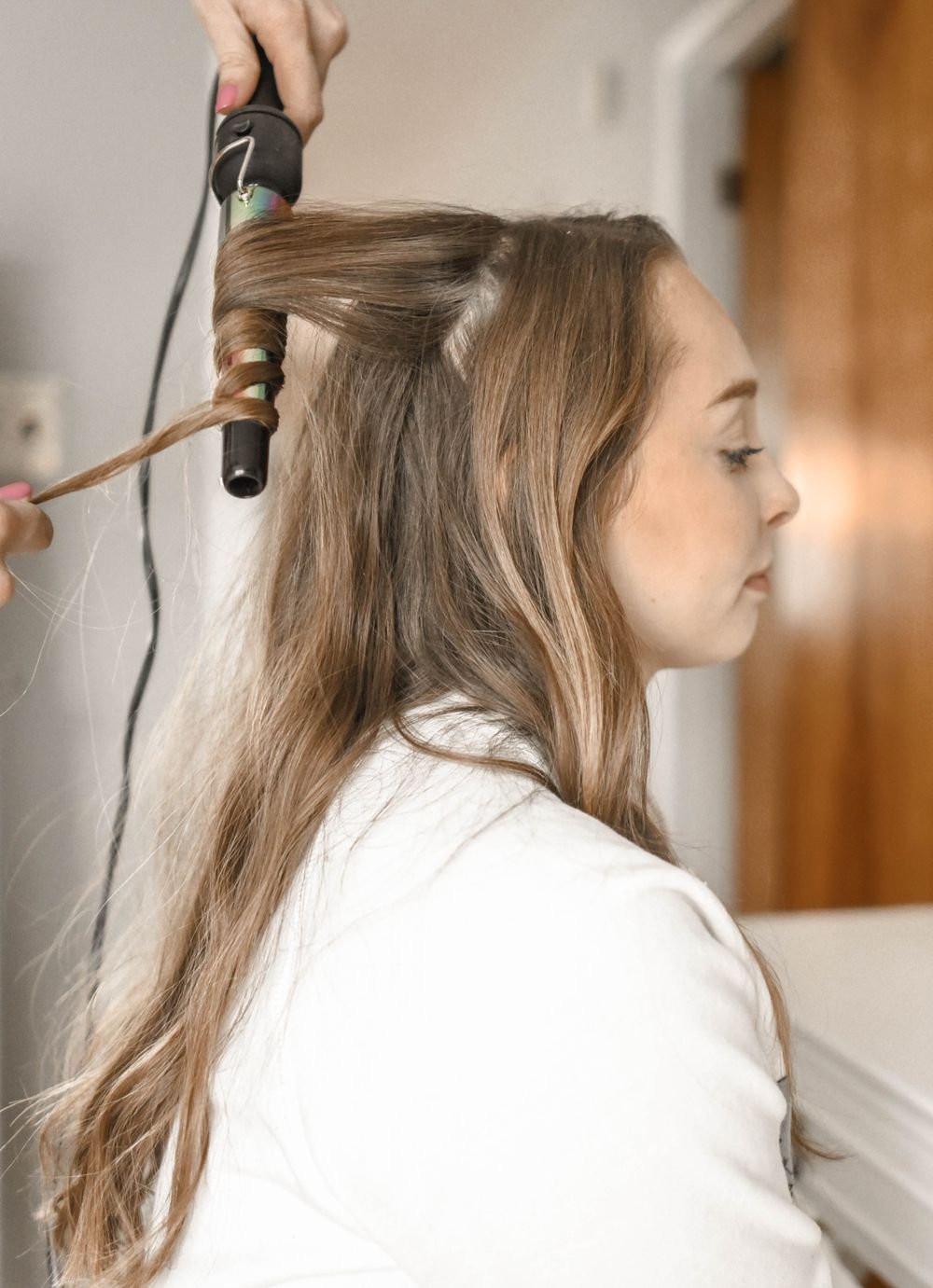
Cotton pillowcases create friction all night, and bleached hair is fragile enough that eight hours of rubbing can mean morning tangles and broken strands. A silk or satin pillowcase lets your hair slide instead of catching, which means less frizz and fewer knots to fight in the morning. Add a loose, low braid before bed: it keeps the lengths contained, protects the ends, and gives you soft waves in the morning without any heat. Secure the braid with a silk scrunchie or a spiral hair tie, never a tight elastic, and keep the braid loose at the roots so you do not wake up with tension headaches or dents. If a silk pillowcase is not in the budget, a satin sleep bonnet or a silk scarf wrapped around your braid does the same job for a fraction of the price.
11. Apply an Overnight Mask Once a Week
An overnight mask is the laziest deep treatment there is. Once a week, smooth a rich mask or a dedicated overnight treatment through damp lengths and ends, braid your hair loosely, and sleep on it — a towel over your pillow protects your sheets. In the morning, rinse and style as usual. Eight hours of contact time lets the treatment penetrate far deeper than a ten-minute shower mask ever could, and the results are obvious: softer, heavier-feeling hair that holds a style better. If your hair is fine, use a lighter formula and concentrate it on the bottom third so your roots stay bouncy. Choose a night when you will wash in the morning anyway, so the routine fits your schedule instead of adding a step.
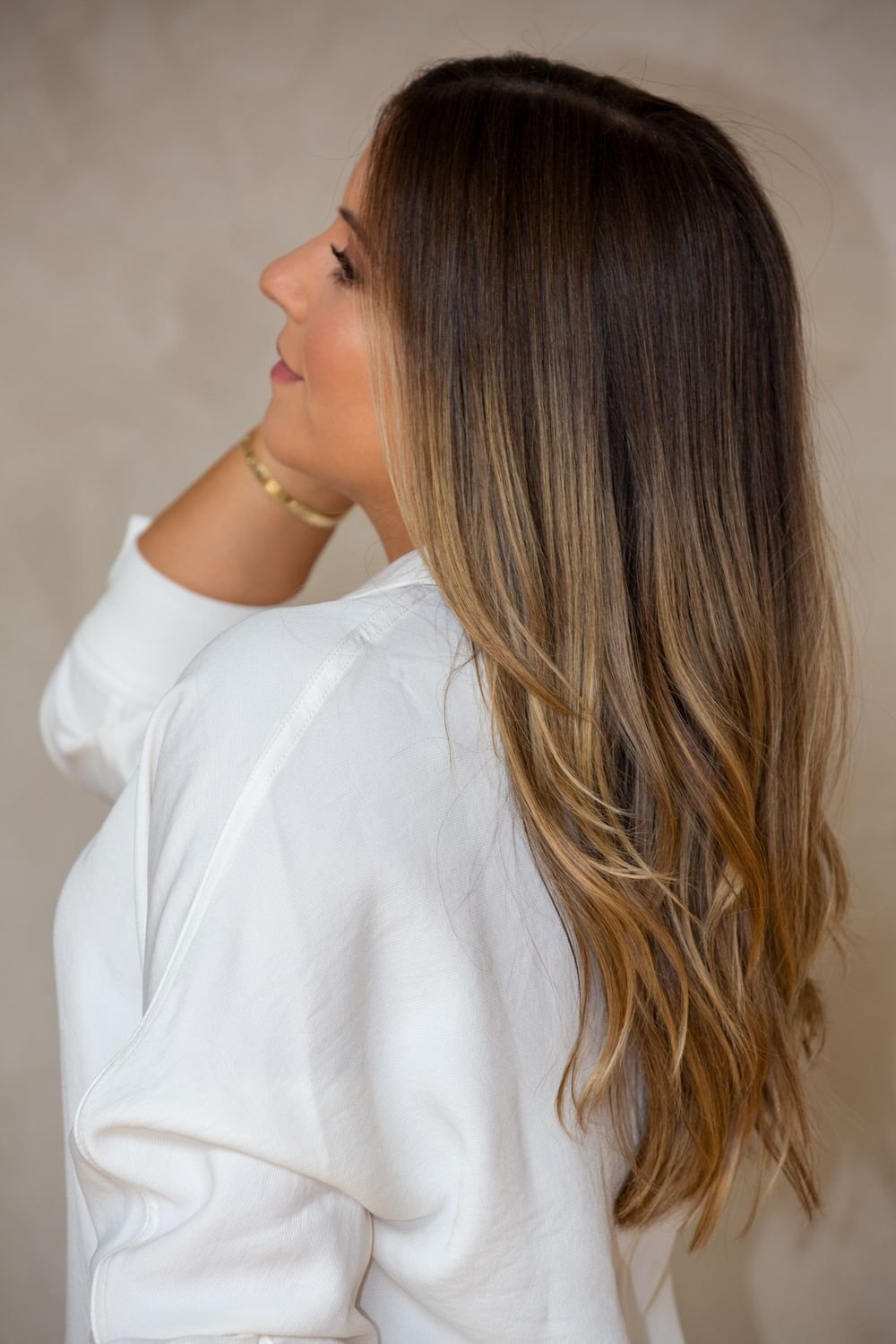
12. Turn Down the Heat — and Always Use Heat Protectant
Heat tools are the fastest way to undo a month of good care, so winter is the time to renegotiate your relationship with them. Air-dry whenever you can, and when you do use a dryer, iron, or curler, keep the temperature at or below 180°C (350°F) and always — always — apply a heat protectant first. A protectant forms a barrier that slows moisture loss while the heat does its work. Also try heatless styling on your no-wash days: braids, twists, and rollers set overnight give you waves and volume with zero damage. Your bleached hair will reward the break with fewer split ends and a brighter tone. And if you must use hot tools daily, give your hair one heat-free day a week as a minimum — it is a small rest that pays off over a whole winter.
13. Finish With a Gloss Spray or Shine Serum
The final step is the one people see. A gloss spray or a shine serum adds the light reflection that bleached hair loses when its cuticle is rough, and it makes blonde look expensive rather than tired. Mist a gloss spray over finished styles from about 20 centimeters away, or smooth one drop of serum over the very ends. A little goes a long way — too much product makes fine bleached hair look greasy instead of glossy. Use it on the days you want your blonde to look its best, and especially before photos or nights out. If you want more shine inspiration, our winter hair gloss treatment ideas for shiny hair round up eleven ways to bring back the shine, from glazes to at-home glossing treatments that work between salon visits.
Frequently Asked Questions About Winter Hair Care for Bleached Hair
How often should I wash bleached hair in winter? For most people, two or three times a week is the sweet spot. Washing less preserves natural oils and toner, while washing too little can leave the scalp itchy and the roots flat. Use dry shampoo at the roots between washes, and rinse with lukewarm water on non-wash days if your hair needs refreshing. If you work out daily, a water-only rinse or a co-wash with conditioner can keep your scalp comfortable without a full shampoo.
Will purple shampoo dry out my bleached hair? Used once a week, no — it is designed for exactly this job. Used daily, yes: the pigments and cleansing agents can leave hair dull and dry, and over-toning can turn blonde grey or lavender. Rotate it with a gentle sulfate-free shampoo and always follow with conditioner or a mask. If your hair feels dry after a purple wash, do your weekly mask on the same day to put the moisture straight back.
Can I still use a flat iron on bleached hair in winter? Yes, but treat it as an occasional tool rather than a daily habit. Keep the temperature low, use a heat protectant every single time, and never iron the same section twice. On off days, try heatless waves from an overnight braid — you get the style without the damage. And if your ends start to feel crispy despite your routine, book a small trim: no product can repair a split end, but a fresh cut makes the rest of your routine work better.
How can I stop bleached hair from turning yellow in winter? Yellow tones come from a mix of fading toner, mineral build-up from hard water, and heat damage. Use a purple shampoo once a week, rinse with lukewarm rather than hot water, and protect your hair from heat with a protectant every time you style. A shower filter helps if your water is very hard, and a gloss treatment or a toner refresh at the salon every six to eight weeks keeps the color clean and bright all season.
Save This Winter Hair Care Routine for Bleached Hair
Winter does not have to be the season your blonde falls apart. With bond repair, weekly masks, gentler washing, and a few overnight habits, a winter hair care routine for bleached hair can actually leave your hair stronger in spring than it was in autumn. Start with the three routines that feel easiest, give them two weeks, and build from there — consistency beats intensity every time. Your future self, with soft, bright, unbroken blonde in March, will be glad you started now.
Save this guide for your next wash day, share it with a blonde friend who is fighting the same winter battle, and follow Nova Fashion on Pinterest for more winter hair care ideas, haircut inspiration, and seasonal styling guides all season long.
Want to write your own pin caption? Try Nova Fashion’s free Pinterest Caption & Pin Generator and create a caption for your saved pin in seconds.
Pingback: 17-Step Winter Hair Care Routine for Keratin Treated Hair Nova Fashion
Pingback: 21 Spun Sugar Blonde Hair Color Ideas for Women Nova Fashion
Pingback: 19-Step Winter Hair Care Routine for Split Ends Nova Fashion