
It is the cut Pinterest named: long layers, a romantic-goth edge, and a name that sounds like a novel. The vampire haircut is the long layered cut with a dark soul — dark hair, long layers that fall like a curtain, and a finish that swings between sharp and soft. These vampire haircut ideas for long dark hair are the twelve ways to wear it this winter, from the sleekest jet-black version to the softest romantic waves — plus what the cut actually is, who it suits, and the salon language that gets it right.
The vampire cut is not a costume. It is a real haircut — long layers, softly razored ends, and a length that stays long — that happens to look best on dark hair and to suit the winter mood. It works because the layering is what does the work: the layers keep very long hair from dragging itself flat, and they give the hair the movement that makes it look alive. This guide explains the layer diagram, the sharp and soft versions, the colour partners (jet black, cherry cola, plum), and how to ask for it so you get the cut you want.
What the Vampire Haircut Actually Is (The Layer Diagram)
Start with the shape, because the shape is the cut. A vampire haircut is a long layered cut with a specific layer diagram: face-framing layers that start at the cheekbone, mid layers that begin at the collarbone, long layers through the lengths, and ends that are razored rather than blunt. The silhouette is long and narrow — the hair falls in a curtain, not a triangle — and the shortest layer sits high enough to frame the face while the longest layer stays at the waist or below.
The difference from an ordinary long layered cut is in the details. The layering is heavier at the front, so the face is framed even when the hair is tied back. The ends are razored, not blunt, so they move instead of sitting in a block. And the length stays long — this is not a lob. As for the name: it is new and the shape is old. The ‘vampire’ part is the mood — long, dark, romantic-goth hair worn with a colour that catches the light — and the cut is the classic long layered shape underneath it. Ask for the shape, and bring the mood with styling and colour.
The look has roots that go back further than the name. Long dark hair with heavy layers and a romantic finish is the heroine of a hundred gothic novels and a thousand films, from the Hammer horrors to the nineties romantic-goth revival and the Wednesday Addams look that made it mainstream again. The current version is softer and more wearable: the colour is glossier, the layers are cut to move, and the goth is in the finish rather than in a costume. It is a mood you can wear to a wedding as easily as to a party, which is why it has gone from a niche to a Pinterest search term in a single season.

The 12 Long, Layered Vampire Looks
Twelve looks, grouped three ways: four sharp, four soft, and four by colour. Sharp is sleek, glossy and evening. Soft is wavy, romantic and daytime. Colour is where the look changes most — the same layers in jet black, cherry cola and plum are three different haircuts. Find your mood first, then pick the look inside it.
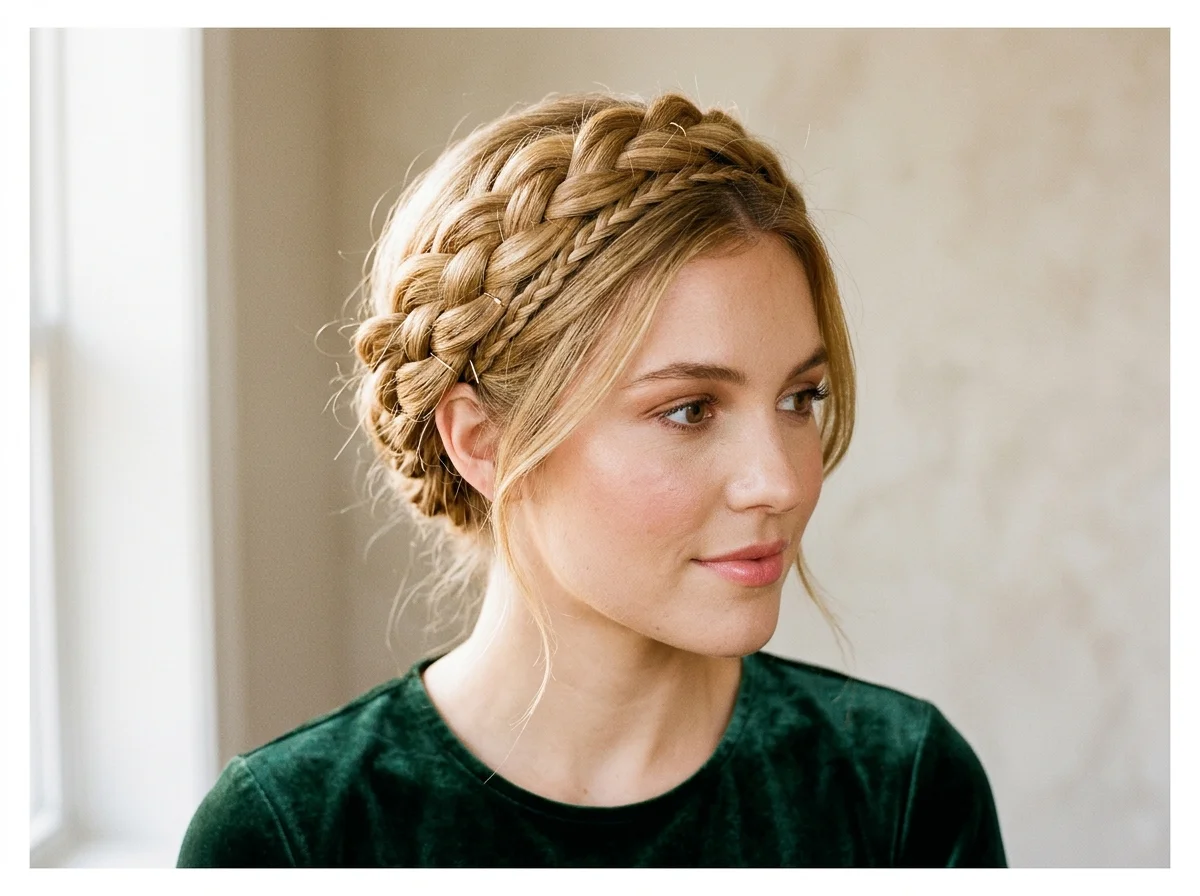
Sharp Vampire Looks
1. The classic vampire cut. Long layers, jet black, dead straight. The reference look — dark, glossy and dramatic, and the one that photographs best. It needs the most smoothing, but it is the version that reads most clearly as ‘vampire’.
2. The razor-layer vampire. Layers cut with a razor for feathery ends that move when the hair moves. The ends are the point here: they should look like they were cut by wind, not by scissors. This is the best version for thick hair, because the razor thins the ends just enough without taking the weight out of the cut.
3. The deep side-part vampire. A dramatic side part that sweeps the hair across the face. The most old-Hollywood of the twelve, and the one that suits a strong jawline and a suit. The part is the whole look: low on one side, so the hair falls in a heavy curtain across the forehead and the eye on the other side does the talking.
4. The slicked vampire. Slicked back from the face with a little cream, worn glossy and severe. The evening look — and the most dramatic of all, because it shows the face and the hair at the same time. Keep the cream to a pea-sized amount; too much and the hair looks wet rather than glossy.
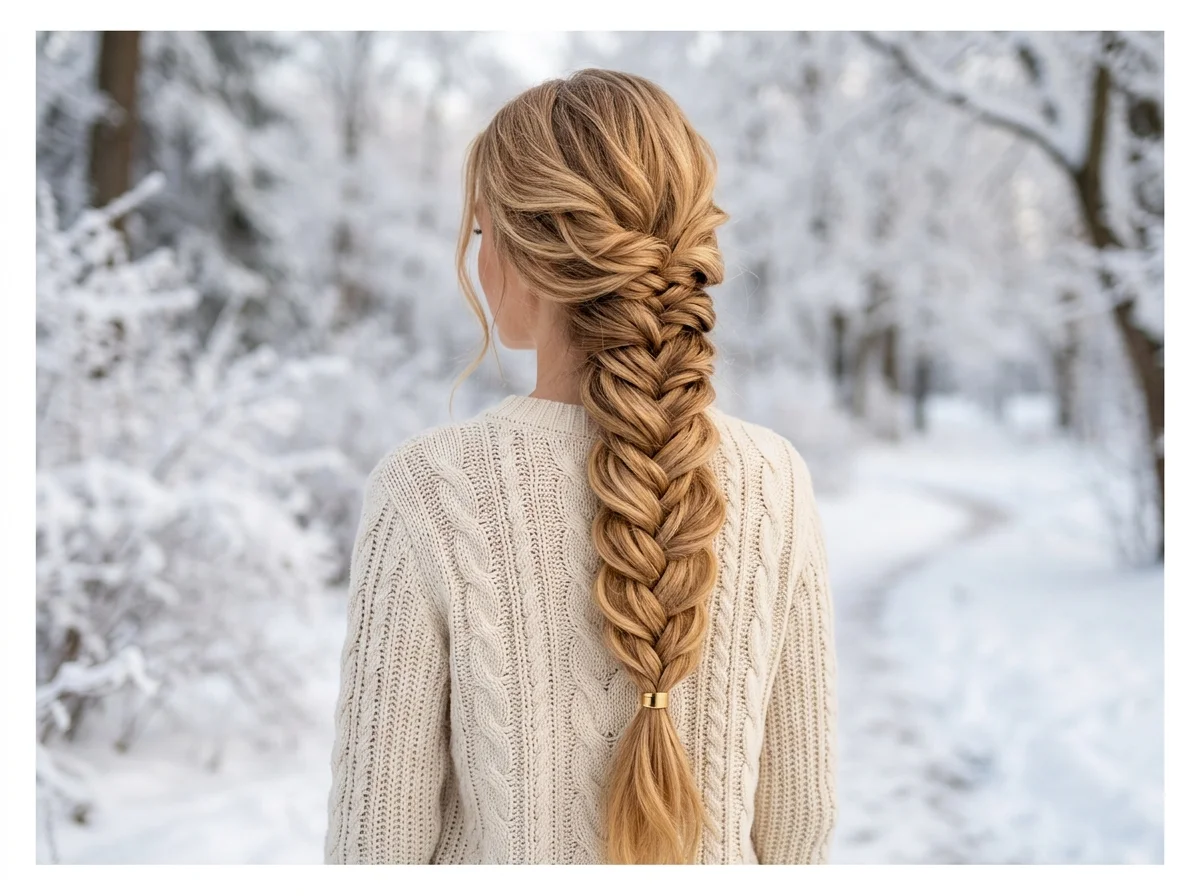
Soft Vampire Looks
5. The romantic vampire. Soft waves and long layers, worn loose. The everyday version of the cut, and the one most women actually live in — the waves soften the drama just enough for daytime, and the length keeps the romance.
6. The curtain-bang vampire. Curtain bangs and long layers, the bangs falling to the cheekbone. The bangs take the severity out of the length, and they are the best version for a long face. The bangs also frame the eyes, which is where the whole look is centred.
7. The face-frame vampire. Face-framing layers that open at the cheekbone and curve away. The most flattering of the twelve for most faces, because the layers do the work of contouring: they soften a strong jaw, lengthen a round face and open up a narrow one.
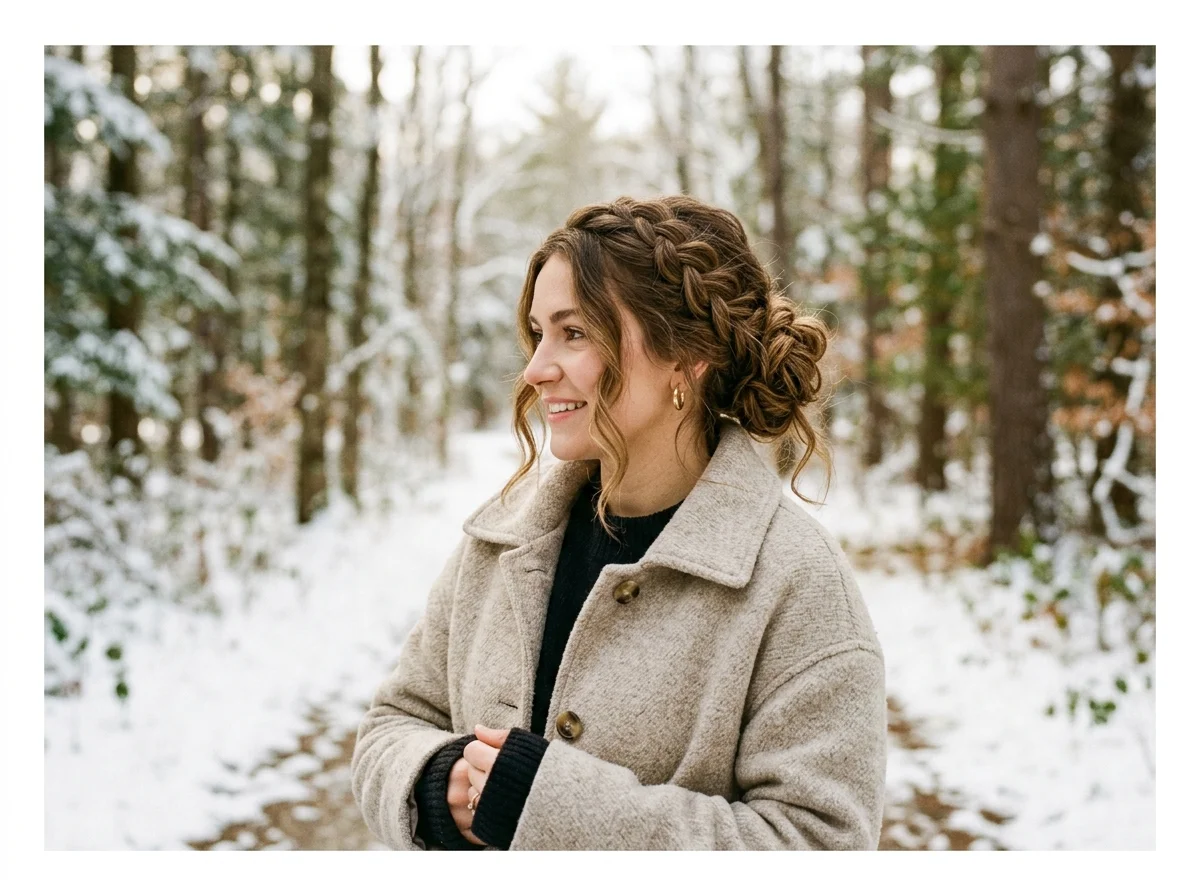
8. The braided vampire. A braided crown over long layers, with the lengths left loose. The gothic-romantic version — the braid is the crown, and the loose lengths are the cape. It is the version to wear to a winter wedding, because it looks formal and undone at the same time.
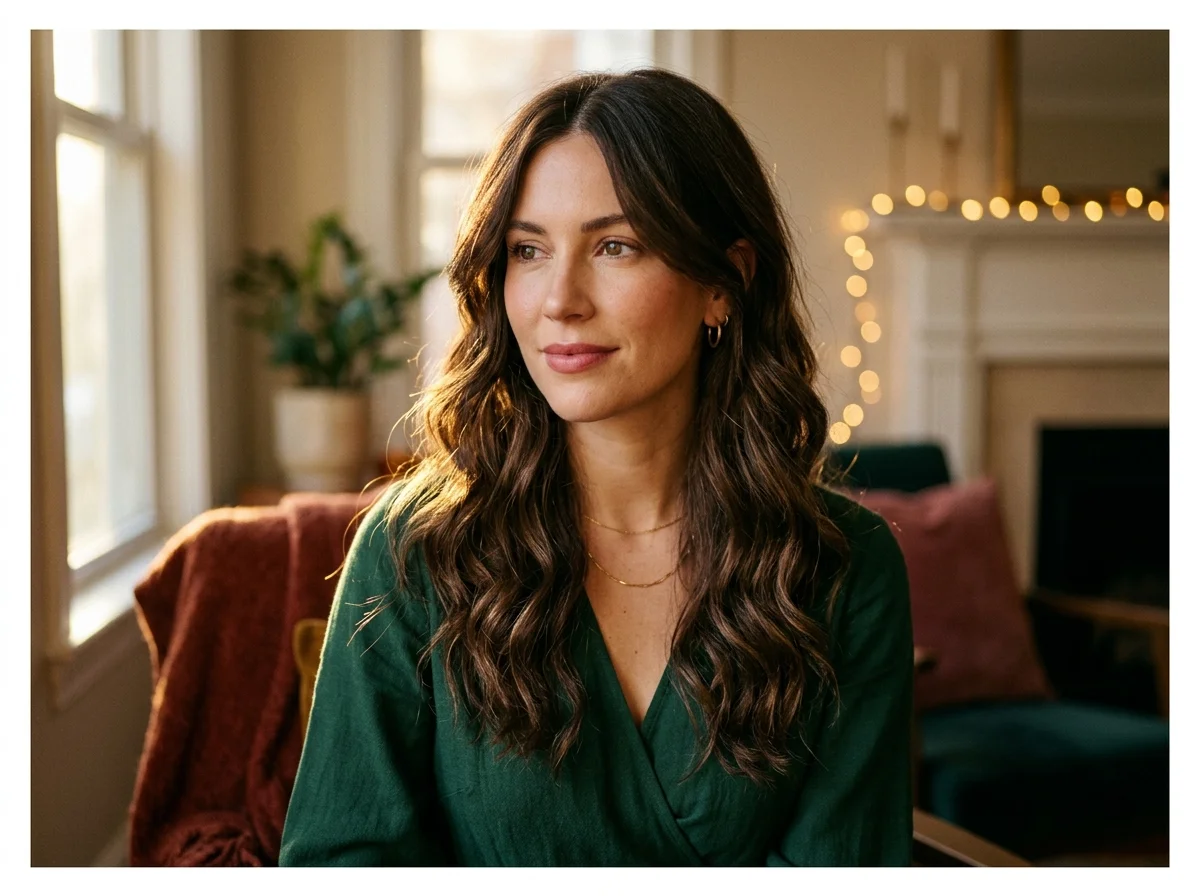
Vampire Looks by Colour
9. The jet black vampire. Jet black gloss over the long layers. The darkest partner and the most classic, glossy and severe. Jet black needs the most root upkeep of the three colours, but it also fades the least, and it makes the hair look thicker than any other colour.
10. The cherry cola vampire. Cherry cola over long layers — dark in the shade, red where the light hits. The warmest of the three colours, and the one that glows in winter light. See our cherry cola guide for the full shade list.
11. The plum vampire. Plum tones through the layers — violet in the light, dark in the shade. The coolest of the three colours, and the best for cool skin tones. Plum fades fastest, so it needs a gloss top-up most often, but while it lasts it is the most unusual of the three.
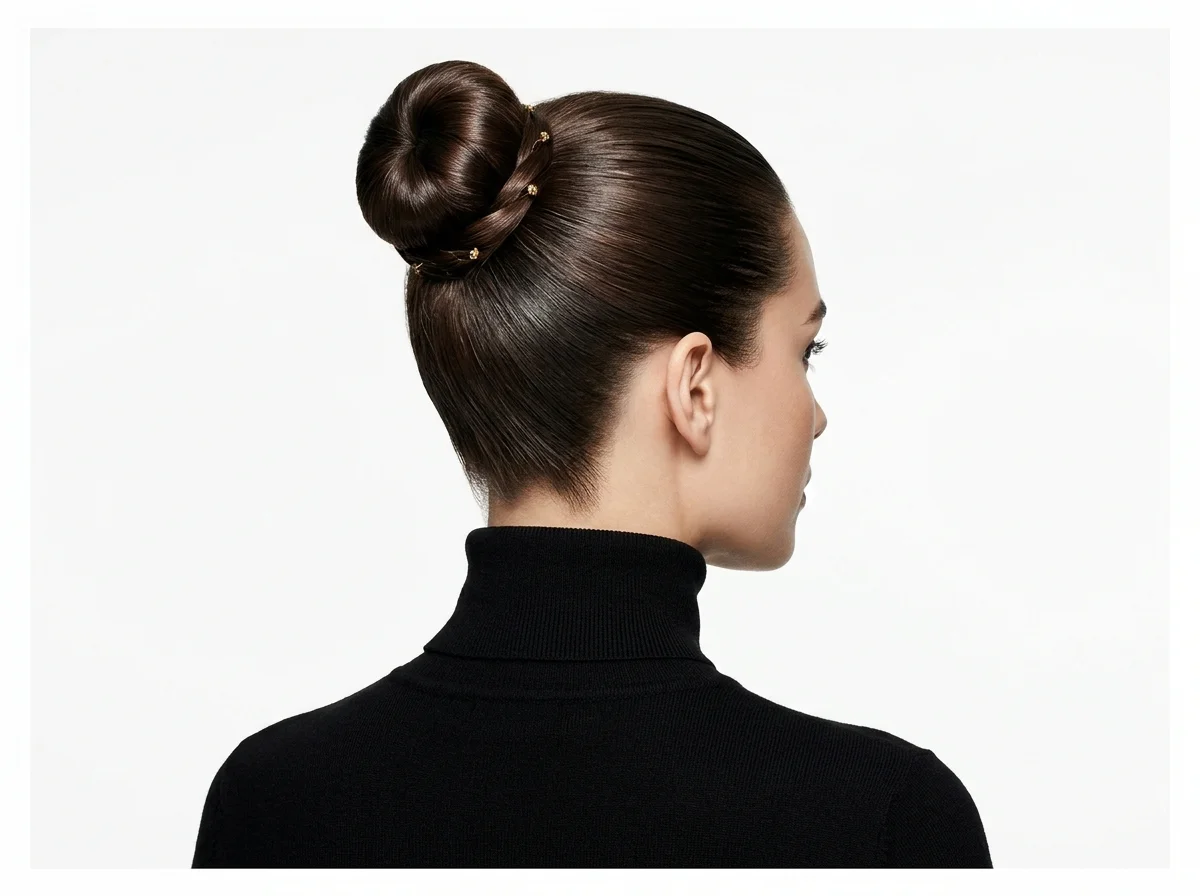
12. The vampire in a low bun. Long layers gathered into a low bun, with pieces left out at the face. The elegant version — the vampire cut dressed for a party, with the length still showing at the nape and the face-framing layers doing the work.
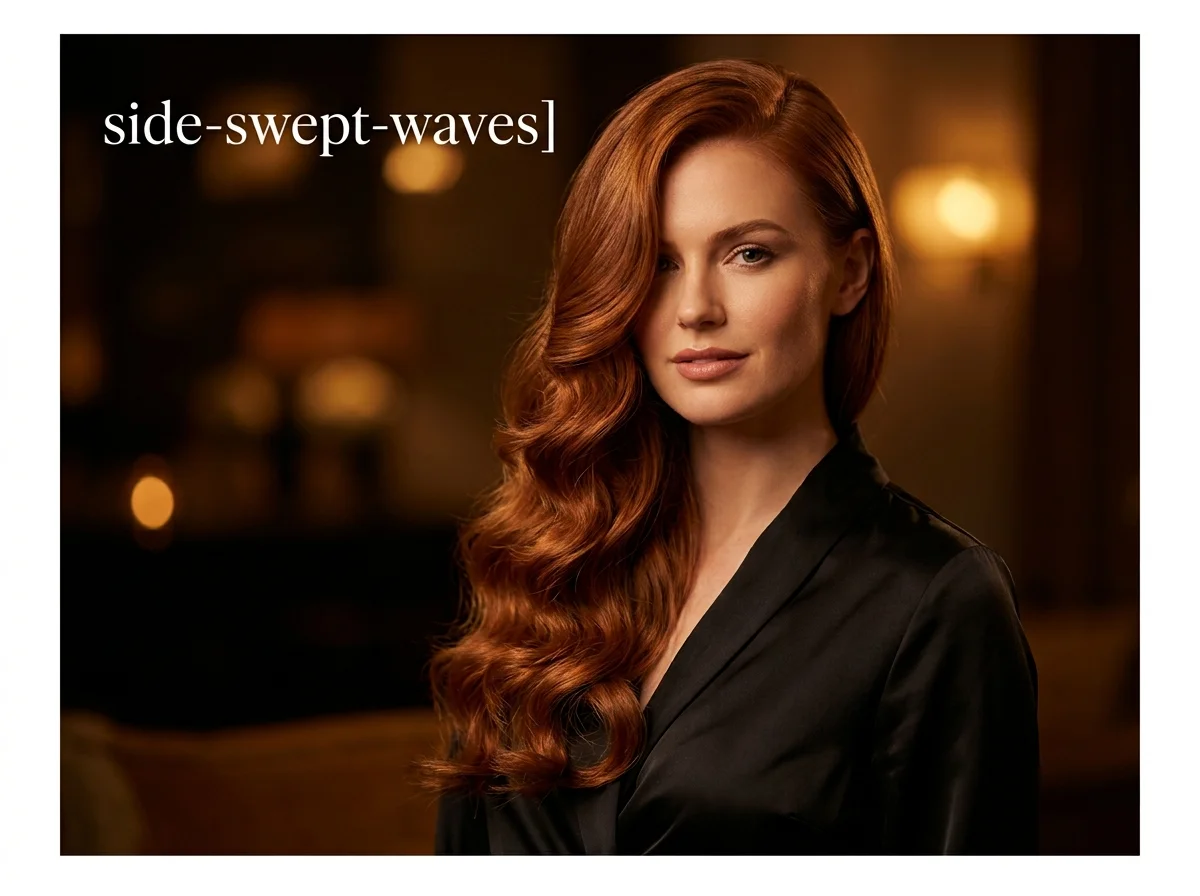
Who It Suits
Start with the truth: the vampire cut needs length. It is a long layered cut, and the layers need hair to work with — the look does not exist below the shoulders. Medium to thick hair is ideal, because the layers have weight to shape. Fine hair can wear it, with the internal-layers rule from our long layered bob guide — internal layers only, nothing short on the surface, and the ends kept blunt. Fine hair that is very long can look stringy in this cut, so the length should stop where the hair gets thin, not where you wish it didn’t.
Density and porosity matter as much as length. Very dense, coarse hair takes the vampire cut beautifully, because the layers remove weight without taking the shape away. Fine, porous hair — hair that has been coloured or heat-styled a lot — grabs the colour partners unevenly and dries out faster, so the colourist will want a deep conditioning treatment before the colour and a gloss rather than a permanent. If your hair is very damaged, fix the condition first and get the cut second: the vampire look is a healthy-hair look, and the shine is half of it.
Face shape matters less than you’d think, because the face-framing layers do the contouring: oval faces can take any version, heart faces suit the curtain-bang version, round faces suit the deep side-part version, and square faces suit the soft waves, which soften the jaw. Very curly hair can wear it too, but the layers must be cut curl by curl or the silhouette goes triangular. The one person it does not suit is a wash-and-go minimalist: this cut needs some styling to look like anything at all, and worn completely untouched it is just long hair with layers.
Styling Sharp vs Soft
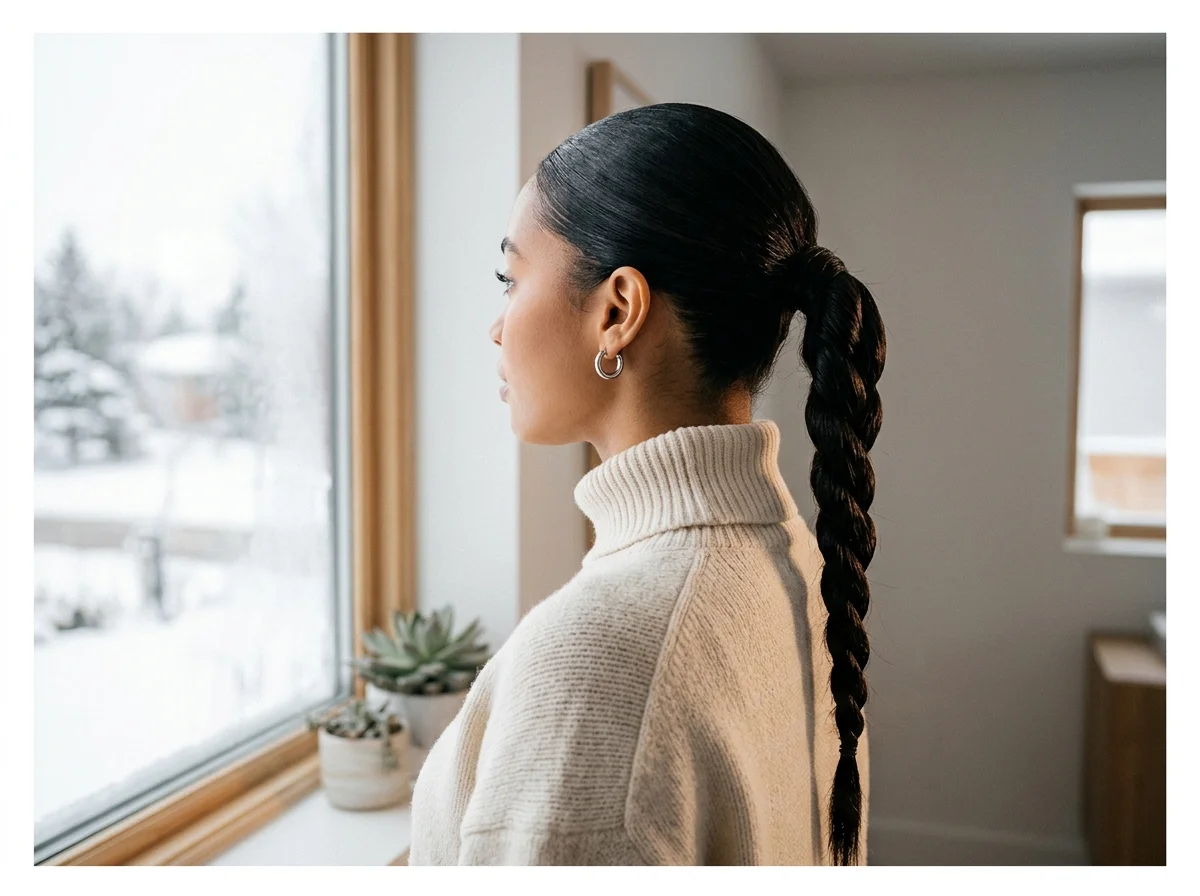
The clever thing about this cut is that it is two looks in one. The same layers can be worn sharp — sleek, glossy, centre part, flat iron — or soft — wavy, textured, side part, undone. The difference is the finish, not the cut, which is why the vampire cut is more versatile than it looks. Sharp is for evenings, events and the camera. Soft is for daytime, the office and everything else. Learn both routines, and you have two haircuts for the price of one.
The tool kit is small, and both routines use the same few things: a heat protectant, a paddle brush, a flat iron, a texture spray or light mousse, and a drop of serum or oil. The sharp routine uses the flat iron and the paddle brush; the soft routine uses the texture spray and the braid or waver. A round brush is not needed for either — this cut is not about big voluminous blow-dries, it is about length and movement, and the paddle brush and the fingers do the better job.

The Sleek Routine
Wash, then a heat protectant — never skip it, because the sharp look is all heat. Blow-dry smooth with a paddle brush, pulling the hair down and under as you dry, then flat iron in sections from the roots to the ends. Finish with a drop of serum on the ends only, never the roots, and a middle part to keep the look severe. The test of a good sleek finish: the hair should look like glass, not like straw. If the ends are fluffy, the iron was not hot enough or the serum was not enough.
The Romantic Routine
On damp hair, work a texture spray or a light mousse through the mid-lengths and ends, then braid loosely — one braid for soft waves, two for narrower ones — and leave it overnight, or bend with a waver if you are in a hurry. Shake it out with your fingers, not a brush, and finish with a little oil on the ends. The waves should look undone, not curled: the point is movement, not ringlets. A side part softens everything, and a little backcombing at the crown gives the romantic volume the name promises.
Colour Partners: Jet Black, Cherry Cola and Plum
The colour is half the look, so choose it like you choose the cut. Jet black is the classic partner — glossiest, most dramatic, and the most maintenance: it needs root touch-ups every four to six weeks, but it fades the least of the three. Cherry cola is the warm partner — dark in the shade, red where the light hits — and it glows in winter light in a way black never does. Its full shade list is in our cherry cola guide. Plum is the cool partner — violet in the light, dark in the shade — and it is the best for cool skin tones, but it fades the fastest and needs a gloss top-up most often.
Choose by skin tone and by patience. Warm skin suits cherry cola best; cool skin suits plum best; any skin suits jet black. And choose by upkeep: jet black is the most stable, cherry cola needs a monthly gloss, plum needs one every three weeks. If you have never coloured your hair, jet black in a gloss (not a permanent) is the way to try the look — it washes out, and it gives you the drama without the commitment.
The cost over a winter follows the same ladder. Jet black is the cheapest to keep, because the colour is stable and the touch-ups are spaced out. Cherry cola costs a monthly gloss, plus a colour-depositing conditioner at home. Plum costs the most per month, because it needs the gloss most often and the colour-depositing conditioner is used most. Over a whole winter the difference between jet black and plum is a few salon visits — enough to notice, not enough to decide on its own. Choose the colour you love, and plan the budget around it, rather than the other way round.

Salon Language to Get It Right
Ask for the shape, not the name. ‘Vampire cut’ is a new term, and your stylist may have a different idea of what it means — or none at all. The words that work are the description: long layers, the shortest at the collarbone, face-framing layers from the cheekbone, the ends razored not blunt, and keep the length. Bring photos of the version you want — sharp or soft — because the photos tell the stylist the finish, and the description tells them the shape. And tell them the colour partner you have in mind, because the cut and the colour are planned together: a jet-black vampire and a cherry cola vampire are cut the same way, but they are toned differently.
What to Say at the Chair
Try this, word for word: ‘I want the vampire cut — long layers through the lengths, shortest at the collarbone, face-framing layers from the cheekbone, the ends razored not blunt, and I want to keep the length. I am thinking jet black, cherry cola or plum — what do you think suits my skin and my hair’s condition?’ The words that matter are ‘razored not blunt’ and ‘keep the length’ — they are the two things stylists most often get wrong on this cut, and they are the two things that decide whether you walk out with a vampire cut or a long layered bob.
The Vampire Cut vs the Long Layered Bob
The obvious comparison is with our long layered bob, and the difference is mainly length. The bob is a collarbone cut — practical, easy to tie up, easy to grow out. The vampire cut keeps the length: waist-length or longer, with the layers doing the work of keeping it from dragging. The bob is the everyday cut; the vampire cut is the dramatic one. The bob is easier to style on a busy morning; the vampire cut is the one that turns heads.
The bridge between them is time. If you have a long layered bob now and you love it, grow it: two or three months of growth turns the bob into the vampire cut, and the layers you already have become the vampire layers. The cut you are growing out of is the cut you are growing into, which is the most forgiving upgrade in hair. And if you try the vampire cut and miss the bob, the way back is a single trim — the length is the only thing that changes.
Here is a three-month grow-out plan, if you are starting from the bob. Month one: skip the trim and let the layers grow, keeping only the face-frame touched up. Month two: a dusting on the ends to keep them healthy, and the colour partner if you want it — jet black gloss or cherry cola, applied when the length is there to show it. Month three: the vampire appointment itself, where the stylist re-cuts the layers for length and razors the ends. By then you will know which version you want, because you have been living with the shape as it grew.
Frequently Asked Questions
Before you book, these are the questions women ask most often about the vampire haircut — the honest answers.
Is the vampire haircut just a long layered cut?
Mostly, yes — it IS long layers, with a specific styling and colour mood. The name is new; the shape is a classic. What makes it ‘vampire’ is the combination: very long, dark, layered hair worn with a goth-romantic finish — jet black, cherry cola or plum, sleek or romantic-wavy. Ask for the shape, then bring the mood with styling and colour, and you will have the cut exactly as Pinterest shows it. The name is a trend; the haircut is a keeper, and it will still look right long after the name has moved on.
Does the vampire cut suit fine hair?
It can, with the internal-layers rule: internal layers only, nothing short on the surface, and the ends kept blunt — the same rule from our long layered bob guide. Fine hair that is very long can look stringy in a vampire cut, so the length should stop where the hair gets thin, not where you wish it didn’t. If your hair is fine and dense, you can go longer; if it is fine and sparse, stop at the shoulder blades and let the layers do the work there.
How do I style the vampire cut without heat?
Braid it damp overnight for soft waves, or twist sections and pin them until dry. Air-dry with a texture spray for movement, and a little oil on the ends for shine. The cut looks good air-dried because the layers do the work — the shape is in the cut, not in the tools. For the sharp look without heat, a smoothing cream and a good paddle brush on wet hair, pulled straight as it dries, gets you most of the way there. The less heat you use, the healthier the length stays, and healthy length is what this cut is selling.
How often should I trim it?
Every ten to twelve weeks — longer than a short bob, because there is more length to absorb the grow-out. The ends are the thing to watch: razored ends split faster than blunt ones, so a dusting — a millimetre off the very ends — between trims keeps the hem looking intentional. And keep the face-framing layers refreshed every six to eight weeks, so they never fall past the point where they stop framing and start dragging. If the hair starts to look tired, the fix is usually a dusting and a gloss, not a new cut.
Save Your Version for Your Stylist
Save your version for your stylist — and save this guide with it. The vampire cut has twelve versions, and the one you want is the one in the photo. Save the pin below to your board, and take the exact salon words from the section above with you, so the cut you ask for is the cut you get.

Follow Nova Fashion on Pinterest for more hair ideas, and try the Pinterest caption generator to write the perfect caption for your pin.
Conclusion
The vampire haircut is the winter cut for anyone who wants their hair to feel like a statement. It is long, layered, dark and romantic, and it earns its name the moment the light catches it. Go in with your eyes open: it needs length, it needs some styling, and the colour partner you choose decides the upkeep. Choose your version, save it, and take the exact words to the salon. If you want a shorter version of the same idea, our long layered bob guide is waiting — and for more ways to wear very long hair this winter, the 25 winter hairstyles for long hair will give you the styles to match, while our cherry cola guide covers the warmest of the three colour partners.