
If your hair is fine, you already know the trade-off: you want length, but length pulls everything flat. Cut it shorter and you get bounce, but you lose the hair you love. The long layered bob — the lob with layers built in — is the cut that refuses the trade-off. It keeps your hair at collarbone length or just below, so you can still tie it up, and it uses layers to lift the roots and thicken the ends. These long layered bob haircut ideas for fine hair are the cuts to ask for this winter, whether your hair is poker-straight, gently wavy or somewhere in between.
This guide walks through fourteen ways to wear the cut, how to place the layers for your face shape, how to choose between curtain, wispy and no fringe, and the styling and products that keep fine hair light. The rule that matters most — ask for internal layers only if your hair is very fine — is explained in full below, because it is the difference between a lob that looks full and one that looks thinner than the hair you started with.
Why Layers Fix Fine Hair (And When They Wreck It)
Fine hair is not the same as thin hair. Fine describes the width of each strand; thin describes how many strands you have. Plenty of women have a lot of fine hair, and the problem is weight: each strand is light, but together they pull down, and flat hair reads as less hair. Layers fix that by removing weight from the inside of the cut, so the hair underneath can lift. A layer cut at the right length acts like a shelf: the shorter hair beneath holds the longer hair above it up, and the ends look thicker because they are supported rather than stretched.
Layers wreck fine hair when the stylist cuts them too short, too high or too many. Short surface layers on fine hair spring up, separate into wisps and expose the scalp at the parting. The result is the opposite of volume — hair that looks sparse and flyaway. The fix is restraint: long layers that sit below the cheekbone, internal layers that stay hidden under the top section, and ends that are cut blunt enough to look like a hem rather than a feather. If your stylist reaches for thinning shears at the ends of a fine-haired lob, ask what they are doing and why; on fine hair, thinning the ends usually makes the cut look older, not fuller.
Winter makes the case for this cut even stronger. Hats flatten fine hair, dry air makes it static, and heavy winter products crush it. A lob that is layered in the right places springs back when you take the hat off and needs almost nothing in the way of product — the shape does the work. That is the whole point of the cut: a shape that holds itself up.
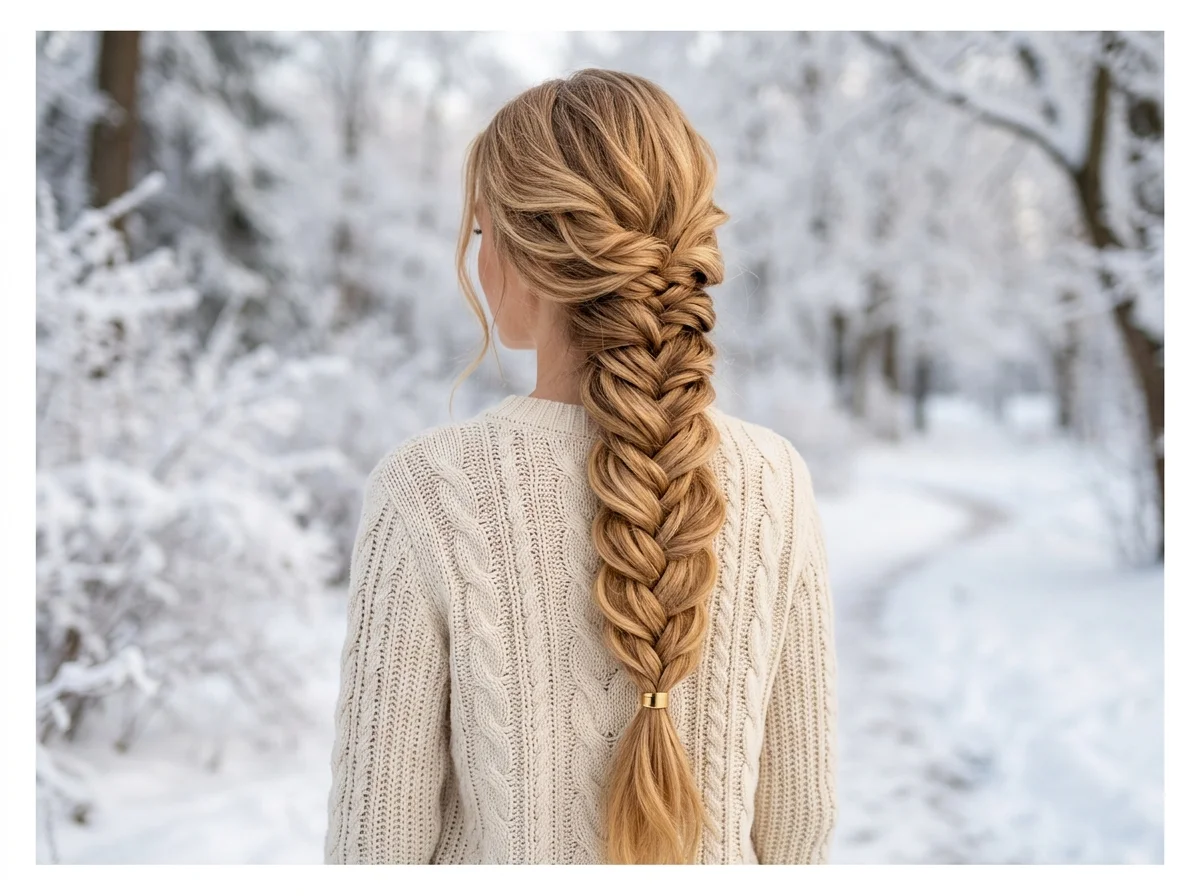
Layer Placement by Face Shape
Layer placement is where a good lob becomes a great one. The same cut looks like a different haircut on a round face, an oval face and a square face, because the layers land on different features. Before your appointment, work out where you want the eye to go, and tell your stylist.
Round faces: start the layers at or below the chin. Layers that begin at the cheekbone widen the face; layers that begin at the chin lengthen it. Ask for long, face-framing pieces that fall on either side of the jaw and a part that sits slightly off-centre. Avoid a blunt, chin-length bob with volume at the sides — that is the one silhouette that makes a round face look rounder.
Oval faces: you can carry almost any layer placement, so choose by hair behaviour rather than face shape. If your hair is very straight, layers starting at the cheekbone add movement; if it is wavy, layers starting at the chin keep the wave pattern tidy. Oval faces suit a centre part with curtain layers best, because nothing needs correcting.
Square and heart-shaped faces: soften the jaw or balance a narrower chin. Layers that start at the cheekbone and curve inward at the ends do both. A wispy fringe or curtain bang takes the emphasis off a strong jawline, and a side part breaks up symmetry. Keep the ends soft rather than blunt — a hard, straight hem can look severe against a square jaw.
One placement almost every fine-haired face should avoid is heavy layers cut around the crown. Volume at the crown is lovely, but on fine hair it collapses by midday and leaves a visible gap at the parting. Keep the crown layer long and let the volume come from the mid-lengths instead. And if you have a cowlick at the hairline, say so before the first snip: a cowlick decides the parting more than any face-shape rule, and a good stylist will place the layers to work with it rather than against it.
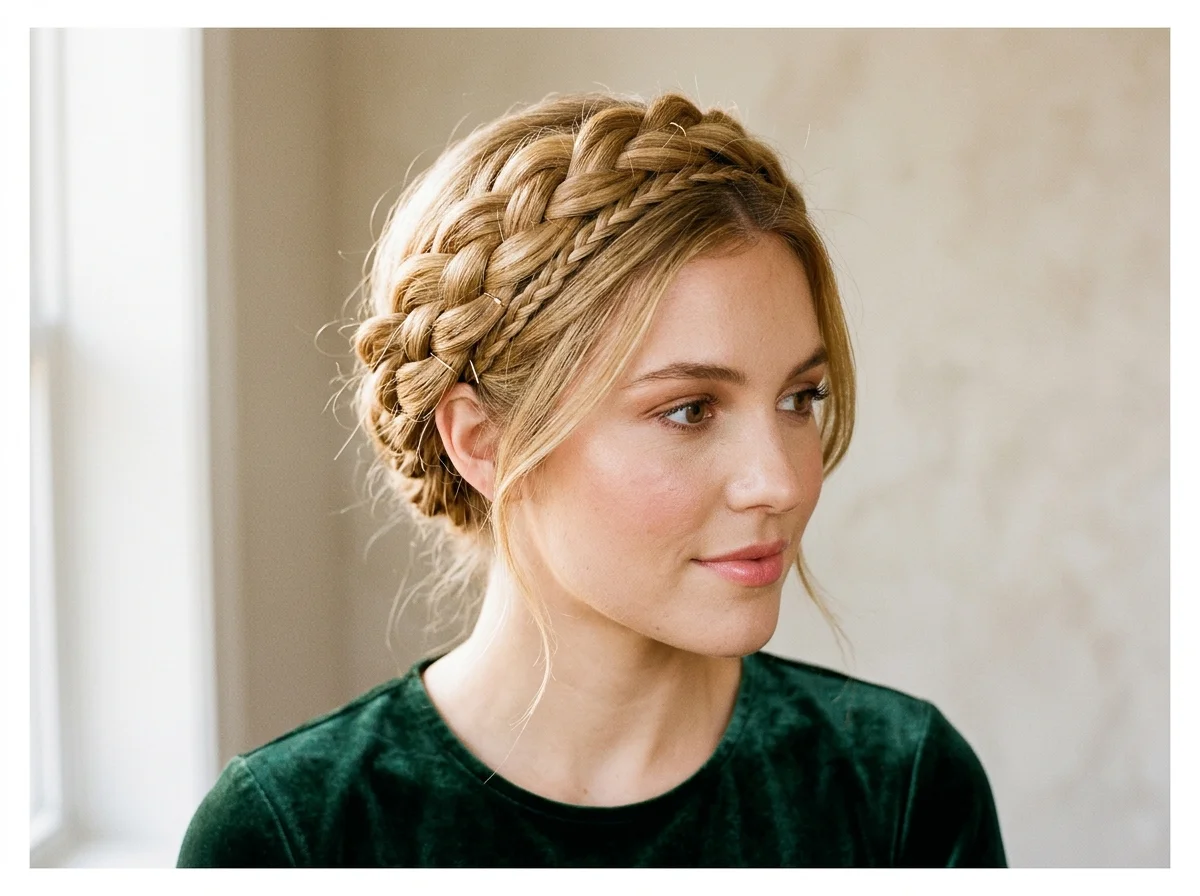
The 14 Long Layered Bob Cuts
Fourteen cuts sound like a lot, but they fall into three families: lobs with a fringe, lobs without one, and lobs chosen for texture. Most women need one from the first two families and one from the third — the texture that matches the hair they actually wake up with. Find your family, then pick the cut inside it.
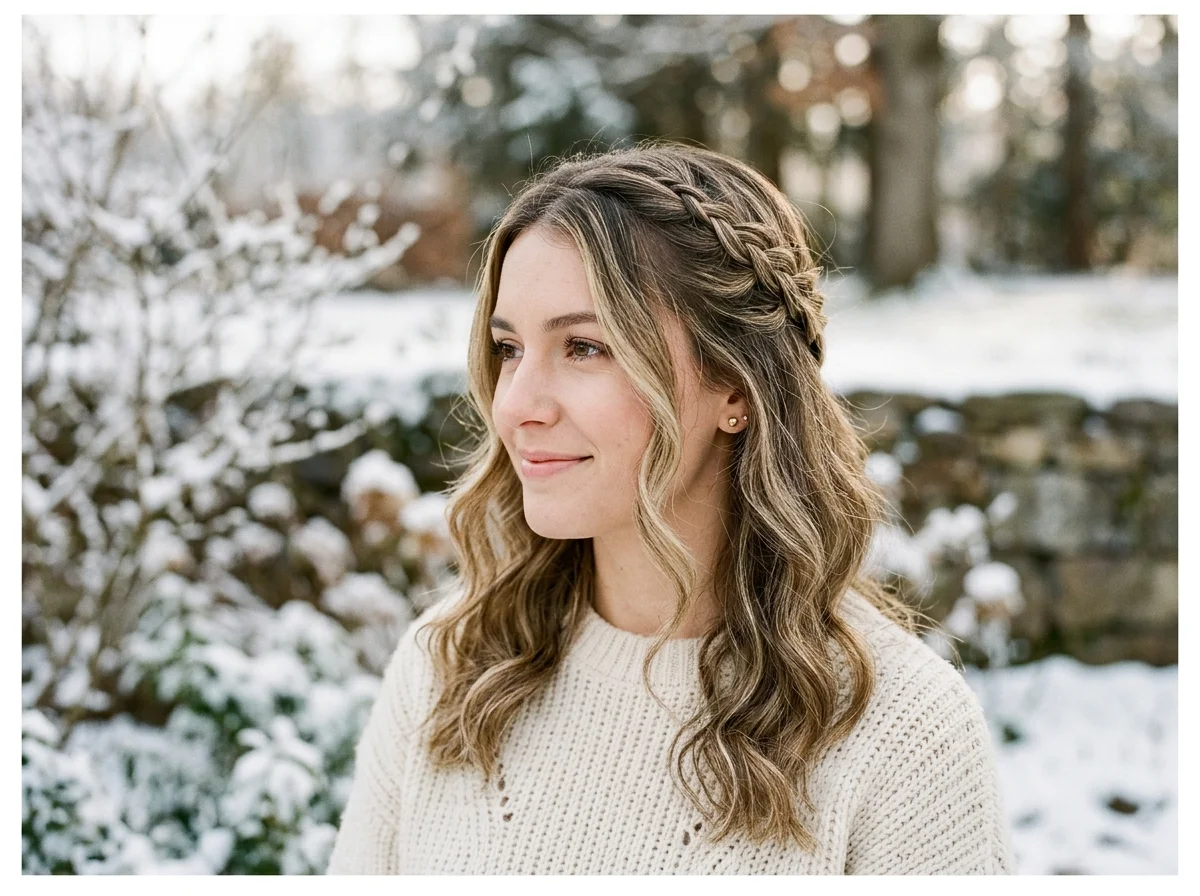
Five Lobs with a Fringe
1. The curtain-bang lob. Curtain bangs split in the middle and sweep to each side, and they are the kindest fringe for fine hair because they are long enough to blend into the layers. Ask for curtain bangs that reach the cheekbone at their shortest point.
2. The wispy-fringe lob. A light, see-through fringe that sits on the forehead without a hard edge. On fine hair it must be cut dry or nearly dry, because wet fringe springs up as it dries and ends up shorter than planned.
3. The side-swept lob. A deep side part with a long, sweeping fringe that covers one temple. This is the best fringe for fine hair that cowlicks at the hairline, because the sweep follows the cowlick instead of fighting it.
4. The bottleneck-bang lob. Narrow at the forehead and wider at the cheekbones, like the neck of a bottle. It frames the eyes without the weight of a full fringe and grows out gracefully, which means fewer emergency trims.
5. The micro-fringe lob. A short, straight fringe above the brow, worn with a longer lob for contrast. Only for the brave, and only for very straight, very fine hair — it needs daily styling, and a steady hand with the scissors at home is not recommended.
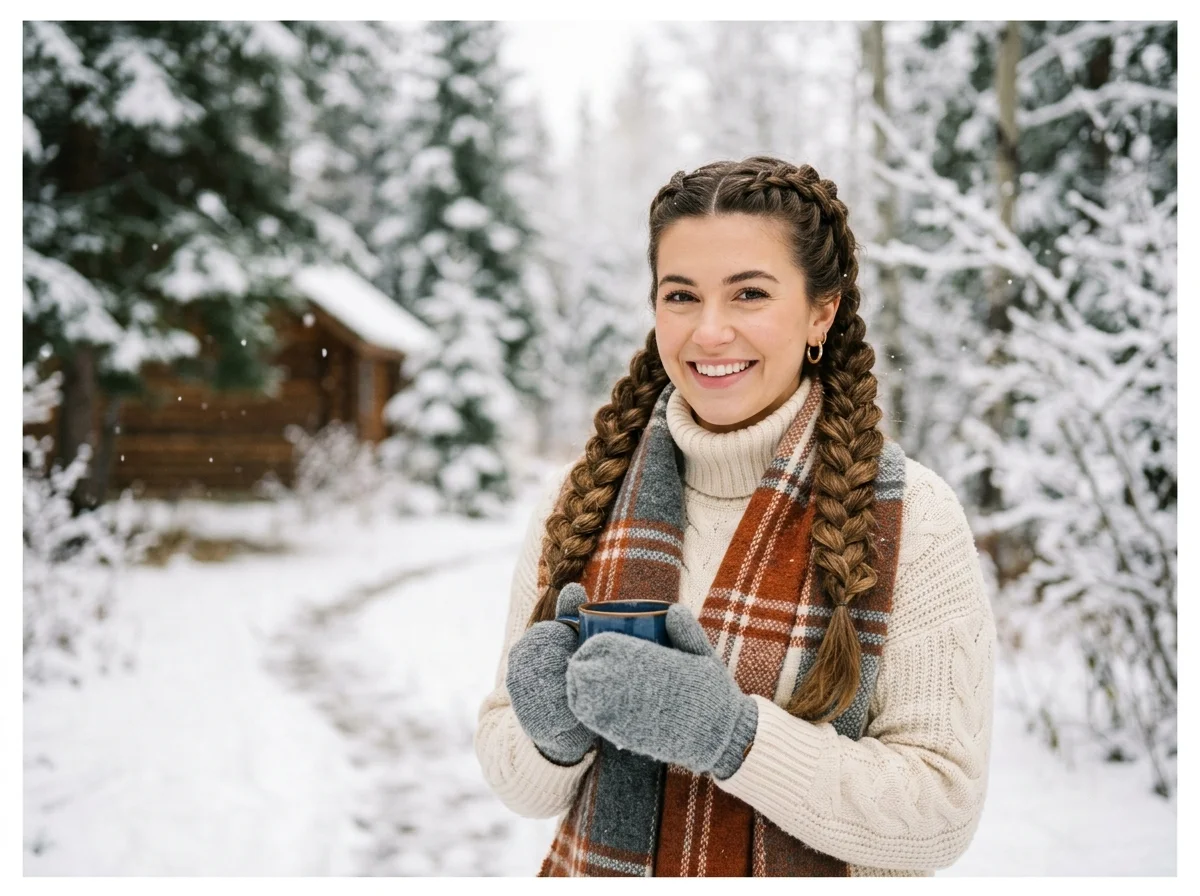
Five Lobs without a Fringe
6. The centre-part lob. A clean middle part, long layers and blunt ends. The simplest version and the best showcase for healthy, shiny fine hair — there is nothing to hide behind and nothing to maintain.
7. The deep side-part lob. Parted low on one side, so the hair falls in a heavy sweep across the forehead. Instant volume at the roots on the heavy side, with no product and no heat.
8. The slicked-back lob. Combed back from the face with a little cream, worn straight. A polished evening look that proves a lob can be formal as well as easy — and one of the few updos fine hair does well.
9. The tucked-behind-the-ear lob. Longer in front, shorter behind the ears, with the front pieces tucked. The tuck creates a clean line and shows off earrings, and it is a good test of whether your layers sit at the right length — if the tuck pulls the layers loose, they are too short.
10. The grown-out lob. A lob that is allowed to grow past the collarbone with only the face-framing layers refreshed. The lazy, lived-in version — and the easiest to keep up through winter, when salon visits get harder to fit in.
Four Lobs by Texture
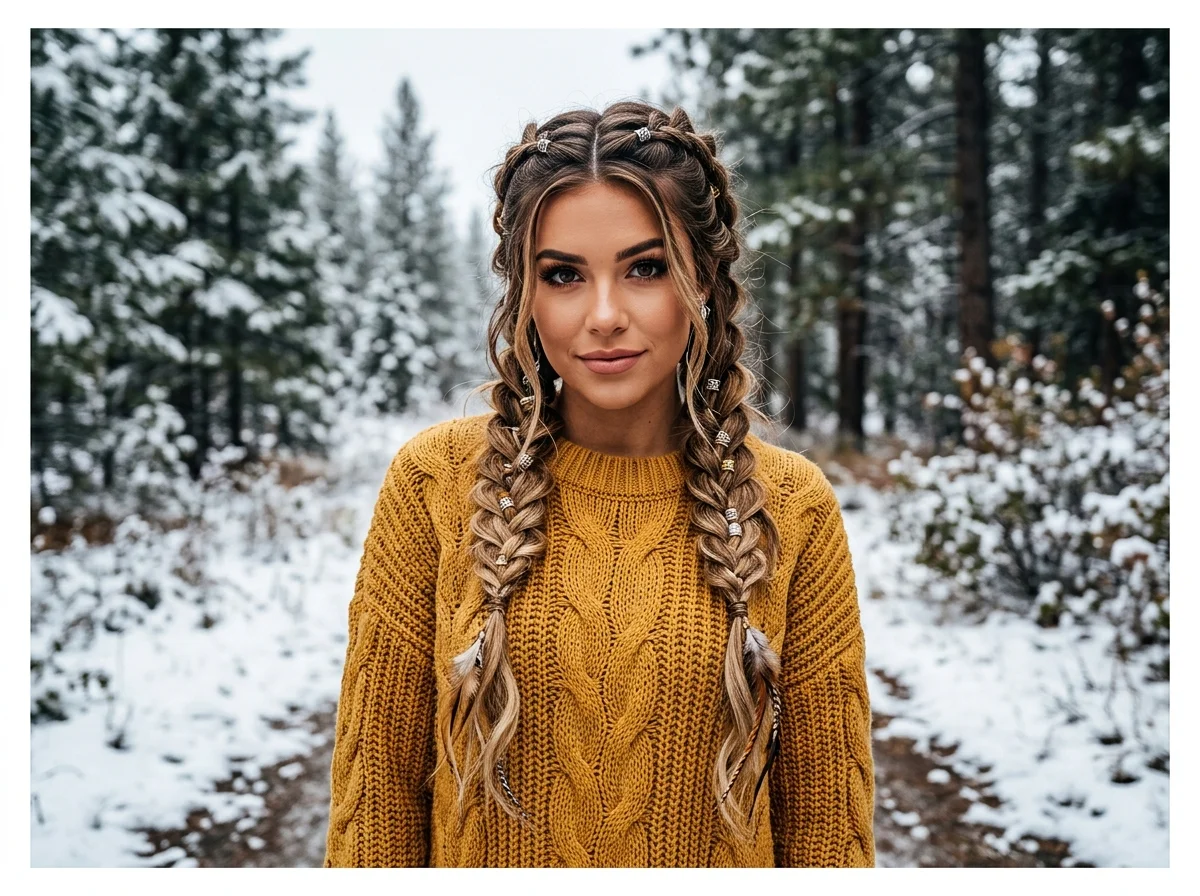
11. The straight lob. Blunt ends, long layers, worn pin-straight. The layers are almost invisible — you see them only when the hair moves. Keep the ends sharp: a feathered end on straight fine hair looks thin, and no amount of serum fixes that.
12. The wavy lob. The air-dried hero. Long layers let the wave pattern form without weight dragging it out, and the ends flick rather than flop. If your hair has any natural wave at all, this is the version to ask for.
13. The curly lob. Layers cut into the curl pattern, never against it. Curly fine hair needs layers to keep its shape, but the layers must be cut curl by curl or the silhouette goes triangular — wide at the bottom, flat at the top.
14. The textured, choppy lob. Point-cut ends and piecey layers for a deliberate, undone finish. The most forgiving of the fourteen on a bad hair day — and the most likely to need texture spray, so keep a bottle handy.
Lob with Curtain, Wispy or No Fringe: How to Choose
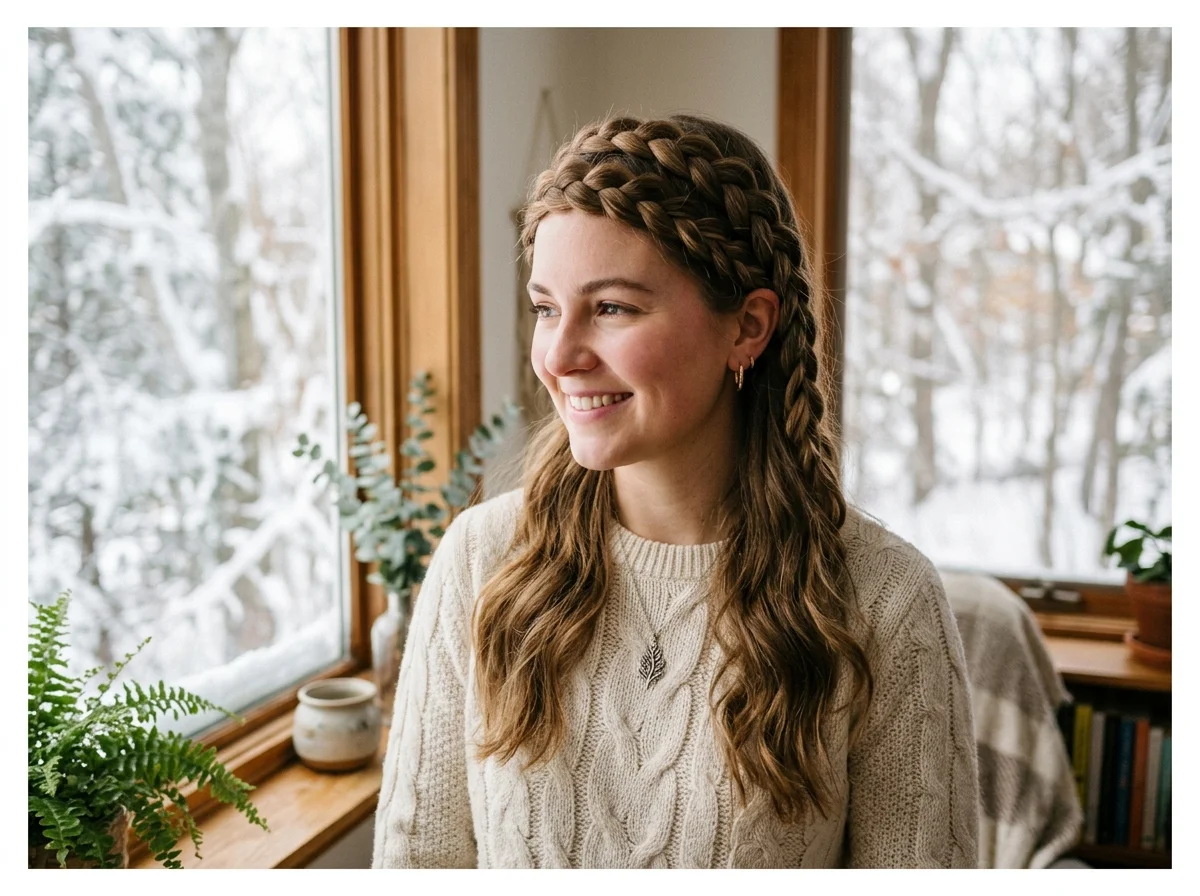
Choose by your mornings, not by a photo. A curtain bang needs a round brush and two minutes; a wispy fringe needs a trim every three weeks; no fringe needs nothing. If you wash your hair at night, a fringe will crease while you sleep and take longer to fix than the rest of your hair — honest advice, not discouragement. If you wear glasses, a wispy fringe will sit on the frames and need trimming more often; a curtain bang clears the frames. If you have a strong cowlick, a curtain bang or a side-swept fringe will work with it, while a straight-across wispy fringe will fight it every morning. The no-fringe lob is the lowest-maintenance choice and the one most women with very fine hair end up loving, because every strand of fringe is a strand that is not adding weight to the rest of the cut.
There is also the question of proportion. A full fringe shortens the face visually, which suits a long face and can overwhelm a short one. Curtain bangs do the opposite: they open the face up and draw the eye outward, which is why they are the default recommendation for fine hair. If you are unsure, start with curtain bangs. They grow out into layers, so the worst case is that you wait six weeks and they have become the layers you would have asked for anyway.
Long Layered Bob vs the French Bob
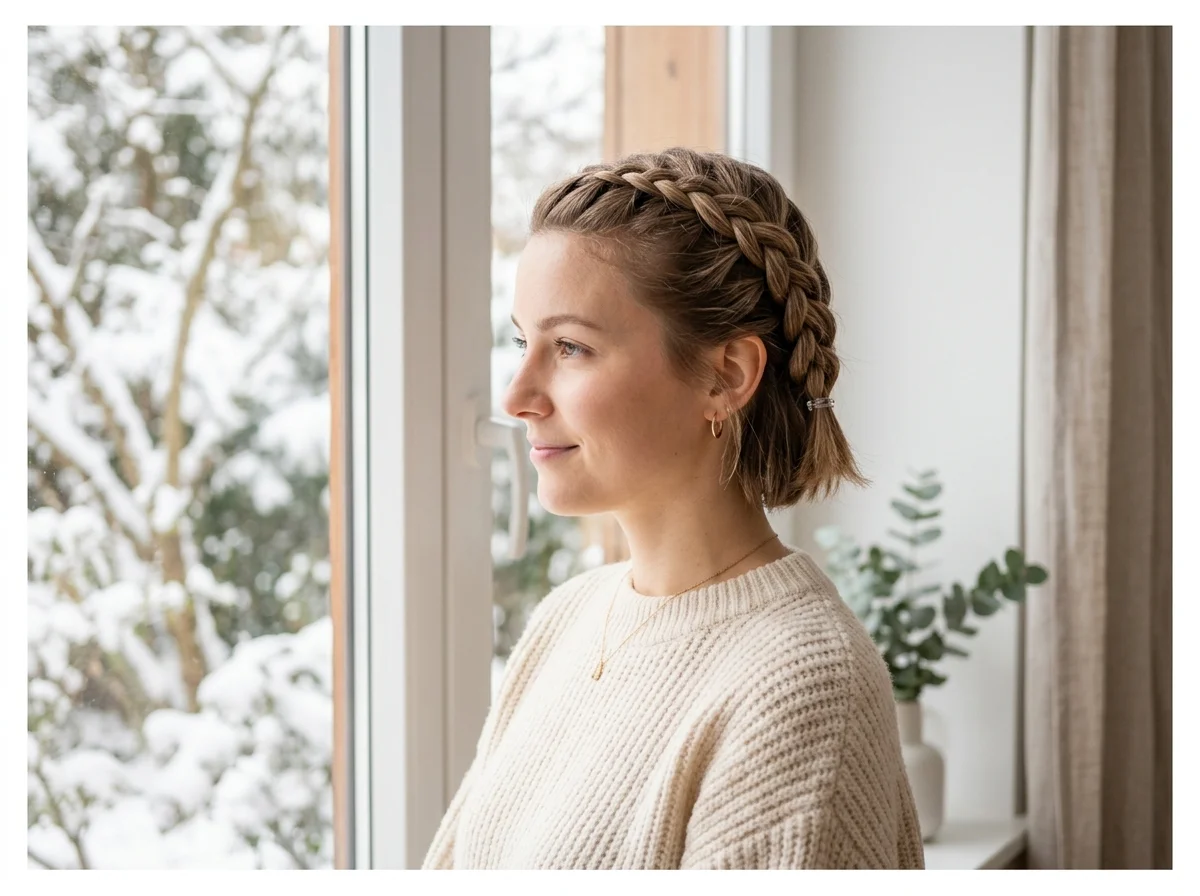
The French bob is the shorter cousin: a chin-length bob with wispy bangs and a deliberately undone finish. It is the cut everyone is pinning this winter, and if your hair is fine, you may be tempted. The honest comparison: the French bob gives you more bounce and a stronger look, but it takes away your tie-up option and your length. The long layered bob keeps the length, the ponytail and the styling choices, and it is far more forgiving as it grows out. If you are not ready to commit to chin length, the lob is the right test — wear it for three months, and if you keep wishing it were shorter, that is your answer. For the shorter look in full, see The French Bob with Wispy Bangs: 15 Chic Ways to Wear 2026’s Most-Saved Cut.
The two cuts also behave differently in winter. A French bob tucks neatly under a hat and needs little else; a lob can catch on coat collars and scarves, and the ends can kink where the collar sits. That is a small price for the versatility, but if you live in a hat and a high collar for four months of the year, it is worth knowing before you choose.
Styling for Air-Dried Body
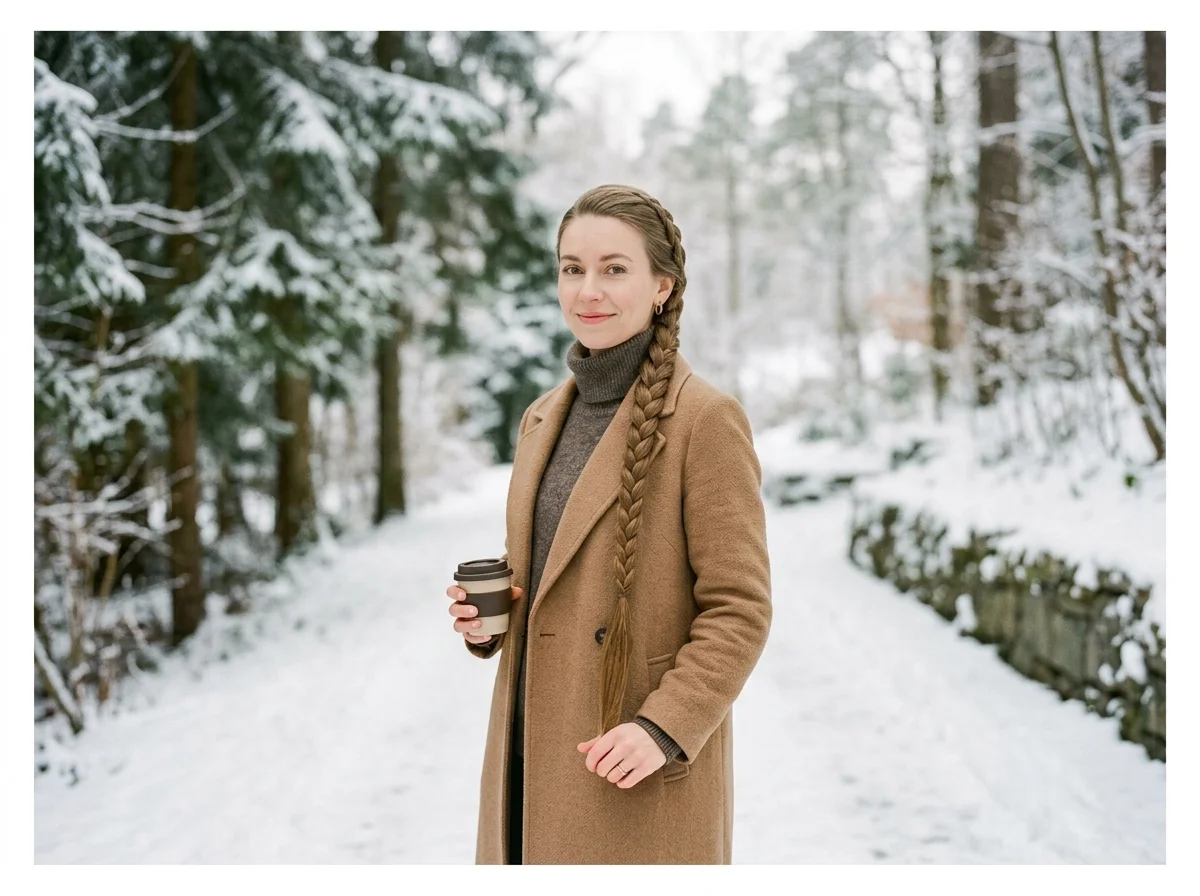
The best fine-hair styling is the styling you do not have to do. A long layered bob is the easiest cut to air-dry well, because the layers stop the hair from clumping into one flat sheet as it dries. Wash, towel-dry gently — never rub, because friction roughs the cuticle and fine hair shows every bit of it — then apply a pea-sized amount of lightweight mousse through the mid-lengths and ends, scrunch once or twice, and leave it alone. Touching wet hair breaks the wave pattern as it forms and creates frizz at exactly the wrong moment.
Day two matters as much as day one. Fine hair goes flat overnight, and the lob’s layers are what save the second day: a little dry shampoo at the roots, a quick upside-down shake, and the layers fall back into place. If the ends look crimped from the pillow, a smoothing cream on the ends only — never the roots — takes the kink out without dragging the cut down. In damp winter air, a little flexible-hold spray on the ends keeps the flick alive; in dry air, skip it, because it can make fine hair static.
The Air-Dry Routine, Step by Step
Step one: wash with a volumising shampoo and condition only the ends. Conditioner on the roots is the single biggest cause of flat fine hair. Step two: wrap the hair in a microfibre towel for five minutes, then comb through with a wide-tooth comb. Step three: mousse or a light styling cream on the mid-lengths, worked through with your fingers. Step four: twist the front sections away from your face while they are damp, then release them when dry — an instant face-frame without heat. Step five: leave it alone. The hardest step, and the one that makes all the difference.
Products That Don’t Weigh It Down
Fine hair needs little, and little of it. The products that work are the ones that add grip and lift without coating the strand: a volumising shampoo with a light lather, a mousse that feels like nothing in the hand, a dry shampoo used at the roots on day two, and a texture spray reserved for the ends. What to skip: heavy oils, thick masks, leave-in conditioners and anything labelled ‘smoothing’ worn all over — on fine hair they sit on top of the strand and pull it down within the hour. If a product feels slippery between your fingers, it will feel heavier on your hair than you expect.
A good test for any new product is the hat test: wear it, put a hat on for ten minutes, take the hat off. If the hair springs back, the product is light enough. If it stays dented, the product is too heavy — or you used too much. Start with half the amount you think you need. Fine hair is not under-served by using less; it is usually over-served, and the fix costs nothing.
The Lightweight Kit: Shampoo, Mousse and Spray
Build your kit in this order. A clarifying shampoo once a week removes winter build-up from hats and dry shampoo; a volumising shampoo for the other washes; a mousse for styling; a dry shampoo for day two; a light flexible-hold spray for finishing. That is five products, and three of them live in the cupboard most of the time. Buy travel sizes first — fine hair is picky, and a full-size bottle of the wrong product is a month of flat hair.
The Internal-Layers Rule and Trim Schedule
Here is the line to take to your stylist, word for word: ‘internal layers only, please — nothing short on the surface, and keep the ends blunt.’ Internal layers are cut underneath the top layer of hair, so the surface stays smooth and looks full while the layers inside do the lifting. They are the single best technique for very fine hair, and they are invisible — which is the point. Ask for them by name, and if your stylist does not know the technique or waves it away, that is useful information about the stylist.
Trims keep the cut honest. A long layered bob needs a trim every eight to ten weeks — longer than a short bob, because there is more length to absorb the grow-out, but shorter than unlayered long hair, because split ends show more on fine hair and make the ends look thinner. Between trims, a dusting — a millimetre off the very ends — is enough to keep the hem looking solid. Keep the face-framing layers trimmed a little more often, every six weeks, so they never fall past the point where they stop framing and start dragging.

Frequently Asked Questions
Before you book, these are the questions women ask most often about the long layered bob — the honest answers, including the ones salons sometimes skip.
Will layers make my fine hair look thinner?
No — if they are the right layers. Long layers and internal layers make fine hair look thicker, because they remove weight and let the hair lift. Short surface layers and thinning shears at the ends are what make fine hair look thinner, and that is the mistake to watch for. The rule is simple to remember at the salon: layers you can see are layers that can make fine hair look sparse; layers you cannot see are the ones doing the work. If your hair is not just fine but thinning as well, the same principle applies, only more so — keep the layers long and internal, keep the ends blunt, and avoid any cut that relies on texture at the ends. For cuts designed specifically for thinner hair as we age, our guide to short hairstyles for women over 60 with fine hair goes through the options in detail.
How often should I trim a long layered bob?
Every eight to ten weeks for the full cut, with the face-framing pieces touched up every six weeks. Stretching a trim past twelve weeks usually costs more than it saves: the ends split, the shape drops, and the next cut has to remove more to restore the line. If you are growing the lob out, you can stretch to twelve weeks, but only if the ends are dusted in between — a millimetre off the very ends is enough to keep the hem solid while the length builds.
Can a long layered bob work on curly hair?
Yes, and it is one of the best cuts for fine curly hair. The layers keep the curl pattern from stacking into a triangle, and the length keeps the curls from springing up too short. Ask for a dry cut or a curl-by-curl cut — cutting curly hair wet is a gamble, because curls shrink as they dry and a wet cut can end up centimetres shorter than planned. Tell your stylist how you wear your hair most often, because a lob cut for curly hair worn curly is a different cut from a lob that is straightened every day.
What is the best length for a long layered bob?
Collarbone length is the sweet spot for most fine hair: long enough to tie up, short enough to lift. If your hair is very fine, stay above the collarbone; if it is fine but dense, you can go an inch or two longer. The right length is the one your layers can support — if the ends start to look stringy, you are past it. And remember that a lob is a length, not a single cut: the same collarbone length can look completely different with a centre part, a deep side part or a curtain fringe, so choose the length first and the details second.
Save This for Later: Pin It for Your Stylist
Save this guide to your board so you can show your stylist exactly which lob you want. The fourteen cuts above, plus the face-shape placement notes, are easier to discuss with a photo in hand than from memory — and a screenshot of a cut you love is worth more than a paragraph of description at the chair.

Follow Nova Fashion on Pinterest for more hair ideas, and try the Pinterest caption generator to write the perfect caption for your pin.
Conclusion
A long layered bob is the rare cut that solves a real problem rather than creating a new one. It keeps your length, adds body where fine hair needs it, grows out gracefully, and asks almost nothing of your mornings. Take this guide to your appointment, ask for internal layers only, and choose the version that matches the hair you actually have — not the hair in the photo. Start with collarbone length and long, internal layers if you are unsure; you can always take more off, and you cannot put it back. And once the cut is in, let the shape do the work: light products, conditioner only on the ends, and as little fuss as possible. If the lob convinces you that shorter suits you after all, see our guide to the French bob with wispy bangs next — and for more winter length, the 25 winter hairstyles for long hair will give you ways to wear it. For a full reset beyond hair, the glow-up checklist covers the rest, step by step.
Pingback: Short Layered Bob for Thick Hair: 14 Cuts That Remove Bulk, Not Style Nova Fashion