Struggling with dull skin, breakouts, or uneven texture? You are not alone, and the good news is that clear skin is more achievable than you think. These 19 tips cover everything from your morning routine to the habits that quietly affect your glow.
No complicated routines, no expensive products, just simple steps that actually work. Here are the tips.
Cleanse Your Face Twice a Day
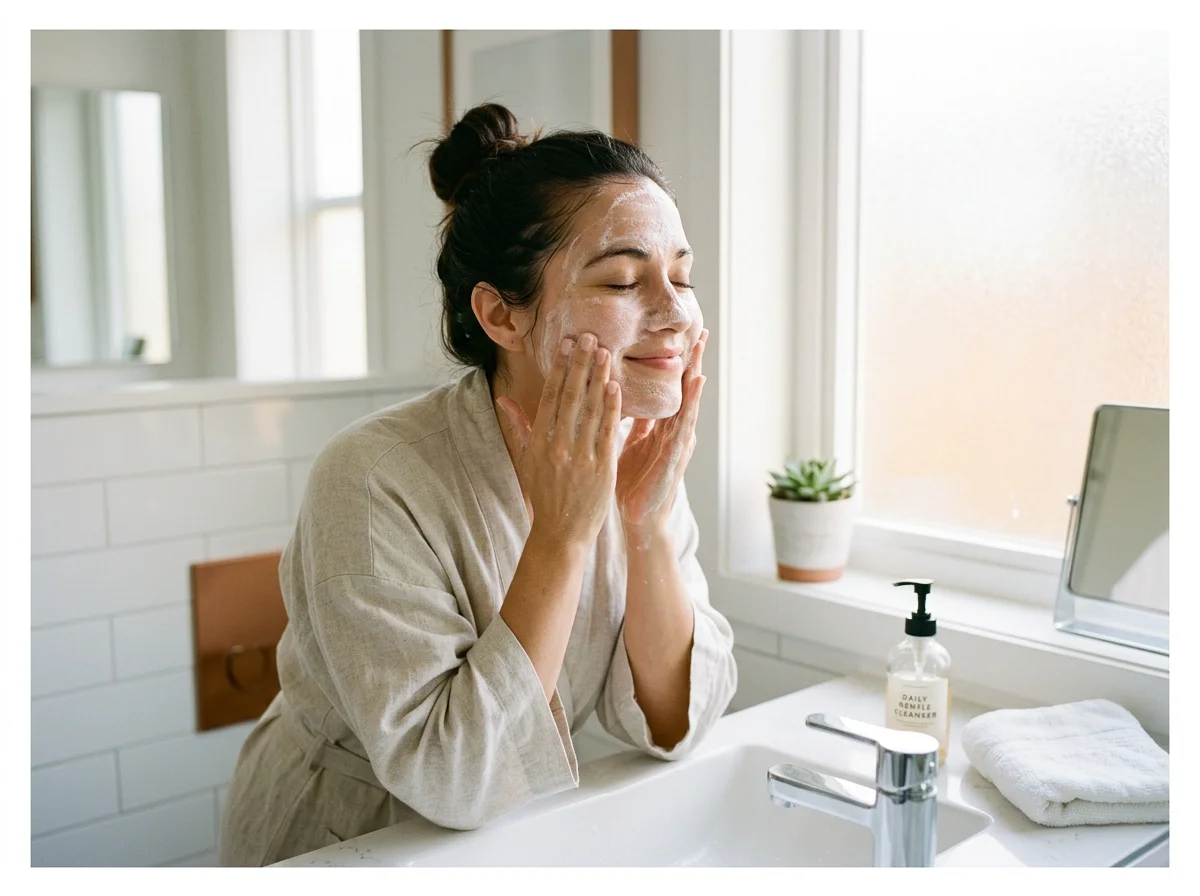
Washing your face morning and night removes dirt, oil, and bacteria that clog pores. Use a gentle, sulfate-free cleanser that does not strip your skin’s natural moisture barrier.
Double cleansing at night, first with an oil-based cleanser then a water-based one, is especially effective if you wear sunscreen or makeup. It leaves your skin truly clean and ready to absorb treatment products.
Never Skip SPF
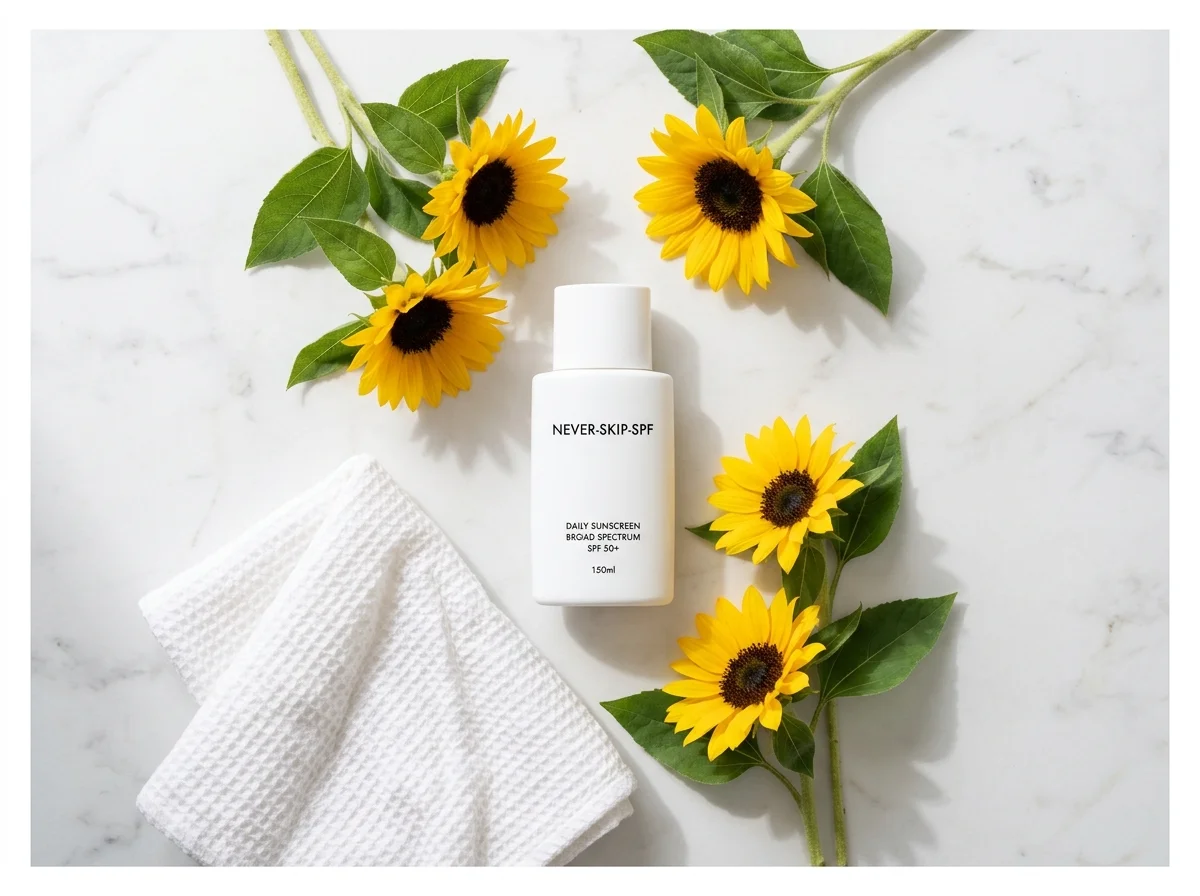
Sun damage is one of the leading causes of uneven skin tone, dark spots, and premature aging. Applying a broad-spectrum SPF 30 or higher every single morning protects all the progress you make with your skincare routine.
Even on cloudy days, UV rays penetrate through and cause damage. A lightweight mineral or chemical sunscreen applied as the last step of your morning routine keeps your skin tone even and your glow lasting longer.
Moisturize Even If You Have Oily Skin
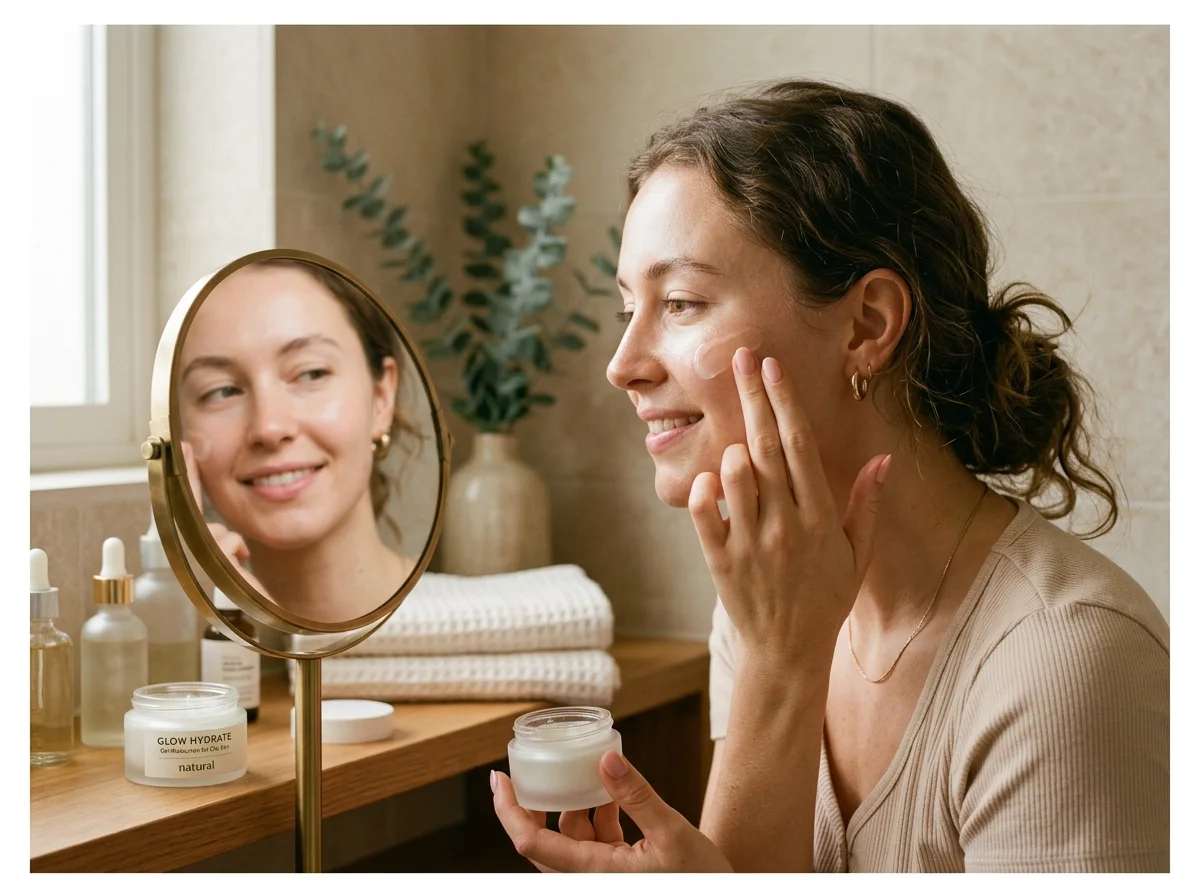
Skipping moisturizer because your skin feels oily actually makes things worse. When skin is dehydrated, it overproduces oil to compensate, which leads to more breakouts and shine.
Choose a lightweight, non-comedogenic gel moisturizer with ingredients like hyaluronic acid or niacinamide. These hydrate without clogging pores and help balance your skin’s oil production over time.
Exfoliate Two to Three Times a Week
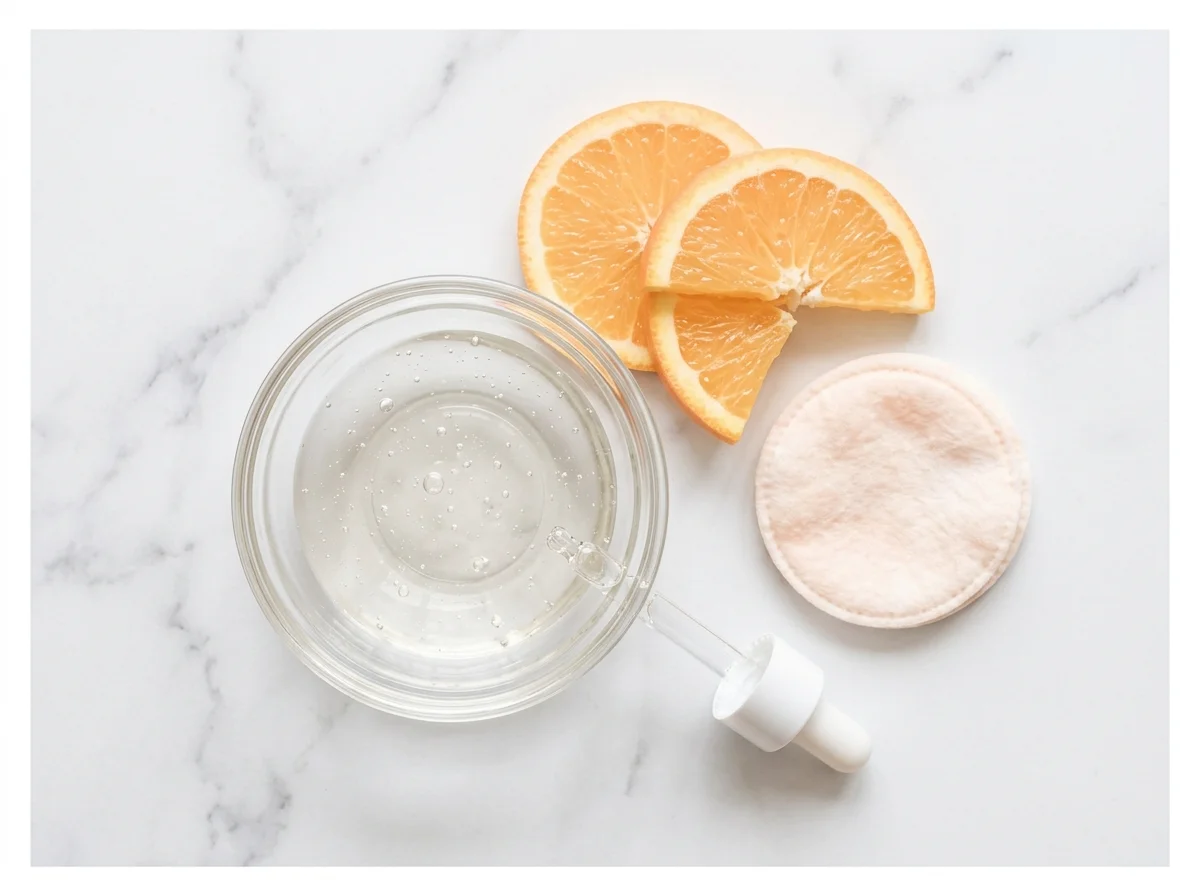
Dead skin cells pile up on the surface and make your complexion look dull and rough. Regular exfoliation removes that buildup so fresh, glowing skin can come through.
Chemical exfoliants like AHA or BHA work better than harsh scrubs for most skin types. Glycolic acid brightens and smooths, while salicylic acid goes deep into pores to clear congestion. Start slow and work up frequency based on how your skin responds.
Use a Vitamin C Serum in the Morning

Vitamin C is one of the most researched ingredients for achieving clear, radiant skin. It fades dark spots, brightens overall tone, and provides antioxidant protection against pollution and UV damage.
Apply a vitamin C serum after cleansing and before moisturizer each morning. Look for L-ascorbic acid at a concentration between 10 and 20 percent for the best results. Consistent use over four to eight weeks shows visible improvement in skin clarity.
Add Retinol to Your Night Routine
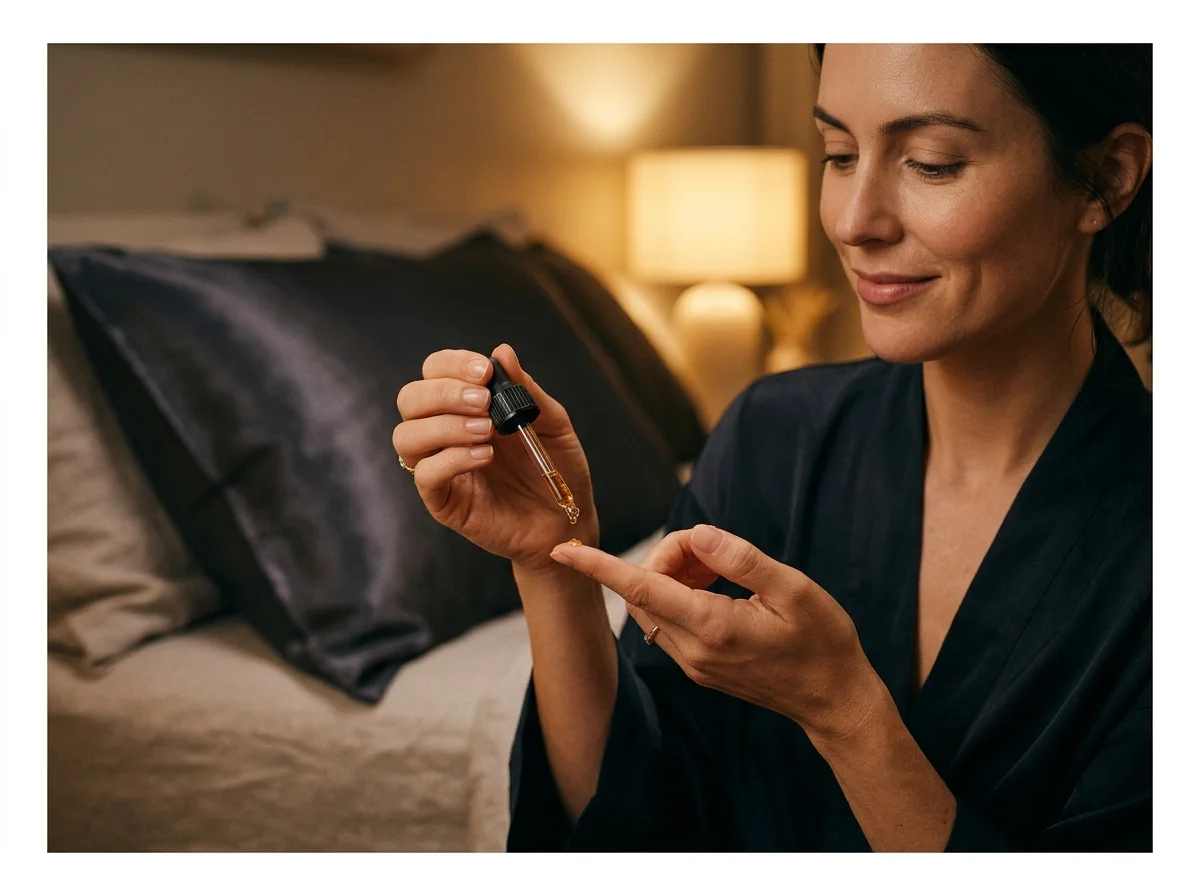
Retinol speeds up cell turnover, which means fresher skin cells reach the surface faster. This helps clear acne, fade post-breakout marks, and smooth fine texture over time.
Start with a low concentration retinol two nights per week to let your skin adjust. Apply it after cleansing, wait for your skin to fully dry, then follow with a rich moisturizer. Retinol makes your skin more sun-sensitive, so always wear SPF the next morning.
Drink More Water Every Day

Hydrated skin looks plumper, clearer, and more even in tone. Dehydration causes your skin to look flat, tight, and more prone to fine lines and dullness.
Aim for at least eight glasses of water daily, and add water-rich foods like cucumber, watermelon, and leafy greens to your meals. The difference in your skin’s texture and radiance when you are consistently well-hydrated is noticeable within just a few days.
Clean Your Pillowcase Weekly

Your pillowcase collects oil, bacteria, sweat, and product residue every single night. Sleeping on a dirty pillowcase is essentially pressing all of that back into your freshly cleansed skin for eight hours.
Switch to a clean pillowcase at least once a week. Silk or satin pillowcases are an even better option because they are gentler on skin, cause less friction, and absorb less product compared to cotton.
Stop Touching Your Face

Your hands carry bacteria and oils from everything you touch throughout the day. Every time you rest your chin in your hand or absentmindedly scratch your cheek, you transfer that directly onto your skin.
Breaking this habit alone can make a noticeable difference in how often you break out. Keep your hands busy during moments when you would normally touch your face, and wash your hands frequently throughout the day.
Never Pop Your Pimples
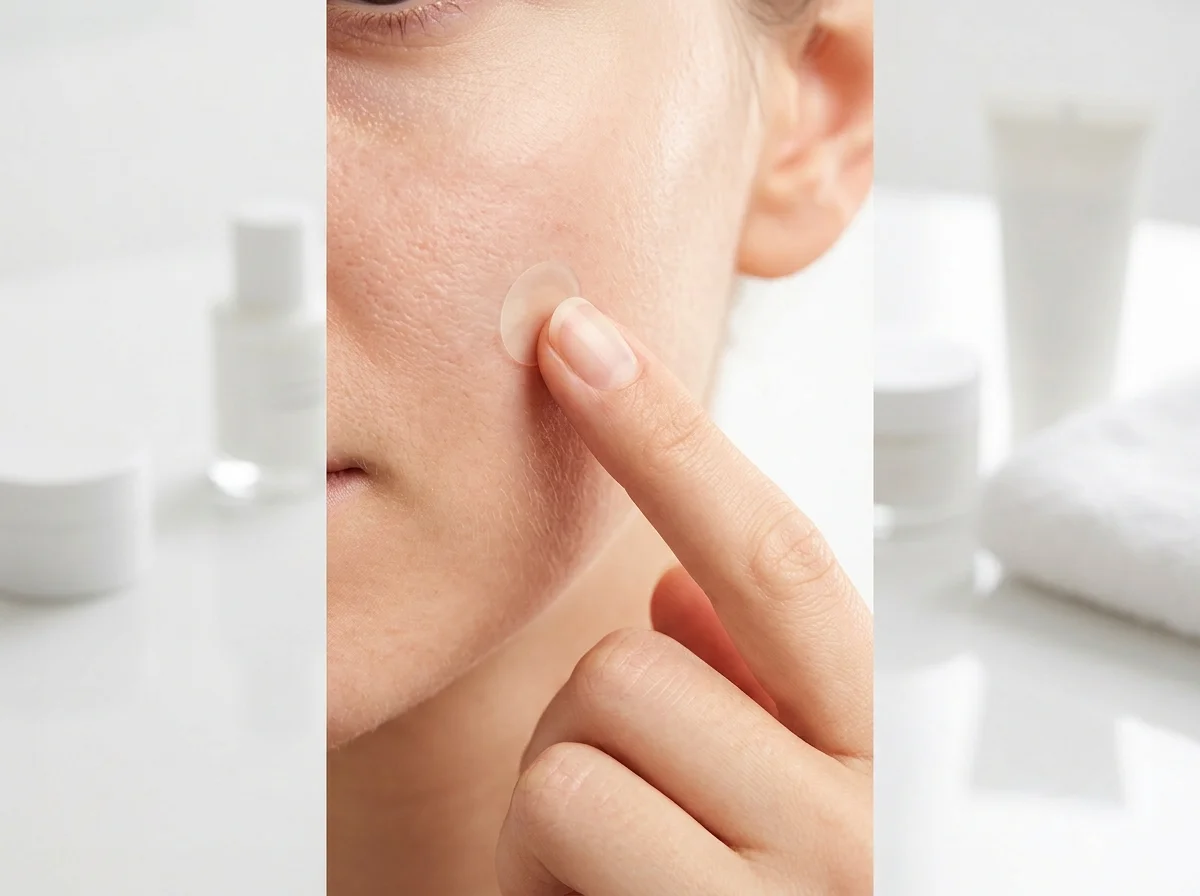
Popping a pimple pushes bacteria deeper into the skin and damages surrounding tissue, which leads to scarring and a longer healing time. What might have cleared in three days can turn into a lingering dark spot that lasts weeks.
Instead, apply a salicylic acid spot treatment or a hydrocolloid patch directly on the blemish. Hydrocolloid patches draw out fluid overnight while protecting the area from bacteria and your own fingers.
Eat Skin-Friendly Foods

What you eat shows up on your skin faster than most people realize. Foods high in sugar and refined carbohydrates spike insulin levels, which triggers oil production and inflammation that leads to breakouts.
Fill your plate with antioxidant-rich foods like berries, spinach, and nuts. Omega-3 fatty acids from salmon, chia seeds, and walnuts reduce skin inflammation and support a strong, healthy moisture barrier from the inside out.
Get Seven to Nine Hours of Sleep

Skin repairs itself while you sleep. Collagen production increases, cell turnover speeds up, and inflammation decreases during deep sleep stages. Consistently poor sleep disrupts all of these processes.
Lack of sleep raises cortisol levels, which breaks down collagen and increases oil production. Making quality sleep a priority is one of the most powerful and free clear skin tips you can follow.
Manage Your Stress Levels

Chronic stress triggers cortisol, which directly worsens acne, eczema, and other inflammatory skin conditions. Many people notice that their skin breaks out badly during stressful periods at work or in their personal life.
Simple stress management habits like daily walks, journaling, breathwork, or even ten minutes of quiet time can lower cortisol. Your skin will reflect the calm you create inside your body.
Use a Niacinamide Product
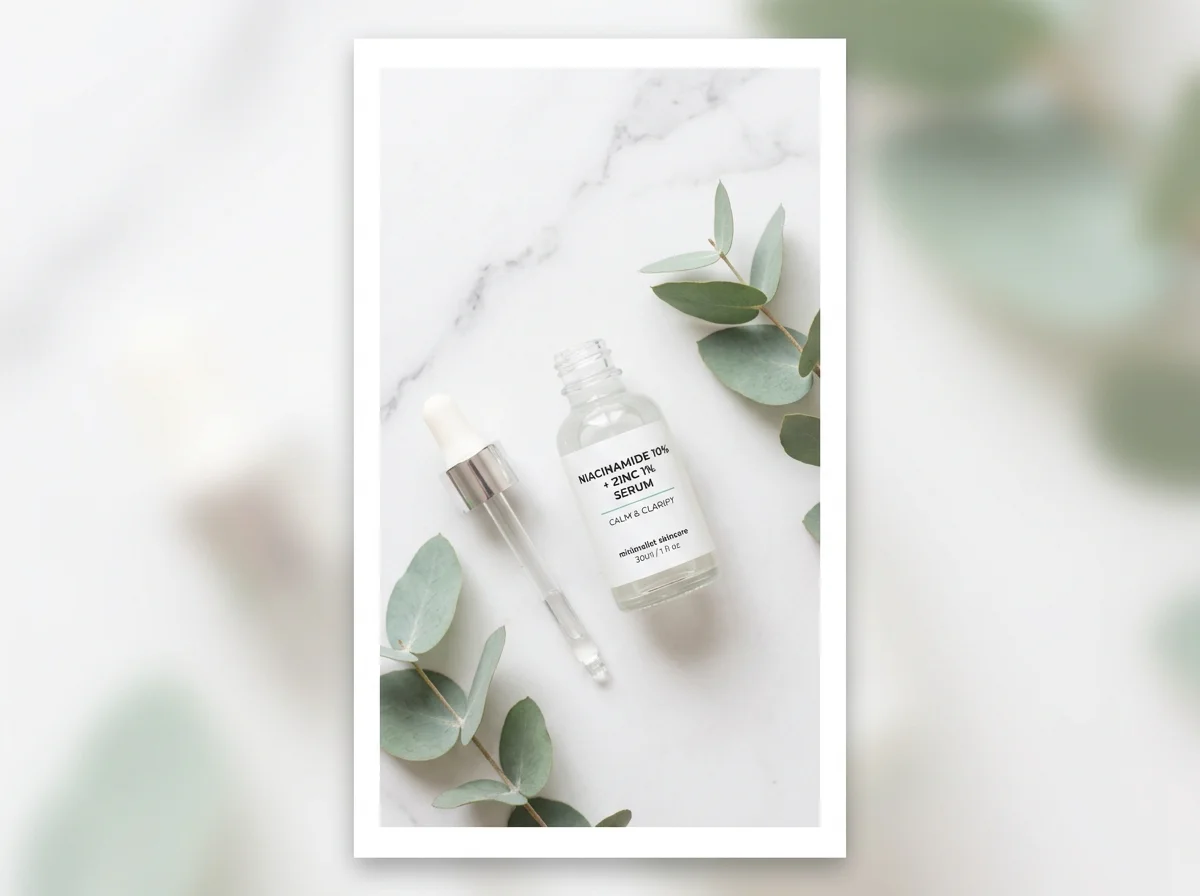
Niacinamide is a form of vitamin B3 that does a lot of heavy lifting for skin clarity. It reduces redness, minimizes pore appearance, fades hyperpigmentation, and strengthens the skin barrier all at once.
It works well in serums or moisturizers and plays nicely with almost every other skincare ingredient. A 5 to 10 percent niacinamide serum used morning and night is one of the most affordable and effective additions to any clear skin routine.
Wash Your Makeup Brushes Regularly
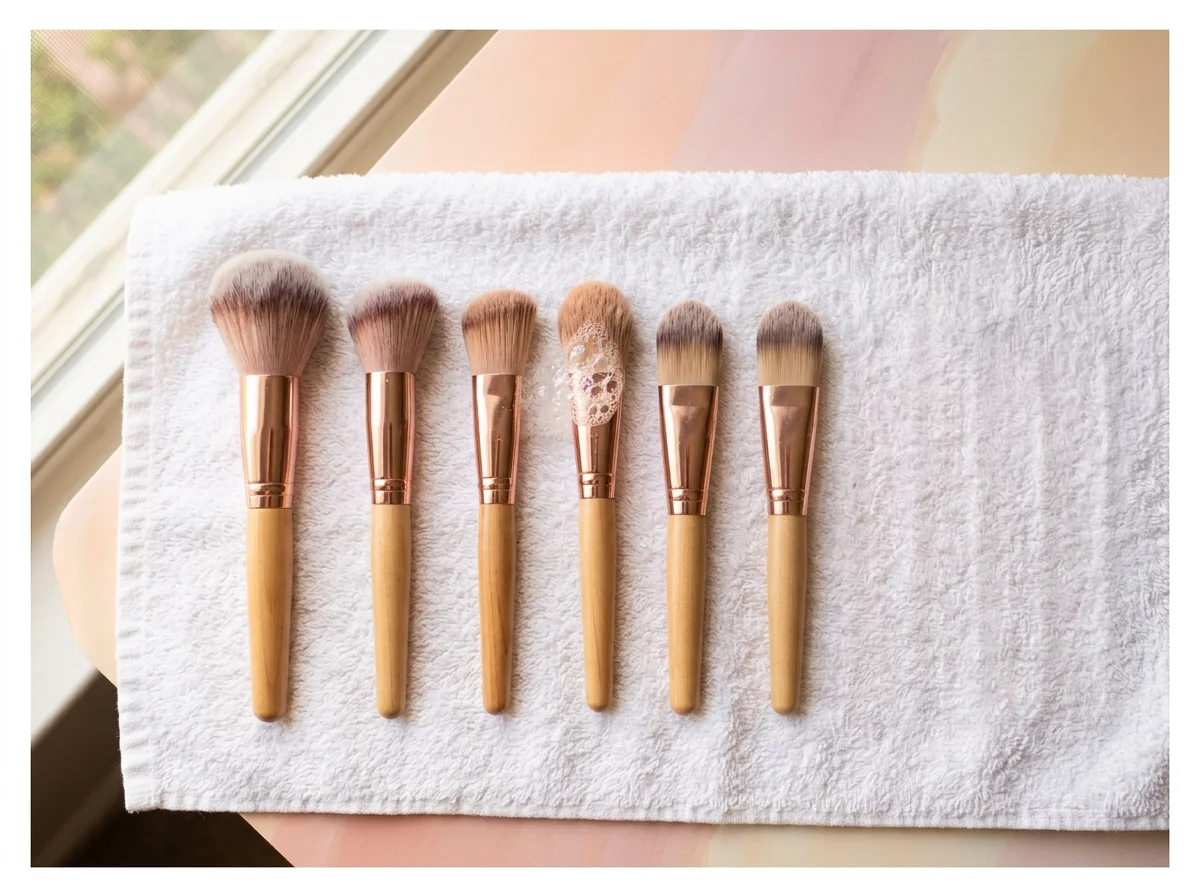
Makeup brushes build up product residue, dead skin cells, and bacteria over time. Using dirty brushes applies all of that directly to your skin every time you do your makeup.
Wash your brushes with a gentle shampoo or brush cleaner at least once a week. Clean tools not only prevent breakouts but also make your makeup application smoother and more even.
Avoid Harsh, Stripping Products
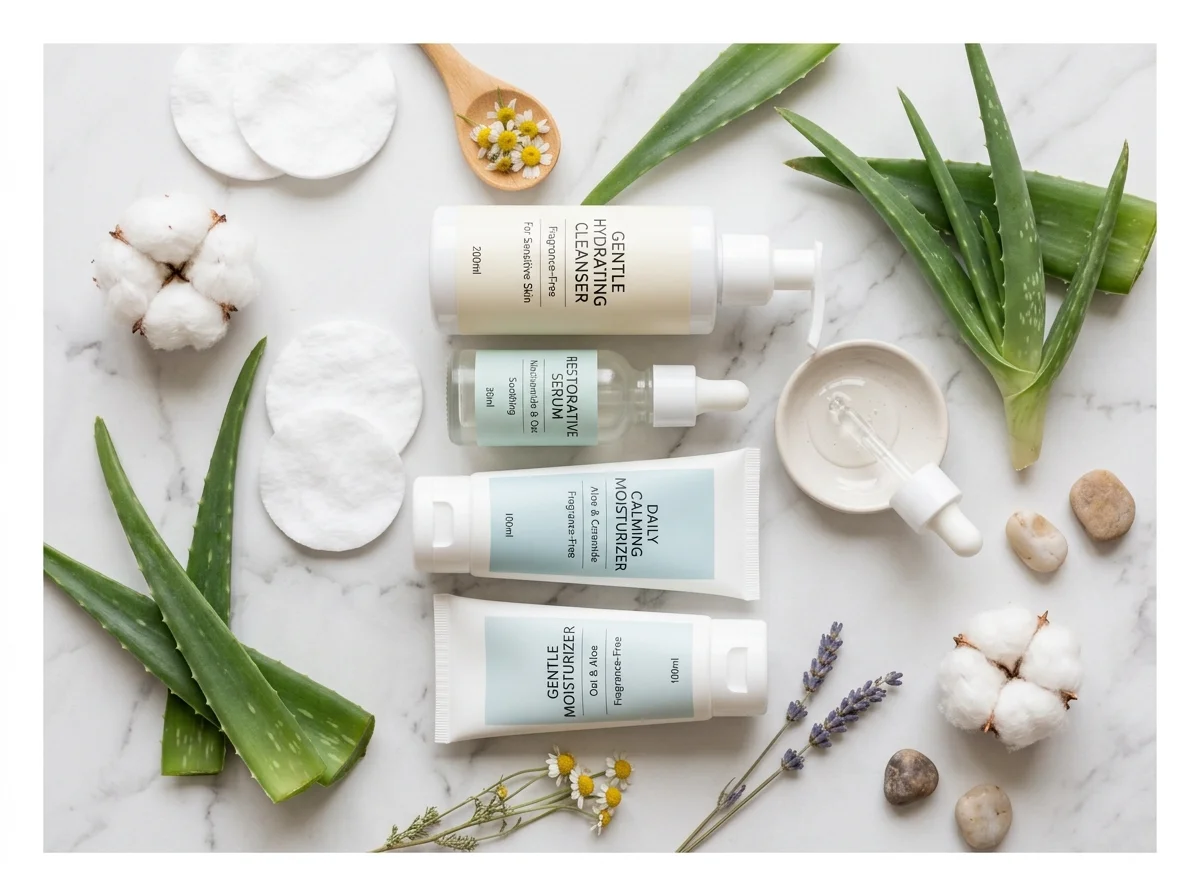
Many people think strong, tingly cleansers and toners mean they are working harder. In reality, products with alcohol, fragrance, and harsh surfactants damage your skin barrier and cause irritation, redness, and more breakouts.
Look for fragrance-free, gentle formulas designed for sensitive or acne-prone skin. A strong skin barrier is the foundation of clear skin because it keeps irritants out and moisture in.
Incorporate Face Masks Weekly

A weekly face mask is a targeted treatment that addresses specific skin concerns beyond your daily routine. Clay masks absorb excess oil and draw out impurities from pores, while hydrating sheet masks restore plumpness and calm redness.
Choosing the right mask for your skin type makes a real difference. Oily and acne-prone skin benefits from kaolin or bentonite clay, while dry and sensitive skin responds better to hyaluronic acid or aloe vera-based masks.
Stay Consistent With Your Routine
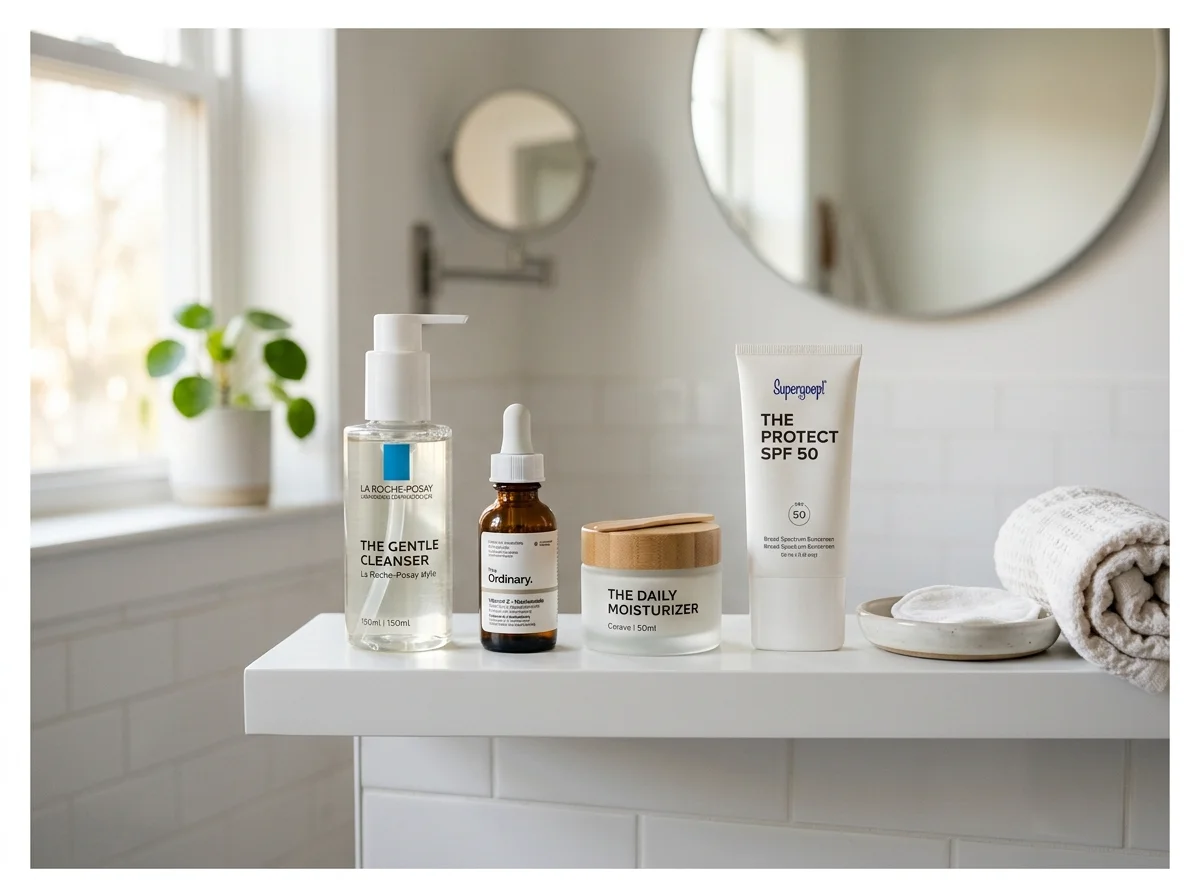
Consistency is the single most important factor in any clear skin routine. Switching products every two weeks before they have time to work prevents you from ever seeing real results, and it can cause unnecessary irritation.
Give any new product or routine at least four to six weeks before judging whether it works. Skin cycles through about 28 days, so meaningful changes take time. Stick with it and the results will come.
See a Dermatologist When Needed

Over-the-counter products handle mild to moderate skin concerns well, but persistent acne, deep cystic breakouts, or stubborn hyperpigmentation often need professional guidance. A dermatologist can prescribe treatments that are simply not available without a prescription.
Seeing a skin professional is not a last resort, it is a smart step. Prescription retinoids, topical antibiotics, and professional treatments like chemical peels or laser therapy can resolve issues in a fraction of the time that self-treating takes.
Conclusion
Clear, glowing skin does not happen overnight, but it does happen with the right habits applied consistently. From your daily SPF to your weekly pillowcase swap, every small choice adds up to a big difference in how your skin looks and feels.
Pick three or four of these clear skin tips to start with today. Build from there, stay patient with the process, and your skin will reward you for it.

Hazel Susan
Hazel Susan is a fashion writer and author at Nova Fashion, specializing in outfit ideas, seasonal trends, beauty inspiration, and everyday style tips. She enjoys helping readers discover practical fashion advice, timeless wardrobe ideas, and the latest fashion trends through easy-to-follow guides. Her goal is to make fashion simple, stylish, and inspiring for everyone.