
There is a red for women who have outgrown bright copper, and it is chestnut red. If you have been searching for chestnut red hair color ideas for women this winter, this guide is for you: chestnut red is rich, deep and quietly powerful, the colour of polished conkers, good leather and a glass of red wine by the fire. It is the red that looks expensive, the red that works in a boardroom and at a Christmas party, and the red that makes people ask who does your hair.
Chestnut red sits in the perfect middle of the red family. It is warmer than auburn and deeper than copper, with enough brown in it to look natural and enough red in it to look deliberate. It flatters almost every skin tone, it works on dark bases and light bases alike, and it ages beautifully, fading to a soft, warm brown rather than washing out to orange. In this guide you will find 13 chestnut red hair color ideas for women, honest advice on bases, cuts and care, and everything you need before you sit in the colourist’s chair.

What Chestnut Red Looks Like
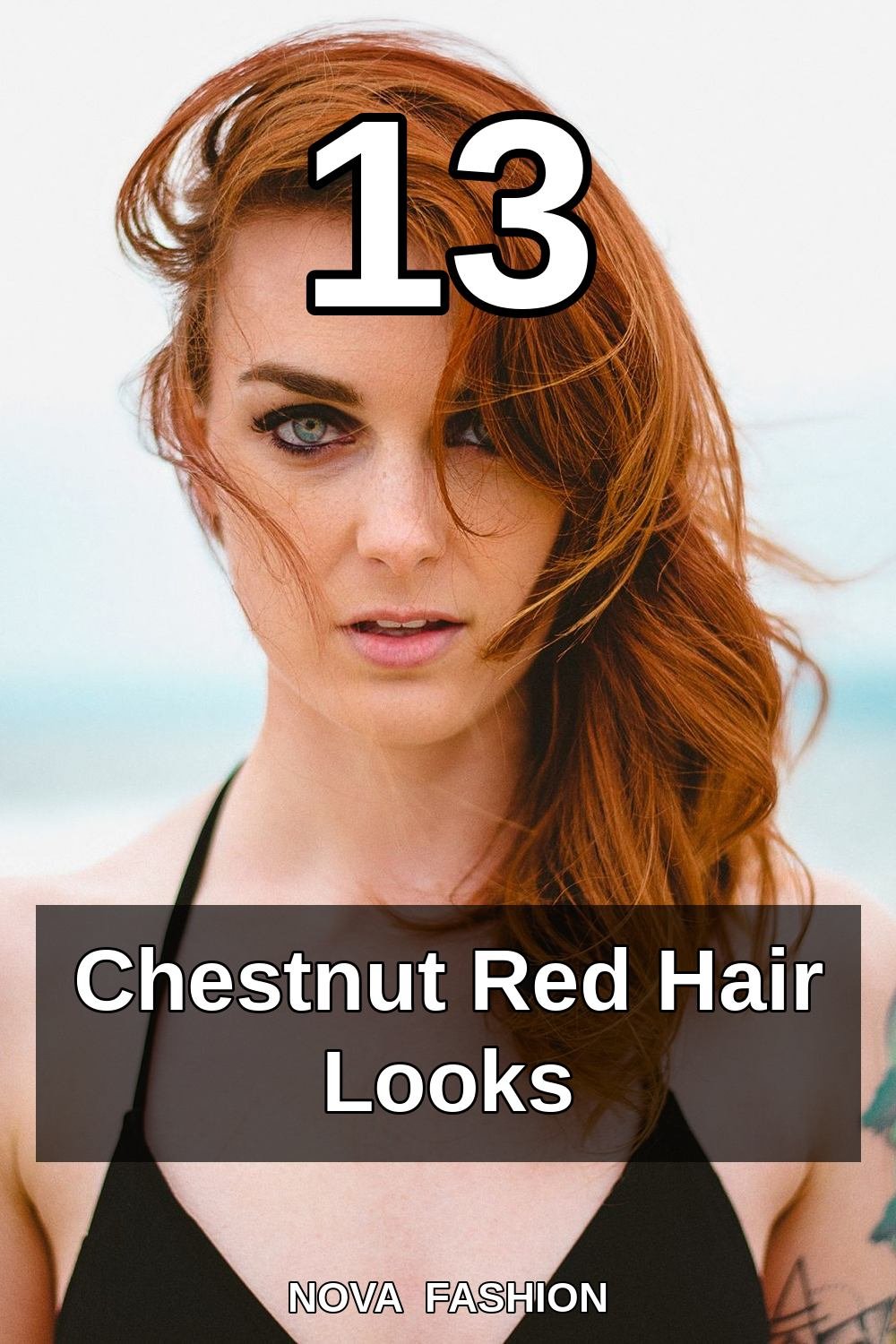
Chestnut red is a deep, warm red-brown: think of the colour of a horse chestnut, polished and glowing, with red tones that catch the light and brown tones that ground it. Indoors it reads as a rich, dark brunette with warmth. In sunlight, the red comes alive, showing copper and mahogany tones that make the hair look lit from within. It is a grown-up red — not the bright, look-at-me copper of summer, but a deeper, more considered shade that suits winter’s darker palette and heavier textures perfectly.
The shade works because it is a colour, not a statement. It does not shout, and that is its power. A chestnut red looks like the hair you were almost born with, only better, which is why it suits women who want a change that feels like an upgrade rather than a transformation. If you love the idea of a rich red but worry that copper will be too bright, chestnut is the answer. For a softer take on the same warm family, the auburn hair color ideas for winter show how the shade looks when the red is dialled down just a little further.
The Colour, Explained
Ask your colourist for a level 5 or 6 warm red-brown, with the red kept in the warm family — copper and mahogany tones, never violet or blue-based red. On dark hair, chestnut red is usually applied as an all-over colour with a gloss to add shine. On lighter hair, it may need a filler first so the red has something to hold on to, otherwise it can fade quickly. Bring photos in different lights, because chestnut red changes dramatically between indoor and outdoor light, and a picture taken in sunlight will show your colourist the red you actually want. A good colourist will also check your skin’s undertones: chestnut red loves warm and neutral skin, and it can be adjusted cooler with a little more brown for very cool skin tones.
Why Chestnut Red Works in Winter
Winter is chestnut red’s natural season. The shade looks its best against winter’s palette — camel coats, cream knitwear, black tailoring and deep burgundy all make chestnut hair glow, while the low winter sun brings out the red tones in a way that flat summer light never does. It also survives winter better than brighter reds, because the brown base means it fades gracefully rather than going brassy, and it needs less frequent refreshing than a vivid copper. Add a deep red lip and a gold hoop and the whole look reads intentional, even if you got dressed in six minutes.
The 13 Chestnut Red Hair Color Ideas for Women
Thirteen ways to wear the shade, from the purest classic to the boldest party-ready version. Some are about depth, some are about the cut they sit on, and some are about the finish — but every one of them keeps the warm, rich brown-red balance that makes chestnut red what it is. Save the ones you love and show your colourist the whole list, not just one photo: a good colourist will mix two or three of these ideas into a version that fits your skin, your hair and your life.
Looks 1–5: The Rich Classics
The first five are the foundation of the whole trend. They are the versions that work on almost everyone, photograph beautifully, and never look dated, because they rely on the colour itself rather than on styling tricks. If you are going chestnut red for the first time, start here. The classic chestnut is the safest entry point, the deep version is the most dramatic of the five, and the balayage is the one to ask for if you want dimension without commitment. These are also the easiest to grow out, because the shade fades so gracefully that every stage still looks deliberate.

Looks 6–9: Made for Your Base
The middle four looks are about honesty: the best chestnut red is the one mixed for your base, not for someone else’s. Dark hair needs depth and warmth built in layers, light hair needs a filler so the red has something to hold on to, and the cut you wear changes how the colour reads. These versions are the least fussy to live with, because they are designed around what your hair actually does, and they are the ones your colourist will thank you for asking about. If a red has ever faded badly on you before, this is the section that fixes it.

Looks 10–13: The Statement Finishes
The last four are for women who want their colour to be the outfit. A gloss finish, a smoky tone, face-framing highlights or a party-ready version turns the same chestnut red into something people remember. These versions need a colourist you trust and a little more upkeep — the gloss needs refreshing every few weeks and the highlights need regular toning — but the payoff is a colour that looks completely your own. If your style is already bold, these are the looks that will feel most like you.

- The Classic Chestnut Red. The original and still the best: a deep, warm red-brown all over, with a gloss finish. It suits warm and neutral skin tones and looks immaculate with a camel coat.
- Deep Chestnut Red. Darker and more dramatic, almost aubergine in low light and glowing red in the sun. The most authoritative version of the shade, and the best choice for very dark hair.
- Chestnut Red With Copper Lights. Fine copper highlights woven through the chestnut base add dimension and movement. The copper catches the light while the chestnut keeps the overall look grown-up.
- Chestnut Red Balayage. The chestnut is painted through the lengths with a soft, lived-in root. It grows out beautifully and needs the least upkeep of any version on this list.
- Chestnut Red on a Bob. A sharp bob in chestnut red is the most polished combination in this guide. The blunt line shows off the colour’s depth, and the colour shows off the cut’s shape.
- Chestnut Red With Long Layers. Long, layered hair in chestnut red moves beautifully, with the red tones appearing and disappearing as the layers fall. The most romantic version of the shade.
- Chestnut Red With Curtain Bangs. A soft, face-framing fringe in chestnut red draws attention to the eyes. Ideal if you want the colour to feel softer and more approachable.
- Chestnut Red for Dark Bases. On naturally dark hair, chestnut red is built in layers: a warm base, a red gloss, and a shine treatment. The result is depth rather than brightness, and it looks completely natural.
- Chestnut Red for Light Bases. On blonde or light brown hair, the colourist fills the hair first so the red has something to hold on to. The result is a brighter, more luminous chestnut that still reads as grown-up.
- Chestnut Red With a Gloss Finish. A clear or red-toned gloss over the colour adds mirror shine and seals the red in. This is the version to ask for before a party, because it photographs like a dream.
- Smoky Chestnut Red. A cooler, smokier take on the shade, with the red muted by a little ash. It suits cool skin tones and looks stunning with silver jewellery.
- Chestnut Red With Face-Framing Highlights. Lighter, warmer pieces around the face brighten the complexion without lightening the whole head. The most flattering version for women who worry red will wash them out.
- The Party-Ready Chestnut Red. The full works: rich chestnut base, copper lights, gloss finish and soft waves. Save this one for December, when the light is low and the parties are many.
Chestnut on Dark vs Light Bases
Chestnut red is one of the few reds that genuinely works on both dark and light hair, but the route to the colour is completely different, so tell your colourist what you are starting with before they mix anything. Dark hair needs the red built in layers so it shows up at all. Light hair needs a filler so the red has something to hold on to. Get the approach right and the colour looks expensive and lasts for weeks. Get it wrong and dark hair shows nothing at all, while light hair fades to a washed-out orange in a fortnight.
On Dark Bases: Building the Red in Layers
On naturally dark brown or black hair, chestnut red is painted on as an all-over colour, often with a gentle lift first if the hair is very dark. The colourist will usually apply a warm red-brown, then add a red gloss to bring the red tones forward, and finish with a shine treatment so the colour looks lit from within. The result is depth rather than brightness: indoors your hair reads as a rich, dark brunette with warmth, and in sunlight the red comes alive. Avoid going too bright on a dark base, as the contrast can look harsh; the beauty of chestnut on dark hair is its subtlety.

On Light Bases: Filling First, Then Colouring
On blonde or light brown hair, the colourist will fill the hair first — applying a warm golden or copper tone to replace the pigment that light hair is missing — and then apply the chestnut red over the top. Without the filler, the red has nothing to grip and fades within two weeks, often to a strange pinky-orange. With it, the colour lasts six weeks or more and fades gracefully to a warm brown. Light bases also take the red more vividly, so the result is a brighter, more luminous chestnut. If your hair is very light, ask your colourist to go a shade deeper than you think you want, because the first wash always takes a little of the brightness away.
Chestnut + a Great Cut
Colour and cut are partners, and chestnut red is at its best when the cut shows it off. A sharp, blunt shape shows the colour’s depth and makes the red look deliberate. Long layers show its movement, with the red tones appearing and disappearing as the hair falls. The worst thing you can do to chestnut red is pair it with a shapeless cut, because the colour needs a frame to look expensive. Choose your cut first, then your colour, and tell your colourist what you are wearing it on.
Chestnut + a Bob
A bob in chestnut red is the most polished combination in this guide. The blunt line shows off the colour’s depth, the colour shows off the cut’s shape, and together they look like a decision rather than an accident. A jaw-length bob is the most striking version, while a shoulder-grazing bob is the most forgiving. Add a deep side part and the red falls in a single, glossy sweep that photographs beautifully. If you are thinking about a bob to go with your new colour, the jet black blunt bob shows how powerful a blunt shape can be, and chestnut red softens that power into something warmer.

Chestnut + Layers and Long Hair
Long, layered hair in chestnut red is the most romantic version of the shade. The layers let the red tones appear and disappear as the hair moves, so the colour never looks flat, and the length gives the colourist room to add dimension with balayage or face-framing highlights. Ask for long layers rather than short ones, because short layers can make the colour look choppy, and keep the ends healthy — split ends show up far more on coloured hair than on natural hair. A soft wave through the lengths is all the styling this version needs, and it is the one to choose if you want your colour to look effortless rather than done.
Keeping the Red Rich
Red is the fastest-fading colour family, and chestnut red is no exception — but it fades more gracefully than most, because the brown base holds on long after the brightest red tones have softened. The difference between a chestnut red that still looks rich at six weeks and one that looks tired at three is almost entirely down to care. Wash less, wash cooler, and use products made for coloured hair, and your chestnut will reward you by staying deep and glossy for weeks longer than you expect.
Colour-Safe Care
Use a sulphate-free shampoo made for coloured hair, and wash your hair in lukewarm water rather than hot, because heat opens the cuticle and lets the red escape. Wash two or three times a week rather than every day, and use dry shampoo in between rather than reaching for the bottle. A weekly deep-conditioning mask keeps the hair healthy, and healthy hair holds colour far better than damaged hair. Avoid clarifying shampoos and long, hot showers, and wear a hat or a UV-protective spray in strong sun, because sunlight fades red faster than almost anything else. These small habits add up to weeks of extra richness.
Gloss and Refresh
Book a gloss treatment every four to six weeks, between full colour appointments. A gloss takes twenty minutes, costs far less than a full colour, and puts the shine and the red tones back in one step. It is the single best investment you can make in a chestnut red. Between appointments, a colour-depositing conditioner in a warm red-brown will top the colour up at home — use it once a fortnight, leave it on for five minutes, and your chestnut will look freshly done. For a deeper take on the same warm family, the mahogany auburn hair color ideas show how the shade looks when the red is taken a little deeper and richer.
Chestnut for Parties vs Everyday
One of chestnut red’s greatest strengths is that it works just as well on a Tuesday as it does on a Saturday night. The same shade reads as polished and professional in daylight and as rich and glamorous in evening light, which means you never have to choose between a colour for work and a colour for play. The difference is entirely in the styling: the same chestnut red can be sleek and neat for the office, or wavy and glossy for a party, and both versions look completely intentional.
Chestnut for Parties
For parties, add gloss, waves and a little drama. A red-toned gloss the week before the party puts the shine back, soft waves through the lengths show off the colour’s dimension, and a deep side part adds glamour. Pair it with a dark green or black dress and gold jewellery, and the chestnut red becomes the centrepiece of the outfit. A burgundy or deep red lip picks up the red tones in the hair and ties the whole look together. This is the version to save for December, when the light is low, the parties are many, and your hair deserves to be noticed.
Chestnut for Everyday
For everyday, keep it simple: the colour does the work. A smooth blow-dry or a quick air-dry with a little smoothing cream is all the styling a chestnut red needs on a normal day, because the shade itself provides the interest. It looks wonderful with the clothes you already own — camel, cream, navy, black and burgundy all make chestnut hair glow — and it never looks overdone at the school gate or in a meeting. That is the quiet genius of this shade: it is a statement colour that never shouts, and it makes an ordinary Tuesday feel a little more polished.
Frequently Asked Questions About Chestnut Red
Will chestnut red suit my skin tone? Almost certainly. Chestnut red flatters warm and neutral skin tones beautifully, and it can be adjusted cooler with more brown for cool skin. If you have very fair skin, ask for a slightly deeper chestnut so the colour does not wash you out, and add face-framing highlights to brighten your complexion.
How long does chestnut red last? Expect four to six weeks of rich colour with proper care, fading gracefully to a warm brown after that. Colour-safe shampoo, cooler water and a gloss treatment every four to six weeks will keep it looking fresh for the full six weeks.
Should I go semi-permanent or permanent? If you are trying chestnut red for the first time, go semi-permanent: it lasts four to six weeks, fades gracefully, and lets you change your mind without growing the colour out. If you love it and want it to last, switch to permanent at your next appointment. Semi-permanent is also gentler on the hair, which matters if your hair is fine or damaged.
Can I get chestnut red at home? You can, but a salon gives a far better result, because chestnut red needs the right base, the right filler on light hair, and an even application. If you do colour at home, choose a shade one level deeper than you think you want, do a strand test first, and use a colour-depositing conditioner afterwards. For a bolder take on the same warm family, the cherry cola brunette shows how far a rich red-brown can go.

Save this look on Pinterest. Love this shade? Pin it for your next salon visit.
Want a caption that does your pin justice? Try Nova Fashion’s free Pinterest Caption & Pin Generator and create your own pin caption in seconds.
Chestnut red is not just a hair colour, it is a decision to look like the most polished version of yourself. It says you know what you like, you know what suits you, and you are not waiting for permission to look expensive. Book the appointment, take this list with you, and show your colourist the version that feels most like you. Then enjoy the strange pleasure of a colour that makes getting dressed easier, mornings shorter and every coat you own look better. And when you love it — and you will — save this guide on Pinterest and follow Nova Fashion on Pinterest for more winter hair ideas, because the best colour is the one you never have to think about twice.
Before you book, here is the short version. If you only remember five things from this guide, make them these: choose chestnut, not copper, if you want a red that looks grown-up; tell your colourist your base before they mix anything, because dark and light hair need completely different approaches; wash less and wash cooler, because heat and frequency are what fade red fastest; book a gloss every four to six weeks, because it is the cheapest way to keep the colour rich; and bring photos in different lights, because chestnut red changes between indoors and sunlight. Get those five things right and the colour will look after itself.
It also helps to walk in knowing exactly what to say. Try this: “I would like a chestnut red, a level 5 or 6 warm red-brown, with copper tones rather than violet” — then show your colourist two or three photos from this guide, including one taken in sunlight. Mention whether you want it all over or as a balayage, say whether you are happy to come back for a gloss, and be honest about how often you actually wash your hair. A good colourist would rather hear “twice a week” than discover the truth at your next appointment, and they will mix you a version of chestnut red that fits the life you really live, not the life you wish you lived.
Enjoy your chestnut red — and follow Nova Fashion on Pinterest for the next winter hair idea before it trends.
Pingback: Teak Brown Hair Color Ideas for Women: 13 Warm, Glowy Winter Browns Nova Fashion