
If your scalp starts itching the moment the heating comes on, this guide is for you. A winter scalp care routine for dry itchy scalp is not about buying the most expensive shampoo on the shelf — it is about understanding why winter dries your scalp out and giving it the gentle, consistent care it needs to calm down. Cold air outside, dry heated air inside, hot showers, wool hats, and heavy styling products all gang up on the scalp in winter, and the result is familiar: tightness, flakes, itching, and the constant urge to scratch.
Below are 13 winter scalp care routines for a dry, itchy scalp that actually work in real life. No harsh treatments, no expensive salon visits, and no miracle promises. Just gentler washing, soothing moisture, a little exfoliation, and habits that keep your scalp comfortable all winter. Pick three routines, try them for two weeks, and add more as they become habit — most people notice the itching ease within the first week.
In this guide we will look at why winter dries out your scalp, the golden rules that make every other step work better, and then the 13 routines themselves, grouped into gentle cleansing and exfoliation, oils, masks and moisture, and habits that calm an itchy scalp. There is a short FAQ at the end for the questions everyone with an itchy winter scalp asks in January. Everything here is soothing, practical, and easy to start tonight.

Why Winter Dries Out Your Scalp
Your scalp is skin, and it reacts to winter the same way the skin on your face does: cold air outside strips moisture, heated air inside dries it further, and hot showers wash away the natural oils that protect it. The result is a scalp barrier that is compromised — it loses water faster than it can replace it, which causes tightness, flaking, and itching. Add a wool hat trapping heat and sweat against the scalp, and heavy styling products building up on the skin, and you have a scalp that is irritated from every direction at once.
It helps to know the difference between a dry scalp and dandruff, because they need different care. A dry scalp produces small, dry, white flakes and feels tight and itchy all over; it improves with moisture and gentler washing. Dandruff produces larger, oily, yellowish flakes, often with redness, and is linked to a yeast that lives on the scalp — it usually needs a medicated shampoo. If you are not sure which you have, try the gentle routines below for two weeks; if the flaking and itching do not improve, or the scalp is red, sore, or weeping, see a dermatologist rather than trying stronger products at home.
The encouraging news is that a dry, itchy winter scalp usually responds quickly to the right care. The scalp heals fast when you stop stripping it and start soothing it: lukewarm water, a gentle shampoo, a little oil, and a weekly mask are often enough to break the itch-scratch cycle within days. The routines below are ordered from the most important to the most optional, so start at the top and work down.
Indoor heating deserves a special mention, because it is the hidden driver of most winter scalp problems. Central heating drops indoor humidity to desert levels, and the scalp loses moisture to the dry air all day and all night. A humidifier in the bedroom helps more than most people expect: it keeps the air around your head moist while you sleep, which is when the scalp does most of its recovering. If a humidifier is not an option, a bowl of water near a radiator, or simply keeping the bedroom door open for better air circulation, can take the edge off the dryness.

The Golden Rules of Winter Scalp Care
Before the thirteen routines, lock in five golden rules. First, be gentle: the scalp is sensitive skin, and scrubbing, scratching, and harsh products make it worse, not better. Second, wash less and moisturize more — a dry scalp rarely needs more shampooing, but it almost always needs more moisture. Third, keep the water lukewarm: hot water strips the scalp’s protective oils and triggers more itching. Fourth, keep products off the scalp unless they are made for it — conditioners, oils, and styling products belong on the lengths, not the skin.
Fifth, do not scratch. Scratching feels good for a second and makes everything worse for days: it breaks the skin, causes inflammation, and invites infection. When the itch strikes, press a cool, damp cloth against the scalp, or massage gently with your fingertips instead. And a bonus rule that underpins all the others: be consistent. A scalp mask used once will not transform your scalp, but a mask used every Sunday for six weeks absolutely will. Keep the routine simple enough to repeat, and let the results build.

Routines 1–5: Gentle Cleansing and Exfoliation
The first five routines are about washing — or rather, about washing less harshly. A dry, itchy scalp is usually an over-washed, over-stripped scalp, and the fix is not more cleaning but better cleaning. Start here, even if you change nothing else.
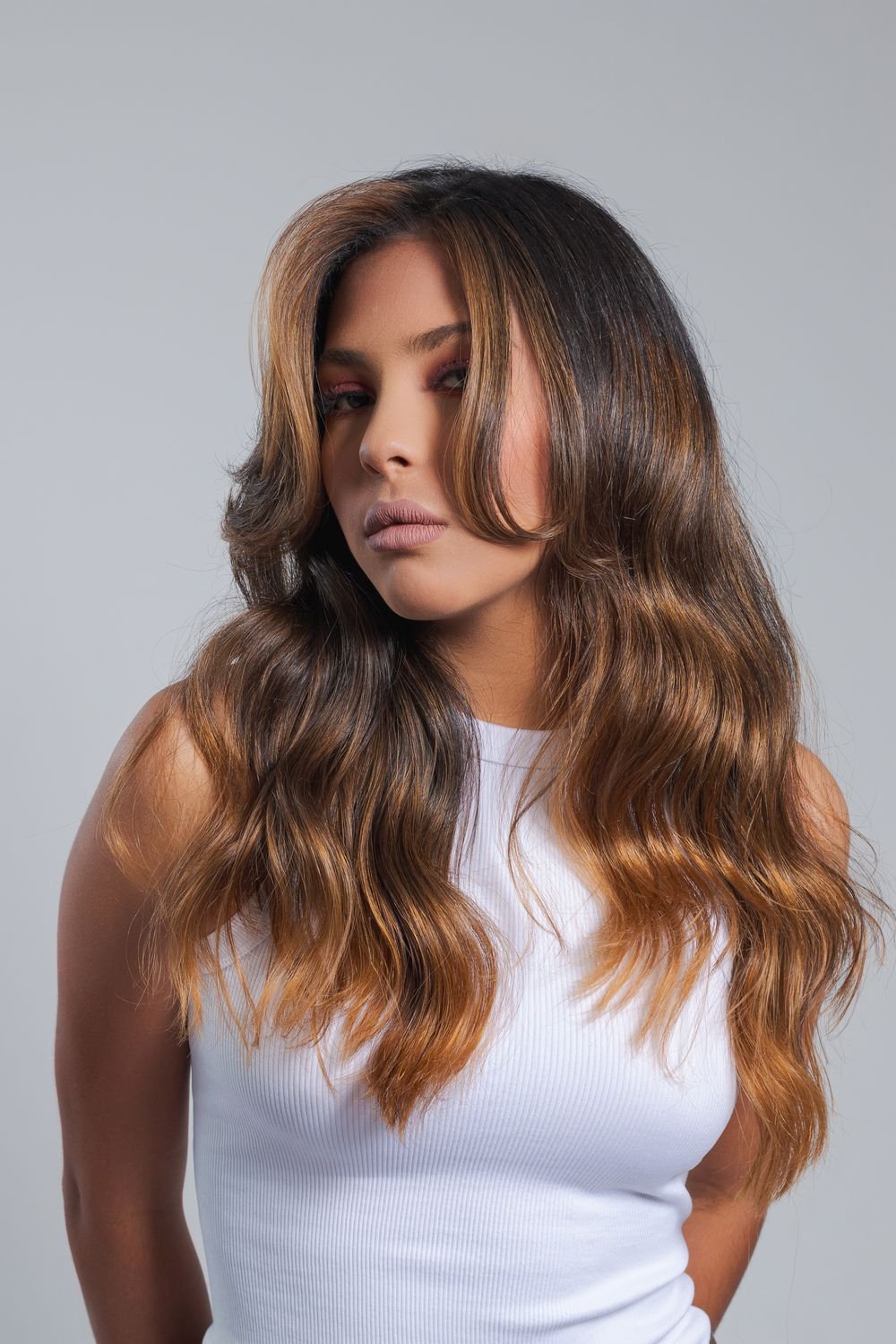
1. Wash With Lukewarm Water and a Gentle Shampoo
Hot water is the enemy of a dry scalp. It strips the natural oils that protect the skin, and the scalp responds with tightness, flaking, and itching. Switch to lukewarm water for washing and rinsing — warm enough to feel comfortable, never hot — and choose a gentle, sulfate-free shampoo made for sensitive or dry scalps. Massage it in with your fingertips, not your nails, using small circular motions, and let the lather run down the lengths as you rinse. The ends do not need direct shampooing. If your scalp is very irritated, look for a shampoo with soothing ingredients like aloe, oat, or glycerin, and avoid anything with a strong fragrance or a long list of alcohols, which dry the skin further.
2. Exfoliate Your Scalp Once a Week
Just like the skin on your face, your scalp benefits from exfoliation — gently. A scalp scrub or an exfoliating shampoo used once a week removes dead skin, flakes, and product build-up from the hair follicles, which helps the scalp breathe and absorb moisture properly. Massage the scrub in with your fingertips in small circles for two or three minutes, then rinse and shampoo as usual. Do not scrub hard: the scalp is sensitive, and aggressive scrubbing causes irritation that triggers more itching. If you prefer a DIY option, a teaspoon of fine sugar mixed into your shampoo works as a gentle exfoliant, but a purpose-made scalp scrub is easier and less messy. Exfoliate once a week, not more — over-exfoliating strips the scalp and makes dryness worse.
3. Try a Soothing Scalp Scrub
A scalp scrub is different from a regular exfoliant: it is designed to soothe while it cleans. Look for a scrub with calming ingredients such as tea tree, peppermint, or salicylic acid in a low concentration, which helps lift flakes without irritating the skin. Apply it to a wet scalp before shampooing, massage gently for two or three minutes, and rinse well. The massage itself is part of the treatment: it boosts blood flow, loosens flakes, and feels wonderful on an itchy scalp. Use it once a week, and skip it on weeks when your scalp feels raw or sore — soothing comes first, and exfoliation can wait until the skin has calmed down.
4. Rinse Thoroughly to Remove Product Build-Up
Product build-up is a hidden cause of an itchy scalp. Dry shampoo, styling products, and heavy conditioners all leave residue on the skin, and that residue traps oil, sweat, and dead skin against the scalp, which causes itching and flaking. Take an extra thirty seconds to rinse properly: let the water run through your hair until it feels clean and squeaky, not slippery, then give it one more pass. Pay attention to the nape and behind the ears, where product hides. A thorough rinse also helps your other scalp products work better, because they sit on clean skin instead of a layer of residue. Once a month, use a gentle clarifying shampoo to reset everything, followed by a soothing mask.
5. Wash Less Often — But Wash Properly
Every wash strips a little natural oil, and a dry scalp cannot afford to lose much. Stretch your washes to two or three times a week if you can, and use dry shampoo at the roots on the days in between — but apply it the night before, so it absorbs overnight, and do not use it more than two days in a row, because the build-up itself becomes the problem. When you do wash, wash properly: lukewarm water, a gentle shampoo, a thorough rinse, and a soothing conditioner on the lengths. Washing less often but washing well is far better for a dry scalp than washing daily with a harsh shampoo. If your scalp is very itchy, a water-only rinse on non-wash days can refresh it without stripping anything.

Routines 6–9: Oils, Masks and Moisture
The next four routines put moisture back into the scalp. A dry scalp is a thirsty scalp, and these habits feed it directly — with oils, masks, and gentle treatments that soothe the itch and restore the skin barrier.
6. Massage in a Lightweight Scalp Oil
A scalp oil is the fastest way to calm an itchy, dry scalp. Warm a few drops of a lightweight oil such as jojoba, argan, or sweet almond between your palms, part your hair in sections, and massage the oil directly into the scalp with your fingertips. Leave it for at least thirty minutes — or overnight under a shower cap if your scalp is very dry — then shampoo as usual. Jojoba is the best choice for most people, because it is the closest to the scalp’s own sebum and absorbs easily without feeling greasy. Use it once or twice a week, and do not overdo the amount: a teaspoon is enough for the whole scalp. If you want a fuller oiling ritual, our guide to a hair oiling routine for winter dry hair walks through a nine-step routine that pairs beautifully with the habits in this guide.
7. Try a Pre-Wash Oil Treatment
A pre-wash oil treatment is like a drink of water for a dry scalp. Once a week, before you wash, warm a tablespoon of coconut, olive, or sweet almond oil, massage it into the scalp and through the lengths, and leave it for at least thirty minutes — or overnight under a shower cap if your scalp is very dry. Then shampoo as usual, twice if needed to remove the oil. This treatment does two things: it softens flakes so they wash away easily, and it protects the scalp from being stripped by the shampoo. If coconut oil feels too heavy for your hair, jojoba is the lightest option. Do this the night before a wash day and you will notice the difference the next morning: a scalp that feels comfortable instead of tight, and hair that combs through easily.
8. Apply a Soothing Scalp Mask Weekly
A scalp mask is a deep treatment for the skin under your hair. Once a week, after shampooing, apply a soothing mask or a dedicated scalp treatment to the scalp — not the lengths — and leave it for ten to twenty minutes. Look for masks with aloe, oat, honey, or hyaluronic acid, which calm irritation and add moisture. Rinse with lukewarm water and follow with a light conditioner on the ends. If your scalp is very itchy, a mask with a little tea tree or peppermint can feel wonderfully cooling, but patch test first, because strong essential oils can irritate sensitive skin. A weekly mask is the habit that most people credit with finally breaking the itch cycle, because it gives the scalp a full week of calm to recover in.
9. Use a Leave-In Conditioner on the Lengths Only
A leave-in conditioner is daily armor for your hair, but it belongs on the lengths, not the scalp. Spray or smooth it through damp hair after every wash, focusing on the mid-lengths and ends, where winter dryness hits hardest. Look for a leave-in with heat protection built in, so one product does two jobs, and choose a lightweight spray or milk rather than a heavy cream. Keeping leave-in off the scalp matters, because product on the scalp traps oil and flakes and makes itching worse. On non-wash days, a light mist over the lengths is enough to calm frizz and refresh the style without a full wash — and without disturbing the scalp at all.

Routines 10–13: Habits That Calm an Itchy Scalp
The last four routines are about the habits around your hair — how you sleep, what you wear on your head, and what you avoid. They are small changes with an outsized effect on an itchy scalp, and they cost almost nothing.
10. Stop Scratching — Soothe Instead
Scratching feels good for a second and makes everything worse for days. It breaks the skin, causes inflammation, and can lead to infection — and the more you scratch, the more it itches, because the damaged skin is even more sensitive. When the itch strikes, press a cool, damp cloth against the scalp for a minute, or massage gently with your fingertips in small circles. A drop of peppermint or tea tree oil diluted in a carrier oil, dabbed on the itchy spot, can also calm the sensation. Keep your nails short and clean so that if you do scratch in your sleep, you do less damage. Breaking the scratch cycle is the single most important habit for a dry, itchy scalp — everything else works better once the skin has a chance to heal.
11. Sleep on a Silk Pillowcase
Cotton pillowcases create friction all night, and a dry scalp is sensitive enough that eight hours of rubbing can mean morning itching and flakes. A silk or satin pillowcase lets your hair slide instead of catching, which means less friction on the scalp and fewer tangles to fight in the morning. Add a loose, low braid before bed: it keeps the lengths contained and protects the ends, and it stops your hair from rubbing against the pillow all night. Secure the braid with a silk scrunchie or a spiral hair tie, never a tight elastic. If a silk pillowcase is not in the budget, a satin sleep bonnet or a silk scarf wrapped around your hair does the same job for a fraction of the price.
12. Keep Hats Clean and Silk-Lined
Winter hats are a double problem for an itchy scalp: they trap heat and sweat against the skin, and rough wool irritates it directly. Wash your hats and beanies regularly — at least once a week — so they do not transfer oil, sweat, and product back onto a clean scalp. Better still, choose a hat with a silk or satin lining, or wear a thin silk scarf under your hat so the wool never touches your scalp. If your scalp is very itchy, give it a break from hats whenever you can, and let it breathe. Clean, smooth headwear is a small change that makes a real difference to a dry, itchy scalp in winter.
13. Know What to Avoid — and When to See a Dermatologist
Some things make a dry, itchy scalp worse, and avoiding them is as important as any routine on this list. Avoid hot showers, harsh shampoos with sulfates and strong fragrances, heavy styling products on the scalp, and overusing dry shampoo. Avoid scratching, tight hairstyles that pull on the scalp, and hats that trap heat for hours. And know when to get help: if the itching does not improve after two weeks of gentle care, or if you see redness, swelling, sores, yellow crusts, or hair loss, see a dermatologist. Those can be signs of seborrheic dermatitis, psoriasis, or another scalp condition that needs medical treatment — and getting the right diagnosis early saves months of guessing.
Frequently Asked Questions About Winter Scalp Care for a Dry, Itchy Scalp
How often should I wash my hair if my scalp is dry and itchy? Most people do best washing two or three times a week with a gentle, sulfate-free shampoo. Washing daily strips the scalp and makes dryness worse, while washing too rarely lets flakes and product build up. Use lukewarm water, massage with your fingertips, and rinse thoroughly. On non-wash days, a water-only rinse or a little dry shampoo at the roots — applied the night before — can keep things comfortable without a full wash.
Does oiling the scalp really help with itching? Yes, for most people. A lightweight oil such as jojoba or argan, massaged into the scalp and left for thirty minutes before washing, softens flakes, restores moisture, and calms the itch. Use it once or twice a week, and do not overdo the amount — a teaspoon is enough. If your scalp is very oily as well as itchy, or the itching is severe, oiling may not be enough on its own, and a dermatologist can check whether something else is going on.
Can dry shampoo make an itchy scalp worse? Yes, if you use it too often. Dry shampoo absorbs oil, but the powder itself builds up on the scalp, clogs follicles, and can trigger itching and flaking. Use it on one or two days between washes, apply it the night before so it absorbs overnight, and always follow with a proper wash. If your scalp feels itchy or coated, you are using it too often and need a clarifying wash and a soothing mask to reset.
When should I see a doctor about an itchy scalp? See a dermatologist if the itching does not improve after two weeks of gentle care, or if you notice redness, swelling, sores, yellow crusts, bleeding, or hair loss. Those can be signs of seborrheic dermatitis, psoriasis, eczema, or a fungal infection, all of which need specific treatment. Do not keep trying stronger products at home if the scalp is getting worse — the right diagnosis early saves months of discomfort and guessing.
Can I use hair oil on my scalp if I have dandruff? It depends on the cause. If your flakes are from dryness, a lightweight oil like jojoba usually helps. If your dandruff is the oily, yellowish kind linked to yeast, heavy oils can feed the yeast and make it worse — in that case, a medicated anti-dandruff shampoo is the better choice, and you should skip scalp oils until the flaking is under control. When in doubt, try the oil on a small patch first, and stop if the itching gets worse.

Save This Winter Scalp Care Routine for a Dry, Itchy Scalp
A dry, itchy scalp does not have to ruin your winter. With gentler washing, weekly exfoliation and masks, a little oil, and habits that protect the scalp instead of irritating it, a winter scalp care routine for dry itchy scalp can leave your scalp comfortable, calm, and flake-free by spring. Start with the three routines that feel easiest, give them two weeks, and build from there — consistency beats intensity every time. For more help with the other side of winter hair, our guide to a winter hair care routine for static hair tackles the flyaways and friction that make winter styling so frustrating.
Track your progress for two weeks: notice whether the itching eases, whether the flakes reduce, and whether your scalp feels comfortable by the end of the day. Small wins — a morning without itching, a brush without flakes, a scalp that does not feel tight after washing — are the signs your routine is working. Keep the habits that help, drop the ones that do not, and let the routine become yours.
Save this guide for your next wash day, share it with a friend who is fighting the same itchy-scalp battle, and follow Nova Fashion on Pinterest for more winter hair care ideas, haircut inspiration, and seasonal styling guides all season long.

Want to write your own pin caption? Try Nova Fashion’s free Pinterest Caption & Pin Generator and create a caption for your saved pin in seconds.
Pingback: 19-Step Winter Scalp Care Routine for Dandruff Nova Fashion