
Bronde hair color ideas for women winter — if you have ever stood in the salon torn between blonde and brunette, bronde is the shade that ends the debate. Bronde is brown and blonde blended so seamlessly that you cannot tell where one ends and the other begins, and this winter it is the most flattering, most forgiving colour you can ask for. It is dimensional in low winter light, it grows out gracefully, and it suits almost every skin tone.
In this guide you will find 21 bronde hair color ideas for women this winter, organised by depth and warmth, with notes on who each shade flatters, how it grows out and exactly what to show your stylist. Whether you are a brunette who wants light or a blonde who wants depth, there is a bronde here with your name on it.
What Bronde Actually Is — and Why Winter Loves It
Bronde is not a single colour. It is a technique and a result: a brunette base with blonde woven through it in fine, blended highlights, so the overall effect is neither blonde nor brown but something in between — warm, dimensional and lit from within. The blonde is usually painted on with balayage or fine foils, concentrated around the face and through the ends, while the base stays rich and dark enough to give the colour depth.
Winter is bronde’s best season, because the shade looks its richest in soft, low light, and because the grow-out is so gentle that you will not be chained to the salon through the coldest months. The difference between bronde and balayage is that balayage is a technique — the way the colour is applied — while bronde is the result you are aiming for. Bronde differs from ombre too: ombre has a clear transition from dark roots to light ends, while bronde blends the two all the way through. Bring photos to your appointment, and ask your stylist which depth suits your skin — that conversation is the most important part of the whole process.
1. The Classic Warm Bronde
The classic warm bronde is the shade to start with if you have never tried the colour before. A medium-brown base with warm, honey-blonde pieces woven through the mid-lengths and ends, and a little extra brightness around the face. It suits warm skin tones beautifully, it catches the light in a way that makes the hair look thicker, and it grows out so gently that you will barely notice the regrowth. Ask your stylist for a level-six brown base with honey balayage, and save a photo of the exact warmth you like — warm bronde can drift brassy if the toner is wrong, so the photo is your insurance. This is the bronde that works for the office, for a wedding and for every day in between.
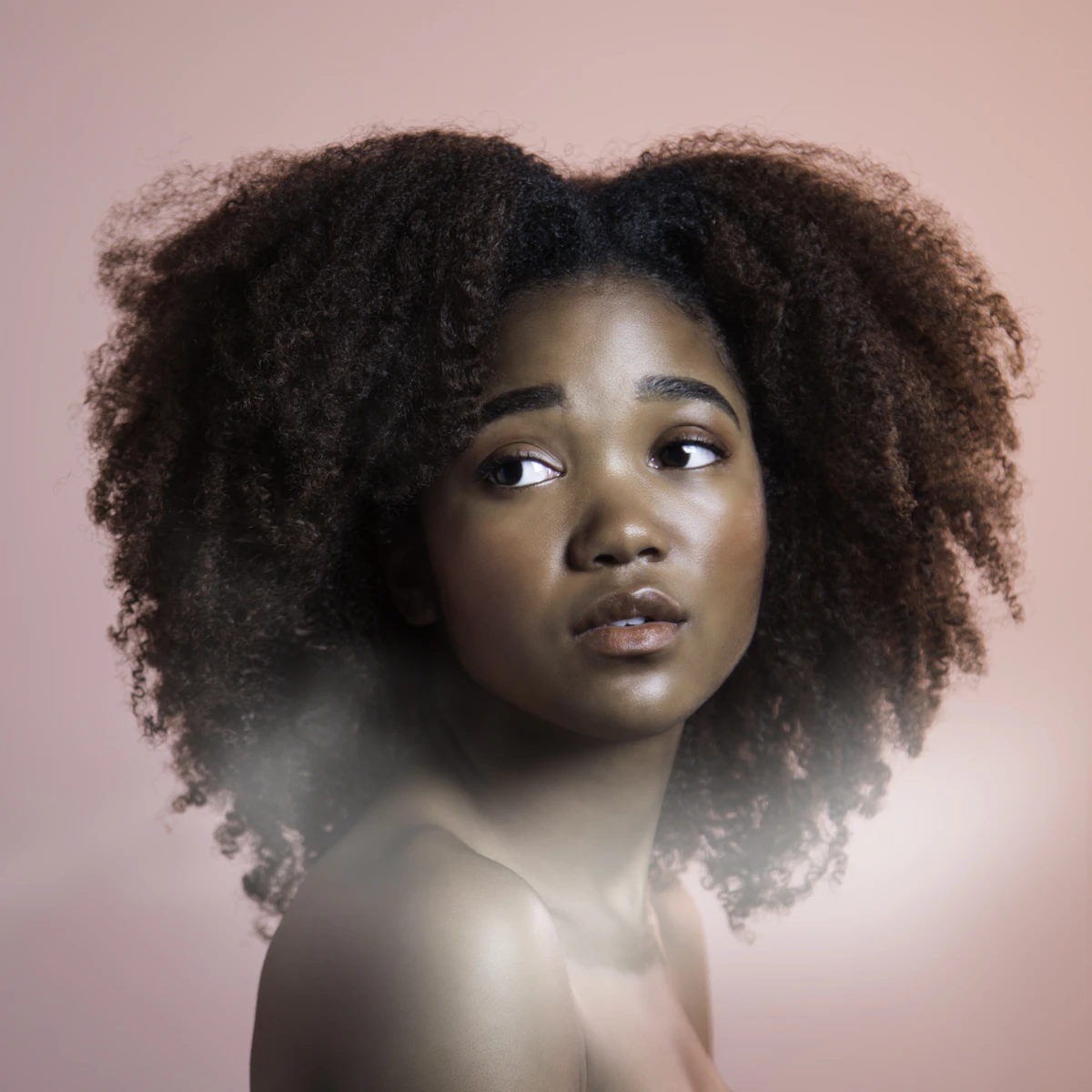
2. The Cool Ash Bronde
Cool ash bronde is the answer for anyone whose skin has pink or cool undertones, or who is tired of warmth going brassy. A dark blonde-brown base with cool, ashy blonde ribbons through it, toned to a soft mushroom or smoky finish. The cool tones make the colour look modern and expensive, and they are particularly flattering on fair skin and on anyone with blue or grey eyes. The upkeep is a little more demanding — a purple toning shampoo once a week will keep the ash from warming up — but the result is worth it. Ask for an ash toner and a root shadow so the grow-out stays soft, and avoid over-washing, which strips the toner faster than anything else.

3. The Golden Bronde
Golden bronde is sunshine in the middle of winter. A warm brown base with golden, sun-kissed blonde through the lengths, brightest around the face and at the ends. It suits warm and olive skin tones, it makes the complexion look healthy and glowing, and it is the bronde that photographs best in bright winter light. The golden pieces should be blended, not striped — ask for a balayage application with a soft root melt so there is no harsh line at the top. A gloss treatment every six weeks will keep the gold looking rich rather than yellow, and a little shine serum on the ends will make the dimension pop. This is the shade to choose if you want your hair to look like it has just come back from a sunny holiday.

4. The Dark Bronde
Dark bronde is the subtlest version of the colour, and it is perfect for brunettes who want dimension without looking blonde. A deep brown base with just a few lighter, caramel-bronde ribbons through the ends and around the face — enough to catch the light, not enough to change the overall impression. It is the lowest-maintenance bronde of all, because the grow-out is almost invisible, and it suits dark skin tones and deep brown eyes beautifully. Ask for a level-four or five base with a few hand-painted ribbons, and keep the contrast low — the beauty of dark bronde is in its restraint. A shine gloss will make the ribbons glow, and you will only need the salon every three or four months.
5. The Light Bronde
Light bronde sits at the blonde end of the spectrum: a dark blonde base with blonde that is only a shade or two lighter, so the whole effect is soft, bright and seamless. It suits blondes who want more depth and dimension, and it flatters fair skin and light eyes. The trick is keeping the contrast low — if the blonde is too light against the base, the bronde becomes highlights, and the blended magic disappears. Ask for a level-seven base with fine, blended foils and a root shadow, and use a purple shampoo sparingly so the colour stays creamy rather than ashy. Light bronde is a wonderful choice for winter, because it brightens the face in the dullest months without the upkeep of full blonde.

6. The Honey Bronde
Honey bronde is warm, sweet and endlessly flattering. A medium-brown base with honey-toned blonde woven through it, brightest around the face and through the ends. It suits warm skin tones and brown eyes, it makes the hair look thicker and healthier, and it is the bronde that most people picture when they hear the word. The honey tones need a gloss to stay rich — without it, they can fade to a flat, brassy yellow — so book a gloss with every other salon visit. Ask your stylist for a honey balayage with a root melt, and save a photo that shows the exact golden tone you want, because honey means different things to different colourists. This is the shade to choose if you want warmth without going fully golden.
7. The Caramel Bronde
Caramel bronde is the shade that makes everyone ask where you got your hair done. A rich brown base with warm caramel ribbons through the mid-lengths and ends, concentrated where the light hits. It suits medium and olive skin tones, it makes brown eyes glow, and it is the bronde that looks most expensive in winter photographs. The caramel should be painted on, not foiled in stripes — ask for a balayage with a soft root melt and a gloss to finish. The mistake to avoid is going too light at the front, which can look striped rather than blended. Keep the brightest pieces a shade or two lighter than the base, and the result will look like your hair, only better.

8. The Mushroom Bronde
Mushroom bronde is the cool, smoky shade that took over salons and never left. A dark blonde-brown base with cool, taupe-toned blonde woven through it, creating a soft, ashy dimension that looks almost grey in some lights. It suits cool skin tones and anyone who wants a modern, understated colour, and it is particularly flattering on fair skin with blue or green eyes. The toner is everything here — ask for a mushroom or ash toner, and use a purple shampoo once a week to keep the cool tones from warming up. Mushroom bronde grows out beautifully because the root shadow is built in, and it is a wonderful choice if you want a colour that looks different in every light.
9. The Bronde With a Root Shadow
A root shadow is the secret behind the best bronde grow-outs. Your stylist blends a slightly darker shade at the roots into the bronde lengths, so there is no harsh line as your hair grows — the colour simply fades into itself. It means you can go three or four months between appointments, and it makes the whole style look softer and more natural. Ask for a shadow that is one or two shades darker than your base, melted into the bronde with a brush, and bring a photo that shows the blend you like. The mistake to avoid is a root shadow that is too dark, which looks like regrowth rather than a technique. Done well, it is invisible — and that is exactly the point.

10. The Bronde Bob
A bronde bob is the haircut and the colour working together. A chin-length or jaw-length bob with bronde woven through it shows the dimension at its best, because the short length means the colour is visible from every angle. Ask for a blunt bob with soft, face-framing layers and bronde balayage concentrated around the face and through the ends. The bob suits almost every face shape, and the bronde keeps it from looking flat or one-dimensional. The upkeep is simple: a gloss every six weeks, a toning shampoo if your bronde is cool, and a trim every six to eight weeks to keep the blunt edge sharp. This is the bronde to choose if you want a complete winter refresh in one appointment.
11. The Bronde Lob
The bronde lob — a long bob at the collarbone — is the most versatile bronde length, because it shows the colour beautifully and it is long enough to tie back, curl or straighten. Ask for long layers through the ends and bronde balayage that is brightest at the front and through the lengths, with a root melt to keep the grow-out soft. The lob suits every face shape, and the bronde dimension stops it from looking heavy or flat. Style it with loose waves to show off the colour, or wear it sleek and straight to let the shine do the talking. A shine serum on the ends will make the lighter pieces glow, and a silk pillowcase will keep the colour looking fresh between washes.
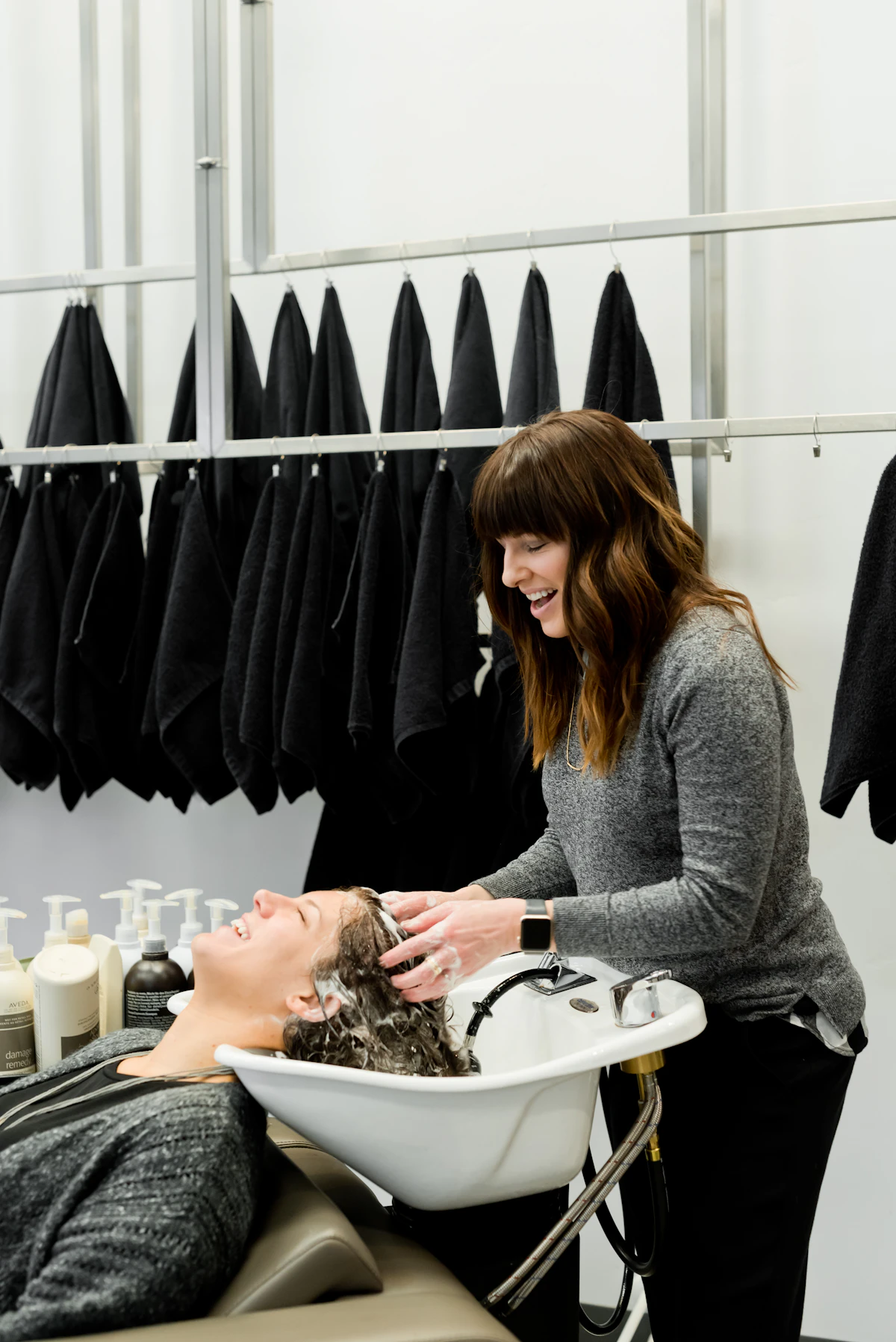
12. The Bronde With Money Piece Highlights
A money piece — two bright strands at the front — is the fastest way to brighten a bronde. The front pieces are lightened a shade or two brighter than the rest of the bronde, so they frame the face and make the eyes pop. It suits every skin tone, and it is a wonderful choice if you want a change without committing to a full head of blonde. Ask for a soft money piece rather than a chunky one, blended into the bronde so there is no harsh line, and keep the rest of the colour warm and dimensional. The front pieces will need a toner touch-up more often than the rest, because they are the most visible — a gloss every six weeks will keep them bright and clean.
13. The Bronde for Curly Hair
Bronde on curly hair is spectacular, because the curls catch the light and show every tone in the colour. The blonde should be painted on in a way that follows the curl pattern — ask for a balayage that is placed on the outer curls, so the dimension is visible when the hair moves. A root melt keeps the grow-out soft, and a curl cream with a little shine will define the curls and make the colour glow. The mistake to avoid is fine foils all over, which can look striped on curly hair — the painted, freehand technique is much better. Bronde is also wonderfully low-maintenance on curls, because the texture hides regrowth, and a gloss every couple of months will keep the tones rich.

14. The Bronde for Straight Hair
Bronde on straight hair shows the colour at its cleanest, because there are no curls to break the blend up. The dimension comes from the way the light falls on the smooth surface, so the placement needs to be precise — ask for fine, blended foils or a soft balayage with a root melt, and keep the contrast gentle. Straight hair also shows regrowth more clearly, so the root shadow matters even more here than on wavy hair. Style it sleek and straight to show off the shine, or add a loose wave at the ends to make the lighter pieces catch the light. A shine serum is your best friend with this version, because a glossy surface makes the bronde dimension look twice as rich.
15. The Bronde With Face-Framing Highlights
Face-framing highlights are the gentlest way to brighten a bronde. The pieces around the face are lightened a touch more than the rest, so they lift the complexion and make the eyes stand out, while the back stays deeper and richer. It suits every face shape, and it is a wonderful choice if you want a change that is noticeable in person but subtle in photographs. Ask for the brightest pieces to be blended into the bronde, not striped against it, and keep them long enough to tuck behind the ear. The face-framing pieces will fade fastest, because they are the most exposed to sun and washing, so a gloss every six weeks will keep them looking fresh.

16. The Bronde for Warm Skin Tones
If your skin has warm, golden undertones, warm bronde is your colour. A medium-brown base with honey, caramel or golden blonde woven through it will make your complexion glow, and the warmth in the hair will pick up the warmth in your skin. The mistake to avoid is going too cool — an ash bronde on warm skin can look grey and tired, while a golden bronde looks healthy and expensive. Ask your stylist to check your undertone before they mix the toner, and bring a photo of a warm bronde you love. A gloss treatment will keep the golden tones rich, and a little sunshine — even winter sunshine — will make the colour look even better.
17. The Bronde for Cool Skin Tones
Cool skin tones need a cool bronde, and the difference is in the toner. A dark blonde-brown base with ashy, mushroom or cool beige blonde woven through it will flatter pink or cool undertones, while a warm bronde would clash. The cool tones make the colour look modern and sophisticated, and they are particularly flattering on fair skin with blue or grey eyes. Ask for an ash or mushroom toner and a purple shampoo once a week to keep the cool tones from warming up in the wash. Cool bronde grows out beautifully with a root shadow, and it is the shade to choose if you want a colour that looks different — and more interesting — in every light.

18. The Bronde Balayage. Bronde balayage is the technique at its best: the colour is hand-painted onto the hair in soft, sweeping strokes, so the blonde melts into the brown with no line at all. It suits every length and texture, and it is the most natural-looking way to wear bronde. Ask for the lightest pieces around the face and through the ends, with a root melt to keep the grow-out soft, and save a photo that shows the blend you want — balayage is a freehand technique, so the photo is how your stylist knows exactly what you mean. A gloss every six weeks will keep the tones clean, and you will only need the salon every three or four months.
19. The Bronde With Low Lights. Low lights are the opposite of highlights — darker pieces woven into lighter hair — and they are what give bronde its depth. If your hair has gone too blonde, low lights in a warm brown will bring back the dimension and make the blonde look intentional again. Ask for low lights that are one or two shades darker than your base, placed through the mid-lengths and ends, and keep the face-framing pieces bright so the style still lifts your complexion. This is a wonderful fix for bronde that has faded too light over the summer, and it is much cheaper than a full colour correction.
20. The Bronde for Dark Brown Hair. Dark brown hair takes bronde beautifully, because the contrast between the deep base and the lighter ribbons is so rich. Ask for caramel or honey ribbons painted through the ends and around the face, keeping the base dark so the dimension reads as bronde rather than highlights. The grow-out is almost invisible, which makes this one of the lowest-maintenance brondes of all, and it suits deep skin tones and dark eyes wonderfully. A shine gloss will make the ribbons glow against the dark base, and a silk pillowcase will keep the colour looking fresh. If you have never coloured your hair before, this is the gentlest place to start.
21. The Winter Bronde With a Gloss Finish. The winter bronde with a gloss finish is the version to ask for before a special event. A clear or toned gloss is painted over the finished bronde, sealing the cuticle, adding a mirror-like shine and refreshing the tone in one step. The gloss makes the colour look deeper and richer, it makes the hair feel silkier, and it lasts for four to six weeks. Ask for the gloss to be applied after the bronde, and book it a day or two before the event so the shine is at its best. At home, a glossing shampoo and a cool-water rinse will help the shine last, and a shine serum on the ends will keep the dimension glowing all winter.
Grow-Out and Upkeep: What to Expect From Bronde
Bronde’s greatest strength is its grow-out. Because the colour is blended and the roots are shadowed, month three looks almost as good as week one — the roots simply melt into the lengths, and the only sign of regrowth is a soft darkening at the parting. Most people need the salon every ten to twelve weeks for bronde, compared with every four to six for full blonde, and the in-between visits are just a gloss and a toner rather than a full colour. That is the low-maintenance luxury the guide promised, and it is real: bronde is the colour for people who love their hair but do not want to live in the salon.
Upkeep is simple but it matters. Wash with a colour-safe shampoo, use a purple shampoo once a week only if your bronde is cool-toned, and book a gloss every six weeks to keep the tones rich and the shine high. Deep-condition once a week, because coloured hair dries out faster in winter, and use a heat protectant every time you style with heat. When you visit your stylist, bring photos — three of them, showing the depth, the warmth and the grow-out you want — and ask for a root melt and a gloss as part of the service. The photos are not optional: they are how you and your colourist agree on the same bronde.

Frequently Asked Questions About Bronde Hair Color Ideas for Women This Winter
Is bronde better than balayage? They are not rivals: balayage is the technique your stylist uses to apply the colour, and bronde is the blended brown-blonde result. Most bronde is created with balayage, so you can ask for both in the same appointment.
Does bronde suit warm or cool skin? Both — warm bronde suits warm skin and cool bronde suits cool skin. The toner is what decides it, so ask your stylist to check your undertone and show them a photo of the warmth you want.
How often does bronde need touching up? Most bronde needs the salon every ten to twelve weeks, with a gloss and toner in between. The root melt and the blended placement mean the grow-out is soft and the regrowth is barely visible.
Will bronde damage my hair? Any lightening can dry the hair, but bronde uses less lightener than full blonde and it is usually applied with balayage, which is gentler than foils. A deep-conditioning mask once a week and a heat protectant will keep your hair healthy.
If you loved these bronde ideas, you will also love these colour guides: Mocha Balayage Hair Color Ideas for Brunettes and Winter Hair Gloss Treatment Ideas for Shiny Hair.
So — are you warm bronde or cool bronde? Save the shade that caught your eye, show it to your stylist, and let this winter be the season you stop choosing between blonde and brunette. Which of these twenty-one will you try first?
Save this pin: Save on Pinterest
Want a caption for your own pin? Try the free Pinterest Caption & Pin Generator on Nova Fashion.
Follow Nova Fashion on Pinterest for more winter hair ideas, and share this guide with a friend who is torn between blonde and brunette.
Pingback: 21 Teddy Brown Hair Color Ideas for Women for Winter Nova Fashion
Pingback: 21 Fawn Blonde Hair Color Ideas for Women for Winter Nova Fashion
Pingback: 19 Khaki Bronde Hair Color Ideas for Women for Winter Nova Fashion
Pingback: 21 Luminous Gold Hair Color Ideas for Women for Winter Nova Fashion
Pingback: 21 Iced Chestnut Blonde Hair Color Ideas for Women for Winter Nova Fashion
Pingback: 21 Hot Chocolate Hair Color Ideas for Women for Winter Nova Fashion