
Gingerbread copper hair color ideas for women winter start with a feeling more than a formula: this is the shade that smells like December. Warm, baked, and glowing, gingerbread copper is the color of spiced cookies, crackling fires, and golden hour on a cold afternoon. It is copper with the volume turned down and the warmth turned up, a shade that looks like it was made for chunky knits, camel coats, and candlelit rooms. If bright copper feels too loud and auburn feels too dark, gingerbread copper sits right in the middle, and it flatters more women than either of its louder cousins.
This guide explains what gingerbread copper really is, how it works on brunette and blonde bases, which cuts show it off best, and how to stop it fading, because copper is famous for disappearing fast. You will find 13 gingerbread copper shades, from deep and spiced to soft and golden, plus the exact words to use with your colorist. Save the shade that warms up your winter and take it to your appointment.

What Gingerbread Copper Looks Like
Before you book the appointment, it helps to know what you are actually asking for. Gingerbread copper is not one flat color. It is a family of warm, golden-brown coppers with a baked, spicy depth, and the exact shade depends on your base, your skin tone, and how much golden warmth your colorist builds in.
The Shade, Explained
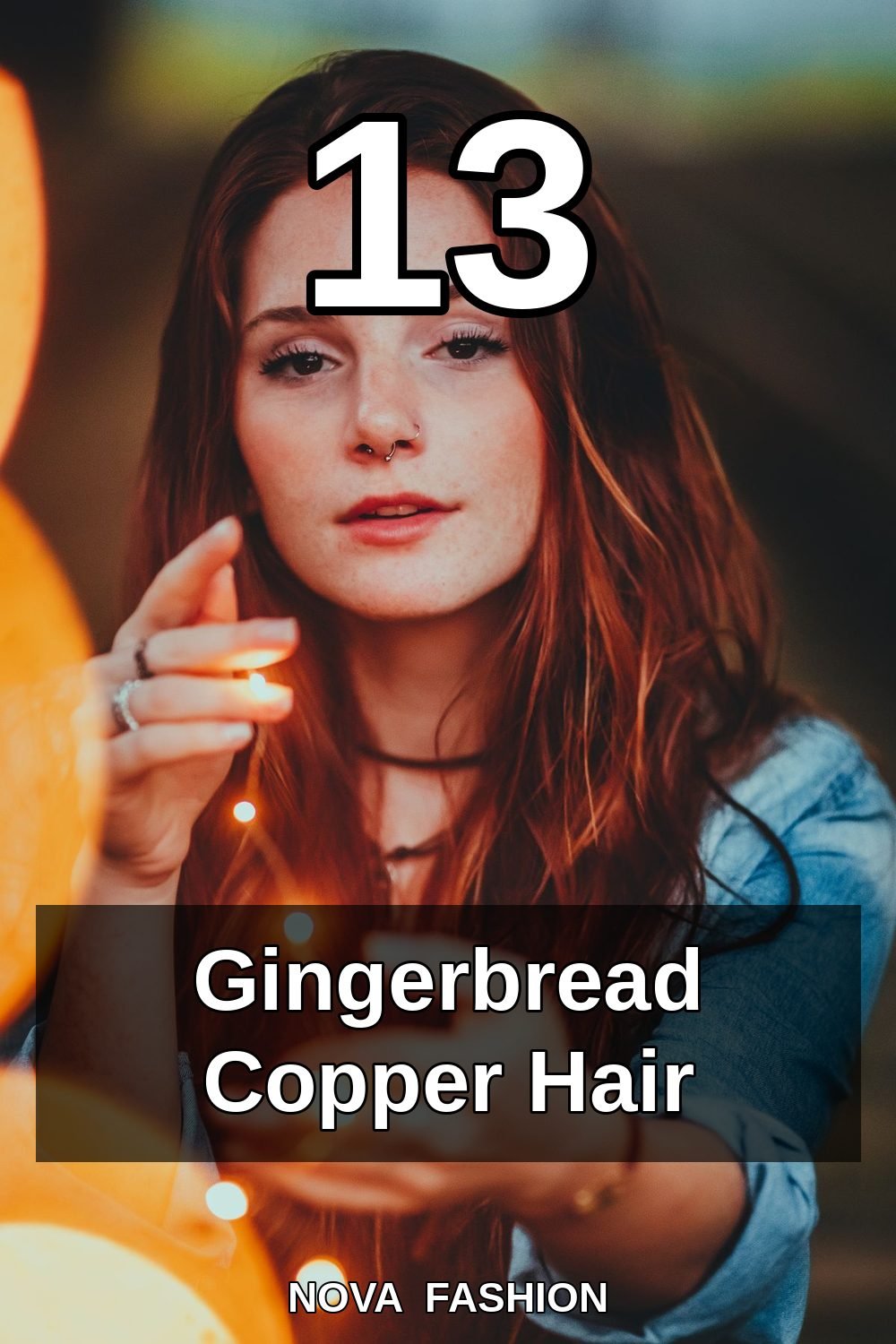
Gingerbread copper is a warm, medium copper with a golden-brown base, like the color of a perfectly baked gingerbread cookie. It has more brown in it than a bright copper and more gold in it than an auburn, which is why it glows rather than shouts. In sunlight, gingerbread copper looks warm and honeyed, with golden pieces catching the light. Indoors, it reads deeper and more spiced, almost like cinnamon. That shift is part of the charm: the color looks different in every light, so it never feels flat. When you show your colorist a reference photo, point to the warmth at the ends and the depth at the roots, because that contrast is what makes gingerbread copper look dimensional instead of one-note. A good gingerbread copper has at least two tones in it: a deeper spiced brown at the root and a brighter, golden copper through the lengths. Ask for that dimension by name, and bring two or three photos that show the shade in different lights so your colorist can see the range you like.
Gingerbread Copper vs Bright Copper
It is easy to confuse gingerbread copper with bright copper, but they sit in different places, and the difference matters once the color is on your head. Bright copper is vivid, orange-toned, and impossible to miss; it is the shade that turns heads on the street and photographs beautifully, but it can feel loud if you prefer a quieter look. Gingerbread copper is softer, browner, and more wearable; it has the same warmth as bright copper but with a baked, golden depth that makes it feel like a natural color, even though it is not. If you love warm reds generally, our spicy copper hair color ideas are the brighter cousins to gingerbread copper, and comparing the two will help you decide whether you want more spice or more softness. Bring both sets of photos to your consultation and let your colorist talk you through which one suits your skin tone better. Most women who try gingerbread copper after bright copper never go back, because the softer shade is easier to live with every day.

The Base That Makes It Glow
Every great gingerbread copper starts with the right base. On naturally dark hair, your colorist will usually lift you a level or two first, because gingerbread copper needs a warm, mid-brown base to glow against. If the base is too dark, the copper disappears and you end up with hair that looks almost brown indoors. If the base is too light, the copper can turn orange or brassy, which is not the look you want. The sweet spot is a level 6 or 7 base, roughly a dark blonde to medium brown, with the gingerbread copper layered over it. On hair that is already light brown or dark blonde, the colorist can often apply the gingerbread copper directly with a demi-permanent formula, which keeps the hair healthier and the color softer. Ask your colorist what level your hair is now and what level they plan to take you to; a good colorist will happily explain the plan. The consultation is the most important ten minutes of the whole appointment, so do not rush it.
Gingerbread Copper on Brunette vs Blonde Bases
Gingerbread copper behaves differently depending on what it is painted over. The same formula can look deep and spiced on brunette hair and bright and golden on blonde hair, so it helps to know what to expect before you commit.

Gingerbread Copper on Brunette Hair
On brunette hair, gingerbread copper is at its most cosy. The color reads as a warm, golden brown with flashes of copper when the light hits it, which makes it perfect for women who want a change that feels warm without being loud. Your colorist will usually pre-lighten the hair slightly, then apply a gingerbread copper gloss or demi-permanent color over the top. The result is hair that looks rich brown indoors and bursts into warm copper in sunlight, which is a lovely surprise. The key is warmth: brunette hair with gingerbread tones needs regular glossing to keep the copper visible, because the darker the base, the faster the copper can look muddy. A warm gloss every four to six weeks keeps the color glowing and rich. If you wear a lot of camel, cream, or olive in winter, gingerbread copper on brunette hair is a beautiful match, because the color warms up neutral outfits without clashing with them. It is also one of the easiest reds to grow out, because the brown base underneath is close to your natural color.
Gingerbread Copper on Blonde Hair
On blonde hair, gingerbread copper turns brighter and more golden, because there is less dark pigment underneath to mute it. This is the version of gingerbread copper that looks most like the cookie itself: warm, golden, and glowing. The upside is that the color takes beautifully and evenly. The downside is that it can fade faster and can pull brassy if the formula is too warm or too light. If you are blonde and trying gingerbread copper for the first time, ask your colorist for a deeper, more saturated formula than you think you need, because blonde hair grabs copper pigment quickly and then lets it go just as fast. A good trick is to start with a semi-permanent gingerbread gloss, which washes out over a few weeks, so you can test the shade before committing to a permanent color. Blondes should also know that going back to blonde after gingerbread copper takes time and patience, so treat the first application as a real commitment, not a weekend experiment. Our ginger hair color ideas for winter show how the shade looks on lighter bases, if you want to compare.
Gingerbread Copper Balayage
If a full head of gingerbread copper feels like too much, balayage is the gentlest way in. Your colorist paints copper tones through the mid-lengths and ends, leaving your natural color at the roots. The result is dimensional, low-maintenance, and very forgiving as it grows out, because there is no harsh line at the root. Gingerbread balayage works beautifully on long hair, where the color can melt from dark at the top to warm copper at the ends, and it also works on a lob, where the copper pieces frame the face. Ask for a soft, blended application rather than chunky streaks; the goal is a wash of warm color that looks like it grew there. Balayage also fades more gracefully than all-over color, which means fewer emergency appointments and a color that still looks intentional six weeks later. For a first-time copper, balayage is the option most colorists recommend, and it is easy to see why.

Gingerbread Copper With Soft Waves
Color and cut work together, and gingerbread copper is no exception. The right cut shows off the warmth in the color, while the wrong one can hide it. Soft waves are the styling that suits this shade best, because movement is what lets the golden tones show themselves.

The Gingerbread Copper Bob
A bob and gingerbread copper are a natural pair. The blunt ends of a bob show off the shine and the warmth of the color, and the shorter length means the copper stays vivid from root to tip. A chin-length bob in gingerbread copper looks polished and warm, especially with a sleek, straight finish and a slight bend at the ends. If you prefer something softer, a textured bob with a gentle wave lets the copper catch the light in different places, which makes the color look more dimensional. The bob is also the easiest cut to maintain with copper hair, because the ends stay healthy and the color does not have far to travel. Ask your stylist to keep the ends blunt and the layers minimal; too many layers can make copper hair look thin and wispy, while a clean line makes it look thick and glossy. A gingerbread bob with a deep side part is one of the warmest, most flattering winter looks there is.
Gingerbread Copper Layers
Long layers are the best friend of gingerbread copper on medium and long hair. Layers create movement, and movement is what lets the different tones in gingerbread copper show themselves. Ask for long, soft layers that start at the chin or below, rather than short, choppy ones. The layers should be cut to follow the shape of your face, with the shortest pieces framing your cheekbones and the longest pieces falling past your shoulders. When the hair moves, the golden copper pieces flash against the deeper spiced base, which is the whole point of the color. Layers also make the color easier to live with, because they remove weight and let the hair dry faster, which means less heat styling and less fading. If you have thick hair, layers keep gingerbread copper from looking heavy. If you have fine hair, ask for fewer, longer layers so the ends stay full.
Long Gingerbread Copper Hair
Long gingerbread copper hair is the most romantic version of this color, and it is worth the upkeep. On long hair, gingerbread copper has room to show its full range, from deep spiced brown at the roots to bright, golden copper at the ends. The key is keeping the ends healthy, because damaged ends do not hold copper pigment well and can look dry and faded. Get a trim every eight weeks, even if it is just a dusting, and use a weekly hair mask to keep the lengths soft. Long gingerbread hair looks best with soft waves rather than pin-straight styling, because waves create shadows and highlights that show off the color. A large-barrel curling iron, used on the mid-lengths only, gives you that soft, expensive-looking wave without overheating the ends. If you wear your hair up a lot in winter, a low bun or a loose braid lets the copper peek through in a way that feels effortful but looks effortless.
Keeping Copper From Fading (The Fast-Fade Problem)
Copper is the fastest-fading hair color there is, and gingerbread copper is no exception. The good news is that a few simple habits can add weeks to your color. The bad news is that none of them work if you skip them, so build them into your routine from day one.

Washing Less, Washing Smarter
The single biggest thing you can do for gingerbread copper is wash it less. Every wash lifts a little color out, and hot water lifts it faster. Aim for two washes a week, and use lukewarm water instead of hot. On the days you do not wash, a little dry shampoo at the roots keeps the hair looking fresh without stripping the color. When you do wash, use a sulfate-free, color-safe shampoo and rinse with cool water for the last ten seconds, which helps seal the cuticle and lock the color in. It sounds like a small thing, but it makes a visible difference after a few weeks. If you work out a lot or live somewhere humid, a shower cap and a quick root refresh with dry shampoo will get you through the days between washes without a full shampoo. Your color will thank you for it.
Color-Safe Products That Actually Work
Not all color-safe products are equal, and with copper hair it is worth spending a little more on the ones that work. Look for a shampoo and conditioner made specifically for red or copper color-treated hair, and add a color-depositing conditioner or mask once a week. A color-depositing mask in a copper shade tops up the pigment every time you use it, which means the color stays warm even as the weeks pass. Use it for five to ten minutes in the shower, once a week, and you will notice the difference immediately. Avoid clarifying shampoos and anything with sulfates, because they strip copper faster than any other color. And skip the hot tools when you can: heat opens the cuticle and lets color escape, so air-drying or using a low heat setting will keep your gingerbread copper brighter for longer. For a full routine, our winter hair care routine for color-treated hair covers the products and the order to use them in.
The Gloss That Brings It Back
A gloss is the secret weapon of every woman with beautiful copper hair. It is a semi-permanent, conditioning treatment that adds shine and a wash of warm color, and it takes about twenty minutes in the salon. Book a gloss every four to six weeks between full color appointments, and your gingerbread copper will look freshly done all winter. Some salons offer a gloss as a quick add-on service, and some colorists will teach you how to use a clear gloss at home. Either way, it is the cheapest way to keep copper hair looking expensive. A gloss also smooths the cuticle, which makes the hair shinier and easier to style, so it is worth doing even if the color still looks fine. Think of it as a top-up, not a repair: regular glosses mean you never reach the faded, dull stage that makes copper hair look tired. If your budget is tight, a gloss is the one salon service to protect, because it does more for your color than any product at home.
Gingerbread Copper for Short vs Long Hair
One of the best things about gingerbread copper is that it works at every length. The same warm shade can look sharp and modern on short hair and soft and romantic on long hair, which is exactly what you want from a winter color. The difference is in the cut and the styling, not the color itself.
Gingerbread Copper on Short Hair
On short hair, gingerbread copper looks modern and intentional. A pixie or a short bob in gingerbread copper shows off the warmth of the color without any fuss, and the shorter length means the color stays vivid and the grow-out is easy to manage. Short gingerbread hair is also the lowest-maintenance version of this color, because the ends are always fresh and the color never has far to travel. Style it with a little texturizing cream and a quick blow-dry, and you are done in five minutes. If you want to dress it up, a deep side part and a little shine spray give short copper hair a polished, evening-ready finish. Short hair also shows off the dimension in gingerbread copper beautifully, because the color sits close to the face where the light hits it.
Gingerbread Copper on Long Hair
On long hair, gingerbread copper is at its most dramatic. The length gives the color room to show its full range, from deep spiced brown at the roots to bright golden copper at the ends, and the movement of long hair makes the color look alive. Long gingerbread hair looks best with soft waves or a loose braid, both of which create shadows and highlights that show off the color. The trade-off is upkeep: long hair needs more product, more frequent trims, and more careful washing to keep the copper rich. Use a weekly mask, wash twice a week, and book a gloss every month, and your long gingerbread copper will stay glowing all winter. If you wear your hair up, a low, loose bun with a few face-framing pieces lets the copper glow around your face, which is flattering in any light.
Here are the 13 gingerbread copper shades in this guide, at a glance, so you can point to the one you want at your appointment.
- Classic gingerbread: the true spiced copper shade, warm and golden, the version most women picture first.
- Deep gingerbread: the darkest take, rich brown indoors and glowing copper in sunlight.
- Golden gingerbread: the brightest version, honeyed and luminous, for women who want their copper to shine.
- Gingerbread balayage: copper tones painted through the ends, with your natural color at the roots.
- Gingerbread bob: the sharp, glossy short cut that shows off the color’s warmth.
- Gingerbread with blonde lights: golden blonde pieces woven through the copper for extra glow.
- Dark gingerbread on brunette hair: a subtle, grown-up take that flashes copper only in the light.
- Spiced gingerbread: a deeper, cinnamon-toned version that feels cosy rather than bright.
- Gingerbread with copper face-framing pieces: bright pieces around the face that warm up the whole look.
- Soft gingerbread: a muted, golden-brown copper that suits warm skin tones beautifully.
- Gingerbread ombre: a smooth melt from dark roots to bright copper ends.
- Gingerbread with auburn roots: a shadow root in deep auburn that makes grow-out invisible.
- Glossy gingerbread glaze: a sheer, shiny wash of copper over your natural color, the gentlest option of all.
Frequently Asked Questions About Gingerbread Copper Hair Color
Does gingerbread copper suit warm or cool skin tones? Gingerbread copper suits warm skin tones best, because the golden warmth in the color echoes the warmth in the skin. If you have a cool skin tone, ask for a gingerbread with a touch more brown and a little less gold, so the color glows rather than clashes. Your colorist can adjust the formula either way, so bring a photo of yourself in daylight to the consultation and talk it through.
Will gingerbread copper fade fast? Yes, copper fades faster than any other color, and gingerbread copper is no exception. Expect the brightest version to last about three weeks, then settle into a softer, golden-brown tone. Washing less, using cool water, and booking a gloss every four to six weeks will keep it warm. A color-depositing mask once a week also helps a lot.
Can I try gingerbread copper without permanent dye? Yes. A semi-permanent gloss or a color-depositing conditioner gives you the gingerbread tone for a few weeks without any commitment. This is the best option if you are unsure, or if you want to test the shade before a big event. Semi-permanent color also fades gracefully, so there is no harsh grow-out line.
How do I ask my colorist for gingerbread copper? Bring two or three photos that show the shade in different lights, and use the words gingerbread, spiced, and golden copper rather than just copper. Tell your colorist whether you want it deep or bright, all-over or balayage, and ask what base level they recommend for your hair. A good consultation makes all the difference.
Save this look on Pinterest. Love this shade? Pin it for your next salon visit.
Want a caption that does your pin justice? Try Nova Fashion’s free Pinterest Caption & Pin Generator and create your own pin caption in seconds.

Gingerbread copper is the rare winter color that feels both cosy and polished, and it suits more women than you might think. Whether you go deep and spiced, bright and golden, or soft and balayaged, the key is a warm base, a great gloss, and a colorist who understands the shade. Save your favorite look from this guide, show it at your appointment, and enjoy the color that makes December feel like December. Follow Nova Fashion on Pinterest for more winter hair color ideas, and save the shade that warms up your winter.