
The most expensive-looking hair colour is rarely the one that looked best on day one. It is the one that still looks good ten weeks later, when the roots have grown in, the ends have softened, and you have not been back to the salon once. That is the whole idea behind lived-in brunette hair — and if you are tired of the four-week highlight cycle, these lived-in brunette hair color ideas for low maintenance were written for you.
Lived-in colour is not a single shade. It is a way of placing colour so that it grows out the way your hair actually grows. Instead of a hard line where the dye stops and your roots begin, the colour is blended, diffused and deliberately imperfect, so that regrowth looks like part of the design rather than a problem to fix. Done well, it turns a salon visit from a monthly appointment into something you do three or four times a year.
This guide covers fourteen lived-in brunette colours, from the softest root shadow to a gloss-only brunette that needs no dye at all. It explains what the placement actually is, which shades hide regrowth the longest, how often you really need to sit in the salon chair — and what it honestly costs.
What “Lived-In” Actually Means (and Why Brunettes Love It)
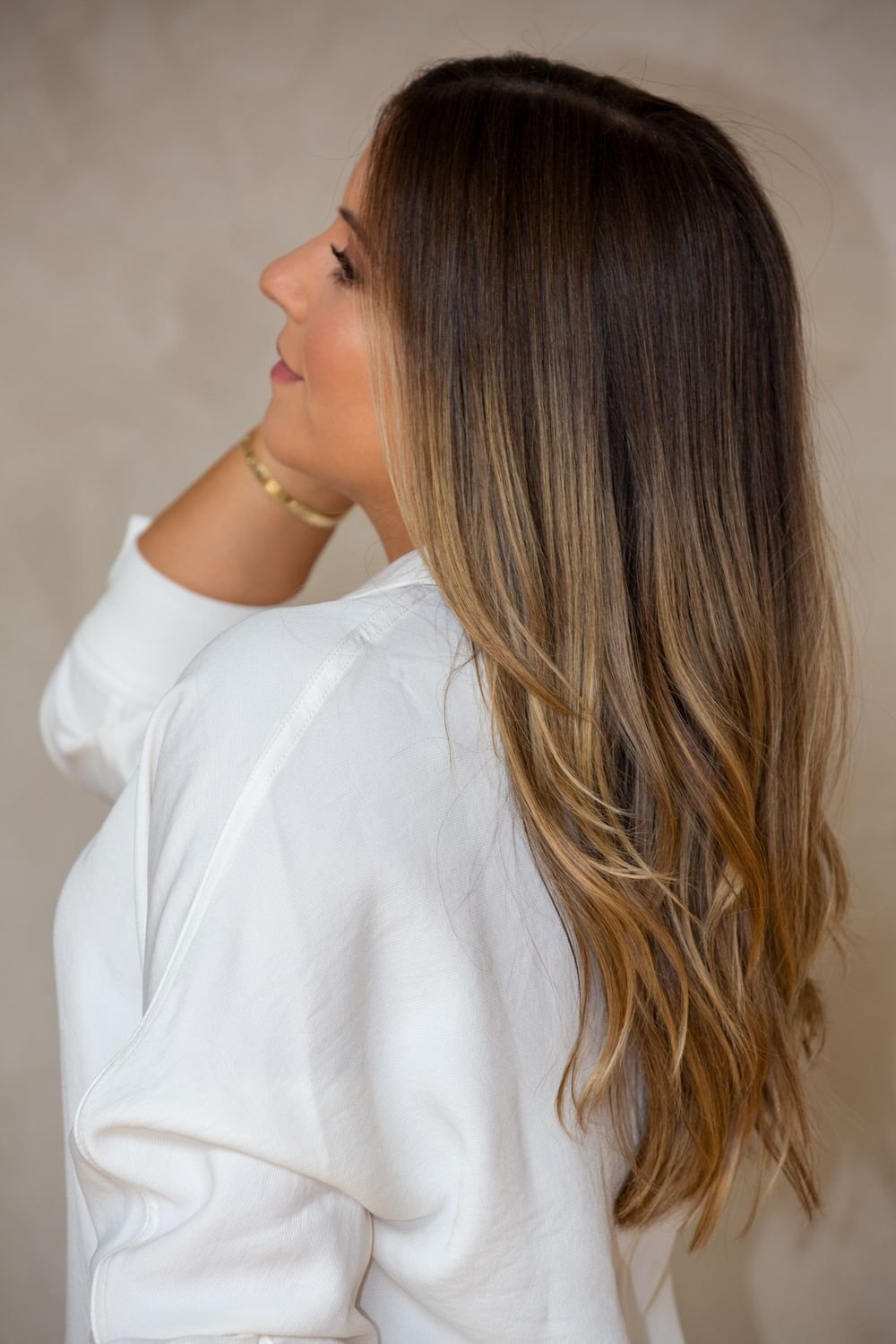
“Lived-in” is one of those salon words that sounds vague until you see it done well, and then you cannot unsee it. The colour starts deeper at the roots and softens towards the ends, with no sharp line anywhere. The lightest pieces are woven through the mid-lengths rather than painted on top, so the whole head reads as one colour with movement inside it, not as brown hair with highlights sitting on it.
Brunettes are the ideal base for this, because brown hair already has natural depth and dimension built in. A colourist does not need to fight your natural colour to create contrast — she just deepens what is there at the root, lifts what is there through the lengths, and lets the two blend. The result looks like the colour your hair would have if you spent a summer outdoors and never touched it up. It is also far more forgiving than blonde, because brown shades fade into each other instead of into brass.
How Lived-In Colour Is Different From Balayage and Highlights
People use balayage and lived-in as if they mean the same thing, and they do not. Balayage is a technique — painting lightener onto the surface of the hair freehand. Lived-in is the result you are aiming for: colour that grows out without a line. You can get a lived-in result with balayage, with foils, or with a root shadow painted on top of either. The difference is in the intention. Traditional highlights are placed to look perfect on day one. Lived-in placement is designed to look perfect on day sixty.
The simplest way to tell which one you are getting is to ask your colourist one question: what will this look like in ten weeks? If she talks about the root line, the shadow and how the colour will soften, you are in lived-in territory. If she talks only about how bright and fresh it will look tomorrow, you are getting a standard highlight service — and you will be back in the chair in four weeks paying for a touch-up. Neither is wrong, but only one of them is low maintenance.
Colour 1: The Classic Root Shadow Brunette
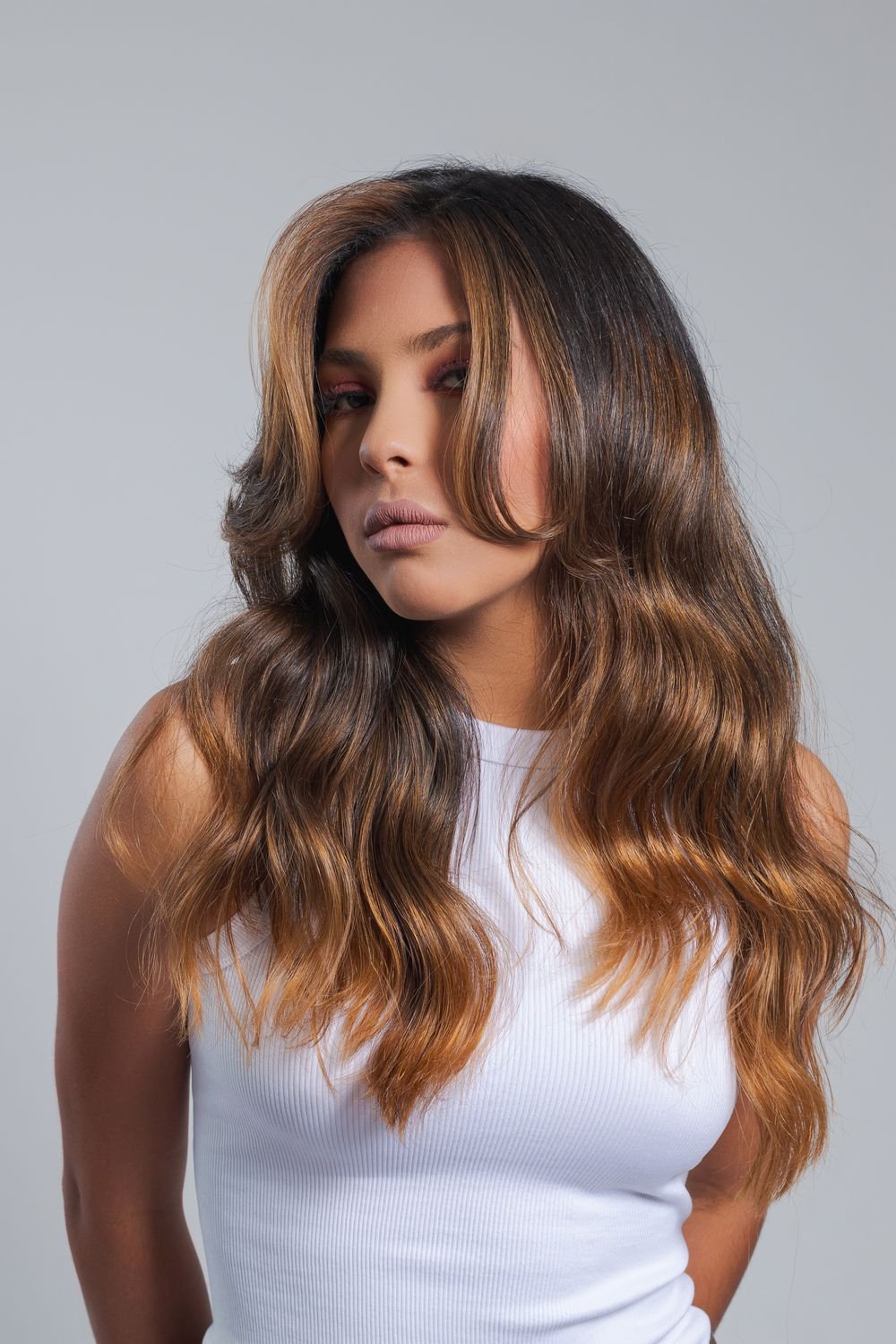
The root shadow is the single most useful technique in this whole guide, and it is the reason most lived-in brunettes exist. After your colour is applied, your colourist paints a slightly deeper shade over the first couple of inches at the roots, then blends it down into the lighter lengths. The result is that your natural regrowth and your coloured lengths meet in a soft, shadowed zone instead of a straight line.
If you have never had lived-in colour before, start here. A root shadow costs very little extra on top of a normal colour service, it suits almost every brunette, and it is the difference between needing a touch-up in four weeks and needing one in twelve. Ask for the shadow to be only one or two levels deeper than your lengths, and blended for at least two inches, so it reads as depth rather than a dark stripe.
Colour 2: Mocha Melt with Soft Dimension
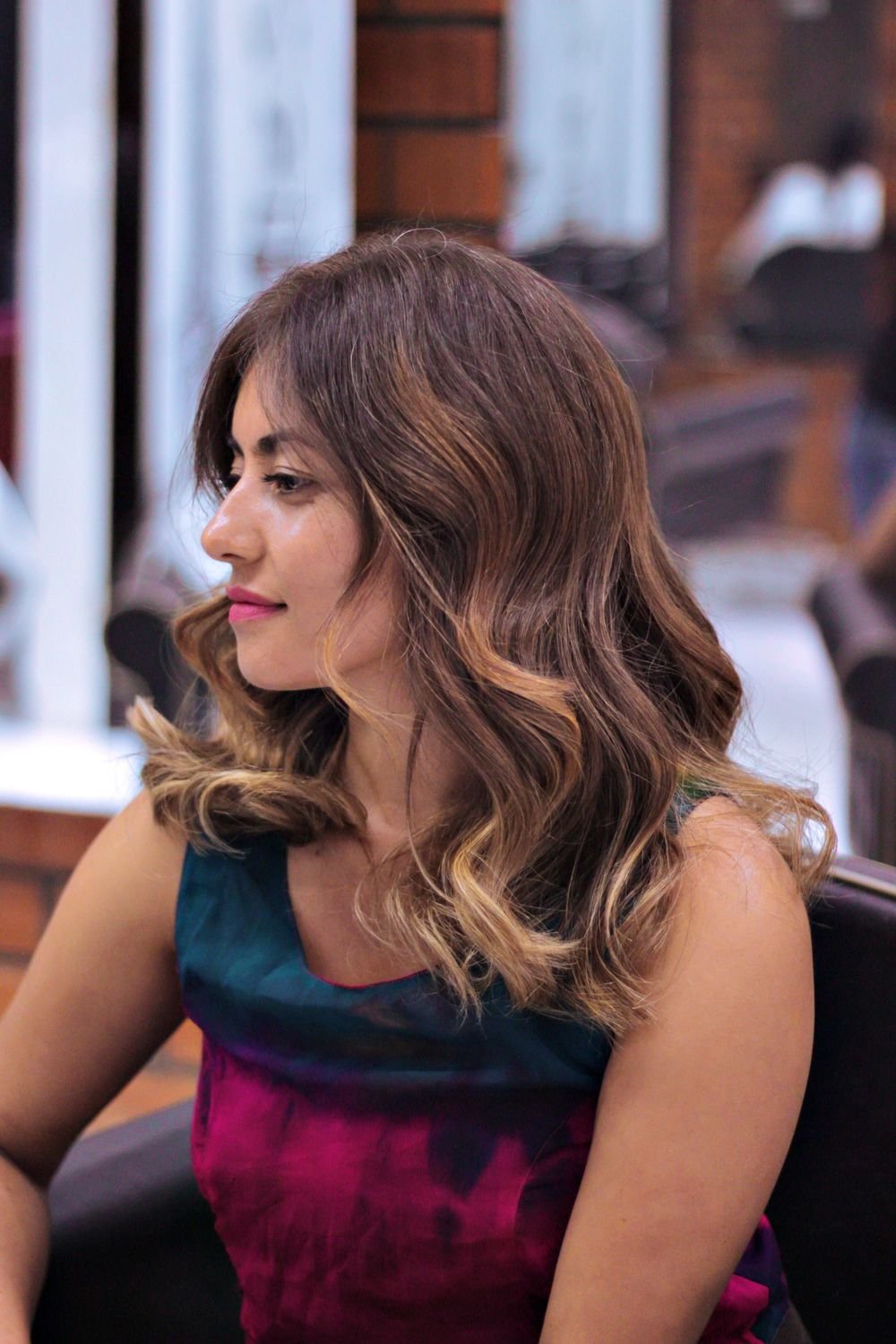
Mocha is the shade that made lived-in brunette famous, and for good reason. It is a cool-toned brown with a soft, coffee-coloured melt through the lengths, and it flatters more skin tones than almost any other brunette. The “melt” is the point: there is no visible start or finish to the lighter pieces. They dissolve into the base colour the way cream dissolves into coffee.
Because the contrast is kept low — the lightest pieces are only a couple of levels above the base — the grow-out is almost invisible. You will notice the colour getting softer and warmer over the months, not a line creeping down your head. If you want the full breakdown of this shade, our guide to mocha balayage hair color ideas for brunettes covers the variations, including which mocha suits warm and cool skin tones. For a first lived-in appointment, ask for mocha with a root shadow and low contrast — it is the safest low-maintenance brunette there is.
Colour 3: Espresso with Caramel Ribbons
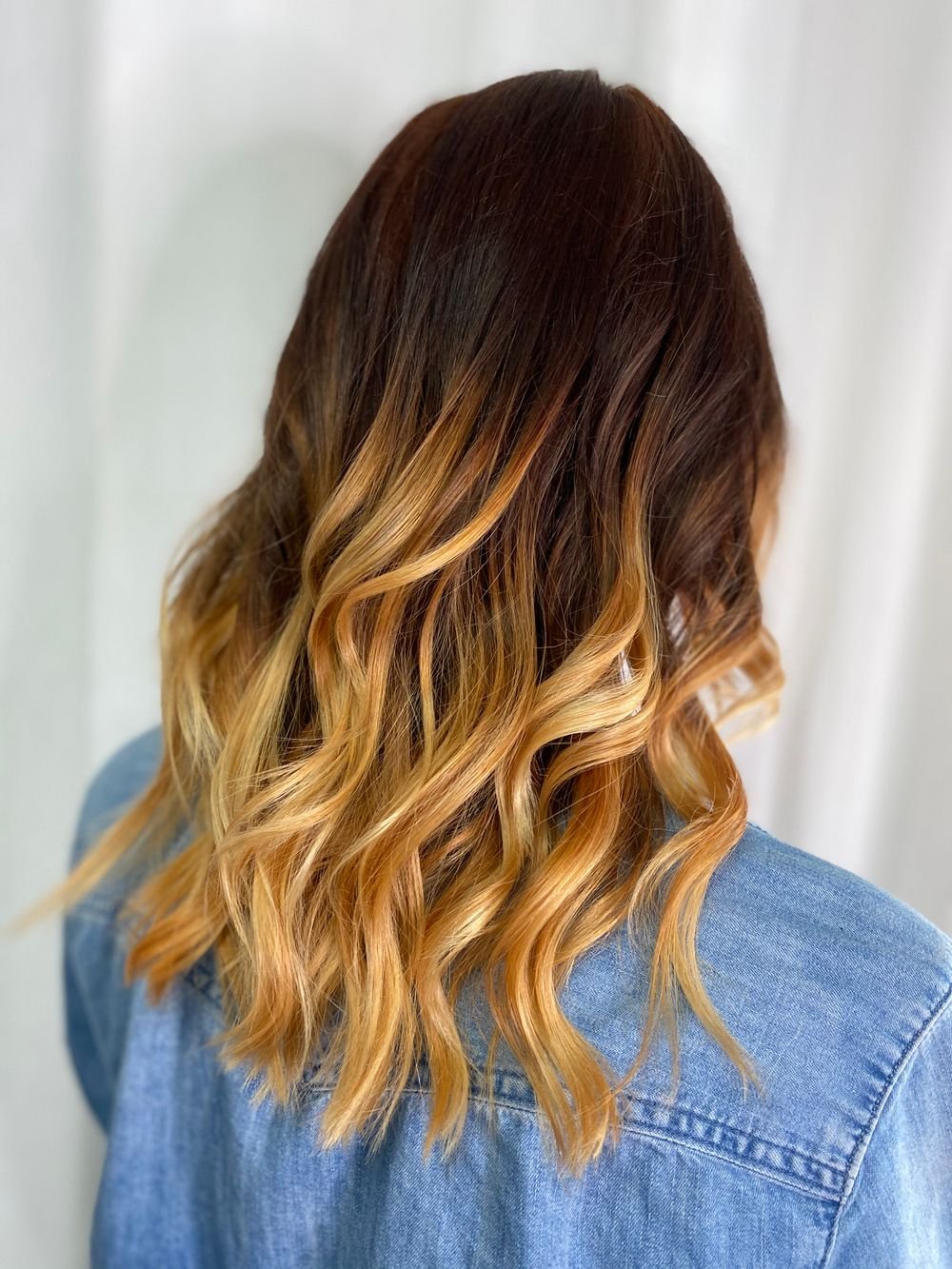
If mocha is the softest lived-in brunette, espresso with caramel ribbons is the boldest — and still remarkably low maintenance. The base stays deep, almost black-brown, while thin ribbons of warm caramel are woven through the mid-lengths and ends. The contrast is higher than a mocha melt, so you see more movement, but because the ribbons start well below the roots, the grow-out stays gentle.
This is a good choice if you love dimension but hate the brassiness that comes with going lighter. The caramel ribbons are warm by design, so as they fade over the months they turn softer and more golden rather than orange. Keep the ribbons fine — thick chunks of caramel grow out like stripes, while fine ribbons blur into the base and look intentional for much longer.
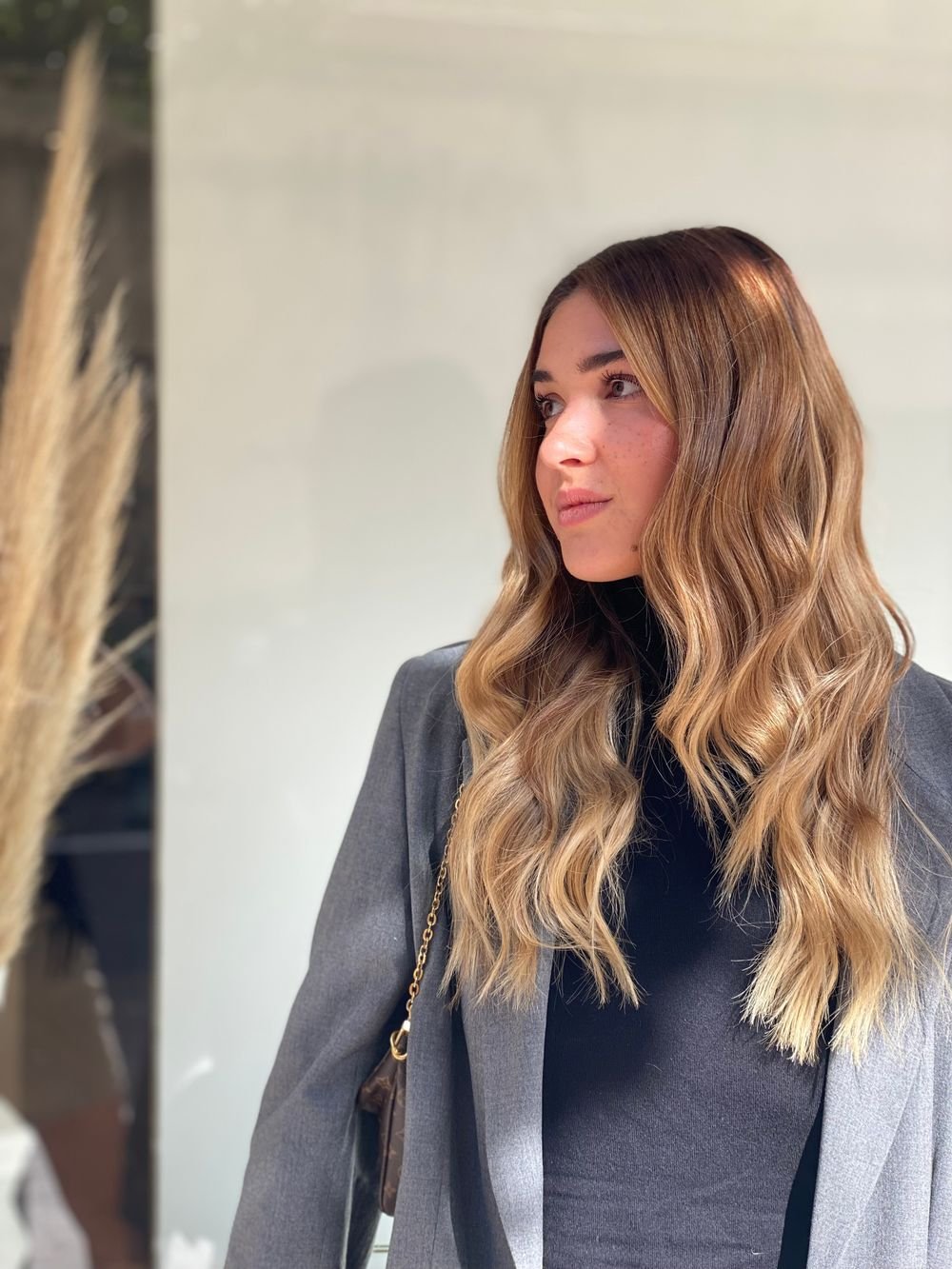
Colour 4: Chestnut Balayage That Grows Out Invisibly
Chestnut is the warm, reddish-brown shade that suits almost every brunette who has a little warmth in her skin — and as a lived-in colour, it has a hidden advantage. Because chestnut sits close to most natural brown bases, the regrowth line is extremely subtle. Your roots can grow a full two inches before anyone who is not a colourist would notice.
Ask for the chestnut to be painted through the mid-lengths with a soft root shadow in your natural brown, and keep the lightest pieces away from the hairline. Chestnut can go brassy if it is lifted too far, so the sweet spot for low maintenance is a lift of only one or two levels — enough to catch the light, never enough to turn orange. A colour-depositing gloss every six to eight weeks keeps the chestnut rich without a full salon visit.
Colour 5: Mushroom Brunette for Cool Tones
Not every brunette wants warmth. Mushroom brunette is the cool, ashy answer: a soft taupe-brown with grey-beige undertones that looks almost smoky in indoor light. It is one of the most requested lived-in colours of the last two years, and it is also the one that needs the most honest conversation before you book it.
Here is the truth: mushroom tones fade faster than warm ones. The ashy pigment washes out over six to eight weeks, and if your hair is naturally warm underneath, it will start to peek through as brass. The lived-in placement helps enormously — because the colour is blended rather than solid, the fade looks like a softening rather than a colour change — but plan on a toner refresh every eight to ten weeks to keep the mushroom cool. If that sounds like too much upkeep, the mocha or chestnut shades above will suit you better.
Colour 6: Toffee Ends on a Dark Brown Base
Toffee ends are the laziest lived-in colour in the best possible way. Your dark brown base is left almost entirely alone, and only the last few inches are lifted to a warm toffee. Because so little of the hair is coloured, there is very little to grow out. The root area never shows a line, the lengths need almost no attention, and the whole thing can be refreshed in a single short appointment.
This is the colour to choose if you are colouring your hair for the first time, or if you have spent years in the highlight cycle and want a break. It works beautifully on long hair, where the toffee ends catch the light as you move, and it is one of the cheapest lived-in options because the application is so quick. The one thing to watch is dryness: the ends are the oldest part of your hair, and lifting them even a little can make them feel rough. A weekly hair mask keeps them soft.
Colour 7: The Brunette Money Piece (Without the Upkeep)
Money pieces — those lighter strands framing the face — are usually the highest-maintenance part of any colour, because they sit right where regrowth is most visible. The lived-in version flips that around. Instead of a bright, solid frame, the colourist weaves fine, soft ribbons through the face-framing layers and blends them back into the base at the roots, so the brightness reads as a glow rather than a stripe.
Keep the money piece only one or two levels lighter than the rest of your hair, and ask for the ribbons to start a little below the roots. You still get the face-brightening effect every time someone looks at you, but the regrowth does not announce itself the way a bright blonde frame would. It is the money piece for people who do not want to live at the salon.

Colour 8: Ash Brown with Lived-In Dimension
Ash brown is the cooler cousin of mushroom brunette, and it suits brunettes with cool or neutral skin who find warm browns turn brassy on them. The trick with ash is the same as with mushroom: keep the contrast low and the placement lived-in, so that when the ashy tone softens over the weeks, it fades into a neutral brown rather than into yellow.
Ask your colourist to keep the lightest pieces at the mid-lengths and ends only, and to leave the root area your natural brown with a soft shadow. One honest warning: ash brown photographs beautifully on day one and fades faster than any other shade in this guide. A purple or blue toning shampoo once a week, and a toner appointment every ten weeks, will keep it where you want it.
Colour 9: Warm Honey Brunette for Winter
Winter light is flat and grey, and it drains the life out of flat brown hair. Warm honey brunette is the answer that still grows out gracefully. The base stays a rich medium brown, and the honey is painted through the lengths in soft, diffused pieces — never at the roots, always blended. In winter it catches what little light there is; in spring it looks like you have been on holiday.
Honey is also one of the most forgiving shades when it comes to fading, because warm tones fade into warm tones. You will lose some of the gold over the months, but you will never get a harsh line or a brassy band. It is the lived-in brunette for people who get bored of their colour quickly — it changes slowly, and every stage of the fade looks deliberate.
Colour 10: Chocolate with a Cinnamon Melt
Chocolate brown with a cinnamon melt is the shade for brunettes who want richness rather than lightness. The base is a deep, glossy chocolate, and the cinnamon is a warm, spicy red-brown woven through the ends. The two colours are close enough in depth that the grow-out is almost invisible, but different enough in tone that the hair has visible movement.
Cinnamon is a warm pigment, so it fades gracefully rather than turning brassy. It is also one of the easiest lived-in colours to refresh at home, because a cinnamon-toned gloss or colour-depositing conditioner can revive it in the shower. If you have warm skin and dark eyes, this is the shade your colourist will probably suggest first — and she will be right.
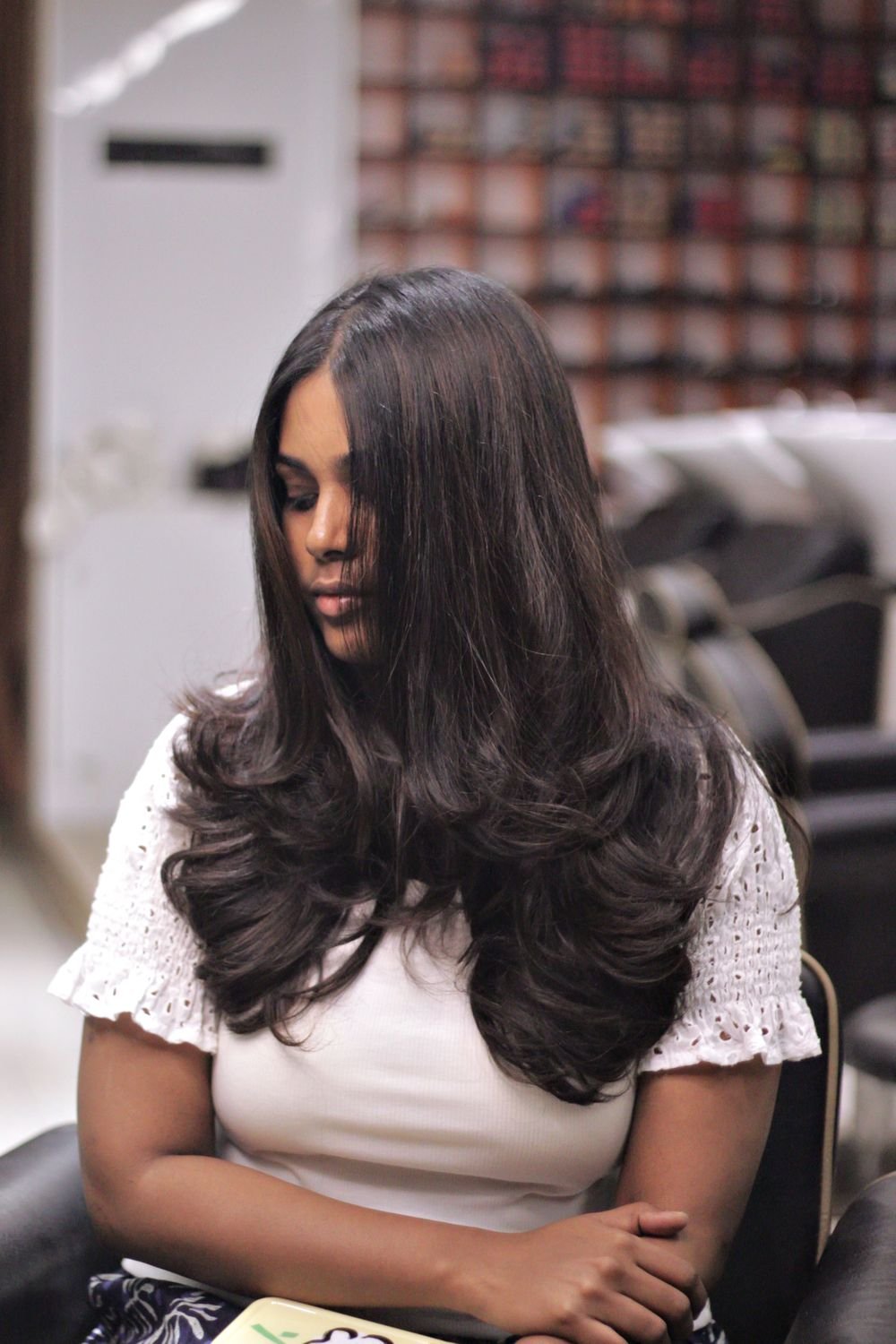
Colour 11: The Soft Black Brunette (Yes, It Can Be Low-Maintenance)
Near-black hair has a reputation for being the hardest colour to maintain, because regrowth shows immediately. The lived-in version changes that by skipping the solid, all-over black entirely. Instead, the base is a very deep espresso with a soft black gloss, and the lengths carry a whisper of lighter brown through them — just enough to break up the solid colour and give it life.
The secret is that the base is kept close to your natural colour, so the roots blend rather than stand out, and the gloss fades slowly instead of growing out in a line. You will still want a gloss refresh every eight to ten weeks to keep the shine, but you will not be chasing a root line every three weeks the way a solid black dye demands.
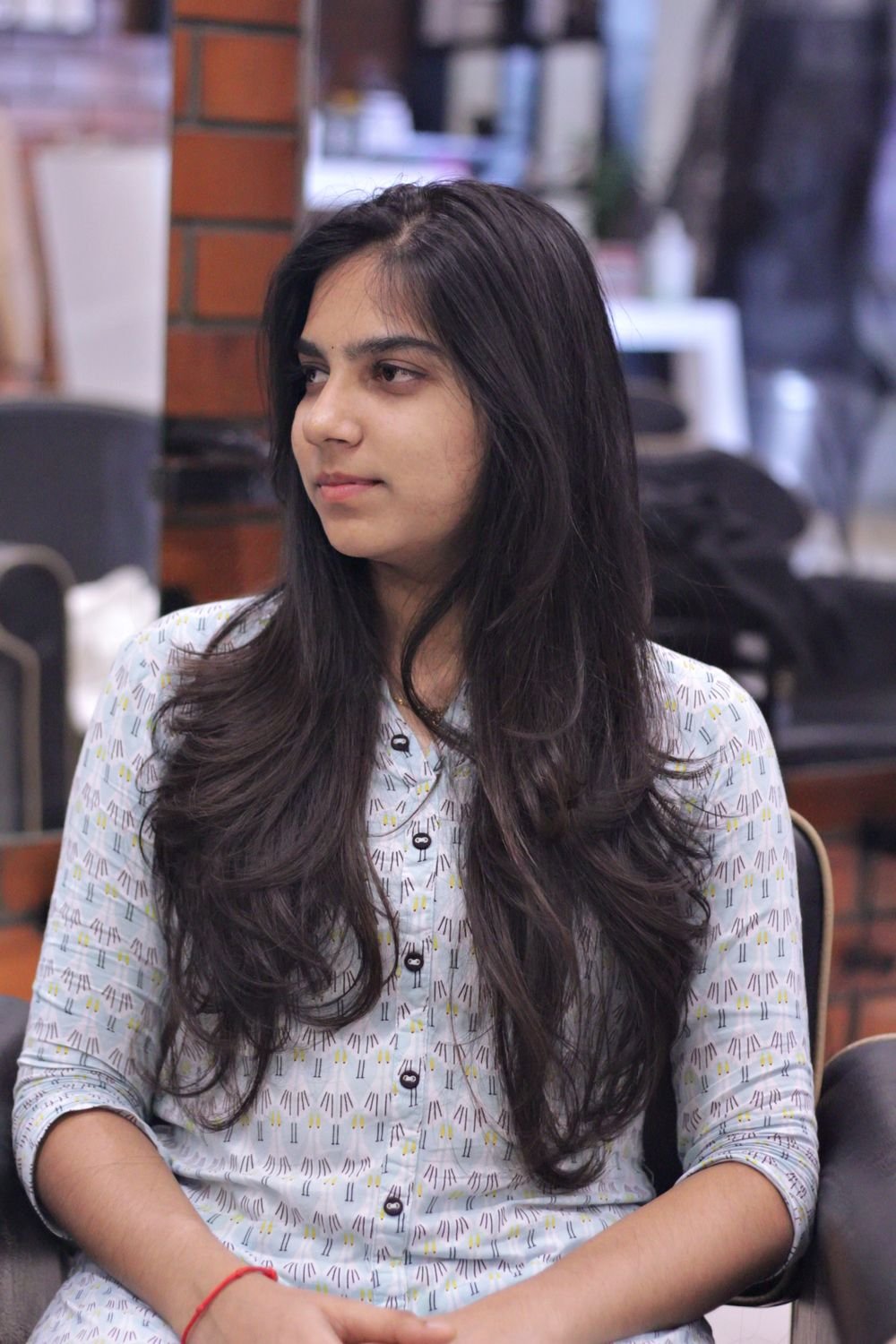
Colour 12: Lived-In Brunette on Curly and Wavy Hair
Lived-in colour and curly or wavy hair were made for each other. The wave pattern already breaks up the colour, so the blend looks even softer, and the grow-out is hidden inside the movement of the hair. But there is one rule that matters more for textured hair than for straight hair: colour it dry, or at least colour it in its natural state.
When curly hair is coloured while it is pulled straight, the placement shifts as soon as the curls spring back, and the lived-in blend can land in the wrong place. Ask for a colourist who works with your texture, and for the lightest pieces to be placed where the curls naturally turn towards the light — the crown, the canopy and the ends. The maintenance is the same story as the rest of this guide: a root shadow, low contrast, and a gloss refresh when the shine fades.
Colour 13: The Lived-In Brunette Bob
Short hair and lived-in colour are a natural pair, because a bob shows the colour placement from every angle. The trick with a bob is to keep the colour close to the roots all the way around — a strong root shadow, with the lightest pieces through the ends and the face-framing layers. Because the hair is short, regrowth shows sooner than it would on long hair, so the shadow has to do more of the work.
The payoff is that a lived-in bob looks styled even when you have done nothing to it. The dimension does the work that a longer cut does with layers, and the whole look reads as expensive and intentional. If your bob is growing out between cuts, the lived-in placement carries the shape beautifully — the colour distracts from the awkward stage in a way that a solid colour never could.
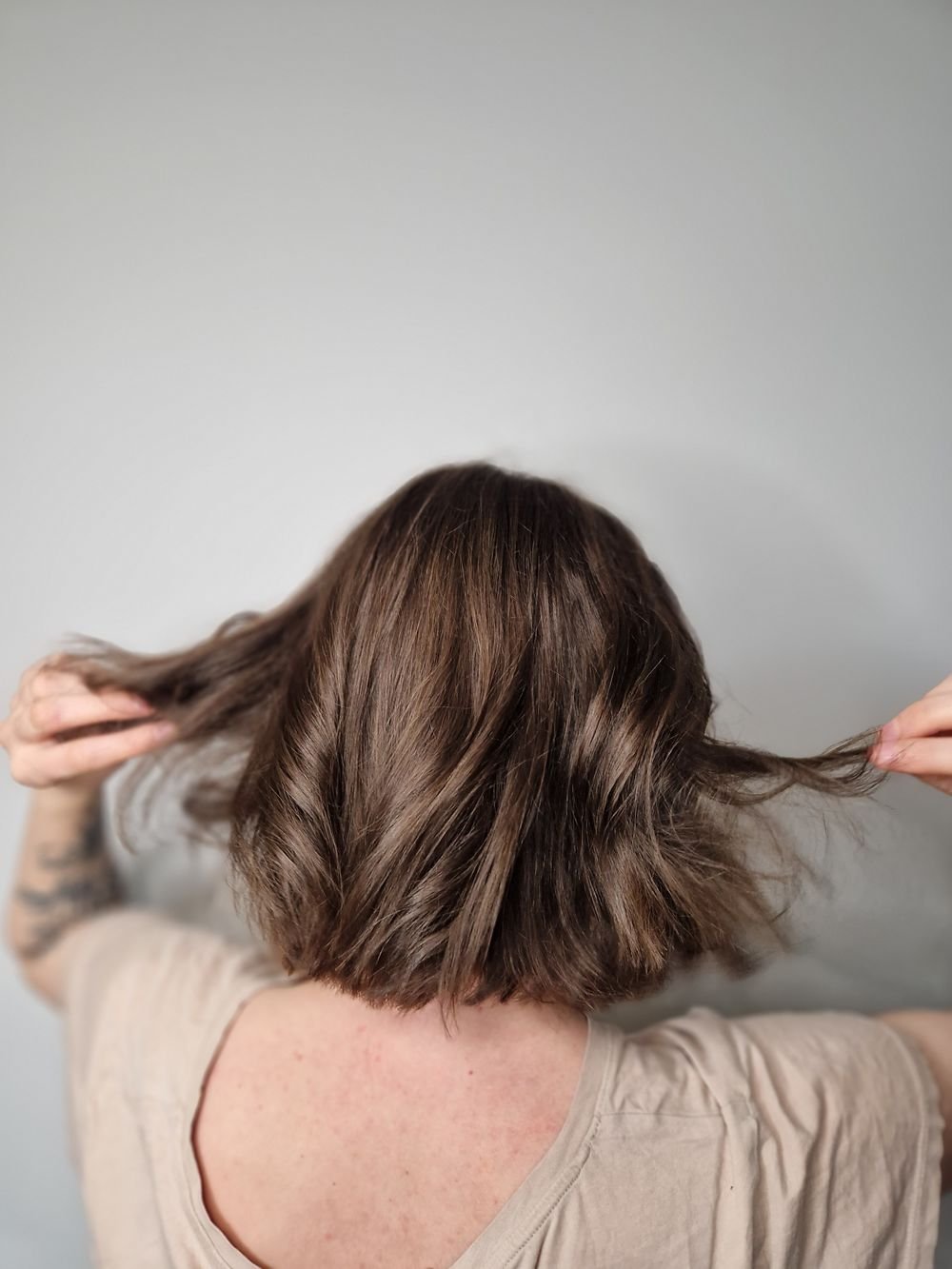
Colour 14: Gloss-Only Brunette — Colour Without the Commitment
Here is the lowest-maintenance lived-in brunette of all, and it involves no dye. A professional gloss — sometimes called a toner or a glaze — coats your natural hair with a sheer layer of colour and shine, and washes out gradually over six to eight weeks. There is no regrowth line at all, because there is no permanent colour to grow out.
A gloss is the right choice if you are not ready to commit, if your natural brown has gone dull, or if you want to test-drive a warmer or cooler tone before you dye. It adds depth and shine, evens out the colour, and it is one of the quickest and cheapest things a salon can do for you. The only honest downside is that it cannot lighten your hair — a gloss can only add tone to what is already there. For natural brunettes, that is usually all that is needed.
Which Shades Hide Regrowth the Longest?
If low maintenance is your only priority, here is the ranking. Longest-lived are the shades closest to your natural brown: toffee ends, the gloss-only brunette and the classic root shadow, because the colour barely differs from what grows in. Next come the low-contrast melts — mocha, chestnut and honey — where the lightest pieces are only a couple of levels above the base. Shortest-lived are the cool tones, mushroom and ash, which need a toner every eight to ten weeks to stay cool, and the high-contrast looks, where a bright money piece or strong caramel ribbons show the root line sooner.
Your own natural colour matters just as much as the shade you choose. If you are naturally dark brown and you pick a dark lived-in brunette, your roots are practically invisible for months. If you are naturally light brown and you go for a deep espresso, the contrast is bigger and you will see it sooner. The golden rule of low-maintenance colour is simple: stay close to what you were born with, and let the placement do the work.
How Often Do You Really Need the Salon? (Honest Spacing and Costs)
Let us talk honestly about time and money, because this is where lived-in brunette earns its reputation. With a well-placed lived-in colour, most brunettes need a full colour appointment every twelve to sixteen weeks — three or four times a year. Between those visits, a quick toner or gloss appointment every eight to ten weeks keeps the tone fresh, and that visit is usually half the price and half the time of a full colour.
Compare that with traditional highlights, which typically need a touch-up every four to six weeks. Over a year, a lived-in brunette usually costs less than half as much as a high-maintenance highlight routine, even if each appointment costs a little more — because the colourist spends more time on placement and blending. Prices vary by salon and by city, so ask for the full price before you sit down, and ask what the next appointment will cost rather than only this one. A colourist who is honest about upkeep is a colourist you can trust.
The At-Home Gloss Refresh That Buys You Another Month
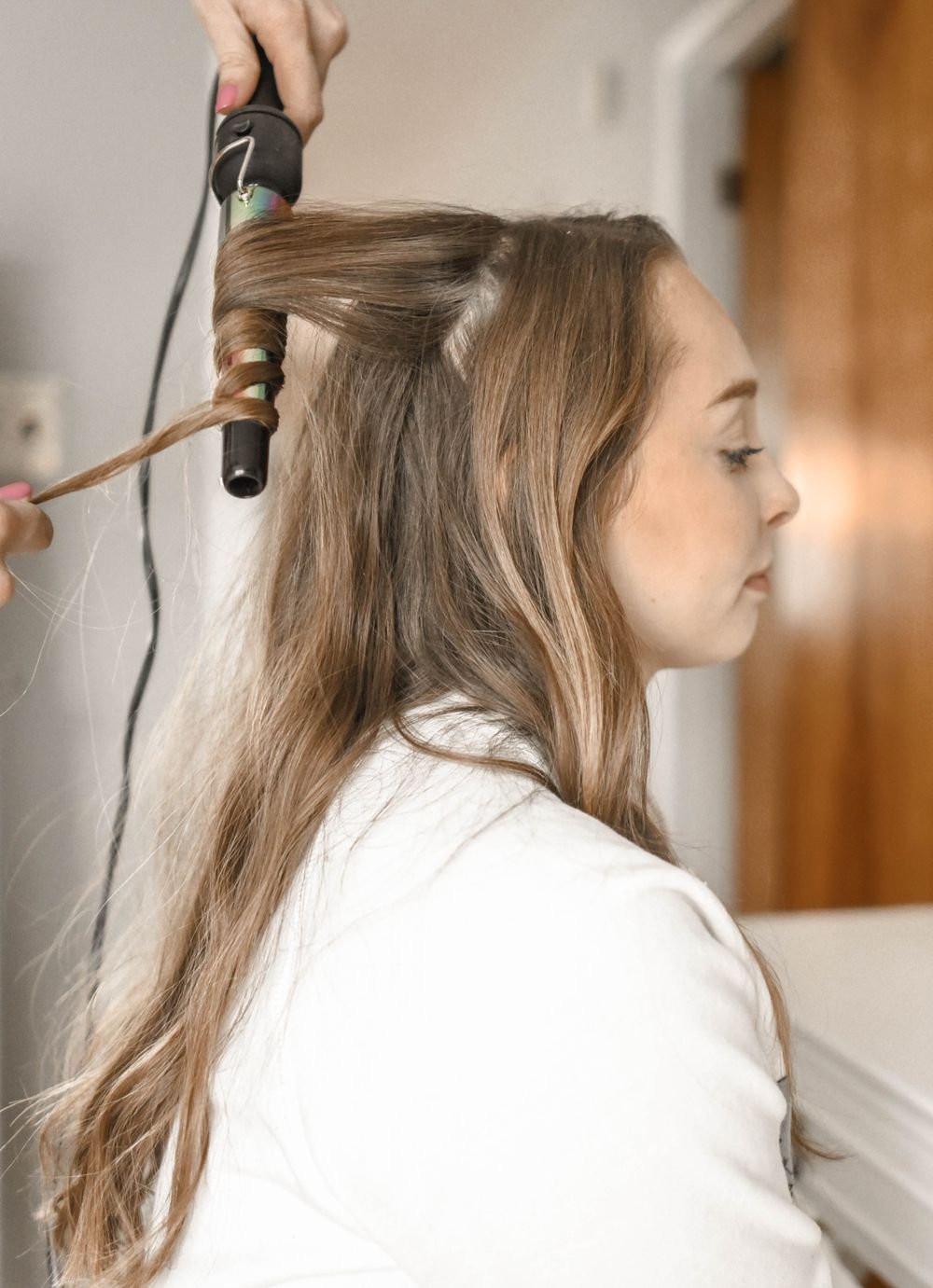
Between salon visits, a colour-depositing gloss or a tinted conditioner is your best friend. Used once a week in the shower, it tops up the tone, adds shine and keeps the colour looking intentional instead of faded. Choose a shade that matches the tone of your colour — warm brown for honey and chestnut, cool brown for mocha and mushroom — and leave it in for five minutes rather than the one minute the bottle suggests.
A few rules for the at-home gloss. Do not use a box dye over lived-in colour — you will undo the blend and create the solid line you paid to avoid. Do not overdo the gloss, or the colour will build up and go muddy. And protect the colour from the things that strip it fastest: very hot water, clarifying shampoos and too much sun. A colour-safe shampoo, a weekly mask and lukewarm rinses will stretch every salon visit further than any product you can buy.
Save This for Later: Your Lived-In Brunette Pinterest Pin
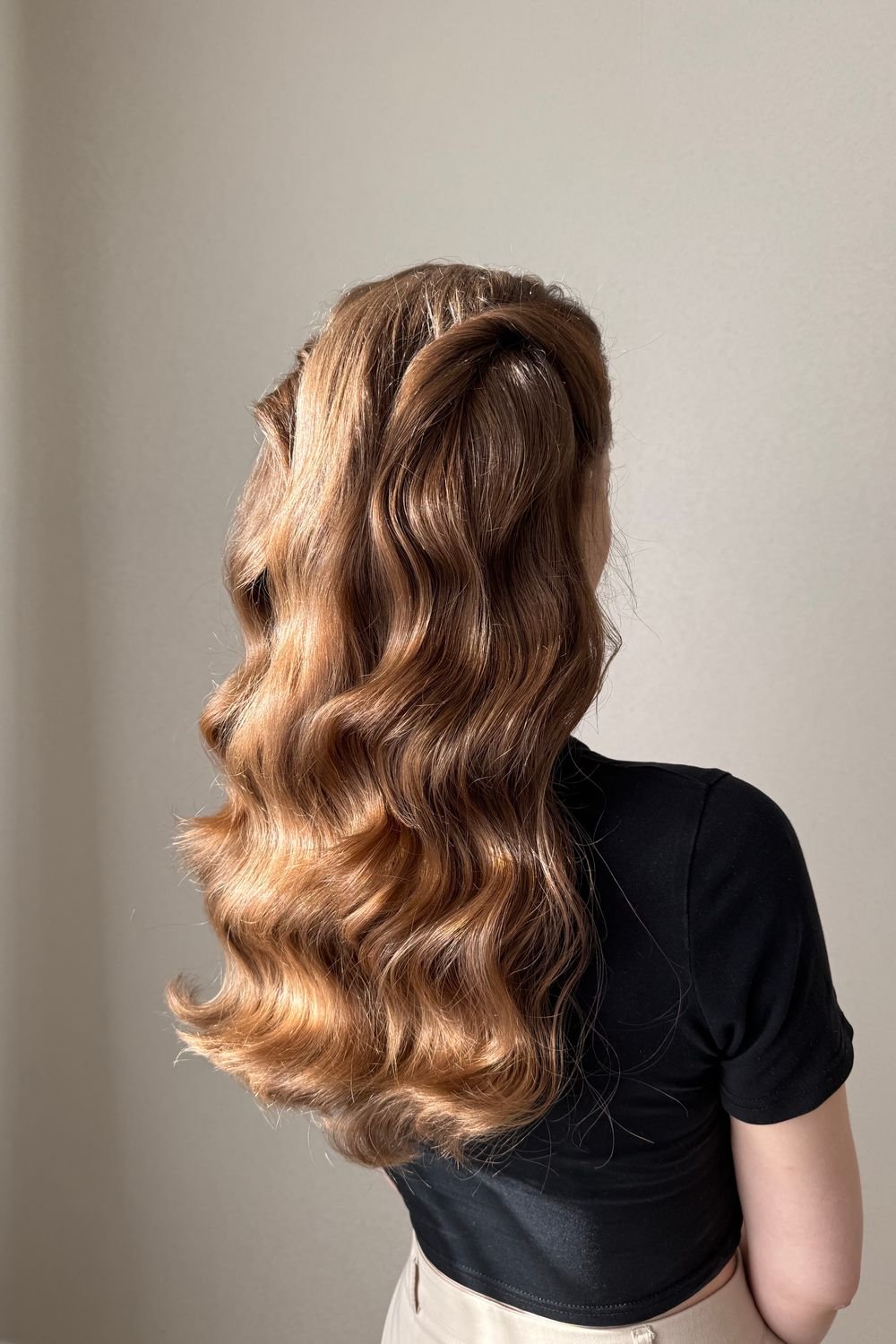
Found your shade? Save it before your January appointment — pin this guide and bring it to your colourist. It shows the placement, the shades and the honest salon schedule, so you can point at the one you want instead of trying to describe it.

Want a caption to go with your pin? Try our free Pinterest caption generator — it writes the pin title and description for you in seconds.