
Some haircuts are just haircuts. The French bob is not one of them. It is the cut Pinterest has saved more than any other this year – jaw-length, a little undone, worn with wispy bangs that soften the whole face – and it is the cut people ask for by name at the salon. These french bob with wispy bangs haircut ideas explain what makes it French, how it differs from a classic bob, and 15 chic ways to wear it, on straight, wavy and curly hair, with honest notes on face shape, styling and grow-out.
Before you book, save two or three looks from this guide that match your hair texture and face shape. A photo is the fastest way to get the cut you want, and this guide also gives you the exact words to say at the salon – because the French bob lives or dies on a few millimetres of length and the right kind of finish.
What Makes It French (Jaw Length, Undone Finish)
A French bob is not a short bob with a French name. It is a specific shape: it ends at the jaw, it has an undone, slightly tousled finish, and it is worn with a soft, wispy fringe that blends into the sides. The length matters because the jaw is the line that defines the face – a French bob sits exactly there, framing the jawline rather than hiding it. The finish matters because the cut is meant to look like you did almost nothing to it.
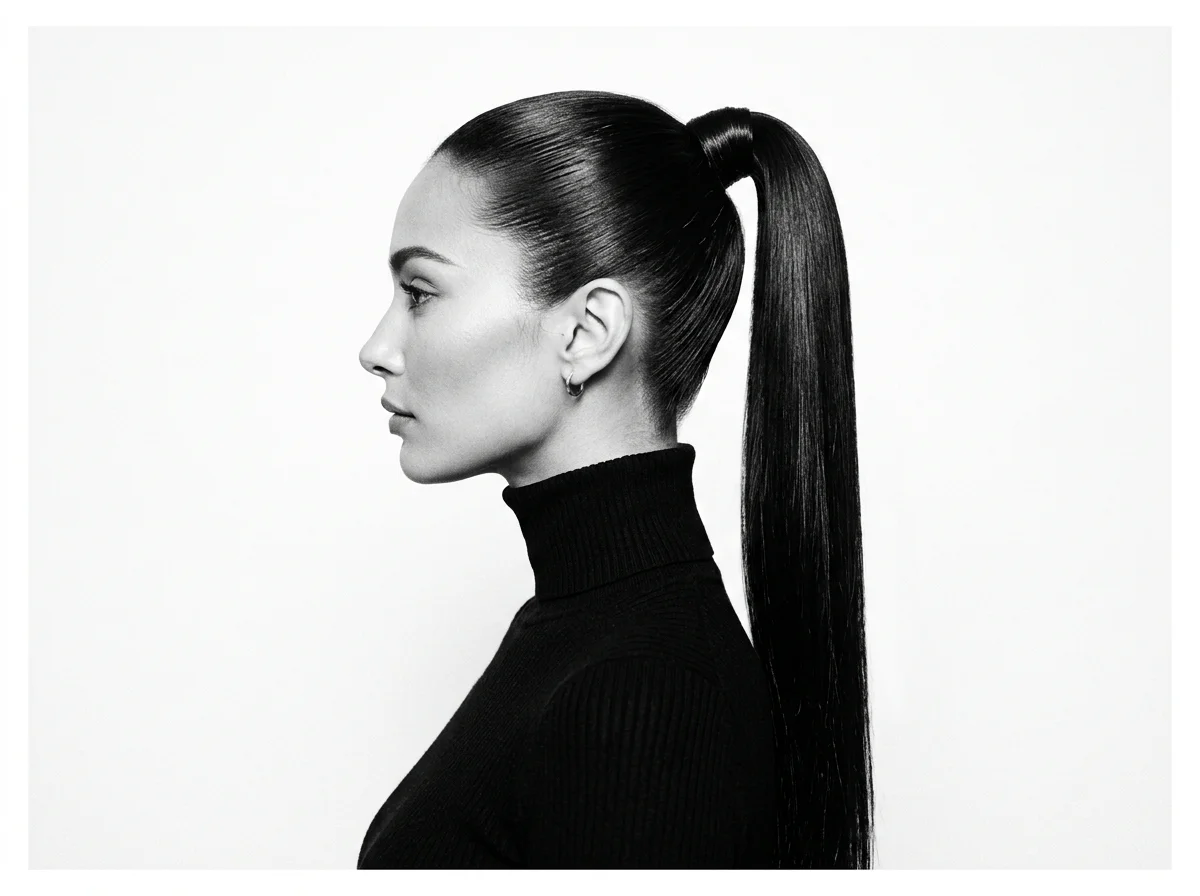
The French bob also has an attitude. It is the cut of women who look polished without looking done, and that is the hardest thing to imitate. The secret is the cutting technique: the ends are point-cut or lightly textured rather than blunt, so the outline is soft; the layers are invisible, so the hair moves; and the fringe is wisped, so it never sits as a solid block. When it is cut well, you can brush it, shake it and walk out. When it is cut badly – too blunt, too long, too heavy a fringe – it looks like an ordinary bob with a French label.
It also flatters almost everyone, which is part of the appeal. It works on straight hair, where it looks sharp and graphic; on wavy hair, where it looks soft and romantic; and on curly hair, where the curls stack and create their own shape. The one thing it does not do is hide. A French bob puts your face in the frame, so it suits women who are happy to show their face – and the wispy bangs soften it enough that you do not need perfect features to wear it well.
The French Bob vs the Classic Bob
People use the two names as if they are the same cut, and they are not. The classic bob is a shape; the French bob is a feeling. Here is the difference, in the two places it matters most.
The Length: Jaw, Not Chin
A classic bob can be any length from the ear to the shoulder. A French bob is always jaw-length, or a breath above it. The difference is visible: a French bob ends just at the jawbone, so it frames the face and shows the neck, while a classic bob often ends at the chin or below, covering more of the face. That one difference is why the French bob photographs so well – it gives the face a frame instead of a curtain. If your stylist asks how short you want it, the answer is: so it touches the jaw when it is dry. Hair shrinks as it dries, so a good stylist will check the length dry, not wet.
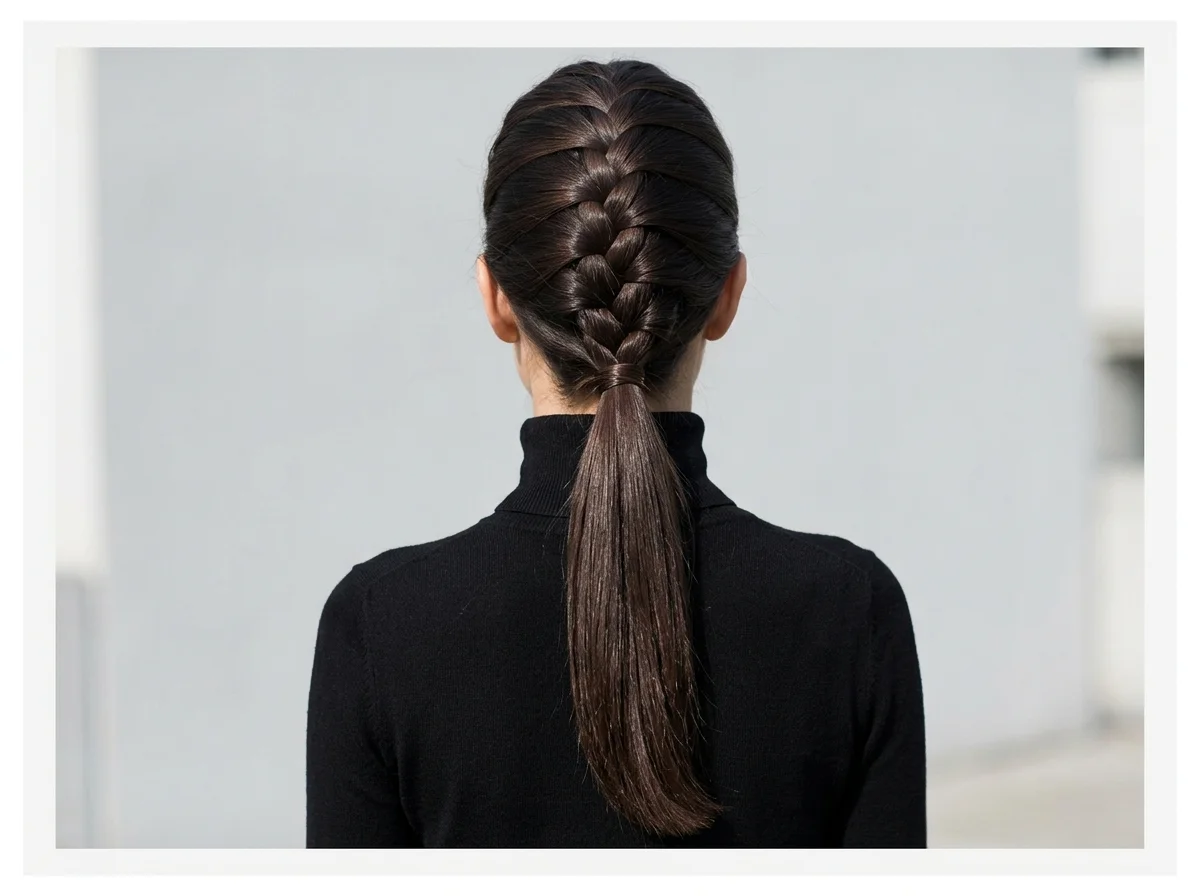
The Finish: Undone, Not Polished
The second difference is the finish. A classic bob is often blow-dried smooth and polished, with a clean, sharp outline. A French bob is dried with fingers, not a round brush, and it is meant to look a little undone – a bend here, a flick there, nothing too perfect. The ends are textured so they move, and the fringe is wisped so it never sits flat. That is what makes it look French rather than salon-perfect. It is also what makes it low maintenance: the undone finish means day-two hair often looks better than day-one hair.
The practical consequence is that the two cuts are cut differently. A classic bob is cut with a blunt outline and a smooth finish in mind. A French bob is cut with the texture built in – point cutting at the ends, invisible layers through the interior, and a fringe that is cut with the hair dry so the stylist can see how much it will shrink. Ask yours whether they cut the fringe dry; if they do, you are in good hands.
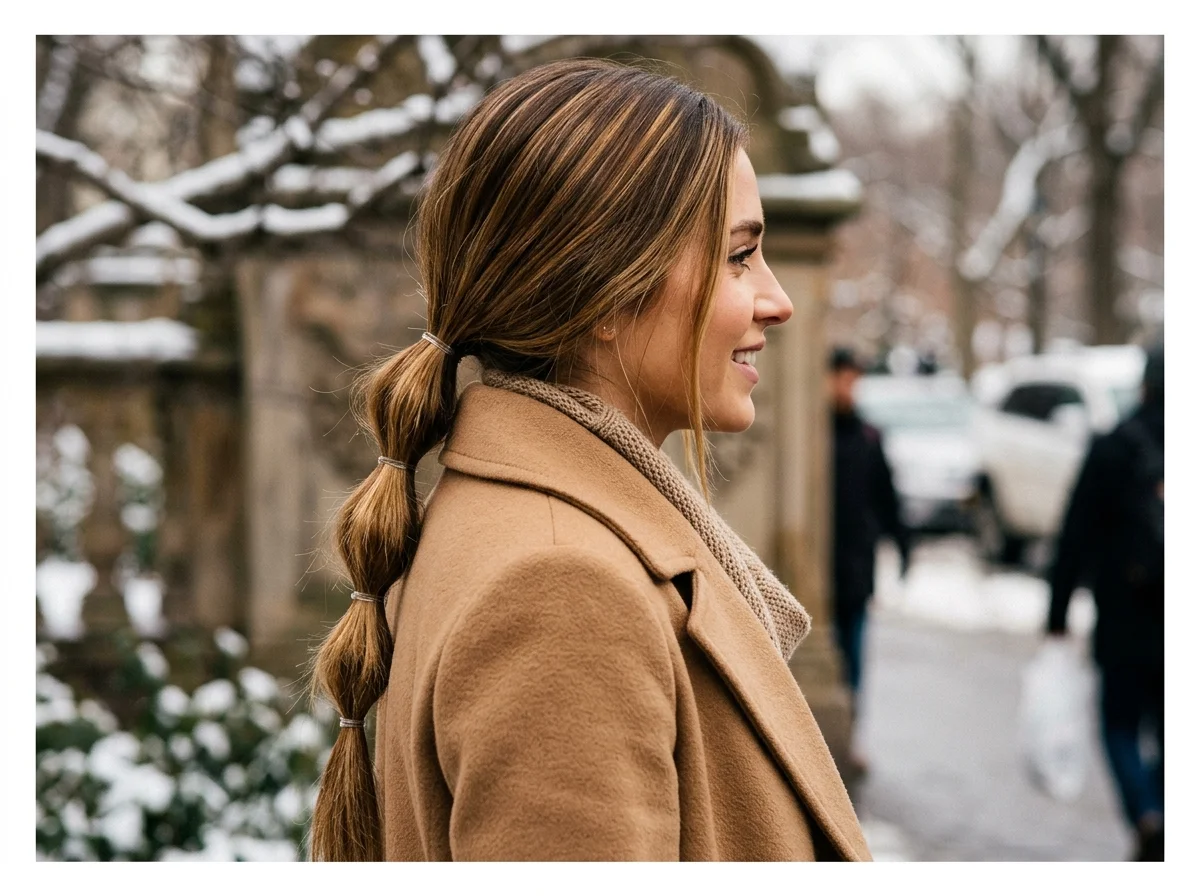
15 Chic Ways to Wear It
Here are the 15 ways, grouped by fringe, texture and finish. Each one is a complete look you can ask for by name – save the ones that match your hair and your face.
Five Ways by Fringe
The fringe is what makes a French bob a French bob with wispy bangs. These five versions change the whole feel of the cut.
- The classic wispy fringe. Light, piecey, just touching the brows. The one to choose if you have never had a fringe before – it grows out in weeks and it suits every face shape.
- Curtain wispy bangs. Parted in the middle and swept to each side, so the fringe frames the face like a curtain. Best on oval and heart-shaped faces, and the most forgiving fringe if your hair has a natural wave.
- The side-swept wispy fringe. Swept low across the forehead from a deep side part. It lengthens round faces and it is the best choice if you wear glasses, because it leaves the frames clear.
- The baby wispy fringe. Short, light and playful, ending above the brows. It is the boldest of the five and the one that reads most Parisian – pair it with red lipstick and simple jewellery.
- The wispy fringe with a centre part. The fringe is cut soft and parted in the middle so it falls to both sides. It suits long faces by shortening the forehead, and it is the easiest fringe to grow out.
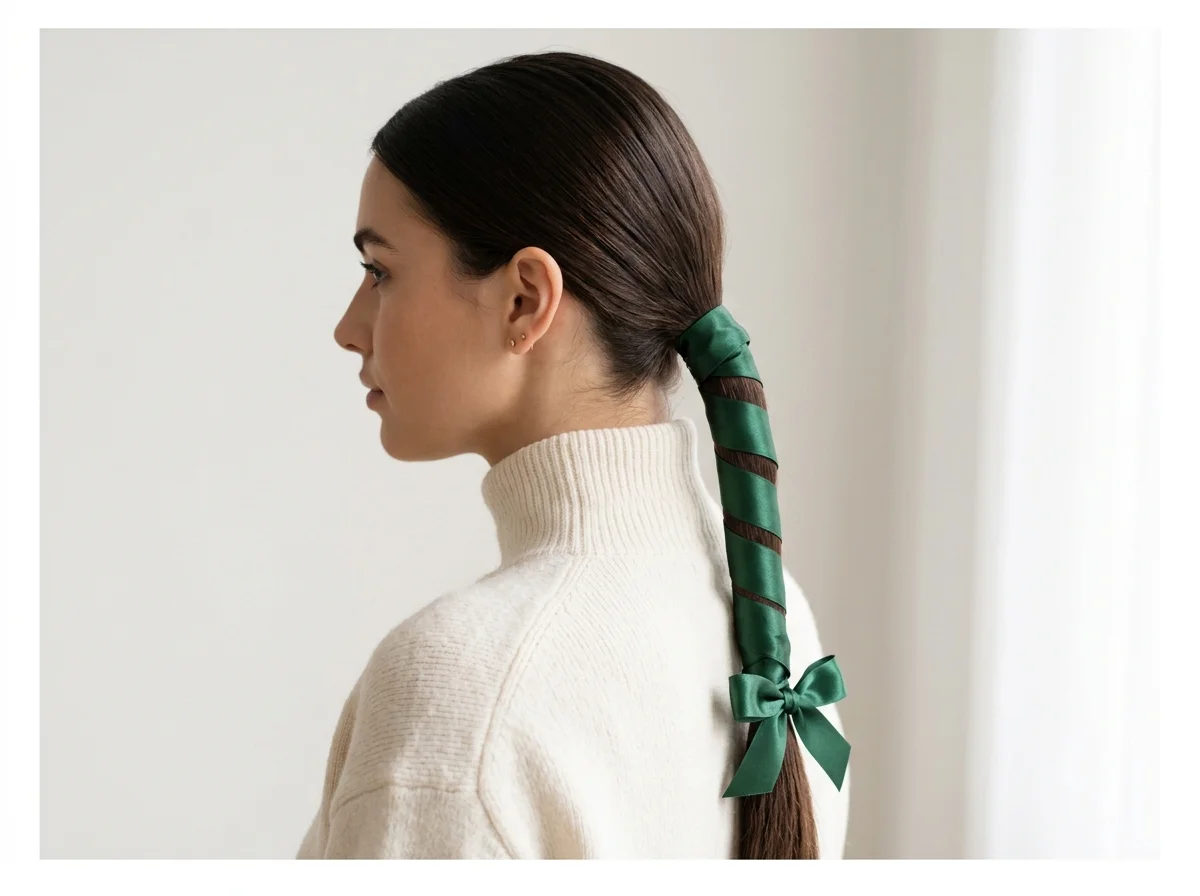
Five Ways by Texture
The same cut reads completely differently depending on your hair texture. Choose the version that matches how your hair actually behaves, not how you wish it behaved.
- The sleek straight French bob. Blow-dried smooth with a flat brush and a little shine serum. It is the sharpest version of the cut and the best choice for fine, straight hair, because the clean line makes the hair look thicker.
- The air-dried wavy French bob. Washed, scrunched with a little salt spray and left to dry. The waves give the bob its undone French finish for free, and it is the lowest-effort version of all.
- The soft curl French bob. Curls set on a large tong or with a round brush, then brushed out so they fall soft. The curls stack at the jaw and create a rounded, romantic shape.
- The textured tousled French bob. Cut with point-cut texture and finished with dry texture spray. The most modern version, and the best for thick hair that needs the weight taken out.
- The wet-look French bob. A small amount of gel combed through while the hair is still damp, then left to set. It is the evening version of the cut – sleek, glossy and made for going out.
Five Ways by Finish
The finish is the last choice, and it is what makes the same cut work for a workday and a wedding.
- The undone Parisian finish. The default: finger-dried, a little texture spray, nothing else. It is the finish in every French bob photograph you have ever saved.
- The polished tuck. One side tucked behind the ear, the other left loose. It shows off the jawline and an earring, and it is the most elegant version for work.
- The headband French bob. A velvet or padded headband pushed back behind the fringe. It keeps the fringe off the face and turns the bob into an outfit in itself.
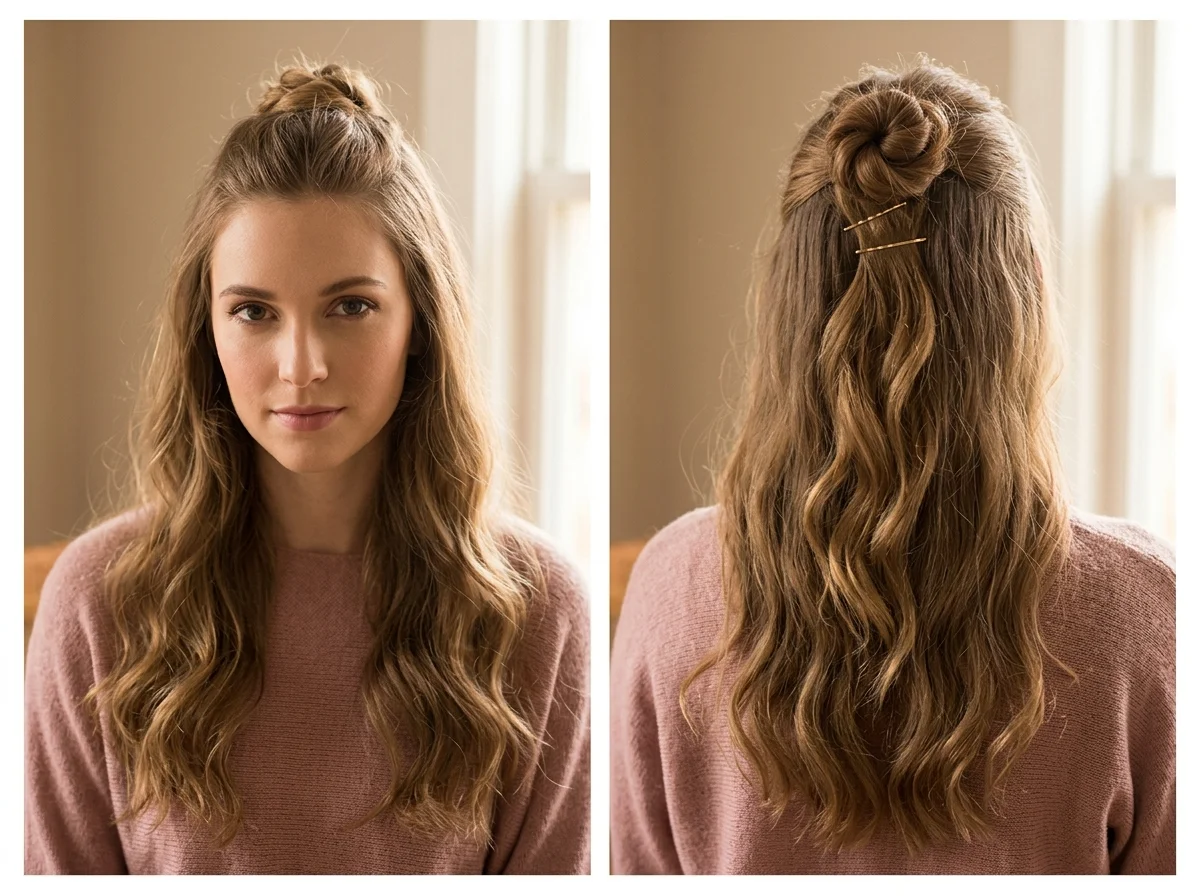
- The half-up French bob. The top section pulled back into a small twist or clip, the rest left down. It is the best way to wear the bob while it grows out, because it hides the in-between stage.
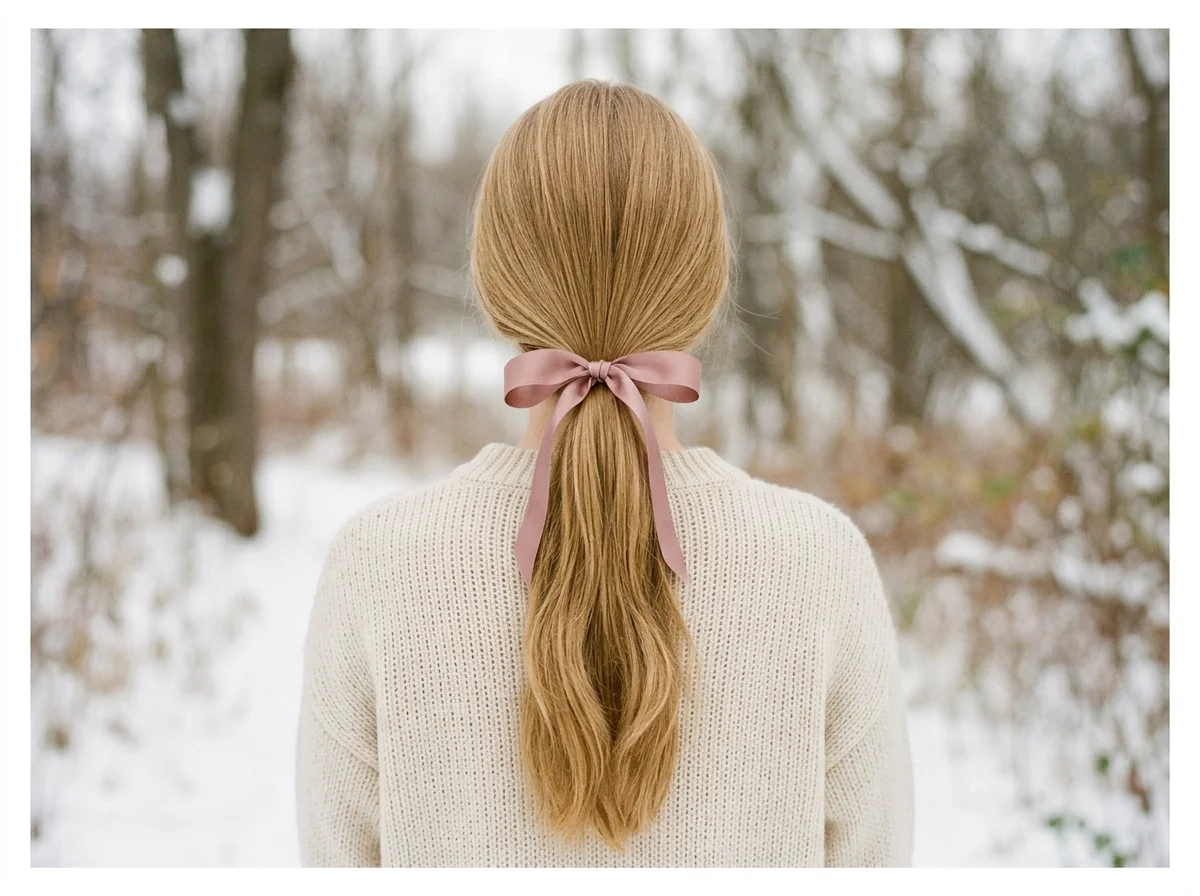
- The French bob with a silk scarf. A small silk scarf tied at the nape or around a low ponytail. It is the most French accessory there is, and it makes a simple bob look considered.
Wispy Bangs by Face Shape
The right fringe for your face makes the whole cut work. Oval faces can wear any of the five fringe versions – try the classic wispy fringe first, because it is the most versatile. Round faces need a longer, side-swept fringe and a deeper part, which lengthens the face; avoid a short, blunt fringe, which makes the face look rounder. Square faces soften with a wispy fringe that is longer at the sides and shorter in the middle, because the shape breaks up the strong jaw.
Heart-shaped faces suit curtain bangs, because the fringe balances a wider forehead against a narrower chin. Long faces need a fringe that shortens the forehead – a classic or baby wispy fringe does it, and it should sit at or just above the brows rather than sweeping to the side. And if you wear glasses, keep the fringe either clearly above the frames or swept to the side, and tell your stylist to cut it with your glasses on, so the shape is built around the frames.
Styling It Undone: The French Way
French bob styling is mostly about what you do not do. Wash it, put in a little mousse or salt spray, dry it with your fingers or a diffuser, and stop. The moment you reach for a round brush and a flat iron, you have a classic bob, not a French one. The undone finish is the point.
A few habits make it work. Sleep on the bob rather than re-styling it every morning – French bob hair looks better on day two, when the natural oils give it the grip that makes it hold its shape. Use dry shampoo at the roots on day two or three rather than washing daily, because fresh hair is too slippery to hold the undone finish. If the fringe goes flat, a quick blast with the dryer while you push it with your fingers is all it needs – never a straight iron, which makes the fringe look heavy. And keep one texture spray and one light oil; the spray gives grip, the oil gives shine on the ends, and together they are the entire French bob toolkit.
Grow-Out and Trim Schedule
A French bob grows out more gracefully than most short cuts, because the undone finish hides the in-between stage. Still, it needs a trim every five to six weeks to keep the jaw length and the wispy fringe in shape. The fringe will need tidying every three to four weeks – it grows fastest and it is the first thing to lose its shape. Many salons offer a free fringe trim between appointments, so ask.
Plan the grow-out before you need it. If you are growing the bob into a lob, book a shaping appointment every six to eight weeks instead of letting it grow wild, and use the half-up style from the list above to manage the in-between stage. If you are keeping the French bob long term, the trim is what makes it look expensive rather than accidental – the jaw line and the fringe are the two places that show a missed appointment first. Set a recurring booking and you will never have to think about it.
What to Wear with a French Bob
A French bob is the rare haircut that changes how your wardrobe reads. Because the hair ends at the jaw, the neckline, the collar and the shoulders all become part of the look, and the right outfit makes the bob look intentional rather than accidental. The guiding rule is balance: the bob is neat and graphic, so the outfit can be soft and relaxed, or the other way around.
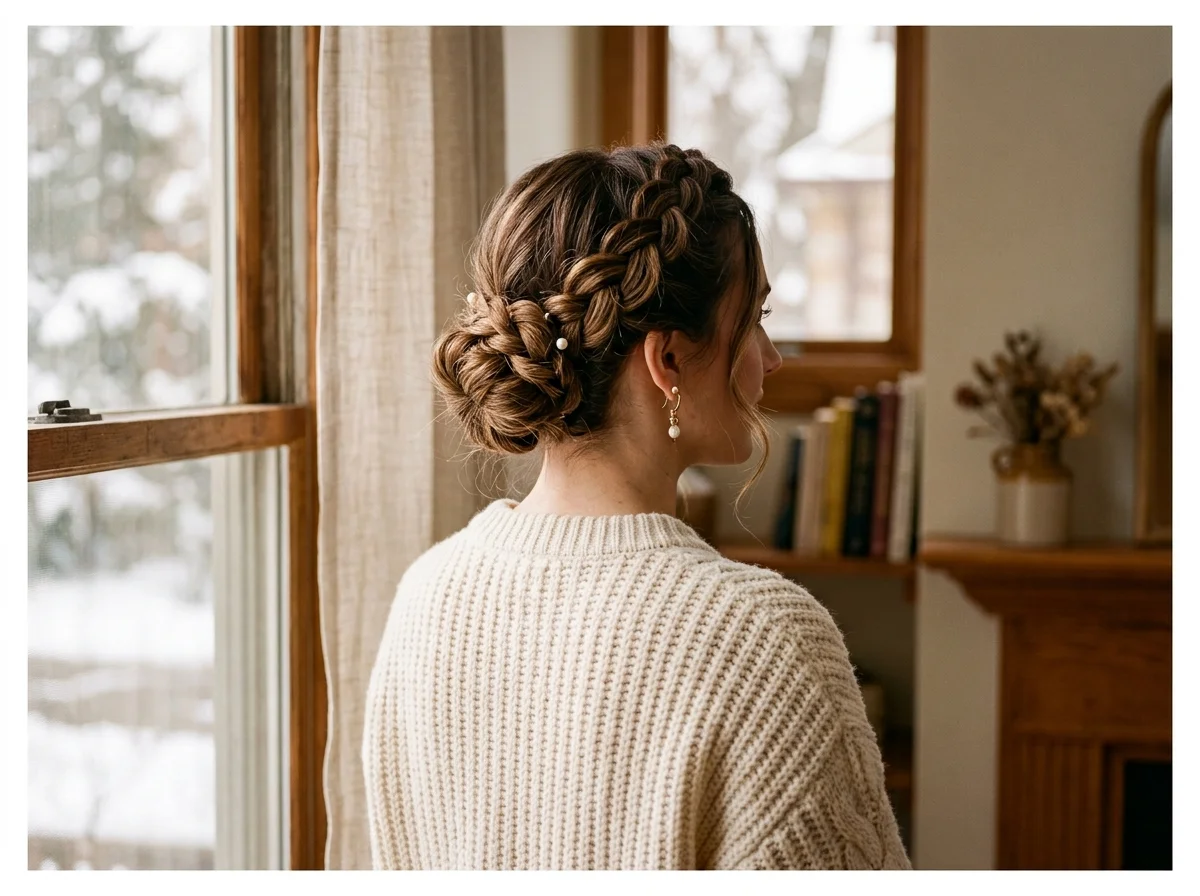
High necklines are the French bob best friend. A turtleneck or a funnel neck frames the jaw-length cut and shows off the line of the bob, while the hair frames the face above it. It is the classic Parisian pairing and it works in every colour, though black, cream and camel are the ones that make the bob look most expensive. A chunky knit in winter does the same job more casually – the knit texture against the smooth bob is a beautiful contrast, and it is the reason the French bob reads so well in winter fashion, when layers and collars are everywhere.
Shoulders matter too. Off-the-shoulder tops and boat necks leave the jaw and the neck open, which is where the French bob does its best work, and a bare shoulder with a jaw-length bob is one of the most flattering combinations in winter evening dressing. And do not forget earrings: a French bob shows the ears, so statement earrings – hoops, drops, a little sparkle – finish the look in a way long hair never could. If you are building a wardrobe around the cut, start with the outfit side of our site too – the winter hairstyles for long hair guide is for readers not ready to cut, and it shows how longer styles pair with the same high-neck winter outfits.
For parties, the French bob is already a finished look. A sleek version with a red lip and a black dress needs nothing more, and the holiday hairstyles collection has party styling ideas that work beautifully on jaw-length hair – a little sparkle at the ear, a velvet headband, or a low twist that keeps the bob shape while adding a festive note.
What to Say at the Salon: Photo Language
Here is the part that decides whether you leave happy. The French bob fails when the stylist hears a different cut than the one you mean, so bring the right language as well as the right photos. Say: jaw-length, undone finish, wispy bangs that blend into the sides, textured ends, invisible layers. Then add the texture: straight and sleek, or wavy and air-dried. And point at the photos – not just the cut you like, but the fringe, the length at the jaw, and the finish.
Bring three photos, not one, and make sure at least one of them shows a woman with your hair texture and a similar face shape. One photo of the length, one of the fringe, and one of the finish is the perfect set. Ask the stylist to cut the fringe dry, to check the length dry, and to point-cut the ends rather than blunt-cut them. And ask the price of the maintenance: the trim schedule, the fringe trims, and the cost of the next visit, so there are no surprises.
Two things to avoid saying. First, do not just say short bob without the word French – that is how you end up with a classic bob that is cut blunt and polished. Second, do not promise yourself you will style it like the photo every morning unless you actually will. Tell your stylist honestly how much time you spend on your hair, and let them adjust the cut to your routine. A French bob cut for a wash-and-go morning is a slightly different cut than one built for a blow-dry routine, and a good stylist will build it for yours.
Frequently Asked Questions
Can I wear a French bob if my hair is fine?
Yes – the French bob is one of the best short cuts for fine hair, because the jaw-length ends sit together and look dense. Ask for invisible internal layers at the crown and a clean, textured outline, and avoid long, razored layers through the ends. If your hair is fine and you are over 60, our guide to short hairstyles for women over 60 with fine hair covers the volume tricks that make fine hair look thicker in a bob-length cut.
How often does a French bob need trimming?
Every five to six weeks for the cut itself, and every three to four weeks for the fringe, which grows fastest and loses its shape first. Many salons offer a free fringe trim between appointments. If you are growing it out, book a shaping appointment every six to eight weeks instead, and use the half-up style from this guide to manage the in-between stage.
Will wispy bangs work with glasses?
Yes, as long as the fringe is cut with your glasses on. Keep the fringe either clearly above the frames or swept to the side, so it never fights the top of the frames. A side-swept or curtain fringe is the most glasses-friendly version, and the stylist should check the length while you are wearing them.
What if my hair is curly?
Curly hair makes a beautiful French bob, because the curls stack at the jaw and create a rounded shape. It needs a stylist who cuts curly hair dry, so the shape is built for how the curls actually fall, and the fringe is best cut a little longer, because curls spring up as they dry. Ask for the fringe to be cut dry and a touch longer than you think you want – it will lift as it dries.
Save This for Later: Pin It for Your Stylist
Found your version? Save this guide to Pinterest so you can show your stylist exactly which French bob you want.
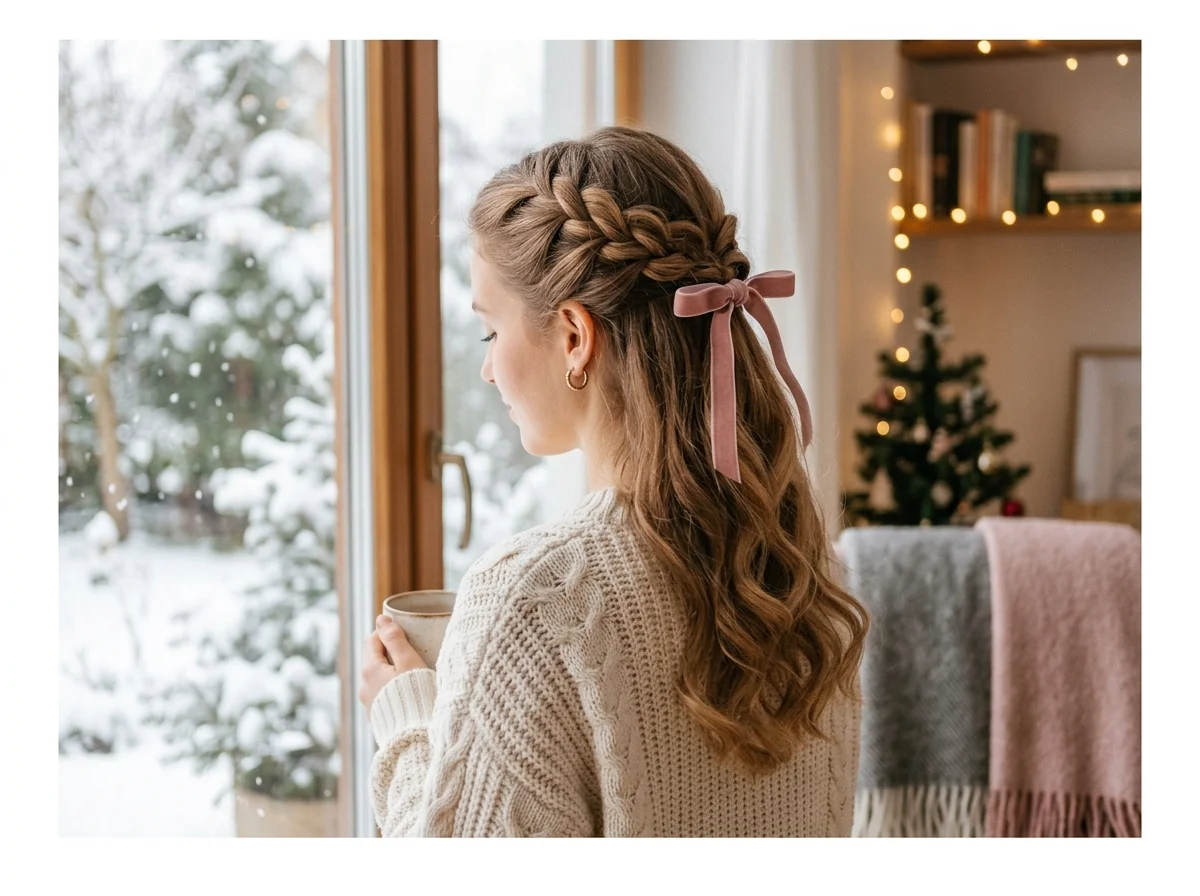
Follow Nova Fashion on Pinterest for a new hair idea every day. And if you want the perfect words for your pin, try our free Pinterest Caption Generator – it writes a caption that matches your style in seconds.
Conclusion
The French bob with wispy bangs earned its place as 2026’s most-saved cut for a simple reason: it is the haircut that looks like you, on your best day, with the least effort. Jaw-length, undone, and finished with a soft fringe that flatters every face shape – it is a cut that works on straight, wavy and curly hair, that grows out gracefully, and that pairs with everything from a turtleneck to a party dress.
Choose your fringe, choose your texture, save three photos, and take the exact words from this guide to the salon. And if you are not ready to cut yet, our winter hairstyles for long hair guide will keep you inspired until you are. The bob is waiting when you are.
Pingback: Long Layered Bob for Fine Hair: 14 Cuts That Add Body Without Losing Length Nova Fashion
Pingback: Flipped Bob Hairstyles: 13 Retro, Flicked-End Looks to Style This Winter Nova Fashion
Pingback: Asymmetrical Lob Haircuts: 12 Ways to Wear the Glitchy-Glam Cut, Subtle to Bold Nova Fashion