Drink Water First Thing

Drinking a full glass of water before coffee, before your phone, and before anything else is one of the most impactful things you can do each morning. Your body has been without hydration for seven to eight hours and genuinely needs it to function well.
This habit takes about thirty seconds and costs nothing, yet it consistently makes one of the biggest differences in morning energy levels, skin clarity, and digestion. Keep a glass of water on your bedside table the night before so the barrier to doing it is essentially zero.
Morning Skincare Routine

A consistent morning skincare routine is self care in the most literal and visible sense. It does not have to be a ten-step process. A gentle cleanser, a moisturizer with SPF, and you have protected your skin for the entire day ahead.
The act of touching your face intentionally and taking a few minutes just for yourself before the day begins sets a quiet, caring tone for everything that follows. It is a small ritual that signals to your brain that you matter before the world starts asking things of you.
Move Your Body
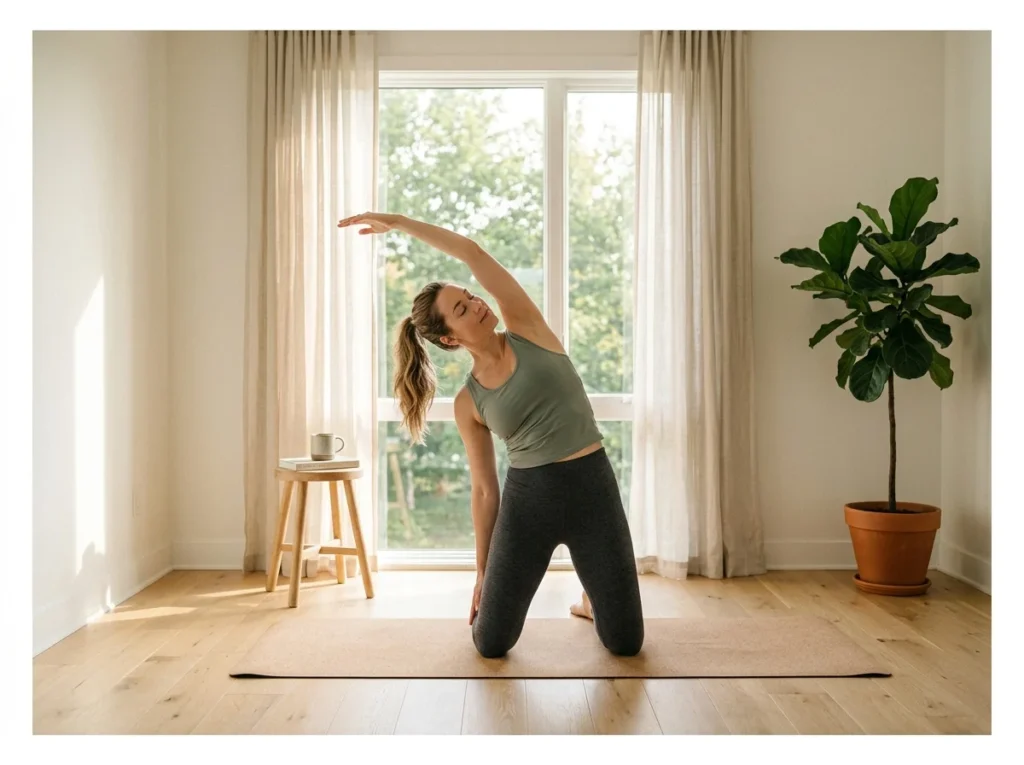
Moving your body every single day does not mean a full gym session or a five mile run. Even ten minutes of stretching, a short walk, or a gentle yoga flow genuinely counts and genuinely helps both your physical and mental state.
The goal is consistency rather than intensity. Daily movement improves your mood through natural endorphins, helps your body manage stress hormones, and creates a sense of accomplishment before most people have even had breakfast. Start small and build from there.
Eat a Nourishing Meal

Eating one genuinely nourishing meal every day, even if the rest of the day is chaotic, is a powerful act of self care that most people overlook in favor of more obviously aesthetic habits. Your body and brain literally run on what you feed them.
This does not have to be complicated or Instagram-worthy. A bowl of oatmeal with fruit, a veggie-packed eggs scramble, or a balanced plate of whatever you have available qualifies. The key is sitting down, eating mindfully, and treating nourishment as a priority rather than an afterthought.
Get Outside for Fresh Air

Stepping outside for even ten minutes of fresh air and natural light, especially in the morning, genuinely resets your nervous system and helps regulate your body’s natural sleep and energy cycles more effectively than almost any supplement can.
Natural light exposure in the morning signals your body that it is time to be alert, which helps you feel more energized throughout the day and sleep better at night. Even walking to the mailbox and back counts when you are just starting out.
Morning Journal

Morning journaling is the simplest way to clear mental clutter before it has a chance to pile up during the day. Write freely for five to ten minutes about whatever is on your mind without editing, judging, or trying to make it make sense.
This practice genuinely helps process emotions, reduce anxiety, and gain clarity on situations that felt overwhelming the night before. If you do not know where to start, try answering three questions: how am I feeling, what do I need today, and what am I grateful for right now.
Read for Ten Minutes

Reading for ten minutes every day, whether in the morning before screens or at night before sleep, feeds your mind in a way that scrolling and streaming simply cannot replicate. It builds focus, reduces stress, and slowly expands your perspective over time.
The type of book genuinely does not matter for self care purposes. Fiction that transports you somewhere else is just as valuable as nonfiction that teaches you something new. Ten pages per day adds up to entire books every single month.
Practice Gratitude
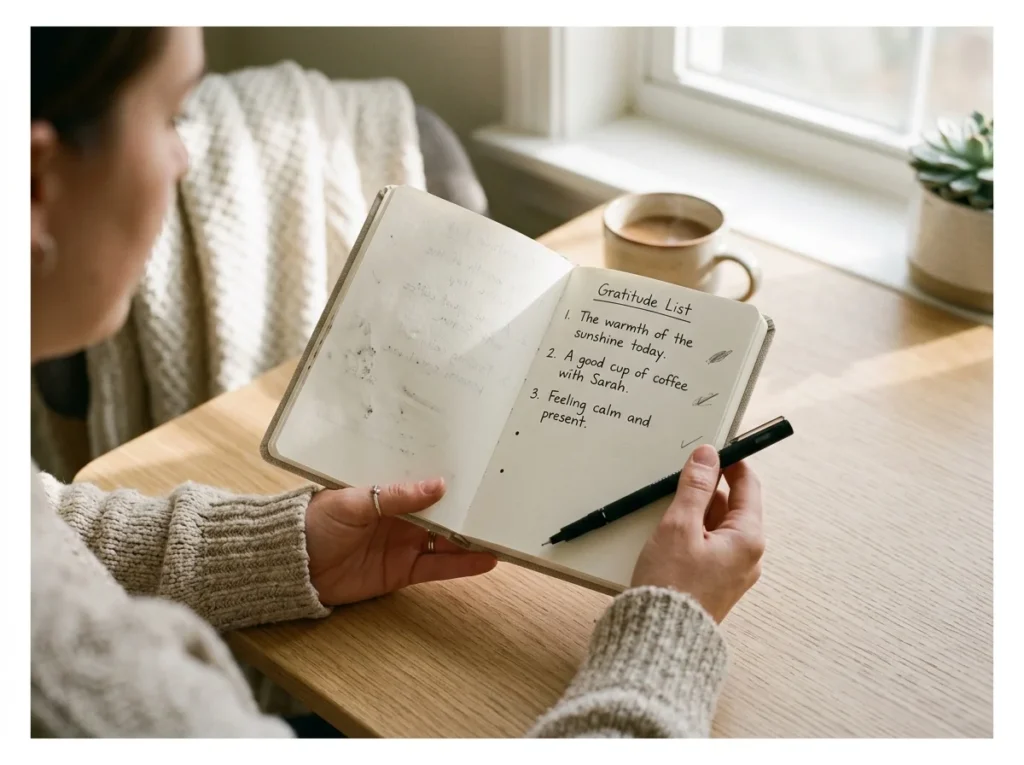
Writing down three specific things you are grateful for every single day is one of the most well-researched self care habits in existence because it genuinely rewires your brain toward noticing positive things rather than defaulting to negativity.
The key is being specific rather than generic. Instead of writing I am grateful for my family, write I am grateful that my sister called to check on me today. Specificity is what makes the practice actually shift your perspective over time.
Set a Daily Intention
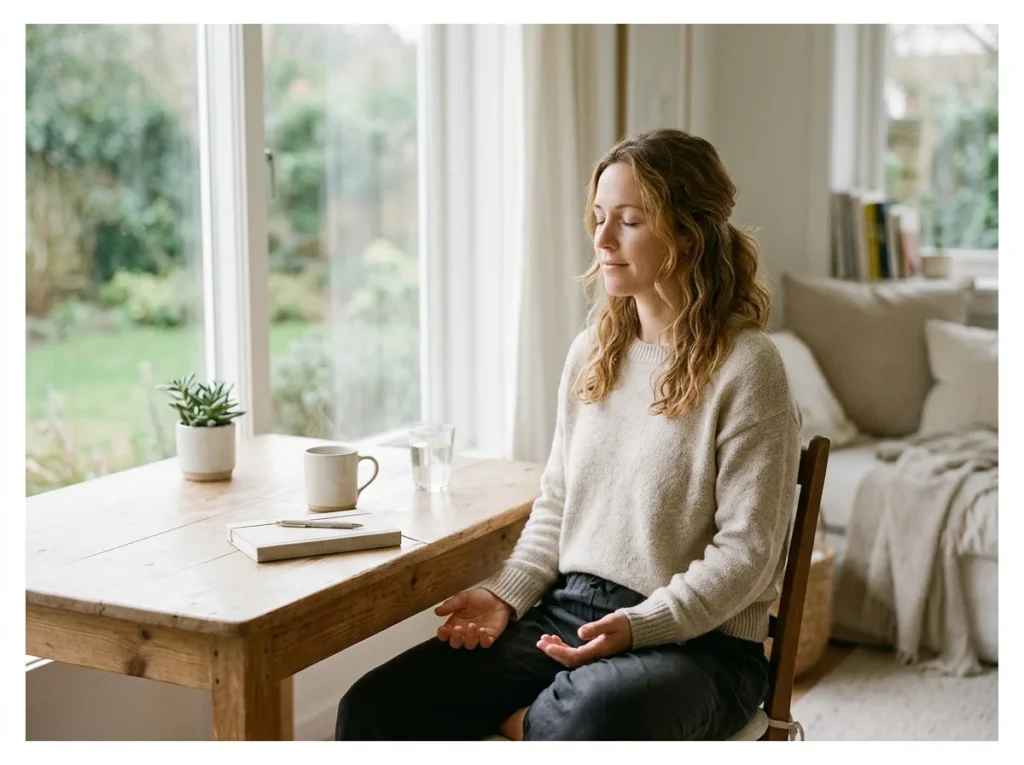
Setting one clear intention at the start of each day gives you a gentle compass for your decisions and energy without the rigidity of a strict goal. An intention is not a task. It is a feeling or quality you want to bring to the day, like patience, presence, or courage.
This habit takes under a minute and creates a meaningful sense of direction that helps you return to yourself when the day gets busy or stressful. Write it at the top of your journal page or simply say it quietly before getting out of bed.
Limit Social Media Time

Setting a daily limit on social media use, even thirty fewer minutes than usual, is one of the most impactful mental health decisions you can make without spending any money or time on anything new. Less comparison, less noise, and more space for your own thoughts.
Use your phone’s built-in screen time tracker to set a daily app limit that actually locks social media after a certain point rather than just nudging you to stop. The notification is easy to dismiss but a hard limit takes the decision out of your hands entirely.
Brain Dump Before Bed

A brain dump is exactly what it sounds like. Before bed, take five minutes to write down everything that is still swirling around in your head, to-dos, worries, random thoughts, ideas, anything at all. Getting it onto paper takes it out of your mental loop.
This practice genuinely improves sleep quality because your brain no longer needs to keep cycling through unfinished thoughts to make sure you do not forget them. Once they are written down, your nervous system gets the signal that it is safe to actually rest.
Meditate or Breathe Deeply
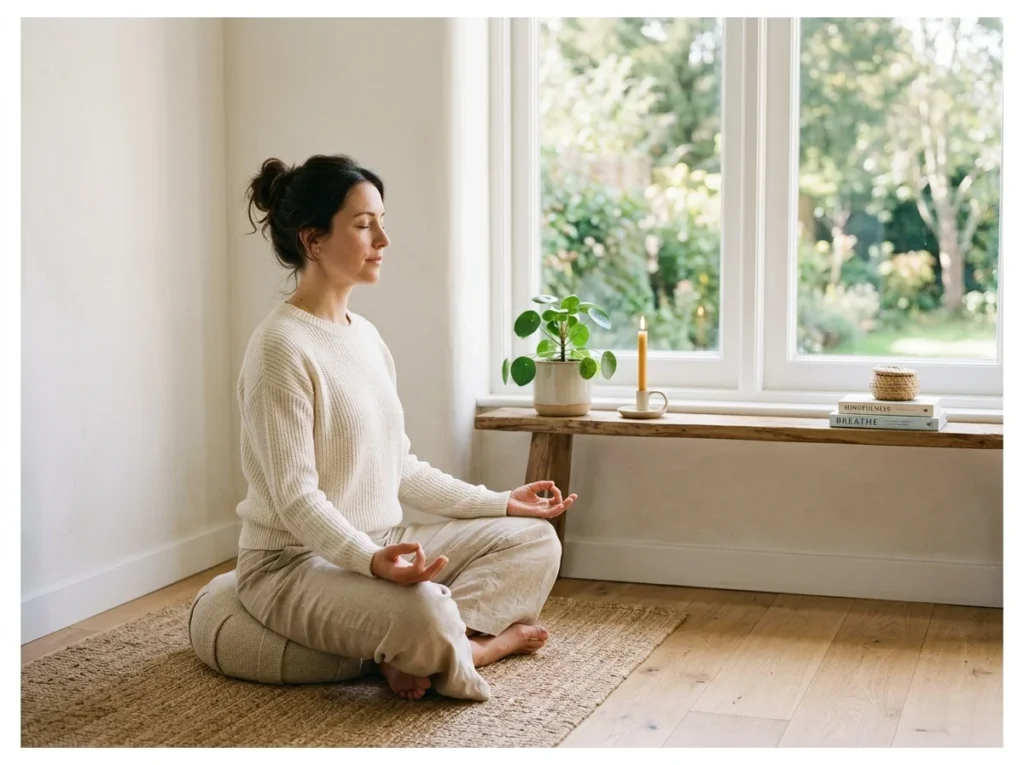
Meditation does not have to mean sitting in silence for an hour. Even three deep, intentional breaths taken at the same time each day counts as a meditation practice and genuinely activates your parasympathetic nervous system, which is your body’s built-in calm response.
If guided meditation appeals to you more than silent sitting, apps like Insight Timer, Calm, or Headspace offer free options as short as three minutes. The goal is consistency over duration every single time.
Connect with Someone You Love

Meaningful human connection, even a short phone call or a text that goes beyond the surface, is a fundamental emotional self care need that gets deprioritized whenever life gets busy. Connection with people who genuinely know you is nourishing in a way nothing else can replace.
Make it a daily checklist habit by designating one person to reach out to each day, rotating through friends and family members throughout the week. Even a voice note sent while commuting counts as genuine, intentional connection.
Say No to Something That Drains You

Practicing saying no to at least one thing that depletes your energy each day, whether that is a social obligation, a task you can delegate, or just another hour of doom scrolling, is one of the most powerful forms of emotional self care available.
This habit is genuinely difficult to start because most people have been conditioned to prioritize other people’s needs over their own. Start with something small and low stakes, like declining a meeting you genuinely do not need to attend, and build from there.
Affirmations in the Mirror
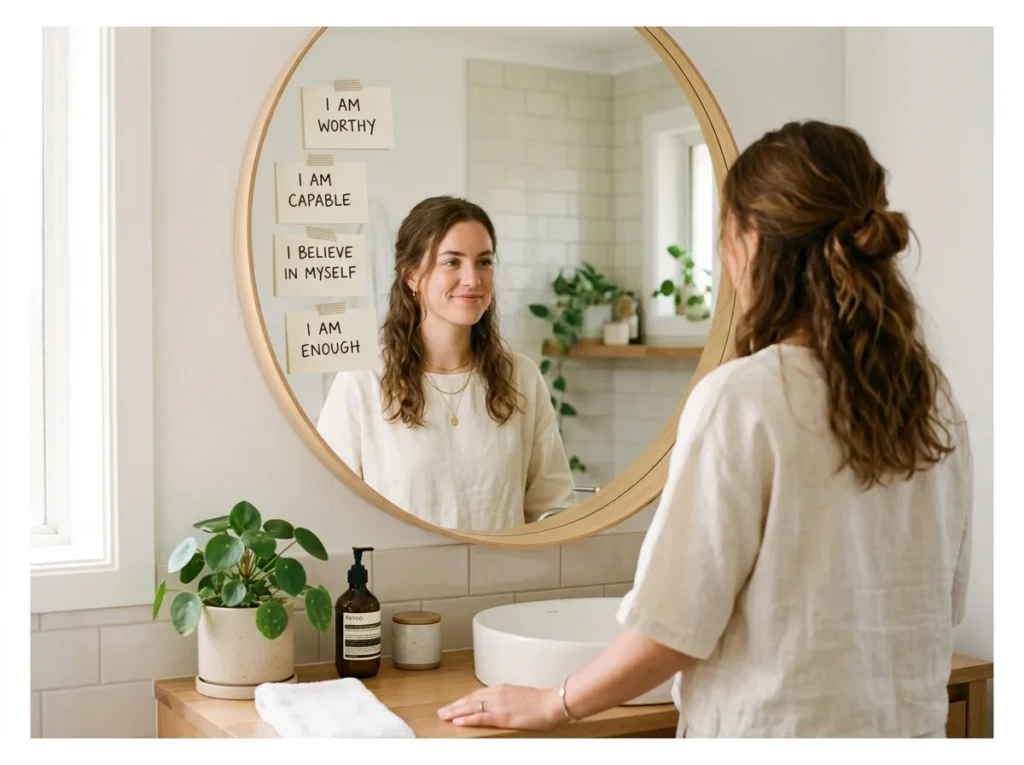
Standing in front of your mirror and saying two or three positive statements about yourself out loud feels awkward the first time and genuinely meaningful by the end of the first week. Your brain responds differently to spoken affirmations than to ones you simply read.
Keep your affirmations specific and present tense, like I am capable of handling whatever today brings or I deserve rest as much as I deserve productivity. Saying them while looking yourself in the eyes creates a deeper impact than saying them in your head.
Spend Time Alone Intentionally

Intentional alone time is different from loneliness or isolation. It is time you deliberately carve out to be with your own thoughts without input from other people, screens, or noise. This quiet space is where genuine self awareness actually grows.
Even twenty minutes of intentional solitude each day can lower cortisol levels, restore focus, and help you feel genuinely reconnected to your own needs and wants. Protect this time on your schedule the same way you would protect any important appointment.
Check In With Your Feelings

Taking thirty seconds to pause and ask yourself how am I actually feeling right now is a surprisingly radical act of self care for people who are used to pushing through without acknowledging what is happening emotionally beneath the surface.
Name what you feel specifically, using a word beyond just fine or stressed, and notice where you feel it physically in your body. This practice builds emotional intelligence over time and helps you respond to your own needs rather than ignoring them until they become impossible to overlook.
Create Something

Creating something, anything, every single day feeds a part of your soul that consuming content never can. Draw a quick doodle, write a poem, arrange some flowers, bake something new, or plan a room redesign on paper.
The result does not need to be good or shareable or finished. The act of creation itself, of making something that did not exist before, is what carries the self care value. Creative expression is one of the most underrated mental health practices available to everyone.
Spend Time in Silence

Most people go entire days without a single moment of actual silence, always filling every gap with music, podcasts, or conversation. Sitting in genuine quiet for even five minutes each day is profoundly restorative for an overstimulated nervous system.
Start with your morning coffee or tea in complete silence before any screens come on. Notice how it feels different from your usual mornings. That stillness is not empty. It is where genuine clarity and creative ideas tend to surface most naturally.
Do One Thing Just for Joy

Including one activity every single day that brings you genuine joy, not productivity, not growth, just pure enjoyment, is a self care habit that most adults have quietly stopped prioritizing. Dance in your kitchen. Watch a funny video. Smell the candle you have been saving.
Joy is not frivolous. It is a genuine biological need. Experiencing it regularly lowers stress hormones, improves your immune function, and makes you significantly more resilient when hard things happen. Protect your daily joy the way you protect your daily responsibilities.
Tidy One Small Space

Choosing one small space to tidy each day, a kitchen counter, a bathroom shelf, or a corner of your desk, keeps your environment from overwhelming you without requiring a full deep clean. A calm environment genuinely creates a calmer mental state.
The rule here is small and specific. Not my whole room but rather my nightstand or just the bathroom sink area. Small wins accumulate into a consistently tidier home without any single session feeling like a major undertaking.
Prepare for the Next Day
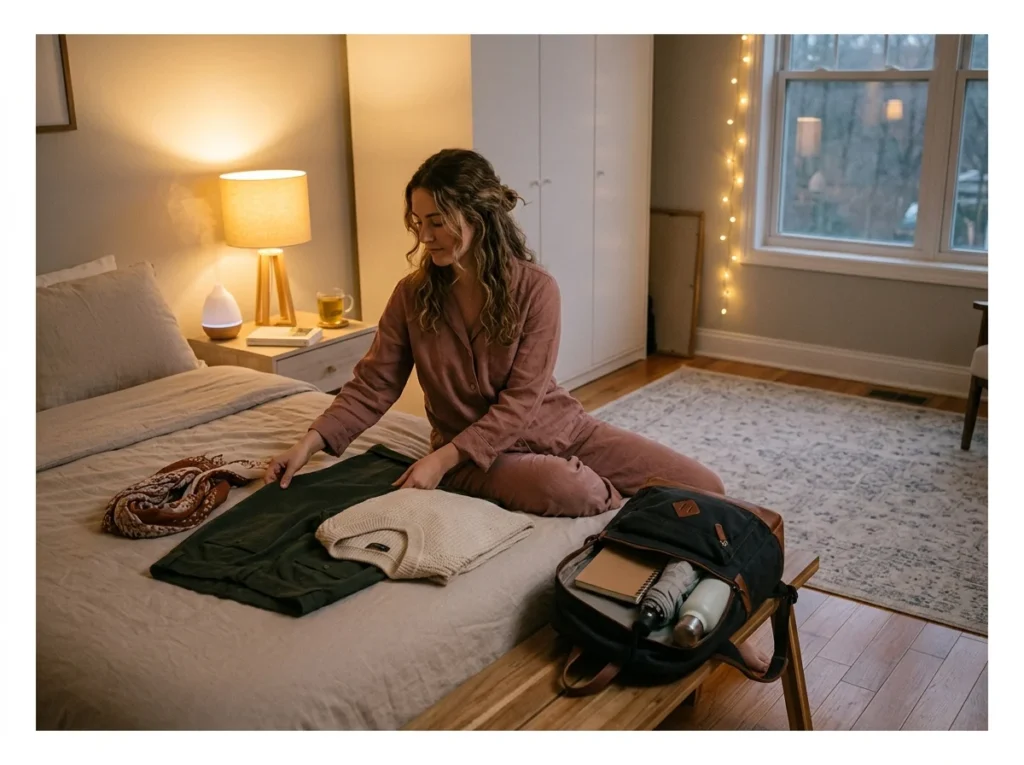
Spending ten minutes preparing for the next day before you go to sleep is one of the most practical and impactful self care habits on this entire list. Lay out your clothes, check your calendar, set your bag by the door, and decide what you will eat for breakfast.
This simple routine removes decision fatigue from your morning, which is when most people’s self care intentions fall apart due to rushed time pressure and choice overload. A prepared evening creates a genuinely calmer, more intentional morning.
Evening Wind Down Routine

An evening wind down routine is a sequence of calming activities you do in the same order each night to signal to your body and brain that it is time to transition from active to restful. It might include dimming lights, a warm shower, gentle stretching, and reading.
The consistency of the routine matters more than the specific activities you choose. Your nervous system begins to recognize the pattern and starts producing melatonin and reducing cortisol in anticipation, meaning you fall asleep faster and sleep more deeply.
Get Enough Sleep

Getting seven to nine hours of sleep is the single most impactful physical self care habit on this entire list, and also the most consistently neglected one. Every other self care practice works better when you are adequately rested, and begins to fail when you are not.
Prioritize sleep by setting a consistent bedtime that works backward from your wake time rather than hoping you fall asleep early enough. Treat your bedtime like an appointment rather than a guideline, especially during weeks when everything feels hard.
Review Your Checklist
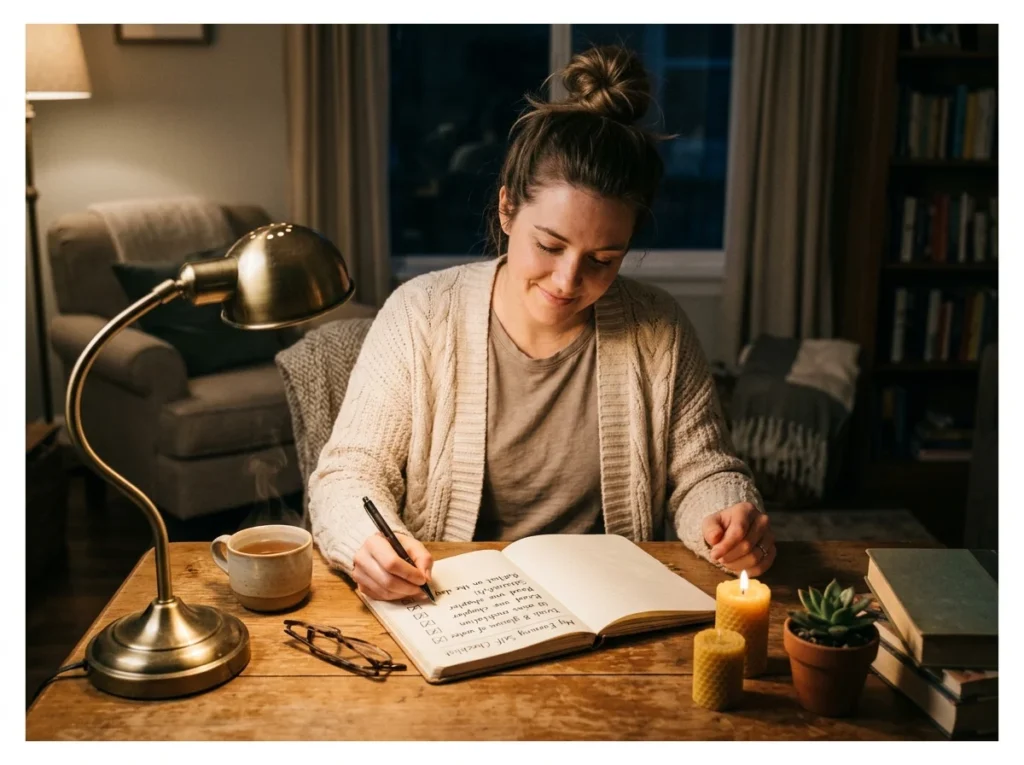
Taking two minutes at the end of each day to look at your checklist, celebrate what you completed, and notice what you skipped without judgment, is itself a meaningful self care habit. Reflection builds self awareness more effectively than any amount of planning.
This review is not about guilt for the items left undone. It is about curiosity. Why did those habits not happen today? What got in the way? And what small adjustment would make tomorrow slightly easier? Progress is built from honest, compassionate reflection.
Conclusion
The most powerful version of a daily self care checklist is the one you will actually return to tomorrow, and the day after that. There are twenty-five ideas in this guide covering every dimension of your wellbeing, from the physical to the emotional, and none of them require a significant time or money investment.
Start with five. Be consistent for two weeks. Then add one more. That is the entire strategy, and it genuinely works because small, consistent actions over time create real, lasting change far more reliably than dramatic overhauls that collapse by the end of the first week.

Hazel Susan
Hazel Susan is a fashion writer and author at Nova Fashion, specializing in outfit ideas, seasonal trends, beauty inspiration, and everyday style tips. She enjoys helping readers discover practical fashion advice, timeless wardrobe ideas, and the latest fashion trends through easy-to-follow guides. Her goal is to make fashion simple, stylish, and inspiring for everyone.