
Chocolate brown is the hair colour that winter was made for. When the light goes soft and the wardrobe turns to wool, cashmere and leather, a rich, glossy chocolate brown does what no other shade can: it looks expensive in any light, it flatters almost every skin tone, and it makes the hair look healthier than it is. These chocolate brown hair color ideas for women are built for the cold months — deep, dimensional shades with shine baked in, from milk chocolate to dark chocolate to espresso.
The secret of chocolate brown is that it is never one flat colour. The best chocolate hair has dimension: a slightly lighter ribbon here, a deeper shadow there, a gloss that catches the light when the hair moves. That dimension is what separates a salon chocolate from a box dye, and it is also what makes the colour so forgiving. Regrowth blends in, grey coverage is excellent, and the shade works with the warm undertones that flatter winter skin. If you have spent years cycling between blonde and black, chocolate is the middle ground that actually feels like a destination.
In this guide you will find 21 rich winter shades, from the milk chocolate glow and the dark chocolate depth to an espresso edge, chocolate with caramel and chocolate with copper, plus the gloss routine that keeps the shine all winter. Every look comes with a practical tip, and the extra looks at the end — a chocolate cherry melt, a mocha balayage, a cocoa gloss bob, a chocolate cinnamon swirl, a truffle brown wave, a hazelnut ribbon blend and a dark chocolate curtain bang — mean you will have an idea for every skin tone and every budget. The key points are simple: gloss treatments beat more colour, and warm undertones flatter winter skin.

The Chocolate Shades: Milk, Dark and Espresso
Chocolate brown is a family of colours, not a single shade, and choosing the right member of the family is the whole game. Milk chocolate is the lightest and softest, with a warm, creamy glow that suits fair skin and fine hair. Dark chocolate is the middle of the range — deep, rich and glossy, and the most universally flattering of the three. Espresso is the darkest, almost black in low light, with a cool, intense depth that suits strong features and dramatic winter dressing. All three share the same virtues: shine, dimension and easy maintenance. The difference is how much light the colour reflects, and how much contrast it creates with your skin. Your colourist will help you choose, but it helps to arrive knowing which end of the range you are drawn to — and to bring photos of all three, so you can compare them side by side.
1. The Milk Chocolate Glow
The milk chocolate glow is the softest chocolate in this guide, and it is the one to choose if you want warmth without weight. The colour sits a shade or two lighter than a classic brunette, with a creamy, caramel-tinged finish that catches the light and makes the hair look thicker than it is. Ask your colourist for a warm milk chocolate base with a few lighter ribbons painted through the mid-lengths, so the colour has movement rather than sitting flat. It suits fair and medium skin tones best, because the warmth in the hair balances the coolness of winter skin, and it is particularly flattering on fine hair, where the lighter tone creates the illusion of fullness. Maintain it with a colour-safe shampoo and a weekly mask, and ask for a gloss at every other appointment to keep the creamy finish from fading to a flat brown. Style it with loose waves, because the movement shows off the ribbons and the glow.

2. The Dark Chocolate Depth
The dark chocolate depth is the classic of this guide, and it is the shade most women mean when they say “chocolate brown”. It is a deep, rich brown with a cool undertone and a mirror shine, and it looks expensive in every setting — under office lights, in winter sun, and in evening light. Ask your colourist for a level-four or level-five brown with a neutral to cool base, and for the colour to be applied as a single process with a gloss on top, so the finish is even and reflective. The depth suits medium and deep skin tones beautifully, and it is the best chocolate for covering grey, because the dark base blends regrowth and the shine distracts from any stray silver. Keep it rich with a colour-depositing conditioner once a week, and avoid clarifying shampoos, which strip the gloss and leave the colour looking flat. A dark chocolate bob with a blunt cut is one of the sharpest winter looks there is.

3. The Espresso Edge
The espresso edge is the darkest chocolate in this guide, and it is the one to choose if you want drama. Espresso is a near-black brown with a cool, intense depth — it reads as black in low light and reveals its brown warmth in sunlight, which gives it a chameleon quality that plain black hair does not have. Ask your colourist for a level-two or level-three brown with an ash base, so the colour stays cool and does not turn warm or brassy as it fades. It suits strong features, deep skin tones and dramatic winter dressing — black coats, red lips, silver jewellery — and it is the lowest-maintenance chocolate of all, because the dark colour hides regrowth and fades so slowly that you can go ten weeks between appointments. The trade-off is that it is hard to lighten later, so be sure before you commit. If you are unsure, ask for dark chocolate first and go espresso at the next visit.

Chocolate + Caramel vs Chocolate + Copper
Chocolate brown rarely stands alone in the salon — it is usually paired with a second tone, and the two most popular partners are caramel and copper. They sound similar, but they do very different things. Caramel is soft and golden: it lightens the chocolate gently, adds warmth without brass, and creates a sun-kissed effect that looks natural in winter light. Copper is bold and fiery: it adds a red-orange spark that makes the chocolate look richer and more dramatic, and it suits women who want their hair to be noticed. Choosing between them is really choosing between soft and bold, and the right choice depends on your skin tone, your wardrobe and how much attention you want your hair to get.

4. Chocolate and Caramel: The Soft Warmth
Chocolate and caramel is the softest pairing in this guide, and it is the one to choose if you want dimension without drama. The colourist paints caramel ribbons through a chocolate base — usually around the face, through the ends and wherever the light naturally hits — so the hair looks sun-kissed even in the middle of winter. Ask for the caramel to be two shades lighter than the base at most, and for the ribbons to be fine and blended, so the effect is a soft glow rather than obvious highlights. It suits warm and neutral skin tones, and it is particularly flattering on long, wavy hair, where the caramel ribbons catch the light as the hair moves. Maintain it with a colour-safe shampoo and a gloss every six weeks, and the caramel will stay golden rather than turning brassy. This is the chocolate to choose when you want your hair to look expensive without looking coloured.

5. Chocolate and Copper: The Bold Warmth
Chocolate and copper is the bold pairing, and it is the one to choose if you want your hair to make a statement. Copper adds a red-orange fire to the chocolate base, and the combination is rich, warm and unmistakably winter — think of a fire in a dark room, or the glow of a copper kettle. Ask your colourist for copper ribbons or a copper gloss over a chocolate base, and be specific about how much red you want, because copper ranges from a subtle auburn shimmer to a full, fiery red. It suits warm skin tones and green or hazel eyes best, and it looks extraordinary with burgundy, forest green and camel in the winter wardrobe. Copper fades faster than caramel, so use a colour-depositing conditioner and wash in cool water to hold the tone. If you have never tried red tones before, ask for a copper gloss first — it washes out in a few weeks and lets you test the colour before committing.

Shine: The Winter Gloss Routine
Chocolate brown lives or dies on shine. A glossy chocolate looks rich, healthy and expensive; a dull one looks flat and tired, no matter how good the colour is. Winter is hard on shine — cold air, indoor heating and hat friction all rough up the cuticle and scatter the light — so the gloss routine matters more in winter than in any other season. The good news is that gloss treatments beat more colour: a gloss refreshes the tone, seals the cuticle and restores the shine without any lifting or damage, and it costs a fraction of a full colour service. This section covers the two parts of the routine — the weekly gloss mask at home and the salon gloss treatment — and how to fit them into a realistic schedule.
6. The Weekly Gloss Mask
The weekly gloss mask is the habit that keeps chocolate brown looking salon-fresh between appointments, and it takes ten minutes. A gloss mask is a deep conditioner with a sheer tint and a high-shine finish — it deposits a whisper of colour, smooths the cuticle and leaves the hair reflecting light. Use it once a week after shampooing, leave it on for five to ten minutes, and rinse with cool water to seal the cuticle. Choose a mask in a chocolate or clear shade, depending on whether your colour needs a tone refresh or just shine, and avoid masks with heavy silicones if your hair is fine, because they can weigh it down. The gloss mask is also the best first step when your chocolate starts to look dull: try it for two weeks before booking a colour appointment, because very often the shine is all that was missing. Keep the tube in the shower where you will actually use it.

7. The Salon Gloss Treatment
The salon gloss treatment is the professional version of the weekly mask, and it is the appointment that keeps a chocolate brown rich for months. A salon gloss is a demi-permanent colour that coats the hair shaft, refreshes the tone and seals the cuticle, and it takes about thirty minutes including a blow-dry. Book it every six weeks, between your full colour appointments, and ask your colourist to match the gloss to your chocolate shade — a neutral gloss for dark chocolate, a warm gloss for milk chocolate, a cool gloss for espresso. The gloss will also even out any fading, so the colour looks as rich at week six as it did on day one. It is the single best value in hair colour: cheaper than a full service, gentler than any permanent colour, and the difference it makes to shine is visible immediately. Put the next gloss in your diary before you leave the salon.

Chocolate for Different Skin Tones
Chocolate brown is one of the most forgiving hair colours, but it is not one-size-fits-all, and the shade that flatters a warm skin tone can wash out a cool one. The rule is simple: match the undertone of the chocolate to the undertone of the skin. Warm skin — golden, olive or peachy undertones, gold jewellery that suits you, veins that look green at the wrist — loves a warm chocolate, with caramel or copper ribbons to bring out the glow. Cool skin — pink or blue undertones, silver jewellery, blue veins — needs a neutral or cool chocolate, with no warm ribbons to fight the skin. Neutral skin can wear either, which is why it is the easiest to colour. The test is the same as ever: hold the shade against your face in daylight, with your usual makeup, and trust what you see.
8. Warm Skin Tones: Go Richer
Warm skin tones and rich chocolate are a natural match, and this is the look to ask for if your skin runs golden or olive. Go richer, not darker: a milk or dark chocolate with warm caramel ribbons will bring out the glow in your skin, while a very dark espresso can look flat against warm skin. Ask your colourist for a warm-based chocolate and for the ribbons to be placed around the face, where they will reflect light onto the skin. Makeup matters here: a warm bronzer, a peach blush and a berry or terracotta lip will look better with warm chocolate than a cool pink, and gold jewellery will tie the whole look together. If you wear a lot of camel, cream or warm beige in winter, warm chocolate is the shade that will work with your wardrobe rather than against it. This is the chocolate that looks its best on the most people, and it is the one to choose when you want a safe, flattering change.

9. Cool Skin Tones: Keep It Neutral
Cool skin tones need a cooler chocolate, and the key word is neutral. A chocolate with too much warmth will make cool skin look pink or tired, while a neutral or ash-based chocolate will make it look clear and bright. Ask your colourist for a dark chocolate with a neutral base and no caramel ribbons, or for a cool gloss on top of the colour to keep the warmth in check. The result is a sophisticated, almost noir chocolate that looks extraordinary with silver jewellery, a cool pink blush and a berry lip. If you love the idea of ribbons, ask for a cool-toned caramel — a beige or taupe ribbon rather than a golden one — so the dimension stays in the same cool family as your skin. Try the shade on with a black or navy coat before you commit, because those are the colours that will show you whether the neutral chocolate is flattering you or washing you out.

Keeping It Rich Between Appointments
Chocolate brown is one of the lowest-maintenance colours you can choose, but “low maintenance” is not “no maintenance”, and the habits between appointments decide whether the colour stays rich or fades to a dull, flat brown. The enemies are heat, hard water and harsh shampoo: hot water opens the cuticle and lets colour escape, clarifying shampoo strips the gloss, and daily heat styling fades the tone from the ends first. The routine in this section is simple — a colour-safe wash, a root-blend trick for regrowth, and an eight-week refresh — and it will keep a chocolate brown looking rich for two months or more. Gloss treatments beat more colour, and that is the principle behind all of it: refresh the shine and the tone, and you will rarely need to recolour.
10. The Colour-Safe Wash Routine
The colour-safe wash routine is the foundation of keeping chocolate rich, and it starts with the shampoo. Use a sulphate-free, colour-safe shampoo, wash in lukewarm rather than hot water, and wash less often — two or three times a week is enough for most hair, with dry shampoo on the days between. Rinse with cool water at the end, because it closes the cuticle and locks in both colour and shine. Avoid clarifying shampoos unless your hair is genuinely overloaded with product, and when you do use one, follow it immediately with a gloss mask. If your water is hard, a shower filter will make a visible difference to how long the colour lasts, because mineral deposits dull brown hair faster than any other shade. The routine is not glamorous, but it is the difference between a chocolate that stays rich for eight weeks and one that fades in three.

11. The Root-Blend Trick
The root-blend trick is the simplest way to stretch the time between colour appointments, and it needs no salon visit. Chocolate brown hides regrowth better than any light colour, because the contrast between the root and the coloured hair is small — but after six weeks, even chocolate shows a line. A root-blending spray or powder, matched to your chocolate shade, will disguise the line in seconds: spray or brush it onto the parting and the hairline, blend with your fingers, and set it with a light mist of hairspray. It washes out with shampoo and causes no damage, so you can use it as often as you like. The other half of the trick is to change your parting every few days, because a fixed parting makes regrowth more visible. Between the spray and the parting change, most women can add two or three weeks to the life of a chocolate colour without anyone noticing.

12. The Eight-Week Refresh
The eight-week refresh is the appointment rhythm that keeps chocolate brown rich without over-colouring the hair. Book a full colour refresh every eight weeks, with a gloss treatment at the four-week mark in between. The gloss keeps the shine and the tone topped up, so the full colour appointment is a refresh rather than a rescue, and the hair never gets over-processed. At the refresh, ask your colourist to colour the roots and gloss the lengths rather than recolouring the whole head, because recolouring the lengths every time is what builds up damage and makes the ends go dark and flat. Bring a photo of the colour on the day it was done, so the colourist can match it exactly, and tell them honestly how the colour has faded — whether it went warm, dull or brassy — because that tells them which gloss to use. Eight weeks, one gloss, one refresh: that is the whole maintenance plan.

Chocolate Brown Hair Color Ideas for Women: Your Questions Answered
Chocolate brown raises a few questions, and most of them have the same answer: choose the shade for your skin tone, and let gloss do the maintenance. The questions below cover the ones women ask most often before booking, from skin tone to grey coverage to how long the colour will actually last.
Will chocolate brown suit my skin tone?
Will chocolate brown suit my skin tone? Almost certainly yes — chocolate brown is one of the most universally flattering colours there is. Warm skin tones should choose a warm chocolate with caramel ribbons, cool skin tones a neutral or ash-based chocolate, and neutral skin tones can wear either. If you are unsure, dark chocolate with a neutral base is the safest starting point.
Does chocolate brown cover grey hair? Yes, and it does it better than almost any other colour. Dark chocolate gives excellent grey coverage, and because the shade is close to most natural hair colours, the regrowth blends in as it grows. A gloss treatment between appointments will keep the coverage looking fresh.
How long does chocolate brown last? A chocolate colour lasts eight to ten weeks before it needs a full refresh, with a gloss treatment at four weeks to keep it rich. It fades more gracefully than blonde or red, because the tone changes slowly and the regrowth line is soft.
Will chocolate brown make my hair look thinner? No — quite the opposite. Darker colours absorb light and create depth, which makes hair look thicker and fuller, especially when the colour has dimension from ribbons or a gloss. Fine hair often looks its best in a rich chocolate.
Save These Chocolate Brown Hair Color Ideas for Women
Save this guide for your colourist, so you have it ready when you book your appointment and can show them the exact shade you want. Screenshot the looks you love, note the gloss schedule, and take the list of questions with you — a good consultation is the difference between a chocolate brown you love and one you spend months correcting.
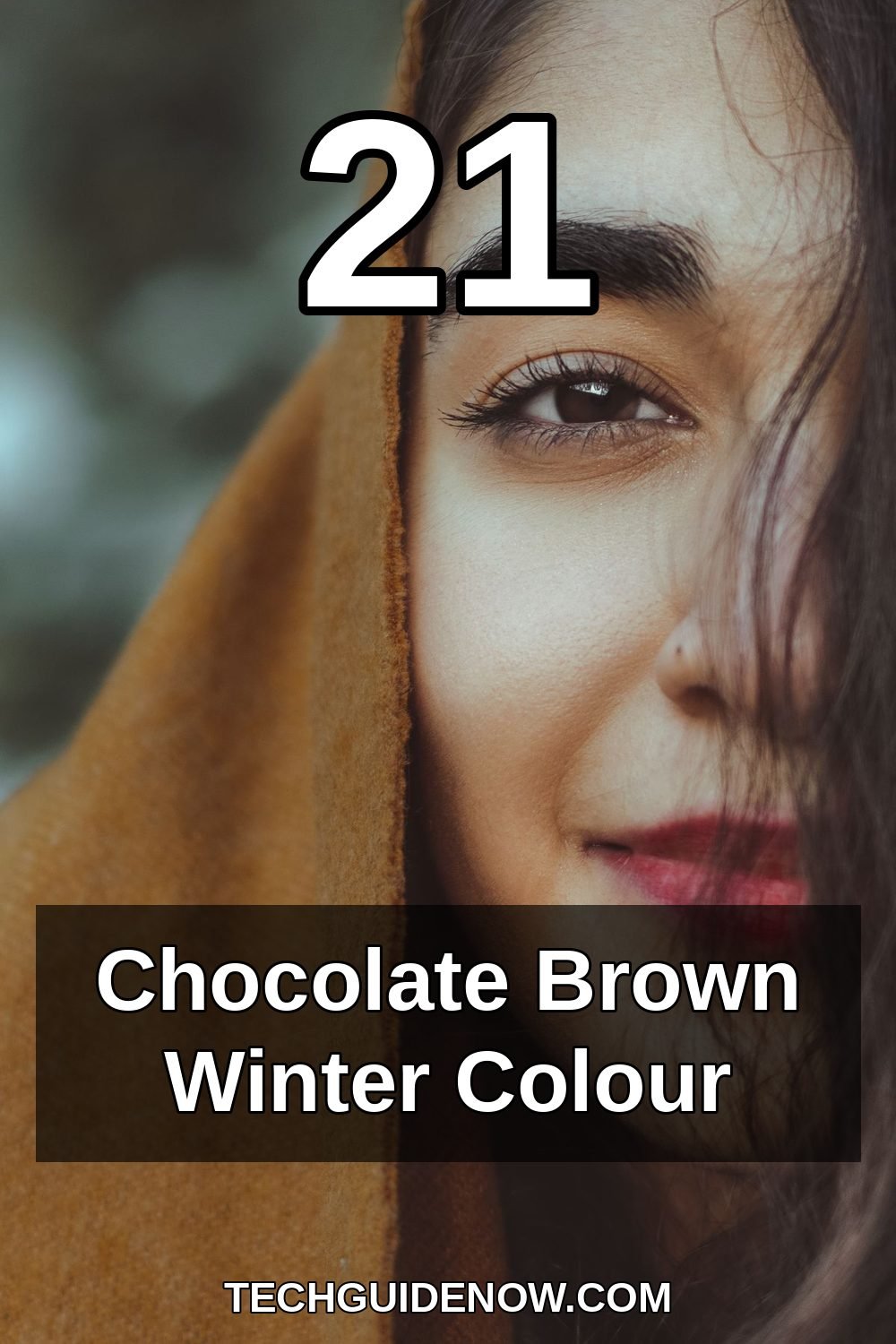

Want to create your own pin caption? Try the site’s free Pinterest Caption & Pin Generator to write a caption for this look in seconds.
If you are thinking about a wider brunette refresh, our guide to cashmere brunette hair color ideas for women for winter shows 21 soft, luxurious shades that pair beautifully with chocolate brown.
Chocolate brown is the colour that makes winter feel rich rather than grey — deep, glossy and flattering in any light. Save this guide for your colourist, and follow Nova Fashion on Pinterest for more winter hair colour ideas.
Pingback: Winter Hair Color Ideas for Women with an Espresso Brown Balayage: 21 Looks Nova Fashion
Pingback: Winter Hair Color Ideas for Women with a Salted Caramel Balayage: 21 Looks Nova Fashion