
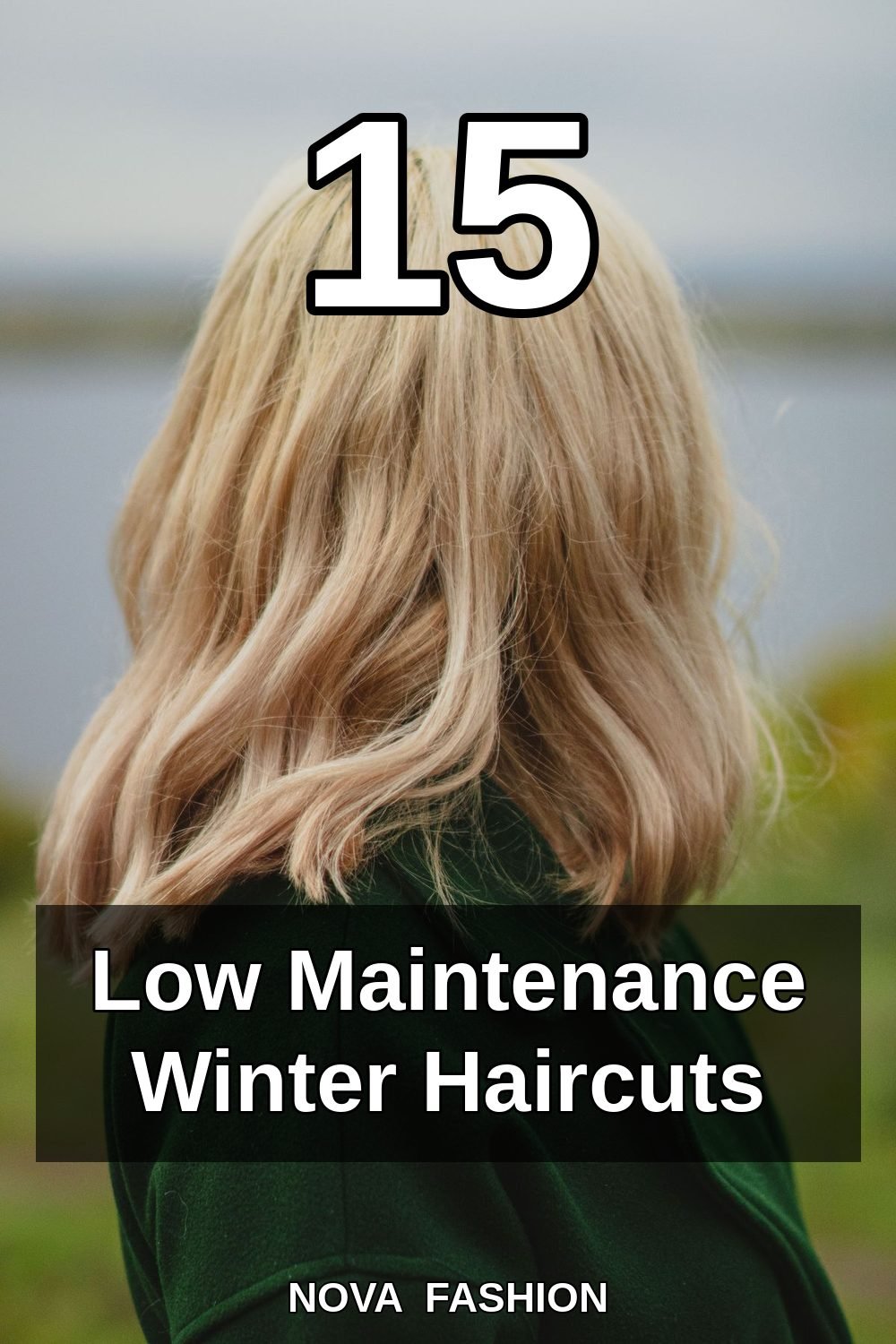
The best winter haircut is the one that still looks good on day three. A low maintenance winter haircut is not about giving up on style — it is about choosing a cut that works with your natural texture, grows out gracefully, and looks polished with almost no effort. Winter is the worst season for high-maintenance hair: hats flatten it, static frizzes it, dry air dries it out, and nobody wants to spend forty minutes with a round brush when it is freezing outside.
Below are 15 low maintenance winter haircut ideas for women that actually work in real life. No daily heat styling, no salon visits every three weeks, and no complicated routines. Just cuts that behave, grow out beautifully, and look good with a quick wash-and-go. Pick the length that suits you, take the idea to your stylist, and enjoy a winter of easy hair. Most of these cuts look even better a little grown out — which is exactly the point.
In this guide we will look at why some cuts are easier than others in winter, then the 15 cuts themselves, grouped by length: long layers and lived-in length, bobs and mid-length cuts, and short cuts and finishing touches. There is a short FAQ at the end for the questions everyone asks before a low-maintenance cut. Everything here is easy, reassuring, and written for real life.

Why the Best Winter Haircut Is the One That Still Looks Good on Day Three
Winter is the season that exposes a high-maintenance cut. A precision bob that needs daily straightening will look tired by Tuesday. A blunt fringe that needs trimming every two weeks will drive you mad by February. And a cut that only works when it is freshly blow-dried is a cut that is fighting the season — hats, scarves, static, and dry air all undo the styling within hours. The cuts in this guide are chosen for the opposite quality: they look good when you do almost nothing to them.
What makes a cut low maintenance? Three things. First, it works with your natural texture instead of against it — curly hair gets a cut that lets curls do their thing, straight hair gets a cut that falls into place. Second, it grows out gracefully, so the shape still looks intentional six weeks after your appointment. And third, it needs minimal styling: air-dry, a little product, and you are done. If a cut needs all three, it is a keeper. If it needs daily heat and weekly trims, it is a winter headache waiting to happen.
It also helps to think about your life, not just your hair. If you wash your hair twice a week, choose a cut that looks good on day three. If you wear hats daily, choose a cut that survives being flattened and springs back. If you never use a round brush, do not choose a cut that needs one. The best low maintenance cut is the one that fits the way you actually live — and the fifteen below are all designed to do exactly that.
A quick word on products: low maintenance does not mean no products — it means the right products, used lightly. A leave-in conditioner, a texture spray, and a dry shampoo will cover almost every cut on this list. Apply leave-in to damp hair, scrunch texture spray into dry hair for grip, and use dry shampoo at the roots on day two or three. That is the whole kit. If a cut needs more than three products to look good, it is not a low maintenance cut.

Cuts 1–5: Long Layers and Lived-In Length
The first five cuts are for long hair — the easiest length to keep low maintenance, because long hair has weight on its side. It falls into place, it survives hats, and it looks good in a ponytail on the days you cannot be bothered. The trick is the right layers: enough to give movement, not so many that the ends look thin.

1. Long Layers That Grow Out Gracefully
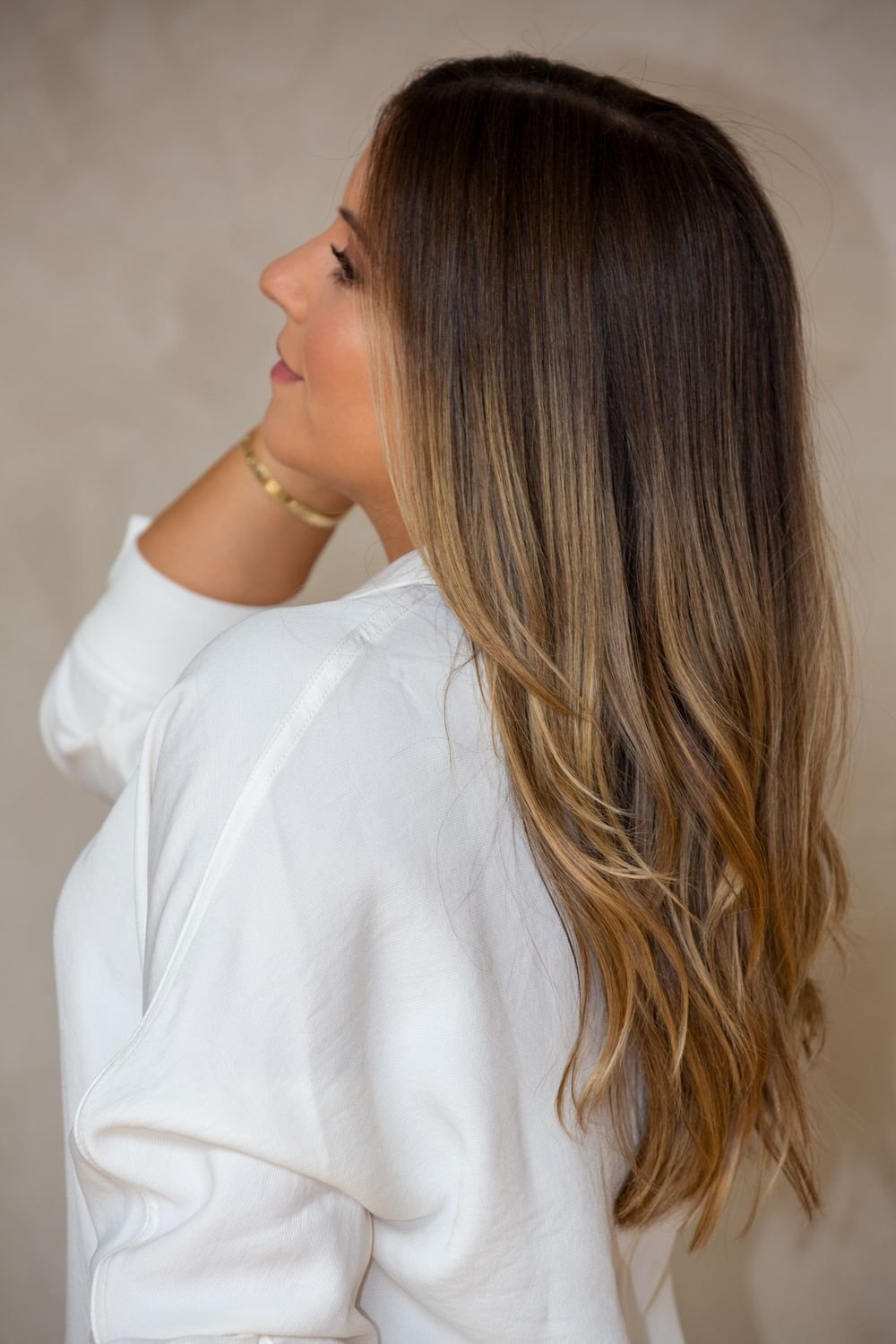
Long layers are the classic low maintenance cut for a reason: they add movement and shape without removing length, and they grow out so gracefully that you can go ten to twelve weeks between appointments. Ask your stylist for long, soft layers that start at the collarbone or below, so the shape holds even as it grows. The layers keep the hair from looking heavy and flat under a winter coat, and they make the ends look thicker, not thinner. Style it by air-drying with a little leave-in conditioner, or by braiding it damp overnight for soft waves. It works on straight, wavy, and curly hair, and it is the easiest cut on this list to live with — which is why it is first.
2. The Lived-In Lob
The lived-in lob — a long bob that sits just above or at the shoulders — is the sweet spot between short and long. It is long enough to tie back on lazy days and short enough to dry quickly, and its soft, textured ends mean it never looks blunt or severe as it grows out. Ask for subtle, invisible layers and a slightly longer front, which keeps the shape flattering as it grows. The lob works beautifully with natural texture: let it air-dry for a relaxed finish, or add a few bends with a flat iron on the days you want polish. It is also the best cut for growing out a shorter style, because it looks intentional at every stage.
3. Face-Framing Layers for Instant Polish
If you want a low maintenance cut that still looks polished, face-framing layers are the secret. Shorter pieces around the face — starting at the cheekbone or chin — give the whole cut shape and movement, even when the rest of the hair is one length. They soften the face, they make a ponytail look deliberate, and they grow out so gradually that you barely notice the change. Ask your stylist to cut them dry, so the length is right for your natural texture, and keep them long enough to tuck behind your ears. The result is a cut that looks styled even when you have done nothing to it — which is the whole point of low maintenance.
4. The One-Length Cut With Blunt Ends
It sounds counterintuitive, but a one-length cut can be one of the lowest maintenance options of all — if your hair is thick and straight. Blunt ends make the hair look thicker and healthier, and the cut holds its shape for months because there are no layers to grow out unevenly. The key is the ends: ask your stylist to keep them blunt but soft, with just a touch of texturizing at the very tips so the cut does not look severe. Wear it straight, wavy, or in a low ponytail, and it looks polished every time. If your hair is fine or curly, this cut needs more styling to look good, so it is best for thick, straight hair that falls into place on its own.
5. Long Hair With a Soft U-Shape
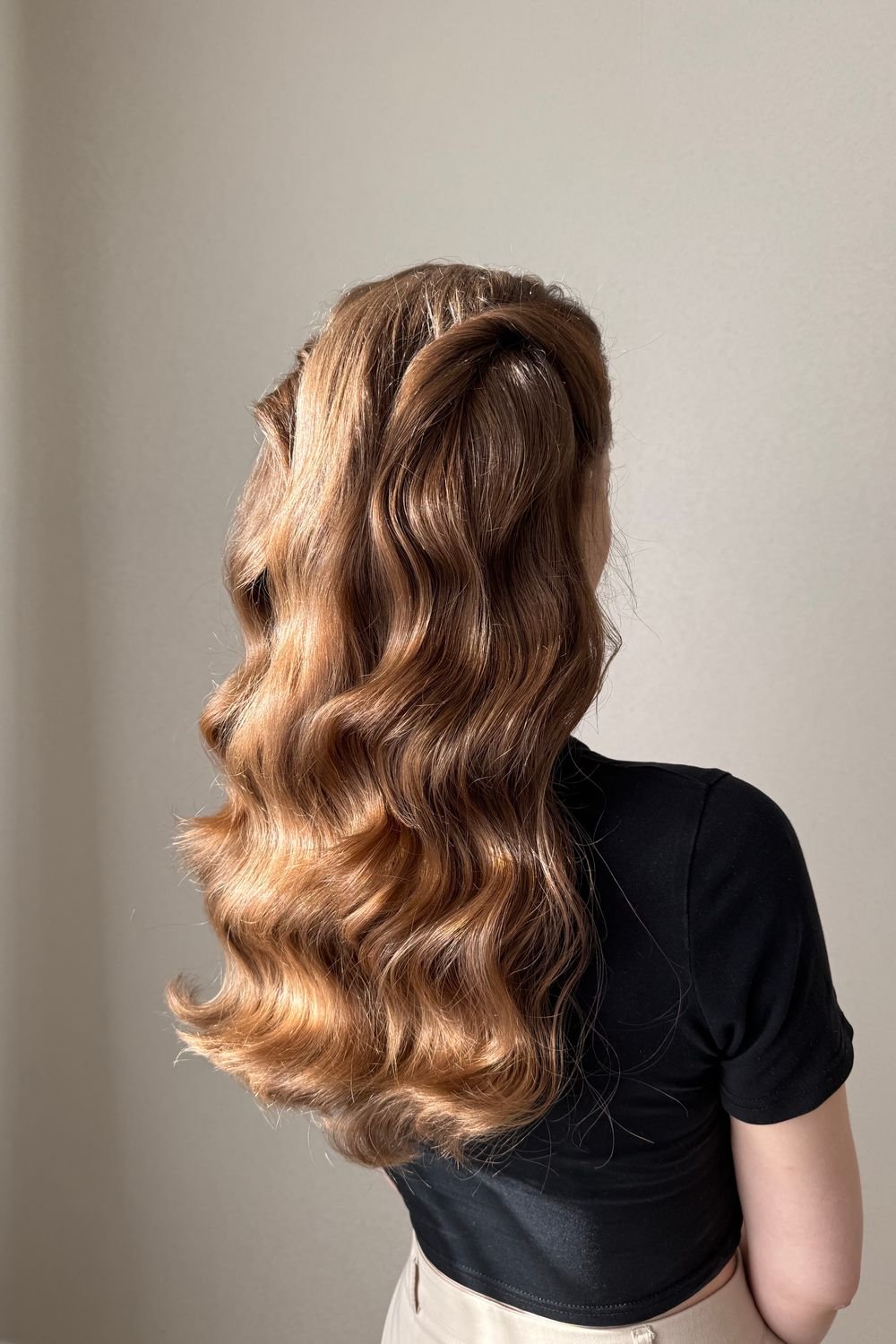
A soft U-shape — where the back is gently rounded and the front is slightly longer — is the most forgiving long cut there is. It removes bulk without removing length, it gives the hair a beautiful shape from behind, and it grows out so evenly that you can go months between trims. Ask your stylist to cut the U-shape with the hair dry, so the shape is right for your texture, and keep the layers long and soft. The U-shape works on straight, wavy, and curly hair, and it is particularly good for thick hair that feels heavy and shapeless in winter. Wear it down, in a braid, or in a low bun, and it always looks considered.
Cuts 6–10: Bobs and Mid-Length Cuts That Behave
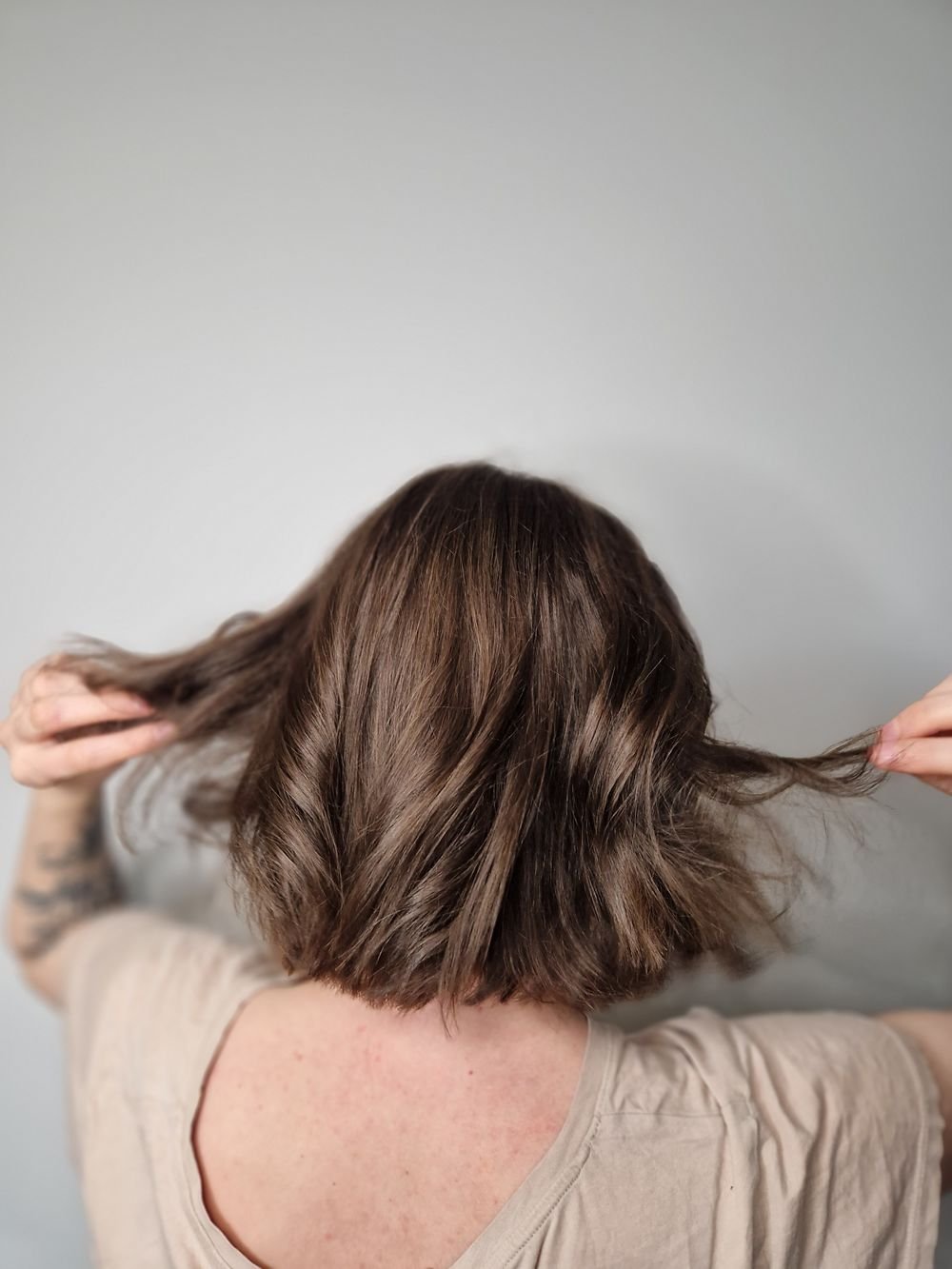
The next five cuts are bobs and mid-length styles — the most popular winter lengths, because they are warm, practical, and easy to manage under a coat and a hat. The trick is choosing a bob with texture and movement, so it never looks flat or severe as it grows out.
6. The Textured Bob
A textured bob is a bob with soft, piecey ends and subtle internal layers, and it is the lowest maintenance bob there is. The texture means the cut does not need to be perfectly styled to look good — it looks best a little messy, a little lived-in, and a little undone. Ask your stylist for a bob that sits at the jaw or just below, with textured ends and a slightly longer front. Style it by scrunching in a little mousse or texture spray and letting it air-dry, or by adding a few bends with a flat iron. It grows out beautifully into a lob, so you can go eight to ten weeks between appointments without the shape falling apart.
7. The French Bob for Effortless Chic
The French bob — short, chin-length, with a soft fringe and a slightly curved shape — looks like it takes hours and actually takes minutes. Its secret is the cut itself: the shape is built in, so the hair falls into place with almost no styling. Ask for a bob that sits at the chin with a soft, textured fringe and slightly curved ends. Let it air-dry with a little leave-in conditioner, or tuck it behind your ears for a different look. The French bob works best on straight or slightly wavy hair, and it is wonderfully warm in winter — short enough to stay out of your coat collar, long enough to tuck behind your ears. It is chic, it is easy, and it grows out into a lovely textured bob.
8. The Shaggy Bob for Natural Texture
A shaggy bob is a bob with lots of layers and texture, and it is the best choice for wavy or curly hair that you want to wear naturally. The layers let the texture do its thing, so the cut looks good air-dried with a little curl cream and almost no effort. Ask your stylist for a bob with soft, feathered layers throughout and a length that sits at the jaw or chin. The shag grows out gracefully, because the layers just get longer and softer, and it is the cut that looks most like you did nothing — which, on a good day, you did not. If your hair is straight, a shaggy bob needs a little texture spray to bring it to life, but the effort is minimal.
9. The Curly Shag for Wash-and-Go Curls
If you have curly hair, the curly shag is the ultimate low maintenance cut. It is a shag designed for curls: layers that let the curls spring up naturally, a shape that looks good air-dried, and a length that works with your curl pattern instead of fighting it. Ask your stylist to cut it dry, curl by curl, so the shape is right for your specific curls. Style it by scrunching in a little curl cream and letting it air-dry — that is the whole routine. The curly shag grows out beautifully, because the layers just get softer, and it is the cut that makes wash-and-go genuinely possible. For more curly inspiration, our guide to curly shag haircut ideas for women shows how the style works on different curl types and lengths.
10. The Blunt Bob With a Soft Undercut
A blunt bob with a soft undercut sounds edgy, but it is actually a very practical low maintenance cut. The undercut — a small section of shorter hair underneath, at the nape — removes bulk and weight, so the bob sits neatly and dries faster, and it is invisible when the hair is down. Ask for a bob at the jaw or chin with blunt ends and a subtle undercut at the nape. The cut holds its shape for weeks, it dries quickly, and it looks polished with almost no styling. It is particularly good for thick hair that feels heavy and unmanageable in winter, because the undercut takes out the weight without changing the look.
Cuts 11–15: Short Cuts and Finishing Touches
The last five cuts are short styles and the finishing touches that make any cut lower maintenance — a pixie, a bixie, curtain bangs, a wolf cut, and the airy lob. Short hair is the easiest hair to wash, dry, and style in winter, and these cuts prove that short does not mean high maintenance.
11. The Pixie That Grows Out Beautifully
A pixie is the lowest maintenance cut of all — if it is cut well. The trick is to ask for a pixie with soft, textured layers and a little length on top, so it grows out gracefully instead of going through an awkward stage. A textured pixie can be styled with a little pomade in thirty seconds, or worn completely natural, and it dries in minutes. It is warm in winter, it never gets caught in a scarf, and it looks polished with almost no effort. The only maintenance is a trim every six to eight weeks to keep the shape — but the daily routine is the easiest on this list. If you have been thinking about going short, winter is the perfect season to try it.
12. The Bixie for Low-Effort Edge
The bixie — a cross between a bob and a pixie — is the short cut for people who are not quite ready for a full pixie. It is longer than a pixie and shorter than a bob, with soft layers and a textured finish that looks good with almost no styling. Ask for a bixie with length on top and a soft, tapered nape. Style it with a little texture spray and your fingers, and you are done. The bixie grows out beautifully into a bob, so the awkward growing-out stage is barely noticeable, and it is warm, practical, and chic in winter. It is the cut for anyone who wants short hair without the commitment of a pixie.
13. Curtain Bangs That Blend as They Grow
Curtain bangs are the lowest maintenance fringe there is, because they are designed to grow out gracefully. Unlike a blunt fringe, which needs trimming every two weeks, curtain bangs are longer at the sides and blend into the rest of the hair as they grow, so you can go months without a trim. Ask for curtain bangs that start at the cheekbone and blend into face-framing layers. Style them by blow-drying with a round brush for two minutes, or by letting them air-dry for a relaxed finish. They work on every length, from a pixie to long layers, and they make any cut look more polished with almost no extra effort.
14. The Wolf Cut for Texture Without Trying
The wolf cut — a shaggy, layered cut with lots of texture and volume on top — looks like it takes effort and actually takes none. Its secret is the layers: they are cut to enhance your natural texture, so the hair looks good air-dried with a little texture spray and nothing else. Ask your stylist for a wolf cut with soft, feathered layers and a length that suits your face. It works best on wavy or curly hair, but it can work on straight hair too, with a little texturizing spray. The wolf cut grows out gracefully, because the layers just get longer and softer, and it is the cut that looks most like you did nothing — which, on a good day, you did not.
15. The Airy Lob With Invisible Layers
The airy lob is a long bob with invisible layers — layers cut inside the hair, so the shape is light and airy without visible steps. It is the most polished low maintenance cut on this list: it looks sleek and expensive, but it needs almost no styling, because the layers do the work. Ask for a lob at the collarbone with invisible layers throughout and a slightly longer front. Style it by air-drying with a little leave-in conditioner, or by blow-drying with a round brush for a smooth finish. It grows out beautifully into long layers, so you can go ten to twelve weeks between appointments. If you want one cut that does everything, this is it.
Frequently Asked Questions About Low Maintenance Winter Haircuts
What is the lowest maintenance haircut for winter? A long layered cut or a textured bob, depending on your length preference. Long layers grow out gracefully and need almost no styling, while a textured bob dries quickly and looks good a little messy. Both survive hats, static, and dry air far better than a precision cut that needs daily heat styling. The key is choosing a cut that works with your natural texture, so you are not fighting your hair every morning.
How often should I get a low maintenance cut trimmed? Most of the cuts in this guide can go eight to twelve weeks between trims, because they are designed to grow out gracefully. The exceptions are pixies and bixies, which need a trim every six to eight weeks to keep their shape, and curtain bangs, which can go months without a trim because they blend into the hair as they grow. Book your next appointment when the shape starts to feel heavy or shapeless, not on a fixed schedule.
Can I have a low maintenance haircut with curly hair? Yes — curly hair is actually ideal for low maintenance cuts, because the texture does the styling for you. A curly shag, a shaggy bob, or long layers all work beautifully on curls, and they look good air-dried with a little curl cream. The key is to have the cut done dry, curl by curl, so the shape is right for your specific curl pattern. Avoid cuts that need daily straightening or blow-drying, because they fight your texture instead of working with it.
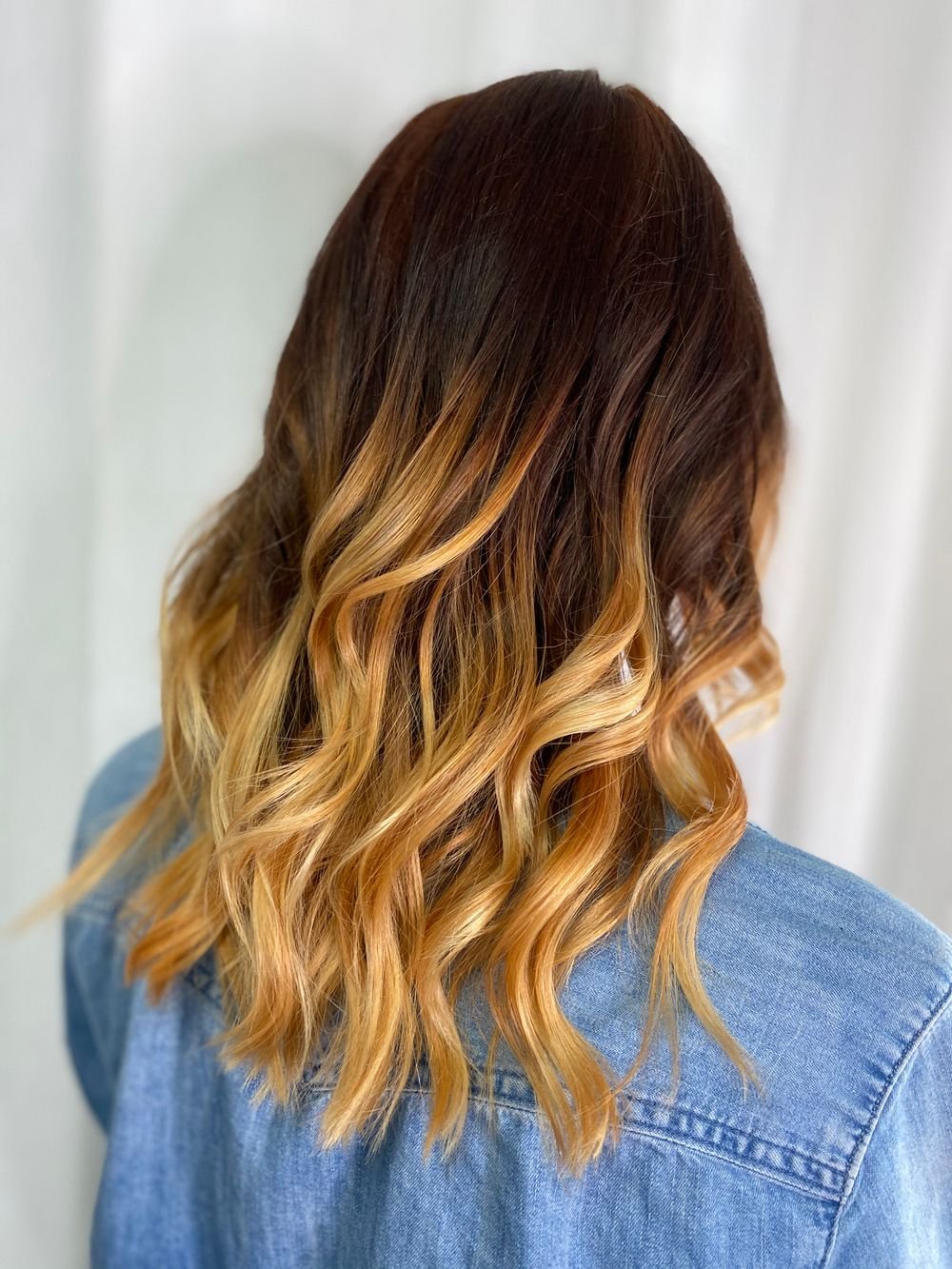
Do low maintenance haircuts work with colour? Absolutely — and low maintenance colour is the perfect partner for a low maintenance cut. Lived-in colour, balayage, and root shadows all grow out gracefully, so you can go months between colour appointments. If you want colour inspiration that matches this philosophy, our guide to reverse balayage hair color ideas for brunettes winter shows nineteen low maintenance brunette looks that pair beautifully with the cuts in this guide.
How do I keep a low maintenance cut looking good under a hat? Choose a cut with texture and movement, so it springs back when the hat comes off. A little dry shampoo at the roots before you put the hat on helps, and a silk-lined hat reduces friction and static. When you take the hat off, flip your head upside down, shake the roots gently, and smooth the surface with a drop of oil on your hands. Avoid tight beanies that flatten the hair for hours — a looser hat, or a silk scarf under your hat, makes a real difference.
What should I ask my stylist for a low maintenance cut? Tell your stylist how often you wash your hair, whether you use heat tools, and how long you want to go between appointments — then ask for a cut that works with your natural texture and grows out gracefully. Bring photos of cuts you like, and be honest about your styling habits: a good stylist will adjust the cut to your real life, not an imaginary one. Ask them to show you how to style it in under five minutes, so you leave the salon knowing exactly what to do at home.
The best winter haircut is the one you do not have to think about. With long layers, a textured bob, or a soft pixie — and a cut that grows out gracefully — a low maintenance winter haircut can make your mornings easier and your hair look better all season. Choose the length that suits your life, take the idea to your stylist, and enjoy a winter of easy hair.
Save this guide for your next salon appointment, share it with a friend who is ready for an easier cut, and follow Nova Fashion on Pinterest for more winter hair care ideas, haircut inspiration, and seasonal styling guides all season long.



Want to write your own pin caption? Try Nova Fashion’s free Pinterest Caption & Pin Generator and create a caption for your saved pin in seconds.