
Winter shedding is real — but so is winter growth, with the right routine. A winter hair growth routine for women is not about miracle serums or overnight transformations. It is about giving your hair the conditions it needs to grow: a healthy scalp, strong strands that do not break, enough moisture to stay flexible, and the nutrients and rest your body needs to build new hair. Hair grows about a centimetre a month under good conditions, and in winter, those conditions are under attack from cold air, dry heat, hats, and static.
Below are 15 winter hair growth routines for women that actually work in real life. No expensive treatments, no miracle promises, and no products you cannot find at a drugstore. Just scalp care, breakage control, smart habits, and realistic expectations about what growth looks like and when you will see it. Pick three routines, try them for two weeks, and add more as they become habit — most people notice less shedding and stronger hair within the first month.
In this guide we will look at why hair sheds more in winter, then the 15 routines themselves, grouped into scalp care for growth, strength, moisture and breakage control, and diet, habits and realistic timelines. There is a short FAQ at the end for the questions every woman growing her hair asks in January. Everything here is honest, encouraging, and easy to start tonight.

Why Hair Sheds More in Winter
It is normal to lose fifty to a hundred hairs a day, and in winter that number often climbs. Cold air and dry indoor heat dry out the scalp and the hair shaft, which makes strands more brittle and more likely to break. Hats and scarves create friction that snaps fragile ends. Less sunlight means less vitamin D, which plays a role in the hair growth cycle, and the stress of the season — illness, poor sleep, busy schedules — can push more hairs into the shedding phase at once. The result is a brush full of hair and a ponytail that feels thinner than it did in September.
Here is the reassuring part: most winter shedding is temporary, and it is not the same as hair loss. Shedding means hairs are completing their natural cycle; loss means the follicle has stopped producing. A good winter routine does not stop shedding entirely — nothing does — but it reduces breakage, keeps the scalp healthy, and supports the new growth that replaces what you lose. The goal is not zero hairs in the brush; it is stronger, longer hair that survives the winter intact. Think of it as protecting the length you have while you grow the length you want.
It also helps to know that hair growth is slow and steady, not dramatic. At about a centimetre a month, you will not see a transformation in a week — but you will see one in three months, and a big one in six. The routines below are built for that timeline: small, repeatable habits that compound over a whole winter. Be patient with your hair, and it will reward you.
Routines 1–5: Scalp Care for Growth
The first five routines look after the scalp, because hair grows from the scalp and a healthy scalp grows better hair. These habits improve blood flow, keep the follicles clean, and create the conditions new growth needs. Start here, even if you change nothing else.
1. Massage Your Scalp Every Day
A daily scalp massage is the simplest growth habit there is, and it costs nothing. Spend five minutes a day massaging your scalp with your fingertips in small circular motions, using light to medium pressure — no nails, no scratching. Massaging boosts blood flow to the follicles, which brings oxygen and nutrients to the roots, and it helps distribute the scalp’s natural oils along the hair shaft. Do it on dry hair before bed, or in the shower while your shampoo is in. Some people like to add a drop of rosemary oil diluted in a carrier oil, but plain fingertips work just as well. Make it a daily habit — while you watch television, or as part of your evening wind-down — and your scalp will feel healthier within a couple of weeks.
2. Try a Weekly Hair Oiling Ritual
Oiling is one of the oldest hair growth practices in the world, and it works because it protects the hair you already have. Once a week, warm a tablespoon of coconut, olive, or sweet almond oil, massage it into the scalp and through the lengths, and leave it for at least thirty minutes — or overnight under a shower cap if your hair is very dry. Then shampoo as usual, twice if needed to remove the oil. The oil softens the hair, reduces breakage during washing, and keeps the scalp moisturized. Jojoba is the lightest option and the closest to your scalp’s own sebum. If you want a fuller oiling ritual, our guide to a hair oiling routine for winter dry hair walks through a nine-step routine that pairs beautifully with the growth habits in this guide.
3. Exfoliate Your Scalp Once a Week
Just like the skin on your face, your scalp benefits from exfoliation. A gentle scalp scrub or an exfoliating shampoo used once a week removes dead skin, flakes, and product build-up from the hair follicles, which helps the scalp breathe and absorb treatments properly. Massage the scrub in with your fingertips in small circles for two or three minutes, then rinse and shampoo as usual. Do not scrub hard: the scalp is sensitive, and aggressive scrubbing causes irritation that can trigger shedding. If you prefer a DIY option, a teaspoon of fine sugar mixed into your shampoo works as a gentle exfoliant, but a purpose-made scalp scrub is easier and less messy. Exfoliate once a week, not more — over-exfoliating strips the scalp and makes dryness worse.
4. Use a Gentle, Sulfate-Free Shampoo
Harsh shampoos strip the scalp and dry out the hair, which leads to breakage — and breakage is the enemy of growth, because it cancels out the length you are gaining at the roots. Switch to a gentle, sulfate-free shampoo and focus the lather on the scalp, letting the suds run down the lengths as you rinse. The ends do not need direct shampooing. Wash two or three times a week if you can, and use dry shampoo at the roots on the days in between. Choose a shampoo with ingredients that support the scalp, such as biotin, caffeine, or rosemary, and avoid anything with a strong fragrance or a long list of alcohols, which dry the hair further.
5. Rinse With Cool Water to Protect New Growth
The final thirty seconds of your shower matter more than you think. A cool rinse smooths the cuticle layer, which locks in moisture, boosts shine, and protects the delicate new growth at the roots. It does not have to be ice cold — cool enough to feel refreshing is enough. Tip your head back and let the cool water run over the lengths rather than blasting your scalp, then squeeze, do not rub, the water out with your hands before wrapping your hair in a microfiber towel or an old cotton t-shirt. Rubbing wet hair with a rough towel is one of the fastest ways to break new growth, because wet hair stretches and snaps far more easily than dry hair.

Routines 6–10: Strength, Moisture and Breakage Control
The next five routines protect the length you already have. Hair growth is not just about the roots — it is about keeping the ends alive long enough to see the length. Most women lose more length to breakage than they gain from growth, so preventing breakage is the fastest way to longer hair.
6. Deep-Condition Weekly to Prevent Breakage
A weekly mask is the backbone of any hair growth routine. Pick a rich, reparative mask with ingredients like shea butter, ceramides, or hydrolyzed keratin, and use it in place of your regular conditioner once a week. Apply it from mid-length to ends — never glob it on your roots — comb it through with a wide-tooth comb, and leave it on for ten to twenty minutes. For a deeper treatment, wrap your hair in a warm towel or a shower cap while the mask works; the gentle heat helps it penetrate. Rinse with lukewarm water and finish with a cool splash. If your hair is fine, choose a mask labelled lightweight or fine hair so you get the strength without the flat, heavy feeling. Strong, moisturized hair breaks less, and hair that does not break gets longer.
7. Use a Leave-In Conditioner Every Wash Day
A leave-in conditioner is daily armor for growing hair. It detangles, adds a layer of moisture, and gives heat tools and scarves less to fight against. Spray or smooth it through damp hair after every wash, focusing on the lengths and ends. Look for a leave-in with heat protection built in, so one product does two jobs, and choose a lightweight spray or milk rather than a heavy cream if your hair is fine. On non-wash days, a light mist over the lengths is enough to calm frizz and refresh the style without a full wash. If you only adopt one routine from this list, make it this one — it is the habit that protects the length you are working so hard to grow.
8. Protect Your Hair From Heat and Friction
Heat and friction are the two biggest causes of breakage, and winter is full of both. Turn down your heat tools to 180°C (350°F) or below, always use a heat protectant, and try heatless styling on your no-wash days: braids, twists, and rollers set overnight give you waves and volume with zero damage. Friction is just as important: wool scarves, coat collars, and rough pillowcases all rub against your hair and snap the ends. Wear a silk scarf under your coat collar, choose a silk-lined hat, and sleep on a silk or satin pillowcase. Protecting your hair from friction is one of the most underrated growth habits — it costs almost nothing and saves centimetres of length over a winter.
9. Sleep on Silk and Wear a Loose Braid
Cotton pillowcases create friction all night, and growing hair is fragile enough that eight hours of rubbing can mean morning tangles and broken strands. A silk or satin pillowcase lets your hair slide instead of catching, which means less breakage and fewer knots to fight in the morning. Add a loose, low braid before bed: it keeps the lengths contained, protects the ends, and gives you soft waves in the morning without any heat. Secure the braid with a silk scrunchie or a spiral hair tie, never a tight elastic, and keep the braid loose at the roots so you do not wake up with tension headaches or dents. If a silk pillowcase is not in the budget, a satin sleep bonnet or a silk scarf wrapped around your braid does the same job for a fraction of the price.
10. Trim Split Ends Before They Travel
It sounds counterintuitive, but trimming helps hair grow longer. A split end does not stay split — it travels up the strand, weakening the hair until it breaks off higher up, which costs you far more length than the trim would have. Book a small trim every eight to ten weeks — just a centimetre or two is enough to keep the ends clean and healthy. Between trims, seal the ends with a drop of oil after every wash, and avoid heat styling the very ends where the hair is oldest and weakest. A fresh cut makes the rest of your routine work better, and it is the fastest way to make growing hair look healthy rather than straggly.

Routines 11–15: Diet, Habits and Realistic Timelines
The last five routines are about the rest of your life — what you eat, how you sleep, and how you think about growth. Hair is built from what your body gives it, and the habits that support your health support your hair too. These routines are honest about timelines: no miracles, just steady progress.
11. Eat for Growth: Protein, Iron and Biotin
Hair is made almost entirely of protein, so it makes sense that your diet matters. Make sure you are eating enough protein every day — eggs, fish, beans, lentils, yoghurt, and lean meat are all good sources — and pay attention to iron, zinc, and biotin, which all play a role in the hair growth cycle. Leafy greens, nuts, seeds, and whole grains cover most of what your hair needs. You do not need supplements unless a doctor says you are deficient; a balanced diet is more effective and safer than a shelf of pills. If you have been dieting hard, are vegetarian or vegan, or have heavy periods, talk to your doctor about checking your iron and vitamin D, because deficiencies in either can cause shedding that no shampoo will fix.
12. Stay Hydrated and Get Enough Sleep
Hair grows while you sleep — literally. The hair follicles are most active during deep sleep, when the body repairs and rebuilds, so short or poor-quality sleep can slow growth and increase shedding. Aim for seven to nine hours a night, and keep a regular sleep schedule if you can. Hydration matters too: hair that is dehydrated from the inside is more brittle and more likely to break. Drink water through the day, and eat water-rich foods like fruit and vegetables. These are not hair products, but they are hair habits — and they cost nothing at all.
13. Manage Stress — It Shows in Your Hair
Stress is one of the most common causes of increased shedding, and winter is a stressful season: short days, busy schedules, illness, and the pressure of the holidays all add up. When the body is stressed, it pushes more hairs into the shedding phase at once, which is why you sometimes notice extra hair in the brush a few months after a difficult period. You cannot eliminate stress, but you can manage it: regular movement, time outside, enough sleep, and a few minutes of calm each day all help. Be kind to yourself about it, too — worrying about shedding creates more stress, which creates more shedding. Break the cycle by focusing on the routines you can control and letting the rest go.
14. Try Rosemary Oil or a Growth Serum
If you want to add a growth product, rosemary oil is the best-studied natural option: research has found it comparable to minoxidil for supporting growth, with fewer side effects. Dilute a few drops in a carrier oil such as jojoba or coconut, massage it into the scalp, leave it for at least thirty minutes, then wash as usual. Use it two or three times a week, and give it at least three months before you judge it — hair growth is slow, and no product works in a week. If you prefer a ready-made serum, look for one with caffeine, peptides, or rosemary, and apply it to the scalp as directed. Patch test any new product first, and stop if your scalp becomes irritated.
15. Track Your Progress and Be Patient
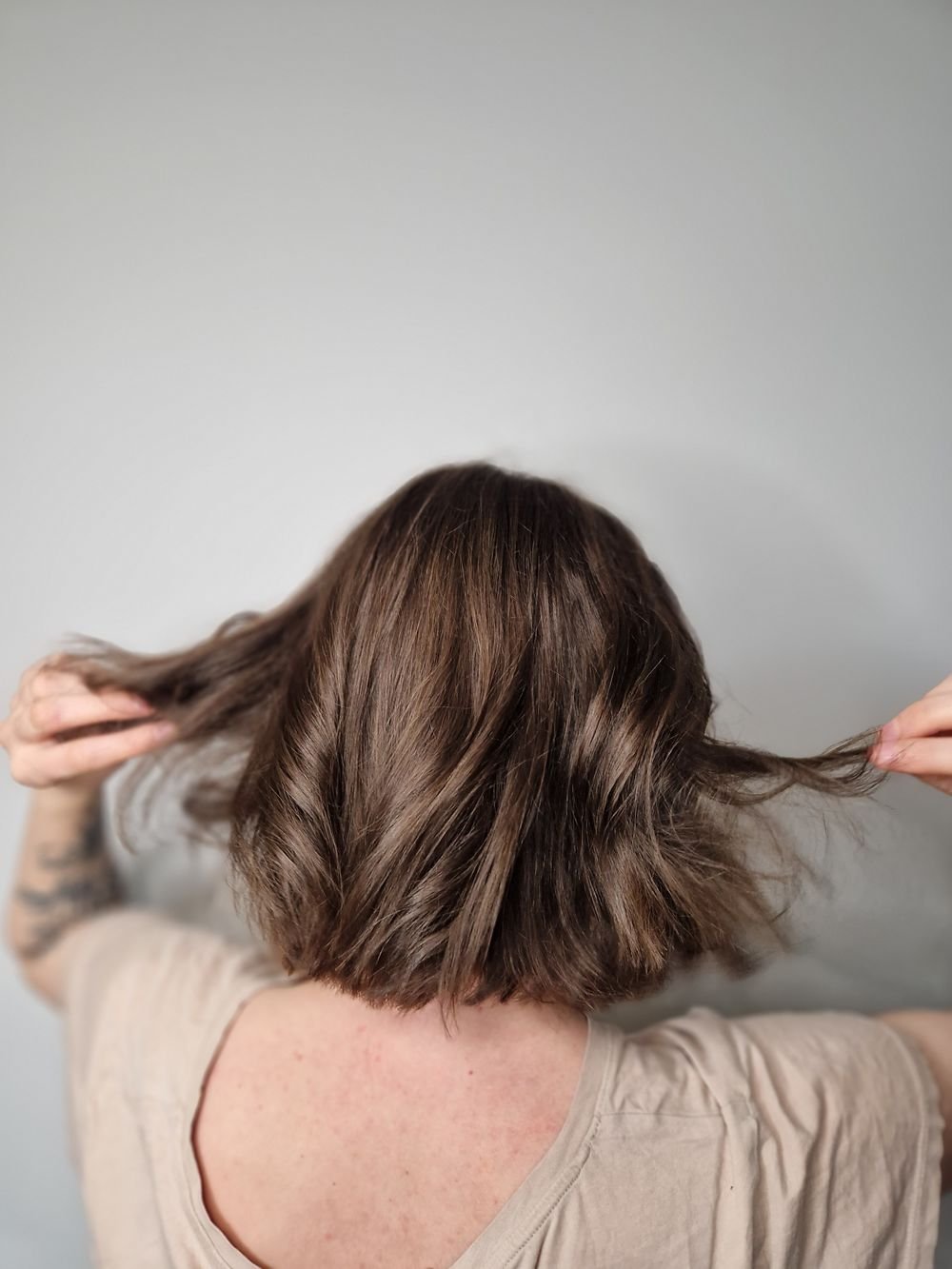
Growth is slow, so it helps to measure it. Take a photo of your hair from the back once a month, in the same light and the same style, and measure the length from a fixed point — the bottom of your ear, or a freckle, or the end of a braid. Write the number down. After three months you will have real evidence of progress, which is far more motivating than guessing. Be patient with the timeline: at a centimetre a month, three months is three centimetres — a visible difference, but not a transformation. Six months is six centimetres, and that is a transformation. Keep the routines that work, drop the ones that do not, and let the progress build. Your hair is growing, even on the days it does not feel like it.

Frequently Asked Questions About Winter Hair Growth for Women
How fast does hair grow in winter? Hair grows about a centimetre a month on average, and winter does not change that much — but winter breakage can make it look like your hair is not growing at all. If your ends are breaking off as fast as your roots are growing, your length stays the same. That is why the routines in this guide focus as much on preventing breakage as on stimulating growth: protecting the length you have is the fastest way to see the growth you are gaining.
Does hair really shed more in winter? Yes, many people notice more shedding in late autumn and winter. The causes are a mix of dry air, less sunlight, hats and friction, and the stress of the season, which can push more hairs into the shedding phase at once. Losing fifty to a hundred hairs a day is normal. If you are losing much more than that, or you see patches or a widening part, see a dermatologist — that can be a sign of something that needs medical attention rather than a new shampoo.
Do hair growth vitamins work? They work if you are deficient in the nutrient they contain, and they do nothing if you are not. Biotin, iron, zinc, and vitamin D all matter for hair growth, but taking extra when your levels are already normal will not make your hair grow faster. A balanced diet is the best approach for most people. If you suspect a deficiency — because you diet heavily, are vegetarian or vegan, or have heavy periods — ask your doctor for a blood test before buying supplements.
How long until I see results from a hair growth routine? Expect to see less breakage and stronger hair within a month, and visible length within three months. At a centimetre a month, three months is three centimetres of new growth — enough to notice in photos and in how your hair feels. Six months is six centimetres, which is a real transformation. Take a monthly photo from the back so you can see the progress, because day-to-day changes are too small to notice. Consistency matters more than any single product: the routines that work are the ones you actually do, week after week.
What is the best haircut for growing hair out in winter? The best cut for growing hair is a healthy one: soft long layers that remove bulk without losing length, and regular small trims every eight to ten weeks to keep the ends clean. Layers help the hair fall into shape and make the growing-out phase look intentional instead of straggly. Avoid blunt cuts that make the ends look thin, and ask your stylist for a shape that works with your natural texture so you can wear it with minimal heat styling while it grows.
Winter does not have to be the season your hair stands still. With daily scalp massage, weekly oiling, deep conditioning, and habits that protect your length, a winter hair growth routine for women can leave your hair longer, stronger, and healthier in spring than it was in autumn. Start with the three routines that feel easiest, give them two weeks, and build from there — consistency beats intensity every time. And when spring arrives, our guide to a spring hair care routine for damaged winter hair will help you repair any winter damage and keep the growth going.
Track your progress for two weeks, then for three months: take a photo, measure your length, and notice whether the shedding eases and the ends feel stronger. Small wins — less hair in the brush, ends that do not split, a ponytail that feels thicker — are the signs your routine is working. Keep the habits that help, drop the ones that do not, and let the routine become yours.
Save this guide for your next wash day, share it with a friend who is growing her hair out too, and follow Nova Fashion on Pinterest for more winter hair care ideas, haircut inspiration, and seasonal styling guides all season long.




Want to write your own pin caption? Try Nova Fashion’s free Pinterest Caption & Pin Generator and create a caption for your saved pin in seconds.