
Mixie pixie mullet haircut ideas for women spring — the mixie, half pixie and half mullet, all attitude, is Pinterest’s breakout cut. If you have ever looked at a short, edgy haircut and thought, “I could never pull that off,” this guide is for you. The mixie is not a costume, and it is not a dare. It is a clever, wearable haircut that combines the short, face-framing layers of a pixie with the longer, textured length of a mullet, and it suits far more people than its reputation suggests.
This guide brings together 21 mixie pixie mullet haircut ideas for women, from sleek and polished to textured and wild, and from straight hair to wavy and curly. Every look comes with face-shape notes, styling tips, and the exact salon language to use when you ask for it, so you can walk into the salon with confidence. There is also honest advice about growing a mixie out, going shorter, and keeping the shape looking fresh between appointments.
Spring is the perfect season for a mixie. The weather is warmer, so a short cut feels light and cool, and the season’s energy suits a bold change. A mixie is also a wonderful cut for spring because it is low-maintenance in the best way: it dries quickly, it needs little styling, and it looks good with a little texture and a lot of confidence. If you have been thinking about a short cut, spring is the time to try it.
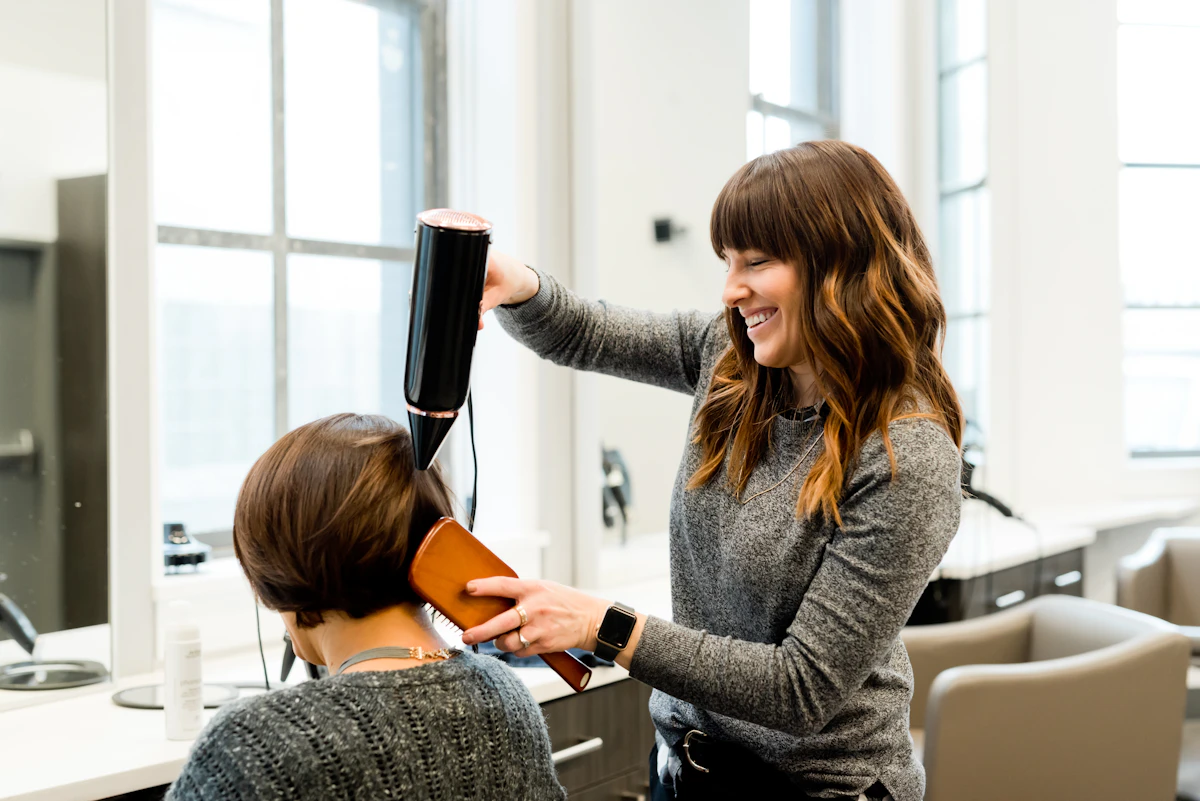
What a Mixie Actually Is
The mixie is a hybrid haircut, and its name tells you exactly what it is: a mix of a pixie and a mullet. The front and top are short, like a pixie — close to the head, with face-framing layers and a fringe that can be long or short. The back is longer, like a mullet — textured, tapered, and falling to the nape or just below. The result is a cut that is short and edgy from the front, and long and playful from the back, and it is that contrast that makes it so interesting.
Pixie Meets Mullet
To understand the mixie, think of the two cuts it combines. A pixie is short all over, with the hair close to the head and the face fully on show. A mullet is short at the front and long at the back, with a dramatic difference in length. The mixie takes the best of both: the pixie’s neat, face-framing front, and the mullet’s longer, textured back. The lengths are blended, so the cut looks intentional rather than accidental, and the texture is the star.
The mixie is not a single look — it is a family of looks. It can be sleek and polished, with smooth layers and a neat fringe, or it can be textured and wild, with choppy layers and a lot of movement. It can be worn with a deep side part, a centre part, or a fringe that falls across the forehead. The version that suits you depends on your hair type, your face shape, and how much attitude you want to bring to the cut.
Who Suits a Mixie
Almost anyone can wear a mixie, because the cut can be adjusted to suit almost every face shape. For a round face, a mixie with height on top and a longer fringe will lengthen the face. For a long face, a mixie with a fuller fringe and more width at the sides will balance the length. For a square face, soft, textured layers will soften the jawline. For an oval face, almost any mixie will work, because the proportions are already balanced.
Hair type matters too. Straight hair shows off the shape of a mixie beautifully, because the clean lines are visible. Wavy hair adds natural texture and movement, which makes the cut look effortless. Curly hair gives the mixie volume and bounce, though it needs a stylist who understands how to cut curly hair dry, so the shape is right when the curls spring up. Whatever your hair type, a good stylist can adapt the mixie to suit you.

What to Ask Your Stylist
Salon language matters, because “mixie” can mean different things to different stylists. Bring photos — three or four, showing the front, the side, and the back — and be specific about what you like in each one. Tell your stylist how short you are willing to go at the front, how long you want the back to be, and whether you want a fringe. Ask for “textured, tapered layers at the back, with a pixie-length front and a soft fringe,” and your stylist will know exactly what you mean.
It also helps to talk about maintenance. A mixie needs a trim every four to six weeks to keep its shape, because the short layers grow out quickly. If you are not willing to visit the salon that often, ask for a softer, longer version that will grow out more gracefully. A good stylist will be honest about what the cut needs, and will help you choose a version that fits your life, not just your Pinterest board.
Mixie for Straight Hair
Straight hair shows off the shape of a mixie beautifully, because the clean lines and the contrast between the short front and the longer back are clearly visible. A straight mixie looks polished and intentional, and it is the version that most closely matches the photos you have probably seen. The key is texture: a straight mixie needs choppy, textured layers, or it can look flat, so ask your stylist to point-cut the ends rather than cutting them straight across.
Sleek Straight Mixie
The sleek straight mixie is the most polished version of the cut. The hair is smooth, the layers are neat, and the fringe is clean — a style that looks expensive and deliberate. It suits a spring blazer, a silk blouse, or a dress with a statement neckline, and it is the mixie to choose for a formal occasion or a work day when you want to look sharp. A little smoothing cream and a quick pass with a flat iron will keep it sleek all day.
To keep a sleek mixie looking fresh, use a light serum on the ends and avoid heavy products that will weigh the hair down. The cut itself does most of the work — the shape is the style — so you do not need to do much to it. That is the beauty of a good short cut: it looks finished with almost no effort.

Textured Straight Mixie
The textured straight mixie is the everyday version — choppy layers, a little movement, and a finish that looks lived-in rather than perfect. It is the mixie to choose if you want a cut that looks good with almost no styling, because the texture does the work for you. A little texturising spray, a quick scrunch with your fingers, and you are done. It is a wonderful cut for spring, because it looks fresh and modern without trying too hard.
For a textured mixie, ask your stylist for point-cutting and razoring, which create the choppy, piecey ends that give the cut its movement. Avoid a blunt cut, which will look heavy and flat on straight hair. The texture should be visible — you should be able to see the individual pieces — and it should move when you do.
Straight Mixie With Bangs
A straight mixie with bangs is a classic combination, and it suits almost every face shape. The fringe can be long and side-swept, short and blunt, or wispy and textured — each version changes the feeling of the cut. A long, side-swept fringe softens the look and is the easiest to grow out. A short, blunt fringe is bolder and more dramatic. A wispy fringe is the softest and most forgiving.
Choose the fringe that suits your face and your patience. A fringe needs trimming every few weeks, and it needs styling every morning, so be honest about whether you are willing to do that. If you are not sure, start with a longer fringe that you can sweep to the side — you can always go shorter next time.
Mixie for Wavy and Curly Hair
Wavy and curly hair gives the mixie volume, movement, and a natural, effortless quality that straight hair has to work for. The texture is already there, so the cut can be simpler, and the result looks softer and more romantic. The key is to cut curly hair dry, or at least to account for shrinkage, so the shape is right when the curls spring up. A stylist who understands curly hair is essential for a curly mixie.

Wavy Mixie
A wavy mixie is the most versatile version of the cut. The waves add texture and movement, the short front frames the face, and the longer back gives the cut a playful, relaxed feeling. It is a wonderful cut for spring, because the waves look natural in the warmer weather, and the cut needs very little styling — a little sea-salt spray, a scrunch, and you are done.
For a wavy mixie, ask your stylist to cut the layers to enhance your natural wave, rather than fighting it. The layers should follow the wave pattern, so the hair falls naturally into its shape. Avoid over-thinning, which can make wavy hair look frizzy, and let the natural texture do the work.
Curly Mixie
A curly mixie is bold, beautiful, and full of personality. The curls give the cut volume and bounce, and the short front and longer back create a shape that is both edgy and soft. It is a cut that needs a stylist who understands curly hair, because curly hair shrinks as it dries, and a cut that looks right when wet can look very different when dry. Ask your stylist to cut your hair dry, curl by curl, so the shape is right from the start.
For a curly mixie, keep the layers long enough that the curls can form properly — too short, and the curls will frizz instead of curling. A curl cream, applied to wet hair and scrunched in, will define the curls and keep them frizz-free. It is a cut that looks different every day, because the curls never behave the same way twice, and that is part of its charm.

Mixie With Natural Texture
The best mixie is the one that works with your natural texture, not against it. If your hair is straight, let it be sleek. If it is wavy, let it wave. If it is curly, let it curl. A mixie that fights your natural texture will need constant styling, while a mixie that works with it will look good with almost no effort. Talk to your stylist about your natural texture, and ask them to design the cut around it.
Natural texture also makes a mixie more forgiving as it grows out. A textured cut hides regrowth better than a sleek one, because the uneven lengths blend together. If you are worried about maintenance, a textured mixie is the safer choice — it will look good for longer between trims.
Styling Your Mixie
A mixie is one of the lowest-maintenance cuts you can have, and that is part of its appeal. It dries quickly, it needs little styling, and it looks good with a little texture and a lot of confidence. The styling you do need is simple: a small amount of product, a few minutes with your fingers, and you are done. For more pixie inspiration, Nova Fashion’s pixie cut baddie haircut ideas for women show how a bold short cut can be styled in many different ways.
Everyday Styling
For everyday styling, start with damp hair and a small amount of texturising spray or styling cream. Work the product through with your fingers, scrunch the hair gently to encourage texture, and let it air-dry. If you want more volume, blow-dry on a low heat with your fingers, lifting the roots as you go. If you want a sleeker finish, smooth the top with a brush and a little serum. The whole routine takes five minutes, and it is the reason so many people who try a mixie never go back to long hair.
On second-day hair, a little dry shampoo at the roots will refresh the cut and add volume. A mixie looks good slightly lived-in, so do not worry about perfecting it — a little messiness is part of the style. If a section is sticking out, dampen it with water, smooth it down, and let it dry. Short hair is forgiving, and a mixie is the most forgiving short cut of all.

Products for a Mixie
You do not need many products for a mixie — three are enough. A texturising spray for volume and movement, a styling cream or wax for definition and hold, and a light serum for shine and smoothness. Use small amounts: a pea-sized amount of cream, a few sprays of texturiser, and a drop of serum. Too much product will weigh a short cut down and make it look greasy, while the right amount will define the layers and make the cut look intentional.
For a polished pixie look, a pomade or a wax will give you control and shine. Nova Fashion’s polished pixie haircut ideas for women show how a little product can transform a short cut, and the same techniques work beautifully on a mixie. And for a layered, textured finish, the layered pixie haircut ideas on Nova Fashion are a good place to see how layers can be styled in different ways.
Growing It Out or Going Shorter
Every short cut faces the same question eventually: grow it out, or go shorter? A mixie is a good cut for either answer, because it grows out gracefully and it looks good shorter too. The key is to have a plan, and to work with your stylist to keep the shape looking intentional at every stage.

Growing Out a Mixie
Growing out a mixie is easier than growing out a pixie, because the back is already longer. As the front grows, it will blend into the back, and the cut will gradually become a shaggy bob, then a lob. The awkward stage — when the front is too long to be a pixie and too short to tuck behind your ears — can be managed with a headband, a clip, or a little styling cream. Regular trims, every six to eight weeks, will keep the shape tidy as it grows.
Be patient with the grow-out, and enjoy the stages. A growing mixie is a versatile cut, and each length has its own charm. If you get impatient, a temporary change — a new colour, a fringe trim, or a different parting — can make the same length feel fresh again.
Going Shorter
If you love your mixie and want to go shorter, the next step is a pixie — a cut that is short all over, with no longer back. It is a bold step, but it is a natural one for someone who already loves a short cut, and it is a wonderful way to change your look without changing your style. Talk to your stylist about how short you are willing to go, and bring photos of the pixie you like.
Going shorter is also a good choice if your mixie has grown out and lost its shape. A fresh, short cut will restore the definition and the attitude, and it will feel light and cool for spring. Short hair is a commitment, but it is also a liberation — and a mixie is the perfect stepping stone to a pixie.

Keeping the Shape
Whatever you decide — grow it out or go shorter — keeping the shape is about regular trims. A mixie needs a trim every four to six weeks to keep its shape, because the short layers grow out quickly and the cut loses its definition. Between trims, a little styling product and a quick finger-style will keep it looking fresh. And if you are not sure what to do next, ask your stylist — they will know how your hair grows, and they will help you choose the next step.
It also helps to have a good relationship with your stylist. A mixie is a cut that depends on the stylist’s skill, and a stylist who knows your hair will be able to adapt the cut as it grows, as the seasons change, and as your style evolves. Find a stylist you trust, and stick with them — your mixie will thank you for it.
Frequently Asked Questions About the Mixie
Is the mixie hard to maintain? No — it is one of the lowest-maintenance cuts. It dries quickly, needs little styling, and looks good with a little texture. It does need a trim every four to six weeks to keep its shape, but the daily styling is minimal.
Will a mixie suit my face shape? Almost certainly yes, because the cut can be adjusted to suit almost every face shape. A good stylist will adapt the length, the fringe, and the layers to flatter your face.
Can I wear a mixie if my hair is curly? Yes. Curly hair gives the mixie volume and bounce, and it looks wonderful. Ask your stylist to cut your hair dry, curl by curl, so the shape is right when the curls spring up.
How do I style a mixie in the morning? Dampen the hair, apply a small amount of texturising spray or styling cream, scrunch with your fingers, and let it air-dry. The whole routine takes five minutes.


Save this for later: Pin the image below to keep these 21 mixie pixie mullet haircut ideas handy all spring.
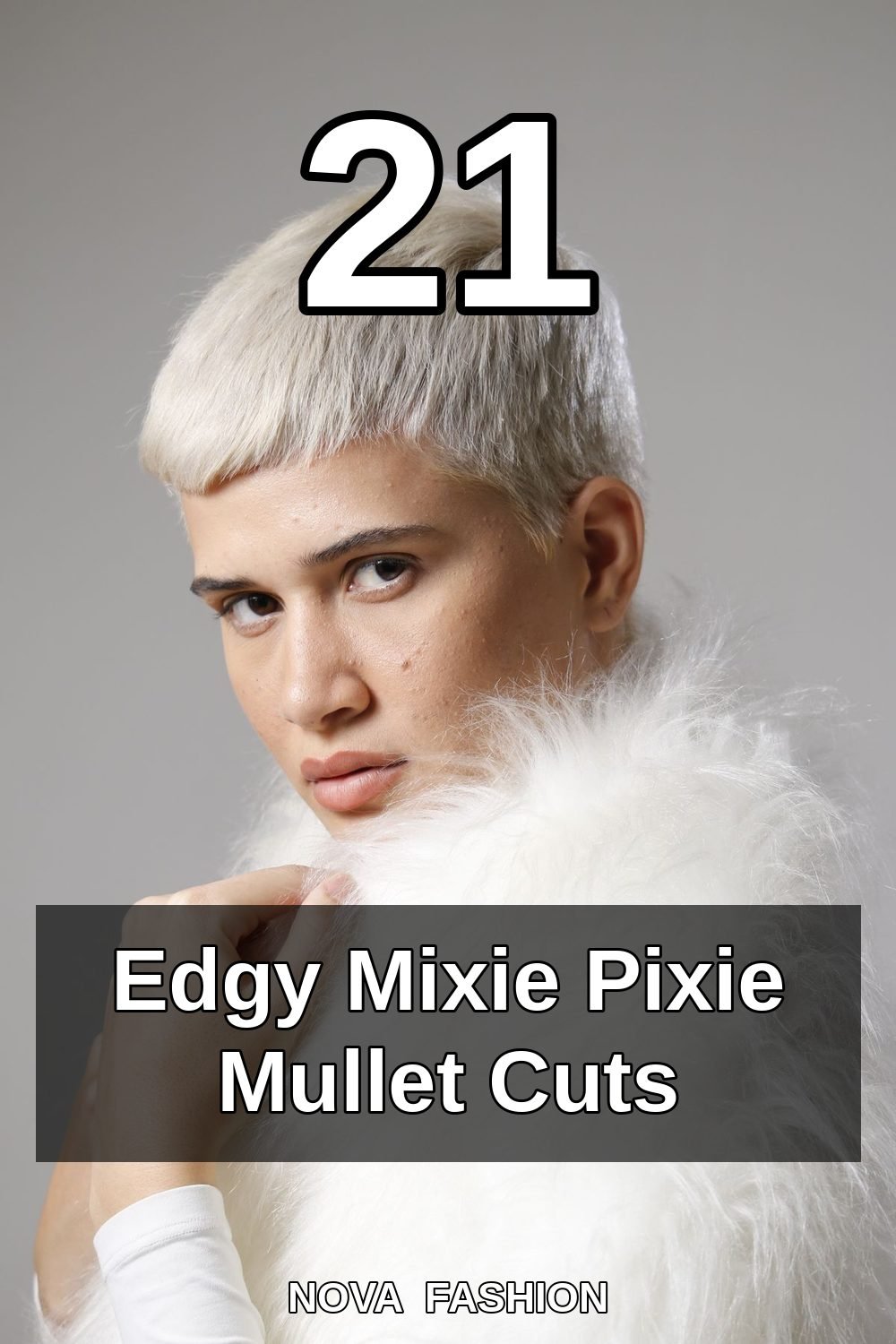
Save this mixie haircut idea on Pinterest

Want a caption for your own pin? Try Nova Fashion’s free Pinterest Caption & Pin Generator to create a caption for your mixie pin in seconds.
The mixie — half pixie, half mullet, all attitude — is spring’s breakout cut, and now you know how to wear it. Whether you go sleek or textured, straight or curly, a mixie is a bold, fun, and surprisingly wearable haircut that will make you feel like yourself, only braver. Are you brave enough for the mixie? Tell us in the comments, and follow Nova Fashion on Pinterest for more spring haircut ideas, edgy styles, and fresh seasonal inspiration all year long.