
There is a particular kind of haircut that changes everything about how you look and nothing about how much hair you have, and it is a fringe you can barely see through. Wispy bangs with long hair are having a real moment right now, and it is easy to see why: they soften your face, make your features look more delicate, and give long hair the one thing it often misses — a focal point up front. If you have been scrolling through wispy bangs hairstyle ideas for long hair and wondering whether the look is actually for you, this guide is your answer.
The idea is simple. Instead of a heavy, blunt wall of hair across your forehead, a wispy fringe is cut so the pieces are fine, feathery and slightly see-through, with your forehead peeking through in places. It frames your eyes without hiding them, it moves when you move, and it grows out more gracefully than any other kind of bangs. Best of all, the rest of your hair stays exactly as long as it is — no length lost, no dramatic chop, no regret.
Below you will find 15 wispy fringe ideas for long hair, from the classic straight-across version to curtain styles, bottleneck shapes and winter-friendly versions that survive hats and scarves. You will also get an honest comparison with curtain and blunt bangs, face-shape guidance, a two-minute styling routine, bad-fringe-day fixes, glasses advice and the real grow-out timeline. Save the one you love and take it to your stylist.
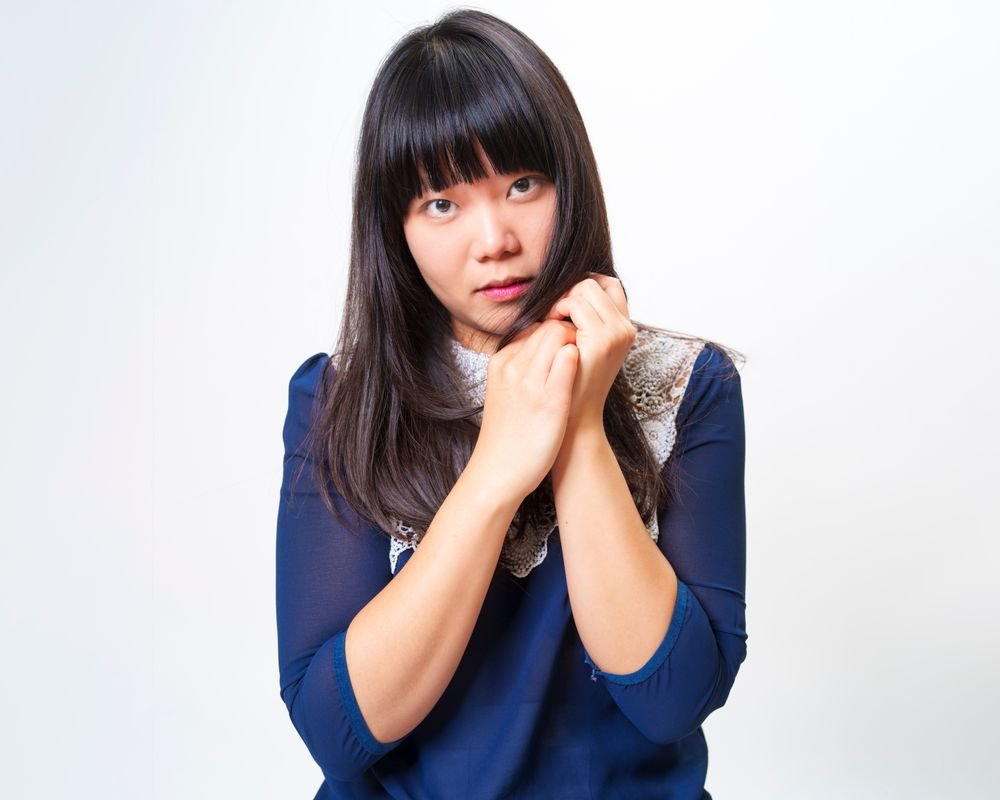
What Wispy Bangs Actually Are (and Why They Work So Well with Long Hair)
A wispy fringe is cut with point cutting and thinning so the ends are soft and uneven rather than blunt. The hair is lighter at the tips, which is what creates that airy, see-through effect. It usually sits somewhere between your eyebrows and your lashes, and because the pieces separate naturally, you get a softness that a blunt fringe can never give you.
Long hair and a wispy fringe are a particularly good match. Long hair can sometimes feel like a curtain with nothing happening around the face, and a heavy fringe would tip the balance too far. A wispy fringe adds interest at the front without competing with the length, and it breaks up the expanse of hair in the most flattering way. It also photographs beautifully, which is why it keeps showing up on red carpets and in street-style photos.
The other reason this pairing works is practical. A wispy fringe is the most forgiving fringe you can get. It does not need to be perfect to look good — in fact, a little messiness is the point. If you sleep on it wrong, it still looks intentional. If it grows a centimetre, it becomes a different style rather than a disaster. And if you decide you hate it, you can sweep it to the side and it disappears into your layers within weeks.
Wispy vs Curtain vs Blunt: The Honest Differences
Before you choose, it helps to know exactly what you are choosing between, because these three fringes look similar in photos and behave very differently in real life. A wispy fringe is light, feathery and see-through, sitting straight across the forehead with soft, piecey ends. It reads as delicate and romantic, and it suits people who want a change that feels gentle rather than dramatic.
Curtain bangs are longer and parted in the middle, sweeping to either side of your face like curtains. They blend into long layers and grow out beautifully, but they are not really a fringe — they are more of a face-framing shape. Blunt bangs, by contrast, are cut straight across with a heavy, solid line. They are bold and striking, and they demand regular trims and a steady hand with a dryer. They also show every cowlick and every bad hair day.
So which is right for you? If you want low commitment and softness, go wispy. If you want something that needs almost no styling and grows out invisibly, go curtain. If you want a strong, fashion-forward statement and you are happy to trim every three weeks, go blunt. Most people who are nervous about bangs should start wispy — it is the easiest one to live with, and the easiest one to grow out of.
Idea 1: The Classic Straight-Across Wispy Fringe
This is the version most people picture when they hear the words wispy bangs, and it is the best place to start. The fringe runs straight across your forehead, ending just at or slightly below your eyebrows, but the ends are cut so finely that you can see skin through them. It softens your whole face in a way that is hard to describe until you see it on yourself — suddenly your eyes look bigger, your cheekbones look higher and your long hair looks intentional instead of accidental.
Ask your stylist to keep the fringe light at the ends and slightly longer at the corners, so it melts into the rest of your hair instead of stopping in a hard line. The classic version works on almost every face shape, but it is especially flattering on oval and heart-shaped faces. Wear it with a middle part or a soft side part — both work — and keep a little dry shampoo in your bag, because this is the style that shows oil first.
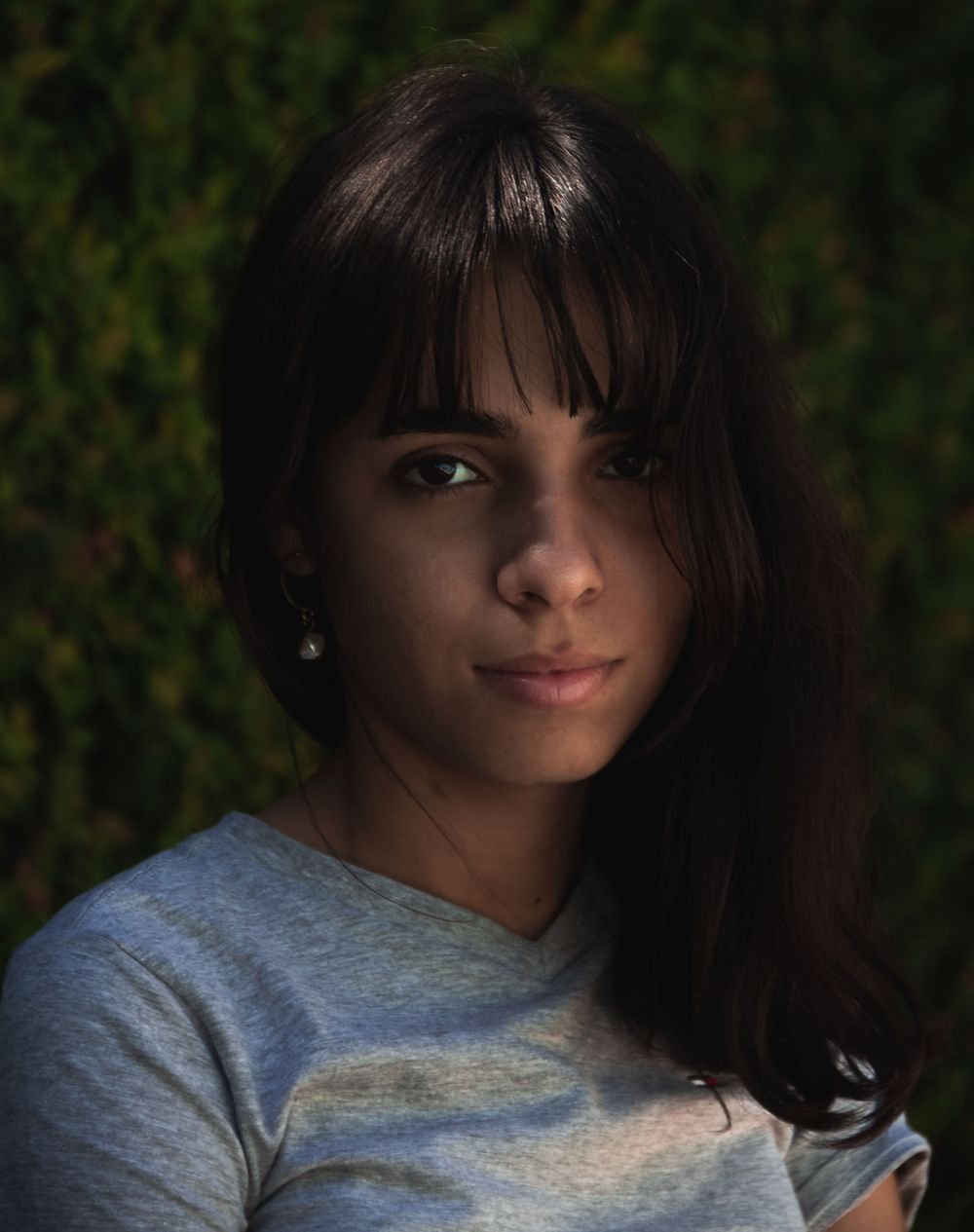
Idea 2: Wispy Curtain Bangs That Melt into Long Layers
If the straight-across version scares you, curtain bangs are your safety net. They are cut longer at the sides than in the middle and parted in the center, so they sweep away from your face and blend straight into your long layers. The effect is less bangs and more a beautiful, face-opening shape — and because there is no hard line across your forehead, the growing-out phase is essentially invisible.
This is the best choice if you have a wider forehead or a rounder face, because the center part creates length and the side pieces draw the eye down. It is also the lowest-maintenance option in this whole list: you can style it with a round brush in about a minute, or just let it air-dry and push it to the sides. If you are bangs-curious but commitment-phobic, start here.

Idea 3: The Side-Swept Wispy Fringe
A side-swept wispy fringe is the most wearable version of bangs there is, and it suits long hair beautifully because it never fights your part. The fringe is cut on a diagonal, longer on one side, so it falls across your forehead in a soft sweep. It gives you coverage and softness without ever sitting straight across, which makes it perfect if you have a strong cowlick at your hairline or a center part you are not willing to give up.
The trick is in the length: too short and it sticks up, too long and it is just a side part. Ask for the longest pieces to reach your cheekbone and the shortest to graze your brow. Style it by blow-drying it in the direction you want it to sit while it is still damp, then let it fall — and once it is dry, leave it alone, because the more you touch a side-swept fringe, the more it separates.
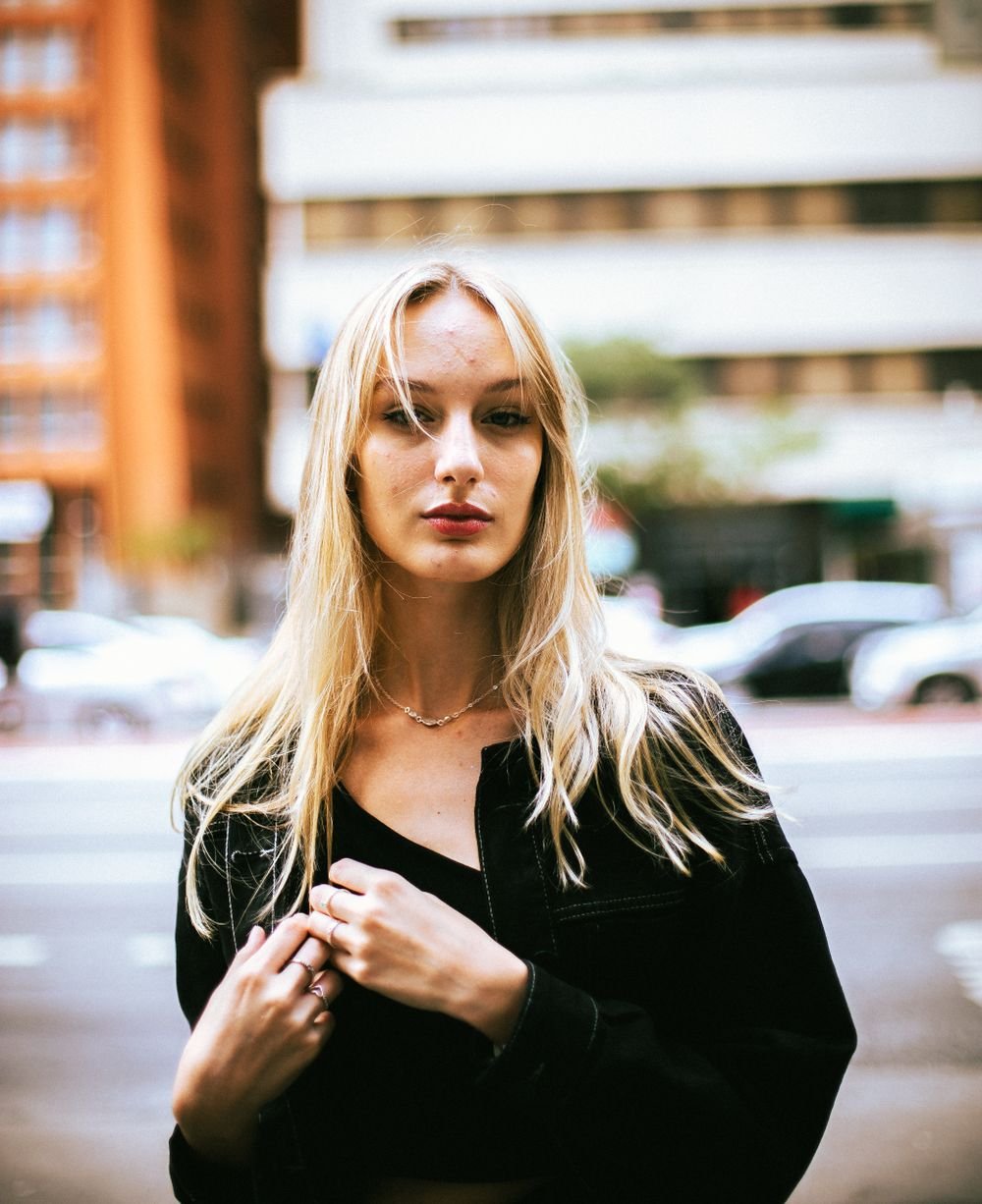
Idea 4: Wispy Bangs with Long, Straight Hair
Long, straight hair with a wispy fringe is one of the cleanest looks in this entire guide. The fringe adds a soft, feathered edge to what can otherwise be a very straight silhouette, and because the fringe is light, it never weighs the front down. The contrast between the sleek lengths and the airy fringe is what makes the whole thing work — it looks polished without looking severe.
The key is keeping the fringe slightly textured. A blunt fringe on straight hair can look heavy and almost helmet-like, but a wispy one keeps the look light. Ask your stylist to point-cut the ends and add a few shorter pieces in the middle for that see-through effect. Finish with a drop of hair oil on the lengths only — never on the fringe, because oil is the one thing that will make a wispy fringe clump together and lose its lightness.

Idea 5: Wispy Bangs on Long Wavy Hair
Wavy hair and wispy bangs are a match made in heaven, mostly because waves do half the styling work for you. The fringe follows the natural bend of your hair, so the pieces separate into soft, tousled strands on their own, and the line between bangs and layers practically disappears. The result is relaxed, romantic and slightly undone — the kind of hair that looks like you just came back from a weekend by the sea.
With wavy hair, cut the fringe slightly longer than you think you want it, because waves shrink as they dry and a fringe that looks perfect when wet can end up too short by lunchtime. Scrunch a little mousse or curl cream into the fringe while it is damp and let it air-dry, or diffuse on low heat for two minutes. Whatever you do, do not straighten a wavy fringe flat — you will lose the whole point of the look.
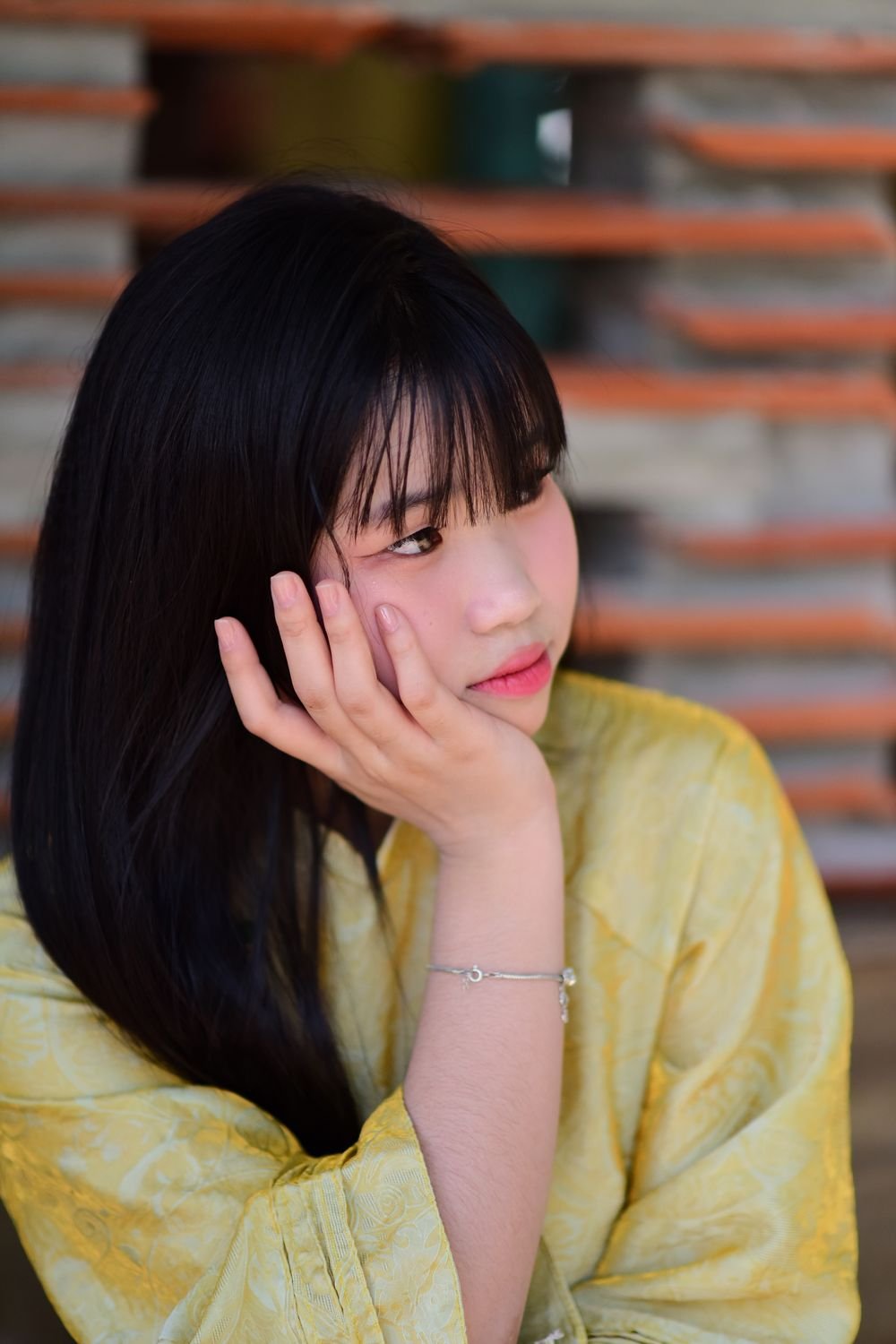
Idea 6: The Bottleneck Wispy Fringe
The bottleneck fringe is the fashion crowd’s favorite right now, and it works beautifully with long hair. It is narrow and short in the center — think just below the brows — and longer at the sides, curving down toward your cheekbones like the neck of a bottle. The shape frames your cheekbones, opens up your eyes and blends so smoothly into long layers that some people will not even realize you have bangs at all.
This one needs a stylist who understands the shape, because the curve is everything. Show them a photo — ideally two or three — and ask for the center to stay short with the sides sweeping out to meet your face-framing layers. It grows out into curtain bangs, which means you can go months before you need to think about it again, and it is the best choice in this list if you have high cheekbones or a strong jawline you want to soften.
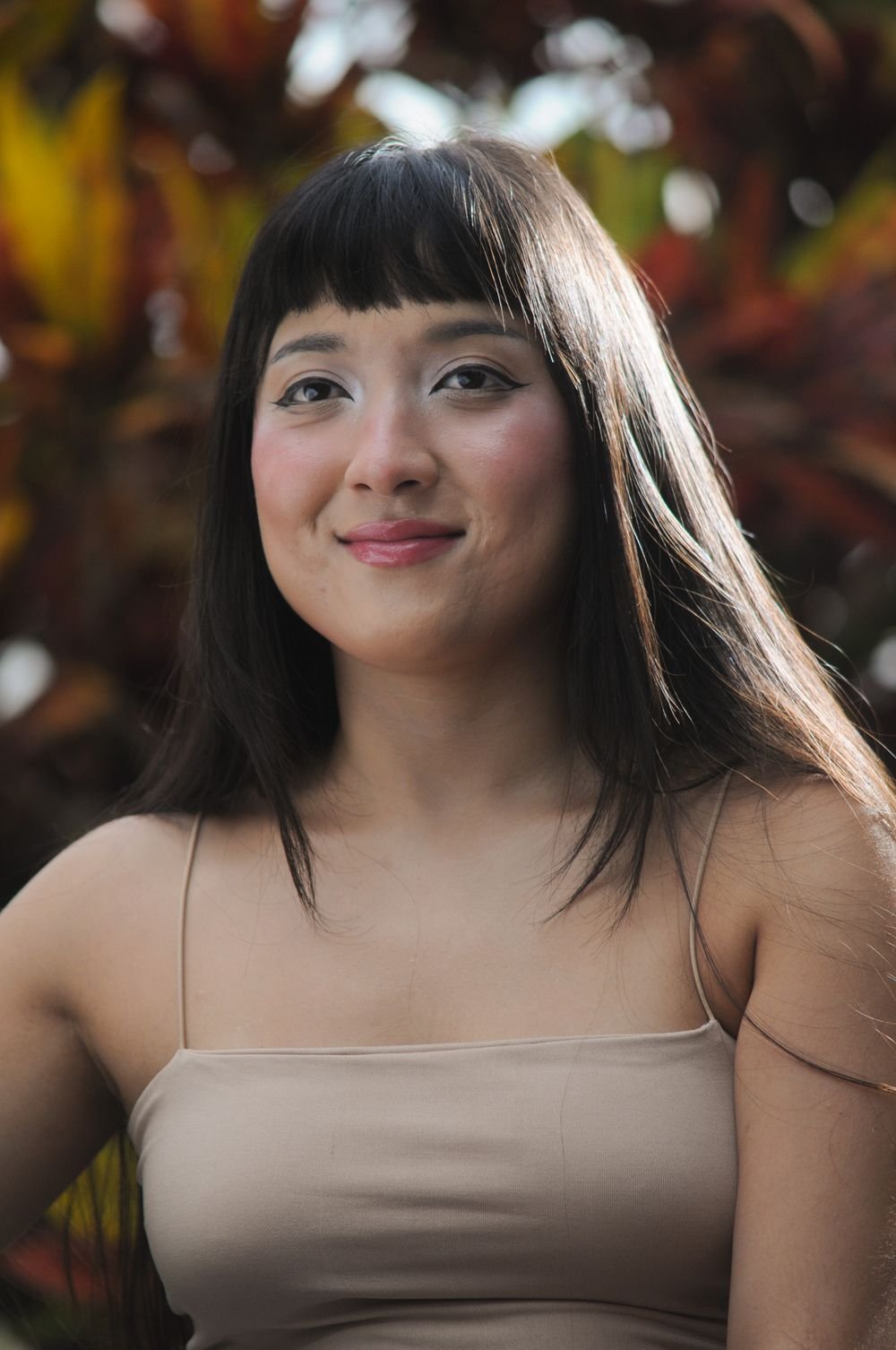
Idea 7: Face-Framing Wispy Pieces with a Long Ponytail
Here is a secret: a wispy fringe does its best work when the rest of your hair is pulled back. With a high or low ponytail, the fringe and the longer face-framing pieces become the whole style — they soften your face, give the ponytail a finished look and make a five-minute hairstyle look like you actually tried. This is the combination that works for the gym, for work and for a night out, and it takes about thirty seconds.
To get it right, pull the ponytail back loosely rather than scraping everything tight, and let the wispy pieces fall naturally instead of tucking them behind your ears. A few face-framing strands at the sides are part of the look, not a mistake. Add a silk scrunchie or a simple claw clip and you have the kind of effortless style that influencers spend twenty minutes staging — yours will be real.

Idea 8: Wispy Bangs with Long Curls
Curls and a wispy fringe sound like a risky combination, and it is true that curly bangs need a lighter touch — but when it works, it is one of the most beautiful looks in this guide. The secret is cutting the fringe dry, curl by curl, so the stylist can see exactly where each piece falls. A fringe cut on wet, straightened curly hair will spring up the moment it dries, so always make sure your stylist cuts it in its natural state.
Wear it with the fringe slightly longer than a straight-haired version, and let the curls do their thing instead of fighting them with a flat iron. A little curl cream scrunched into the fringe while it is damp will give you soft, defined pieces that move with the rest of your hair. The result is a romantic, feminine shape that looks equally good at a wedding and on a lazy Sunday.
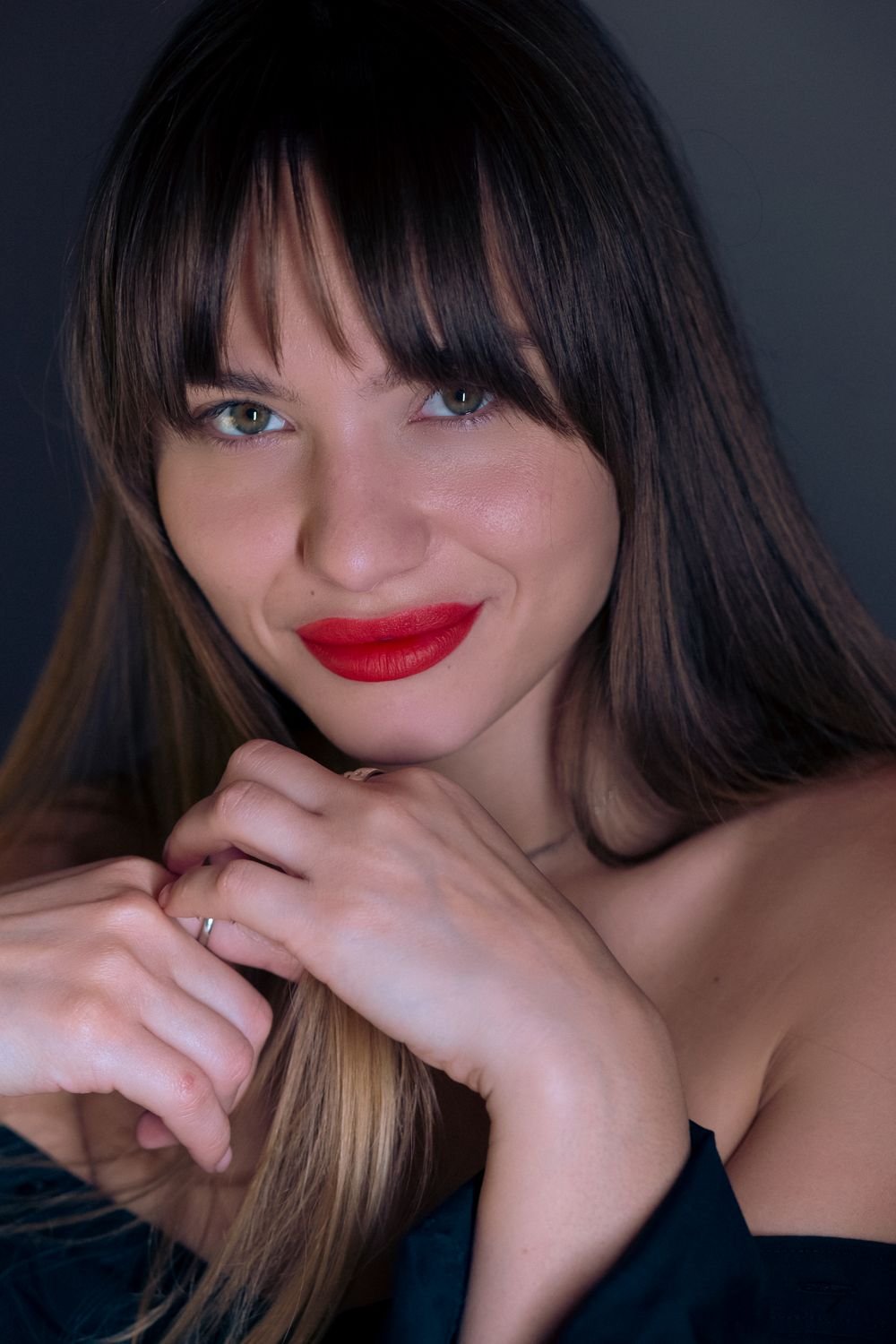
Idea 9: The Barely-There, Grown-Out Wispy Fringe
Not every fringe has to announce itself. The barely-there wispy fringe is just a few feathery pieces across the forehead — barely enough to call bangs, but enough to soften your face and change the whole mood of your hair. It is the perfect choice if you love the idea of bangs but not the reality of styling them every morning, because this version looks good doing absolutely nothing.
This style is also what your fringe will naturally become after about six weeks of growing out, which is why so many people end up keeping it. The pieces are long enough to tuck behind your ears or sweep to the side, and they blend into your layers so well that the grow-out phase is already over before it starts. Think of it as bangs with training wheels — and a surprisingly chic destination in its own right.
Idea 10: Wispy Bangs with a Middle Part
A middle part plus a wispy fringe is the clean, symmetrical look that suits almost everyone, and it is having a big moment alongside the return of nineties-inspired hair. The fringe sits straight across underneath the part, with the longer pieces at the sides opening the face up. Because the part is in the center, the whole look feels balanced and deliberate rather than accidental.
This is the version to choose if you already part your hair in the middle and you like symmetry. It works particularly well on oval and long faces, where the fringe breaks up the length of the face and the part keeps everything even. Style it by blow-drying the fringe straight down with a small round brush, then parting it in the center while it is still warm so it sets in place.
Idea 11: Wispy Bangs for Round and Heart-Shaped Faces
Here is the honest truth nobody tells you: a wispy fringe is one of the kindest cuts for a round face, because the see-through, piecey texture creates vertical lines that lengthen the face instead of cutting it in half the way a blunt fringe does. The trick is choosing the right shape — longer at the sides, slightly shorter in the middle, with pieces that reach your cheekbones and draw the eye down instead of across.
For a heart-shaped face, the same version works beautifully for the opposite reason: it fills in a wider forehead and softens a narrower chin, balancing the face rather than emphasizing it. In both cases, avoid cutting the fringe too short or too heavy, and ask your stylist for a slightly arched shape rather than a perfectly straight line. The arch is what makes it flattering instead of boxy.
Idea 12: Wispy Bangs on Thick Long Hair
Thick hair and bangs can be a difficult combination, because a thick fringe can quickly become a heavy curtain that eats your whole forehead. The answer is thinning — not the scary kind, but careful, deliberate thinning through the ends so the fringe stays light and piecey even though your hair is dense. A good stylist will use thinning shears or a razor through the last few centimetres, leaving the roots full and the tips airy.
With thick hair, the fringe will also hold its shape better than on fine hair, which means you can get away with less styling. Blow-dry it with a round brush for smoothness, or let it air-dry — it will mostly behave. The one thing to watch is humidity, which can make a thick fringe swell up; a tiny bit of anti-frizz serum on the ends, and only the ends, will keep it in line.
Idea 13: Wispy Bangs on Fine Long Hair
Fine hair is where a wispy fringe truly earns its keep, because the feathered texture creates the illusion of fullness without needing much hair at all. A heavy fringe on fine hair can look stringy and sparse, but a wispy one works with what you have — the see-through pieces are supposed to be light, so fine hair is actually an advantage here. Ask your stylist to keep the fringe a little fuller through the middle and textured at the ends, which gives you coverage without making it look thin.
The volume trick is in the styling: blow-dry the fringe forward and down with a small round brush, lifting at the roots as you go, then finish with a light dusting of volumizing powder at the roots only. Avoid heavy oils and creams near the fringe, and wash it more often than the rest of your hair — a quick sink wash and a two-minute blow-dry will revive a fine fringe better than any amount of dry shampoo.
Idea 14: Wispy Bangs in an Updo
A wispy fringe changes the entire feeling of an updo. With the hair swept up, the soft pieces around your face keep the look from feeling severe or overly polished, and they stop a bun or a chignon from looking like it belongs at a board meeting. This is the version to choose for weddings, parties and any event where you want to look put together without looking stiff.
Let the fringe fall naturally and pull a couple of soft pieces loose at the temples — resist the urge to pin everything back. A low, loose bun with a wispy fringe is the classic romantic combination, while a higher topknot with feathery pieces at the front feels younger and more modern. A light-hold hairspray on the fringe, sprayed from at least thirty centimetres away, will keep it in place without making it crunchy.
Idea 15: The Winter Wispy Fringe
Winter is actually a great season for wispy bangs, because the soft, feathered shape survives hats, scarves and cold air better than a blunt fringe ever could. A blunt fringe under a beanie comes out bent and creased; a wispy one just falls back into place, because there is no hard line to ruin. It also looks beautiful with the textures of the season — chunky knits, wool coats and soft scarves frame the fringe instead of fighting it.
The one winter issue is static, which loves dry air and long hair. Keep a small bottle of leave-in conditioner on hand to calm flyaways on the go. And if you want the full winter look, pair the fringe with long hair worn in loose waves and a warm, rich color. For more cold-weather inspiration, see our guide to 25 winter hairstyles for long hair, which pairs beautifully with every fringe in this guide.
Wispy Bangs by Face Shape: Finding Your Version
Face shape is the part everyone overthinks, so here is the simple version. Oval faces can wear almost any wispy fringe, so pick the one you like best and go. Round faces do best with longer, side-swept or curtain versions that draw the eye down. Long faces benefit from a straighter, brow-skimming fringe that shortens the face visually. Square faces should look for soft, curved shapes that blur a strong jawline, and heart-shaped faces want a slightly arched fringe that fills a wider forehead.
But here is the other honest truth: face shape is a guide, not a rule. Hair texture, cowlicks and your personal style matter just as much, and a good stylist will adapt any of these fringes to your face rather than forcing a shape that does not suit you. Bring photos, point at what you like, and tell them what you are worried about — a consultation is free, and a stylist who listens is worth more than any face-shape chart.
Styling, Glasses and Growing Out: The Practical Guide
The two-minute blow-dry is the whole secret to living with a wispy fringe. Wash or dampen the fringe first — before it dries in a weird direction — then blow it dry while brushing it side to side with a small round brush, finishing with the dryer blowing downward. The side-to-side motion stops it splitting into curtains, and blowing downward keeps it from puffing up. Two minutes, done.
On bad-fringe days, you have options. Dry shampoo at the roots absorbs oil and adds grip, a quick pass with a flat iron on low heat tames kinks, and a tiny clip or a silk headband hides everything for an hour or two. If the fringe is sticking up at a cowlick, wet just that section, comb it into place and let it dry flat — water resets hair more reliably than any product ever will.
If you wear glasses, good news: wispy bangs and glasses are a wonderful combination, because the fringe softens the frame line and draws attention to your eyes. Keep the fringe just above your frames, or ask for slightly longer pieces that sit alongside them, and choose thinner frames if you want the fringe to be the star. As for growing out, the timeline is honest and forgiving: two weeks in, the fringe is still a fringe; at six weeks it is a grown-out fringe you can sweep aside; by three months it is face-framing layers. Trim it once at the salon around week four if you want to keep the shape, or just let it go — either way, nothing about this fringe is permanent.
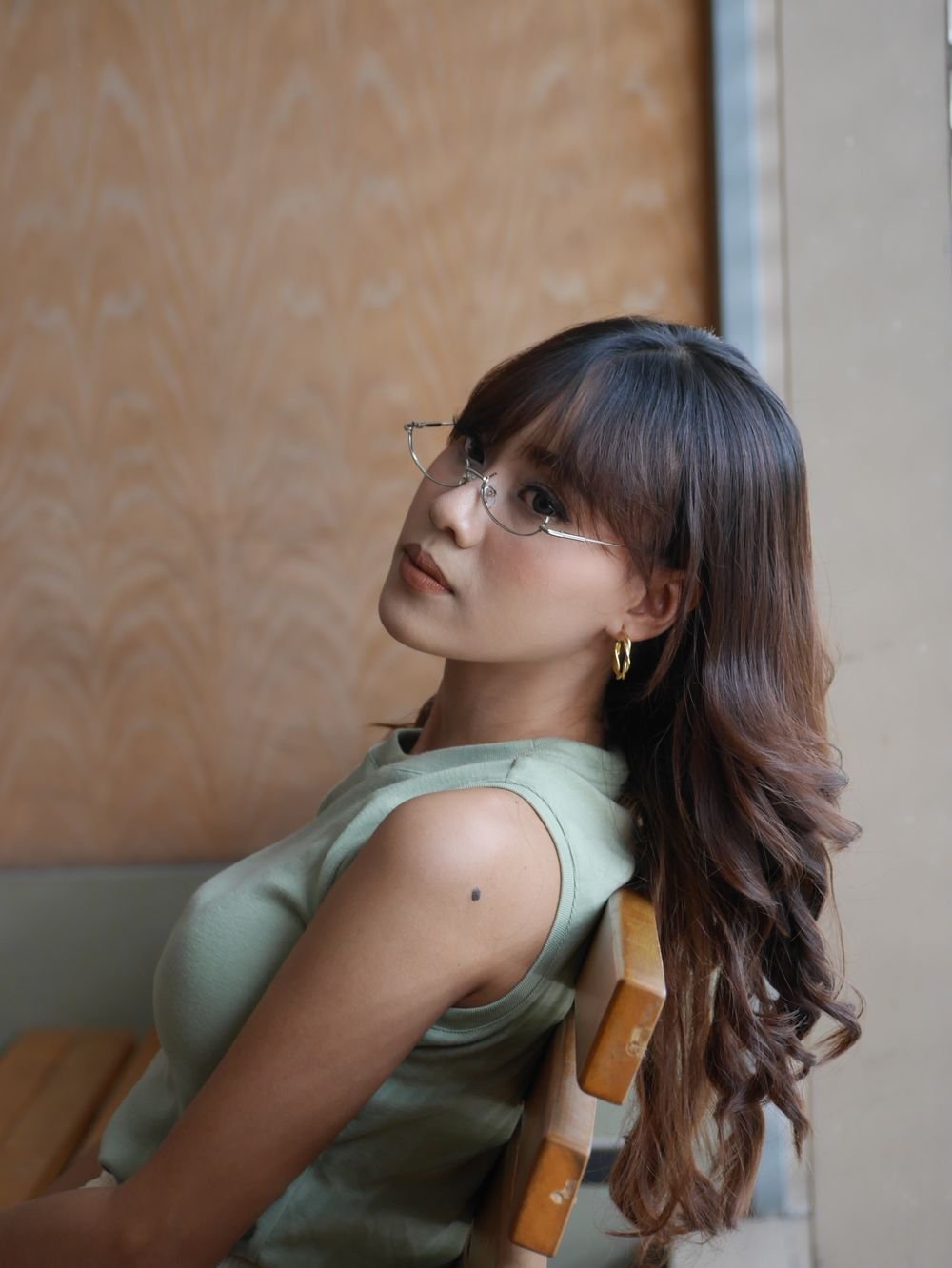
Save This for Later: Your Wispy Bangs Pinterest Pin
There you have it — fifteen ways to wear a wispy fringe with long hair, and not one of them asks you to sacrifice a single centimetre of length. The right fringe is out there for your face shape, your hair texture and your tolerance for a hair dryer, so save the one that made you stop scrolling and show it to your stylist at your next appointment.


Try our free Pinterest caption generator — it writes the pin title and description for you in seconds.