
Your next 16 outfits are already hanging in your wardrobe. Not in a shop window, not in an online basket you keep hovering over at midnight, but right there on the rail you walk past every morning. That is the whole idea behind shop your closet winter outfit formulas with clothes you own: a small set of repeatable combinations that turn the pieces you already have into outfits that look deliberate, polished and new. No new delivery, no buyer remorse, no drawer full of almost-right things.
Here is the honest truth about most winter wardrobes. You do not have nothing to wear. You have plenty to wear and no system for wearing it. A formula fixes that. Each one below is a simple recipe — this top, those bottoms, that layer, one accessory switch — that you can repeat with whatever versions you already own. Work through all 16 and you have more than two working weeks of outfits without spending a penny. Some of them will feel obvious. That is the point. Obvious is what gets worn on a cold Tuesday when you have eight minutes to get out of the door.

The 10-Minute Wardrobe Audit
Before a single formula, give your wardrobe ten honest minutes. Set a timer, open the rail and pull everything forward so you can actually see it. You are looking for three things: what you reach for constantly, what you never touch, and what you own three versions of. Most of us discover the same pattern. Five black jumpers, no decent white shirt. Three coats, no scarf that goes with any of them. A rail full of clothes and a strange shortage of outfits.
Make three quick piles. Pile one: the pieces you love and wear. Pile two: the pieces you like but never quite style — these are your formula ingredients. Pile three: the pieces that do not fit, do not flatter or have not been worn in a year. Bag pile three for donation and stop feeling guilty about it. Your wardrobe is not a storage unit. It is a working collection, and a smaller working collection always outfits you better than a crowded one.
While you are at it, count your categories. How many knit jumpers? How many dresses? How many pairs of jeans that actually fit? Write the numbers down. If the rail feels bloated and unfocused, the minimalist capsule wardrobe essentials guide is a good next read, because it shows how a tight set of pieces can carry a whole season. But for today, do not buy anything. The audit is about seeing what is already there, and the formulas below are built to use exactly that.
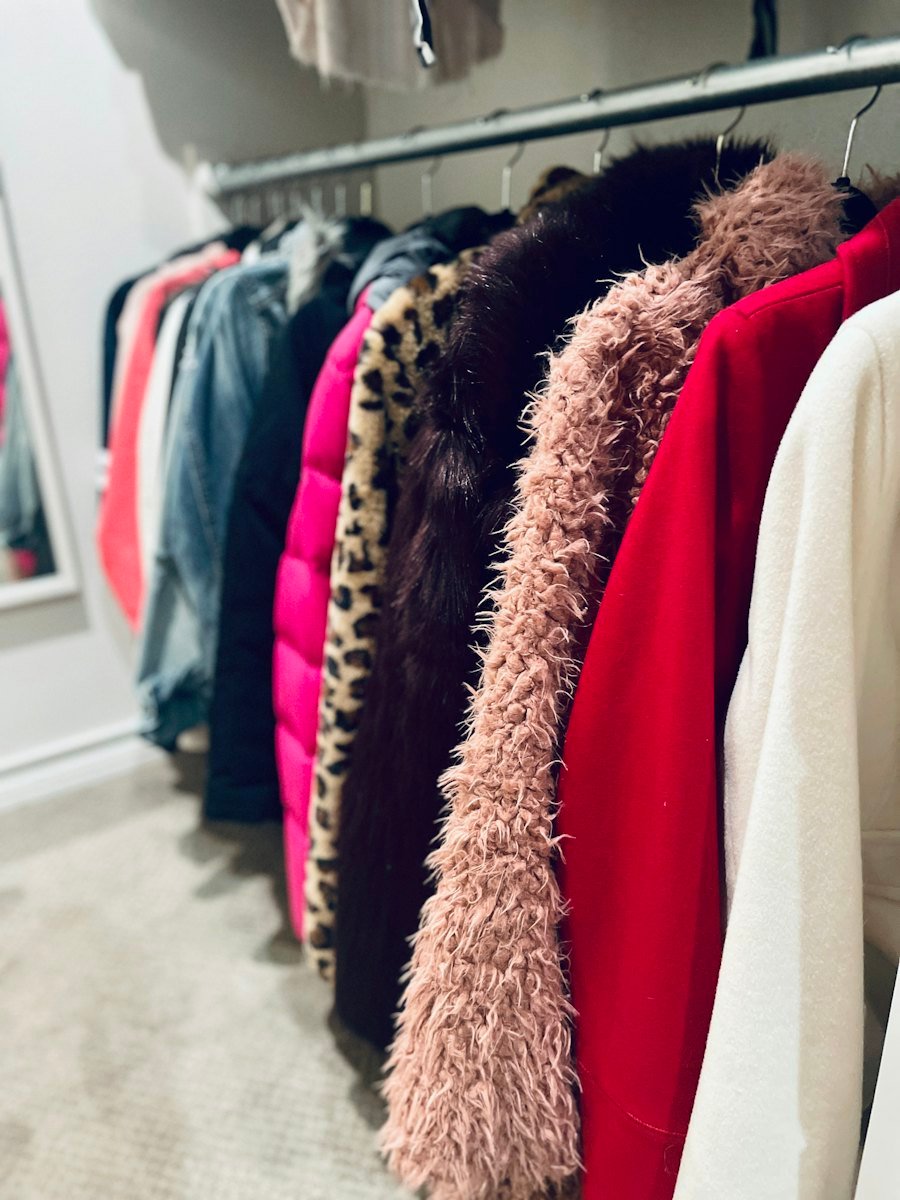
Knit-Based Formulas: Formulas 1 to 4
Knits do the heavy lifting in every winter wardrobe. They are warm, forgiving and the easiest pieces to restyle, because a jumper changes completely depending on what sits underneath it and what goes over it. These four formulas start with the knits you already own and build a different outfit around each one.
Formula 1: The Cream Knit + Dark Denim
Take your lightest knit — cream, oatmeal, soft white — and pair it with your darkest jeans. The contrast is what makes it look intentional rather than thrown together. Half-tuck the front of the jumper so the waistband shows, add a tan or black belt, and finish with ankle boots. It is the simplest formula in this list and the one you will reach for most. On colder days, layer a thin thermal underneath the knit; nobody will know it is there, and the silhouette stays slim. If your cream knit is chunky, keep the jeans straight-legged rather than wide, so the volume sits in one place only.
Formula 2: The Turtleneck Under a Slip Dress
That silky slip dress you wore all summer is not a summer dress. It is a winter layer waiting for a turtleneck. Pull a fine black, cream or burgundy roll-neck underneath, add opaque tights and knee boots, and the dress becomes a completely different garment. The trick is the neckline: a turtleneck fills the gap the dress leaves open, so the outfit reads as winter rather than a summer dress worn in denial. Add a long coat and a simple gold chain, and this is a dinner outfit. Swap the boots for trainers and it is a Saturday outfit. One dress, one turtleneck, two very different days.
Formula 3: The Oversized Sweater + Leather-Look Skirt
An oversized jumper plus a leather-look midi skirt is the winter version of effortless. The softness of the knit against the structure of the skirt gives you shape without tailoring. Tuck the front of the jumper into the skirt, or do a full tuck with a belt if the jumper is fine-gauge. Knee boots keep the line long, and a crossbody bag keeps your hands free. If you do not own a leather-look skirt, the same formula works with a pleated midi or a wool A-line skirt — the point is the contrast between a soft top and a structured bottom.
Formula 4: The Brown Sweatshirt, Dressed Up
Yes, a sweatshirt. The one you wear for school runs and sofa days can absolutely leave the house looking polished. The upgrade is in the pairing: tuck it into tailored trousers or a midi skirt, add a long coat over the top, and swap trainers for loafers or heeled boots. A silk scarf at the neck or a chunky gold hoop lifts it further. Brown is a brilliant winter neutral — warmer than black, easier to pair with camel and cream — so if you own a brown sweatshirt, you own the start of a genuinely chic outfit. The rule is simple: one casual piece per outfit, everything else polished.

Dress-Based Formulas: Formulas 5 to 8
Dresses are the most underused items in a winter wardrobe. We file them under occasion wear and then spend December in jeans. These four formulas treat dresses as everyday winter pieces, because with the right layers underneath and on top, they are warmer and easier than most trouser outfits.
Formula 5: The Shirt Dress + Knee Boots
A shirt dress is a formula in itself: collar, buttons, waist, done. In winter, wear it with thick tights and knee boots, and belt it with a wide leather belt to give it shape. Layer a fine knit over the top and the dress becomes a skirt; wear the knit underneath and it becomes a tunic. A shirt dress in a dark print hides a multitude of sins and looks good with every coat you own. If your shirt dress is sleeveless, a long-sleeve top underneath turns it into a pinafore. Two outfits from one dress, zero shopping.
Formula 6: The Knit Dress + Long Coat
A knit dress with a long coat is the closest thing winter has to a uniform. The dress does the work of a top and a skirt at once, and the coat adds the polish. Keep the proportions simple: a knee-length or midi knit dress, a coat that falls at least to the knee, boots that meet the hem. Add a belt over the coat if you want a waist, or leave it open for a longer line. This is the outfit to reach for on days when you cannot face decisions. It takes ninety seconds to put on and looks like you thought about it for an hour.
Formula 7: The White Dress, Winterized
A white dress in winter feels wrong until you try it properly. The secret is grounding it: dark tights, dark boots, a dark coat. The white becomes a bright panel in the middle of a dark outfit instead of a summer leftover. A white shirt dress works best, but a white knit dress or a white midi with a chunky cardigan works too. Keep the rest of the palette calm — camel, charcoal, chocolate — and let the white do the talking. It is one of the freshest looks in this whole list, and it costs nothing if the dress is already in your wardrobe.

Formula 8: The Midi Dress + Chunky Cardigan
The midi dress plus a chunky cardigan is comfort dressing that still looks put together. The cardigan should hit at the hip or just below, so the dress hem shows underneath. Belt the cardigan if it is open-fronted, or leave it loose over a fitted dress. Ankle boots and a structured bag finish it. This formula is forgiving on every body type because the cardigan skims rather than clings, and the midi length keeps the proportions balanced. It is also the warmest formula in this section — two layers over your whole torso — which matters on the coldest days.
Denim-Based Formulas: Formulas 9 to 12
Denim is the backbone of a shop-your-closet winter. You already own the jeans, the denim jacket and probably a denim shirt. The trick is wearing them like a stylist instead of defaulting to jeans and a jumper every single day. Small changes — a different wash, a tucked shirt, a jacket worn as a layer — make denim feel new again.
Formula 9: White Shirt + Straight-Leg Jeans
A crisp white shirt with straight-leg jeans is a classic for a reason, and it works beautifully in winter with the right layers. Tuck the shirt in fully, add a belt, and throw a long wool coat over the top. The white brightens a grey day and the straight leg balances a chunky boot. On milder days, wear the coat open with a scarf; on freezing days, add a thin knit over the shirt like a vest. White on white — a white shirt with white jeans — is the bolder version, and it looks spectacular with a camel coat. If your white shirt is creased, steam it. This formula lives or dies on the shirt looking fresh.
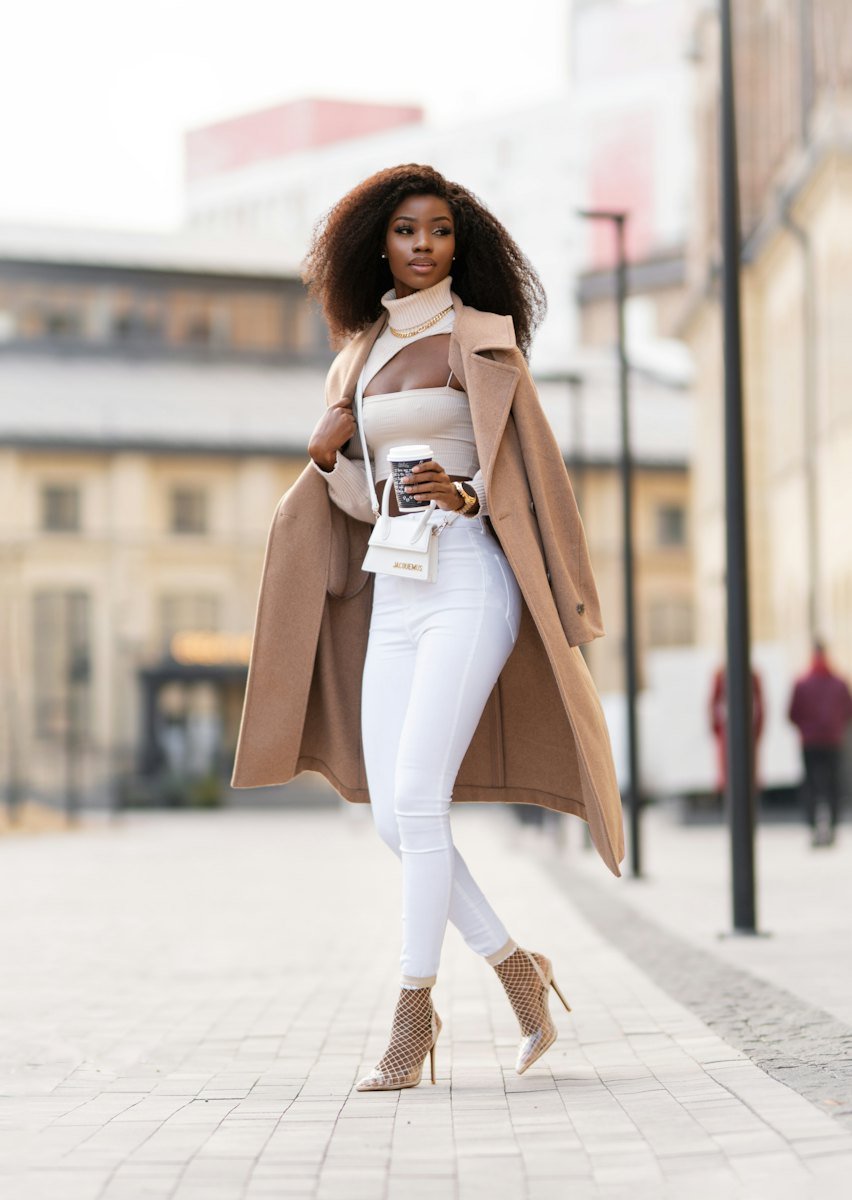
Formula 10: The Denim Jacket Under a Wool Coat
Your denim jacket is not a spring-only piece. Wear it under your wool coat as a mid-layer and it adds warmth, texture and a casual edge to an otherwise formal coat. The denim collar peeking out at the neck is the detail that makes the outfit look considered. Keep the rest simple: a plain knit, dark jeans or tailored trousers, boots. This works best with a slightly oversized wool coat so the denim jacket fits underneath without bunching. Raid the shirt rail while you are at it — a denim shirt under a knit is the same idea, and it uses a piece most of us forget we own.
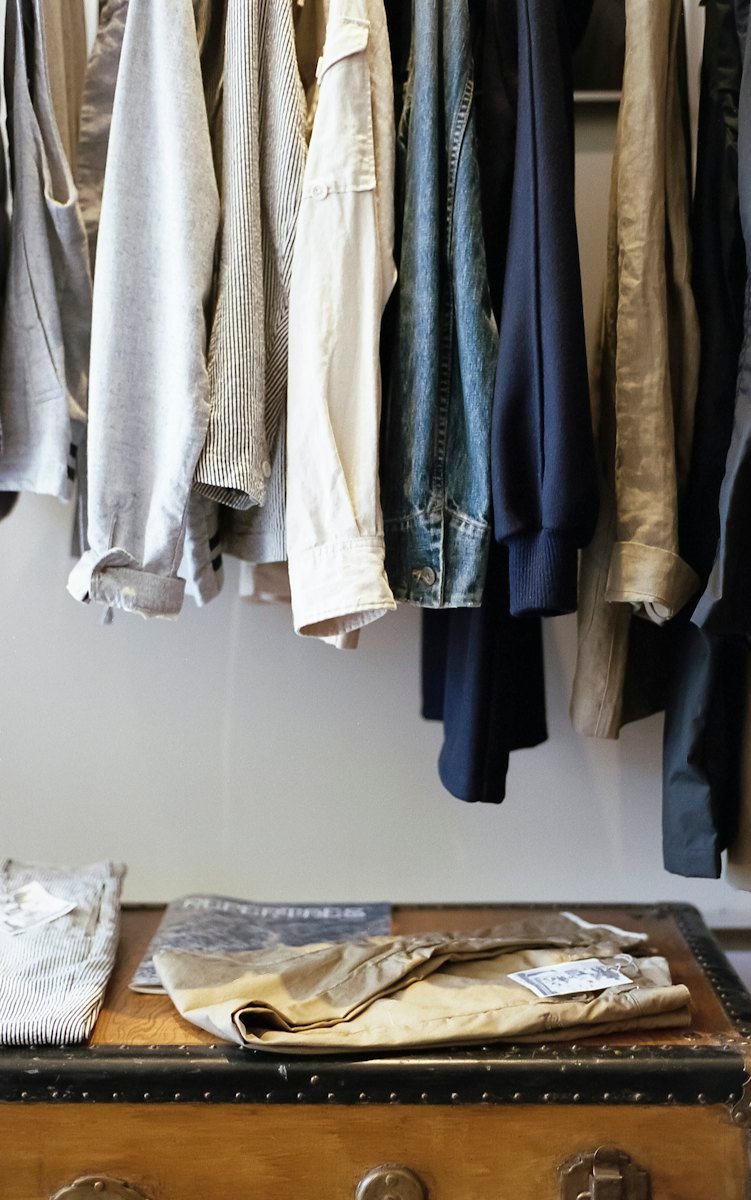
Formula 11: Black Jeans + a Coat That Does the Talking
Some days the coat is the outfit. Black jeans, a plain knit and boots become a canvas, and the coat — camel, burgundy, checked, faux fur — does all the talking. This formula is why a good coat is worth more than five new tops. Keep everything underneath dark and simple so the coat stands out, and let one accessory echo the coat: a scarf in a matching tone, a bag in a complementary colour. If your coat is the statement, your base layer should be quiet. That contrast is what makes the outfit look expensive rather than busy.
Formula 12: The Double-Denim Winter Fix
Double denim works in winter when you break it up. The rule is different washes: dark jeans with a lighter denim shirt or jacket, never the same wash top and bottom. Add a knit over the denim shirt so only the collar and cuffs show, or wear the denim jacket open over a white tee with a long coat on top. A brown belt and tan boots warm the whole thing up. It is a formula that looks relaxed and confident, and it uses pieces you almost certainly already own twice over.
Layering Rescues: Formulas 13 to 16
Layering is where winter outfits fall apart. Too many layers and you look bulky; too few and you freeze. These four formulas are the rescues — the combinations that add warmth without adding visual weight, and that save the outfits you already own when the temperature drops.
Formula 13: The Five-Jacket Rule
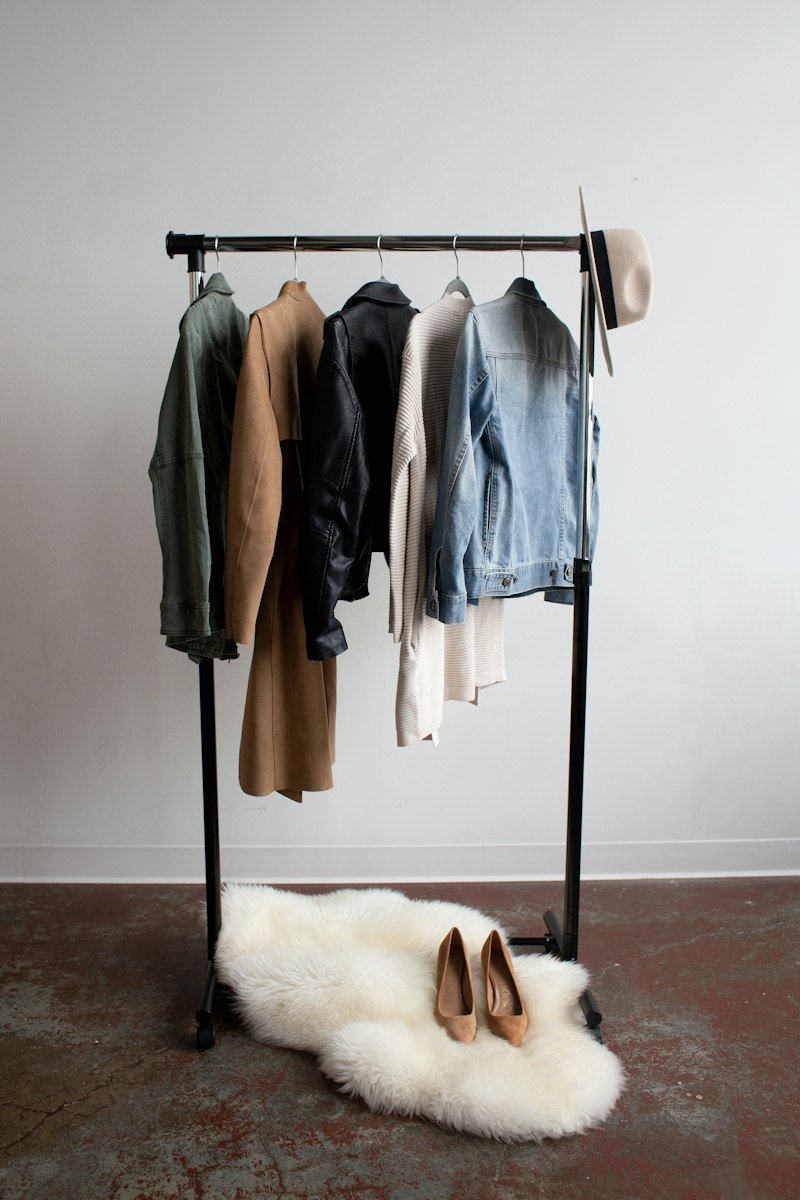
Count the jackets on your rail. Most of us own five or more and wear one. The five-jacket rule is simple: each jacket gets a designated outfit. The denim jacket goes under the wool coat. The leather jacket goes over the knit dress. The blazer goes over the shirt dress. The puffer goes over everything on the coldest days. The trench waits for the milder ones. Assigning each jacket a job stops the daily dithering and makes every jacket earn its place. If a jacket has no job, it belongs in the donation bag, not on the rail.
Formula 14: The Scarf-as-a-Layer Trick
A big scarf is not an accessory. It is a layer. A thick wool scarf worn over a coat adds as much warmth as an extra jumper, and it fills the neckline gap where cold air gets in. Drape it long and loose for a relaxed look, loop it once for warmth, or belt it over the coat for a structured silhouette. The scarf-as-a-layer trick rescues coats that are not quite warm enough on their own, which means you can keep wearing the coat you love through the coldest weeks. Choose a scarf in a colour that flatters your face, because it sits right next to it all day.

Formula 15: The Rainy-Day Rescue
Rain ruins more outfits than cold does. The rainy-day rescue is a formula you decide the night before, not the morning of: dark jeans or a dark skirt, waterproof boots, a coat with a hood or a collar that turns up, and a bag you do not mind getting wet. Keep a compact umbrella in that bag permanently. The trick is choosing fabrics that do not show rain — dark wool, leather-look, coated cotton — and avoiding suede and light colours entirely. A rainy-day outfit that still looks good is one of the most satisfying things in winter dressing, because everyone else has given up and you have not.
Formula 16: The One-Coat, Three-Ways Rotation
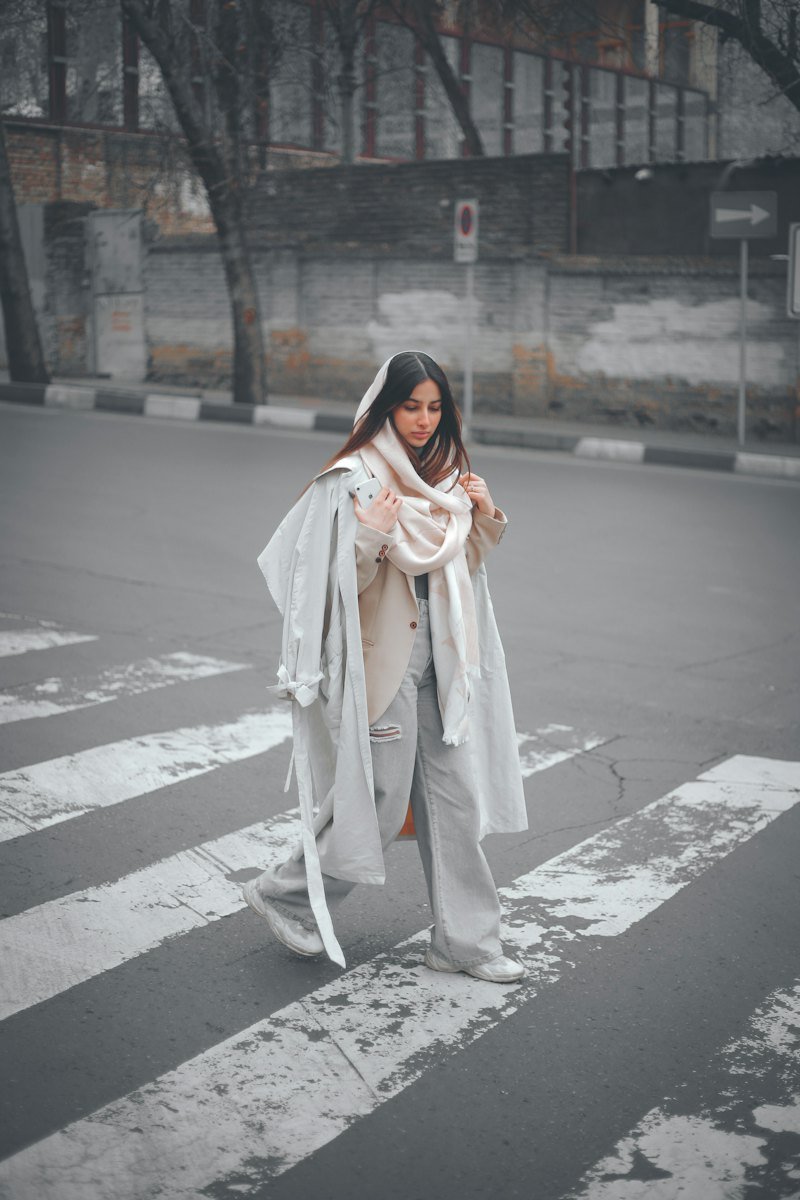
Pick your best coat and wear it three days running with three different outfits underneath. Day one: knit dress and knee boots. Day two: white shirt, straight-leg jeans and loafers. Day three: turtleneck, leather-look skirt and ankle boots. Nobody notices the coat repeating, because the outfit underneath changes the whole look. This is the formula that proves the coat is the hardest-working piece you own, and it is the reason a single beautiful coat beats three mediocre ones. Rotate the accessories too — a different scarf each day — and the repetition becomes invisible.

The Accessory Switchboard: Belt, Scarf, Brooch
Here is the secret that makes all 16 formulas multiply. Accessories are switches, and flipping one changes the outfit. A belt changes the shape. A scarf changes the colour story. A brooch changes the mood. Take any formula above and run it through the switchboard: add a chunky belt over a coat for structure, swap a neutral scarf for a patterned one for personality, pin a brooch to a lapel for polish. One outfit becomes three, and you have not changed a single garment.
The belt is the most powerful switch you own. A wide belt over a coat creates a waist where there was not one. A slim belt over a jumper defines the tuck. A chain belt over a dress adds shine. The scarf is the most versatile: it warms, it colours, it drapes, and it can rescue a plain outfit in ten seconds. And the brooch — the most underrated piece in the drawer — turns a plain coat into a considered outfit. Pin it at the collar, on a lapel, or at the waist of a wrap dress. If you want to build a small, deliberate set of these finishers, the classic capsule wardrobe essentials guide shows how timeless pieces work together, and a good belt, scarf and brooch are the first three finishers on that list.
Your Shop Your Closet Winter Outfit Formulas Cheat Sheet
Pin this list to your wardrobe door, or save it on your phone for the mornings when your brain has not woken up yet.
- Formula 1: Cream knit + dark denim, half-tucked.
- Formula 2: Turtleneck under a slip dress, opaque tights, knee boots.
- Formula 3: Oversized sweater + leather-look skirt, front-tucked.
- Formula 4: Brown sweatshirt tucked into tailored trousers, long coat, loafers.
- Formula 5: Shirt dress + knee boots, wide belt.
- Formula 6: Knit dress + long coat, boots that meet the hem.
- Formula 7: White dress grounded with dark tights, dark boots, dark coat.
- Formula 8: Midi dress + chunky cardigan, ankle boots.
- Formula 9: White shirt + straight-leg jeans, long wool coat.
- Formula 10: Denim jacket under a wool coat.
- Formula 11: Black jeans + plain knit + statement coat.
- Formula 12: Double denim in different washes, broken up with a knit.
- Formula 13: Five jackets, five designated outfits.
- Formula 14: Big scarf worn as a layer over the coat.
- Formula 15: Rainy-day rescue — dark fabrics, waterproof boots, hood.
- Formula 16: One coat, three different outfits underneath.
How to Plan Your Two-Week Rotation
Sixteen formulas is a lot to hold in your head on a Monday morning, so turn them into a rotation. The simplest way is to assign the formulas to the days they suit best. Knit-based formulas are your workhorses for office days and school runs, because they are warm and fast. Dress-based formulas suit the days you want to feel a little more polished, or the days when you have plans after work. Denim-based formulas are your weekend default, and the layering rescues are the ones you pull out when the weather turns or the heating breaks.
Write the rotation on a card and stick it inside your wardrobe door. Spreading the 16 formulas across a fortnight is one way, but honestly, the exact order matters less than the habit. The point is that you never stand in front of the rail wondering. You look at the card, you see formula 6, and you know exactly what to pull out. Decision fatigue is the real reason most of us wear the same three outfits, and a rotation removes it entirely.
Build laundry into the plan too. Winter layers are bulky, and a fortnight of knits fills a machine fast. Pick one evening a week — Sunday works for most people — to wash the knits and press the shirts, so Monday starts with a full rail. And keep a small hook by the door for tomorrow’s outfit. Laying it out the night before takes two minutes and saves ten the next morning, which on a dark winter morning is the difference between a formula and a panic.
FAQ
Do I really not need to buy anything new to shop your closet for winter?
Really. These formulas were written for the wardrobe you already have. The only thing you might need is not a purchase but a decision: which pieces you actually wear, and which ones are just taking up rail space. If a formula calls for something you do not own — a leather-look skirt, say — swap in the closest thing you do own. A pleated midi or a wool A-line skirt does the same job. The formula is the idea; your wardrobe supplies the ingredients.
What if my wardrobe is mostly summer clothes?
Then the layering formulas are your best friends. A summer slip dress becomes a winter dress with a turtleneck underneath. A linen shirt becomes a layer under a knit. A cotton midi skirt works with thick tights, knee boots and a long coat. The pieces do not know what season they belong to — only the styling does. Add a thermal base layer underneath anything and you gain a whole season of wear from clothes you thought were packed away.
How do I stop the formulas from looking samey?
Use the accessory switchboard. Same formula, different belt, different scarf, different brooch, and the outfit reads differently. Also rotate your coats and your boots, because those are the pieces people notice first. And do not wear the same formula two days running — with 16 in the bank, you can go more than two working weeks without repeating one. Variety is a system, not a shopping trip.
Save the Formula Sheet
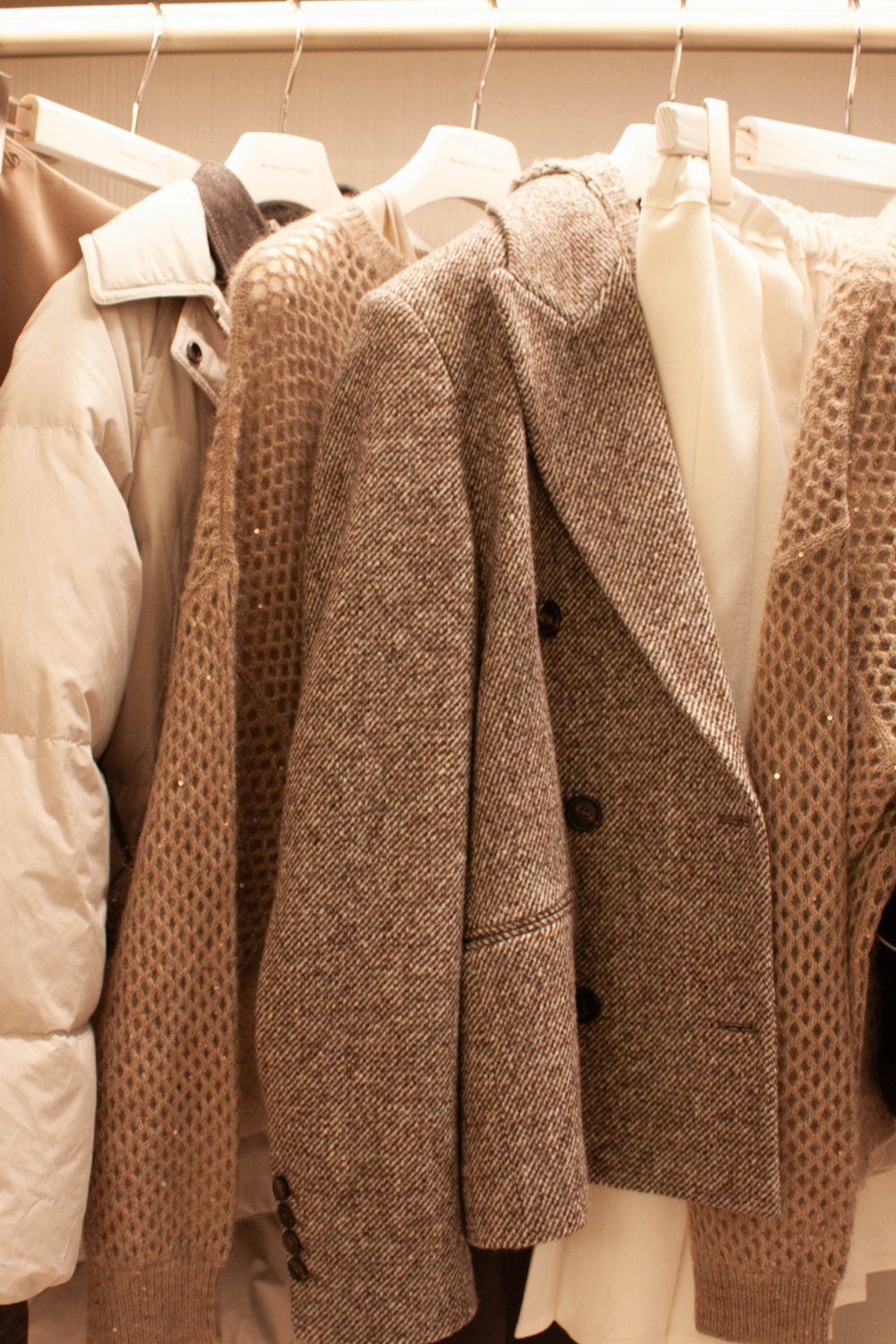
If this list saved you a morning, save the list. Pin the image below to your winter outfits board so the formulas are there when you need them, and share it with a friend who keeps saying she has nothing to wear.

Want a caption for your own pin? Make one in seconds with our free Pinterest Caption Generator.
Your wardrobe has been ready all along. It just needed a system. Work through these 16 winter outfit formulas from the clothes you already own, and the coldest months become the easiest ones to dress for. For more timeless outfit ideas every week, follow Nova Fashion on Pinterest at pinterest.com/novafashion3 — and tell us in the comments which formula you tried first.
Pingback: How to Layer Winter Outfits Without Looking Bulky: 8 Proportion Rules Nova Fashion
Pingback: The Winter Accessories Capsule: 8 Timeless Pieces That Lift Every Outfit Nova Fashion