
The 60s flick is back — and this time it is a styling trick, not a haircut. A flipped bob is not a cut you ask for. It is a finish you put on the bob you already have: the ends turned outward, away from the face, so the hair kicks up at the jaw instead of tucking under. The effect is instant lift, instant movement, and a shape that looks deliberate even when it took five minutes. This guide covers flipped bob hairstyle ideas for winter — thirteen looks, the tools that make the flip (round brush, flat iron, or rollers), how the flip changes with bob length, and how to make it last in damp air. No new cut required. Just the bob you have, finished the 60s way.
The flip works because it breaks the line. A bob that tucks under is a closed shape: the ends curve in, the silhouette is neat, and the face is framed. A bob that flips out is an open shape: the ends kick away from the face, the jaw is exposed, and the hair looks like it is moving even when it is still. That openness is why the flip suits winter: under a coat and a scarf, a tucked-under bob disappears; a flipped bob holds its shape and shows above the collar. It is also why the flip photographs so well — the kicked-out ends catch the light, and the shape reads as intentional from every angle. The 60s knew this. The flick was the signature finish of the decade, and it is back because it solves the same problem it solved then: how to make a bob look finished without making it look stiff.
What ‘Flipped’ Actually Means
Flipped means the ends turn outward, away from the face and neck. On a bob, that means the last inch of hair kicks up and out at the jaw, instead of curling under toward the chin. The flip is a direction, not a curl: the ends are bent, not rolled, so the shape is a kick rather than a wave. That distinction matters, because the tools and the technique are different. A curl wraps the hair around a barrel; a flip bends the ends over a brush or a flat iron and lets them spring outward. The result is a bob with energy at the ends and calm at the crown — the opposite of a blowout, which is volume everywhere. If your bob looks flat at the ends, it is not the cut. It is the finish.
The flip also changes the face. A tucked-under bob frames the face and shortens it; a flipped bob opens the face and lengthens it, because the eye follows the kicked-out ends outward. That is why the flip suits round faces so well, and why it is the finish stylists reach for when a bob needs to look longer without growing it. It is also forgiving: a flip hides uneven ends, because the eye reads the kick, not the line. If your bob is growing out and the ends are starting to look ragged, a flip is the fastest way to make it look deliberate again.
The 13 Flipped Bob Looks to Style This Winter
Thirteen looks, grouped by mood. Three are the 60s originals — the shapes the decade invented. Three are the everyday versions, for work and weekends. Three are the party flips, for when the bob needs to be the statement. And four are the length and texture variations, for bobs that are growing out or worn with a fringe. Every one of them is a styling finish, not a cut — you can do all thirteen on the same bob, in the same week, with the tools you already own. Pick by the occasion, not by the photo.
The Classic 60s Flip
1. The classic 60s flip. Chin-length bob, ends flipped out with a round brush, crown smooth and high. The flip is strong — the ends kick out at a clear angle — and the crown is teased just enough to balance it. This is the look the decade is named for, and it is still the most striking. Say: ‘classic 60s flip, strong kick, smooth crown.’
2. The soft 60s flip. The same shape with a gentler kick: the ends turn out, but only just, so the flip reads as movement rather than a statement. This is the 60s flip for people who do not want to look like they are wearing a costume. Say: ‘soft 60s flip, gentle kick, natural crown.’
3. The 60s flip with volume. The flip plus a high, teased crown and a deep side part. The volume at the top balances the kick at the bottom, so the shape is an hourglass: wide at the crown, narrow at the cheek, wide again at the ends. Say: ’60s flip with volume, high crown, deep side part.’
The Soft Everyday Flip
4. The soft everyday flip. The flip you wear to work: ends turned out with a flat iron, just the last inch, so the kick is there but quiet. It takes three minutes and survives a coat, a scarf, and a commute. Say: ‘soft everyday flip, flat iron, last inch only.’
5. The everyday flip with curtain bangs. Curtain bangs that fall to the cheekbone, with the bob ends flipped out beneath them. The bangs soften the face and the flip gives the shape movement, so the whole look reads as effortless. Say: ‘everyday flip with curtain bangs.’
6. The everyday flip with a side part. A deep side part, the longer side flipped out, the shorter side tucked behind the ear. The asymmetry makes the flip look intentional, and the tuck keeps it practical. Say: ‘side part, longer side flipped, shorter side tucked.’
The Party Flip
7. The party flip. A strong flip with shine: the ends kicked out and polished with a serum, so they catch the light. This is the flip for evenings, and it is the one that photographs best. Say: ‘party flip, strong kick, high shine.’
8. The party flip with crown volume. The party flip plus volume at the crown — teased and smoothed, so the shape is dramatic from every angle. Say: ‘party flip with crown volume.’
9. The party flip with a deep side sweep. The hair swept to one side, the ends flipped out, the sweep held with a pin. The sweep adds drama and the flip adds movement. Say: ‘deep side sweep, ends flipped, pinned.’
The Flipped Lob and Variations
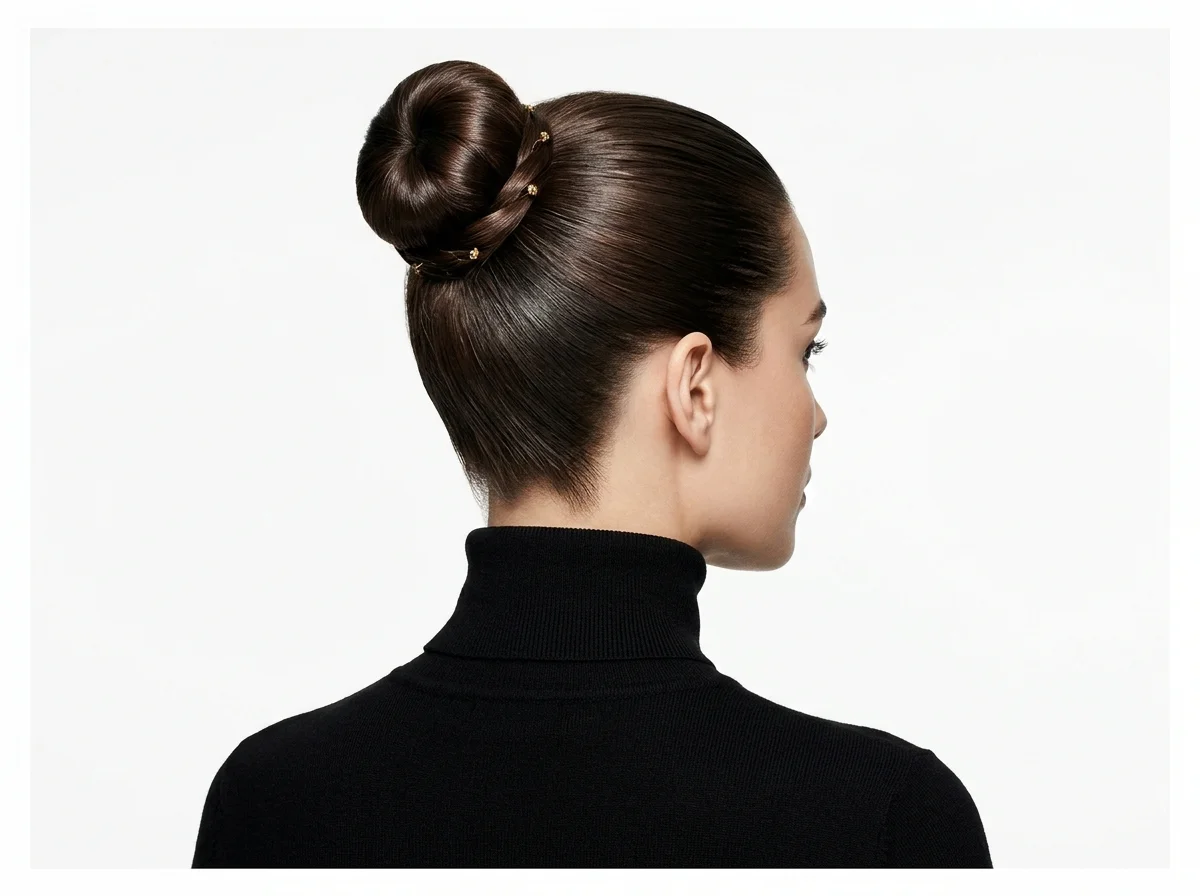
10. The flipped lob. The same flip on a longer bob — the ends kick out at the collarbone instead of the jaw. The longer length makes the flip softer and the shape more relaxed. Say: ‘flipped lob, ends at the collarbone.’
11. The sleek flipped bob. The crown and sides smoothed flat, the ends flipped out. The contrast between the sleek top and the kicked ends is what makes this one striking. Say: ‘sleek top, flipped ends.’
12. The wavy flipped bob. Waves through the lengths, ends flipped out. The waves give the flip something to sit on, so it lasts longer. Say: ‘wavy lengths, flipped ends.’
13. The flipped bob with a full fringe. A straight fringe at the brow, bob ends flipped out. The fringe adds weight at the front and the flip adds movement at the sides. Say: ‘full fringe, flipped ends.’
Tools: Round Brush vs Flat Iron vs Rollers
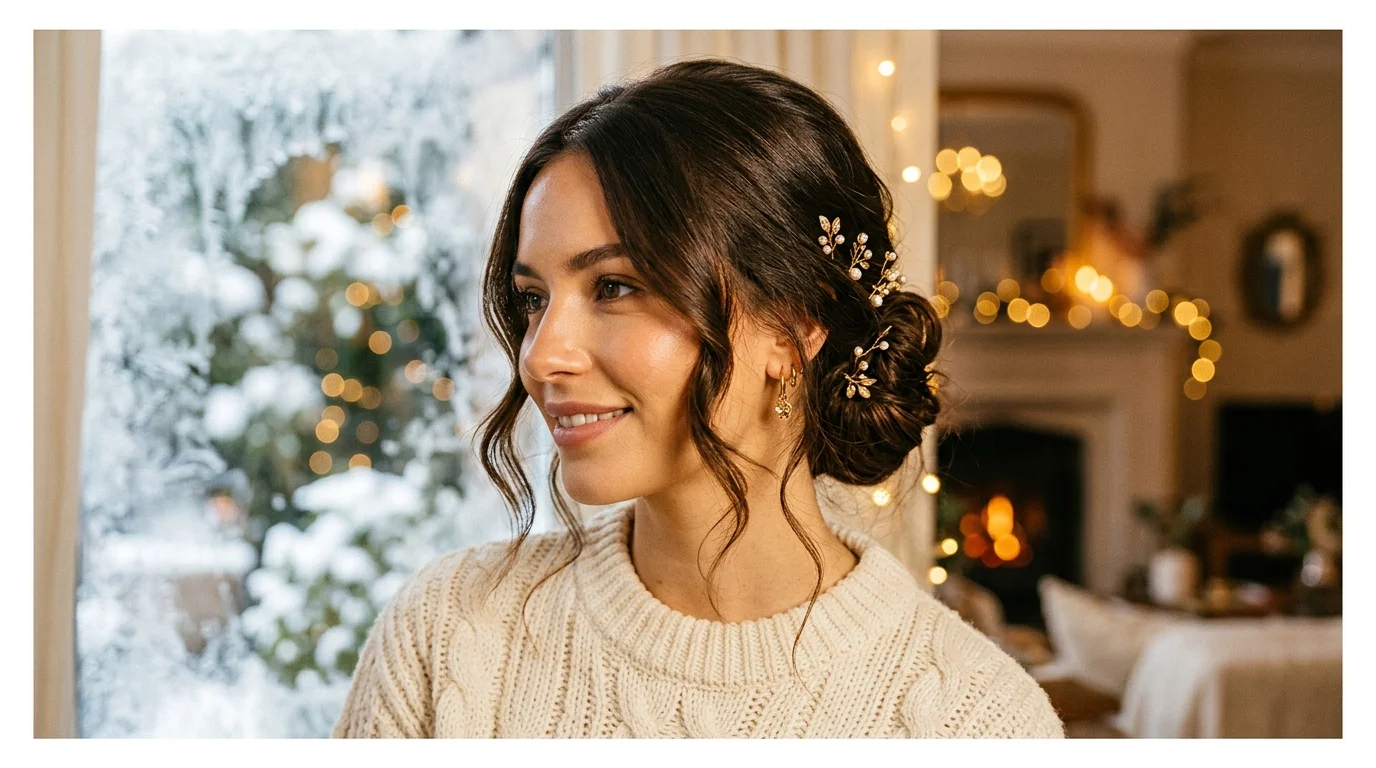
Three tools, three flips. The round brush is the classic: wrap the ends around the brush, roll outward, and blast with heat. It gives the strongest kick and the most volume, and it is the best tool if your hair is thick or heavy. The flat iron is the fastest: clamp the last inch, bend the iron outward, and glide. It gives a softer, sleeker flip, and it is the best tool for everyday — three minutes, no brush, no dryer. Rollers are the gentlest: large rollers at the ends, rolled outward, left to cool. They give the softest flip and the longest hold, and they are the best tool for fine hair that goes flat with heat. The rule is simple: thick hair, round brush; everyday, flat iron; fine hair, rollers. And whatever the tool, the flip only holds if the ends are dry and the hair is cool before you let go — heat shapes, cold sets.
The two mistakes everyone makes are flipping wet hair and using too much product. Wet hair will not hold a flip: the bend relaxes as the water evaporates, and you end up with a wave instead of a kick. Always flip on fully dry hair, even if that means a quick rough-dry first. And product belongs on the ends before the flip — a pea-sized amount of styling cream — not after it. Spray after the flip is for hold, not for shaping: a light mist, from a distance, so the ends stay light. Heavy product on the ends pulls the flip down, which is exactly the opposite of what you want.
Flip by Bob Length
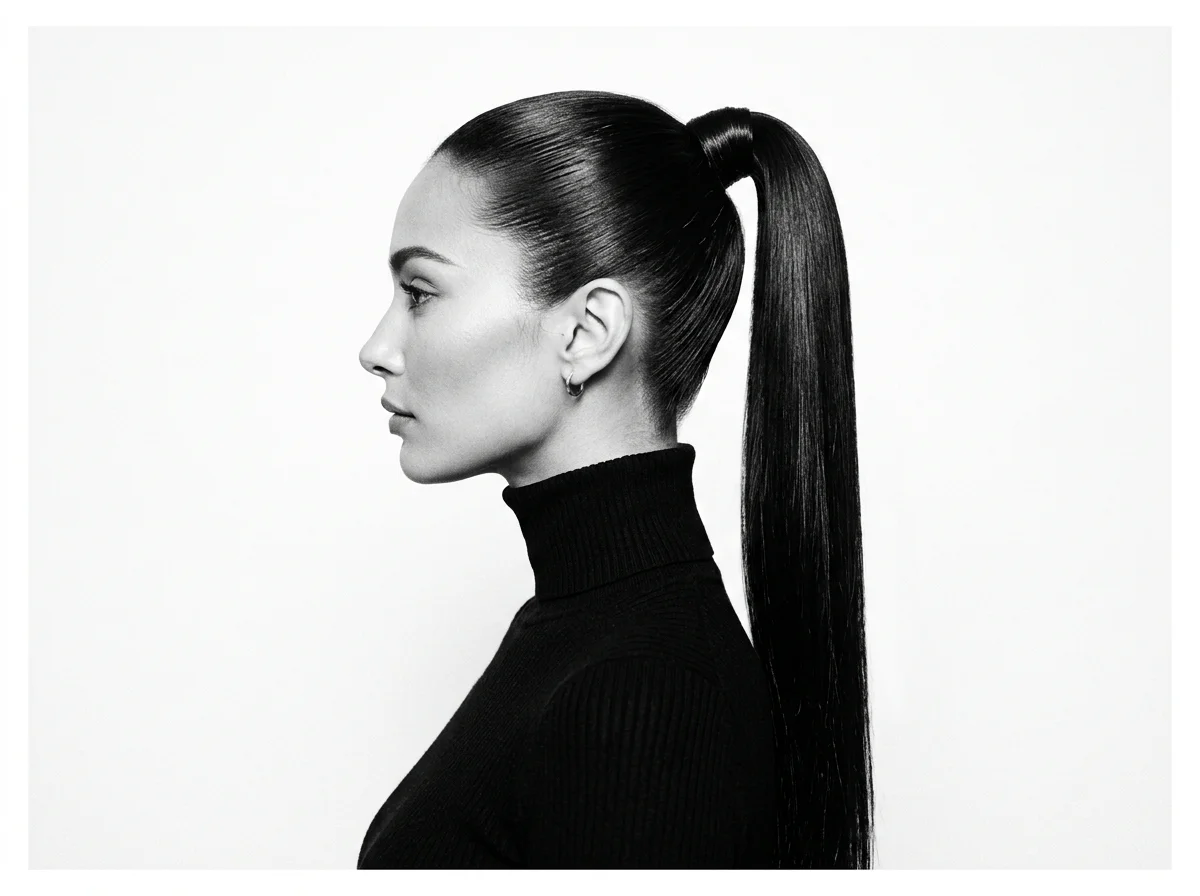
The flip changes with length, because the kick has further to travel. On a chin-length bob, the flip is short and sharp — the ends kick out at the jaw and the shape is all angles. On a jaw-length bob, the flip is the classic: the ends kick at the cheekbone and the shape is balanced. On a lob, the flip is long and soft — the ends kick at the collarbone and the shape is relaxed. The shorter the bob, the stronger the flip reads; the longer the bob, the softer it reads. That means the same technique gives you a different look at every length, and it means a growing-out bob does not need a new technique — it just needs the same flip, done a little softer. If your bob is between lengths, flip the ends and let the crown stay smooth: the contrast carries the shape.
Parties vs Everyday
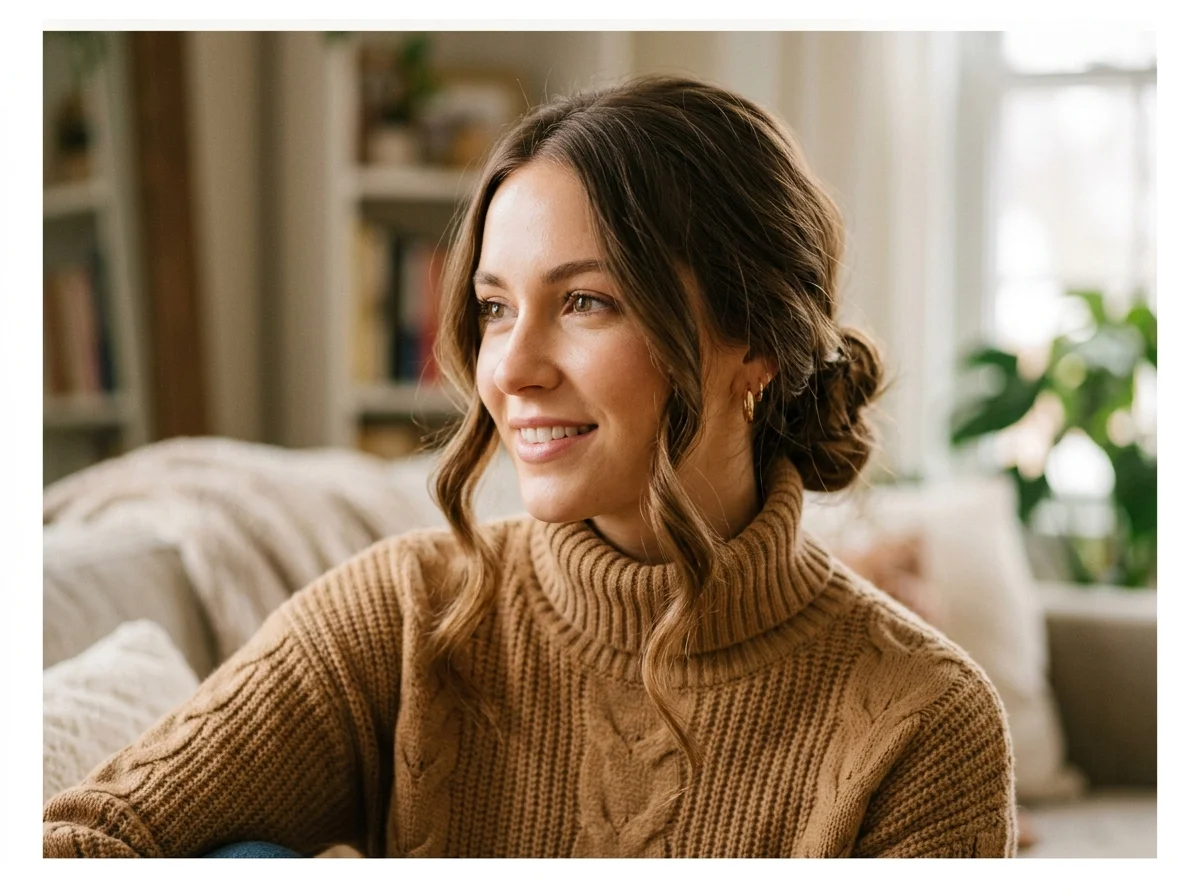
The difference between a party flip and an everyday flip is not the technique. It is the finish. An everyday flip is matte and quiet: the ends kicked out, no shine, no volume, just movement. A party flip is polished: the ends kicked out and smoothed with serum, the crown given volume, the shape set with spray. The everyday flip takes three minutes and survives a commute. The party flip takes fifteen and survives a dance floor. The smart move is to learn the everyday flip first — it is the same motion, done softer — and then add the polish when the occasion calls for it. One technique, two finishes, and the bob does the rest.
Making the Flick Last in Damp Air
Damp air is the flip’s enemy. Moisture relaxes the bend, and a flip that took five minutes can fall flat in twenty. The fix is in the order: shape the flip on fully dry hair, set it with a cool shot from the dryer, and finish with a light-hold spray — not a strong one, which weighs the ends down. On damp days, add a pea-sized amount of styling cream to the ends before you flip: it gives the hair something to hold onto. And carry a travel flat iron: a ten-second touch-up at the ends revives a fallen flip faster than any product. The other trick is the parting: a flip holds longer on a side part than a centre part, because the hair has further to fall. If the forecast is rain, part to the side.
The other half of the battle is the setting. A flip set on hot hair falls as it cools, because the bend was never locked in. After you flip each section, hold it in place for three seconds while it cools — a cool shot from the dryer, or just your hand holding the ends out while they cool. Work in sections, not all at once: clip the top layers up, flip the bottom layer, then let the top down and flip it. Sectioning takes two extra minutes and doubles the hold, because each layer sets on its own instead of fighting the layers above it. And on the dampest days, accept a softer flip: a gentle kick that lasts beats a strong kick that falls in twenty minutes. The flip is a finish, not a fight with the weather.
The Flipped Bob on Thick, Fine and Curly Hair
Thick hair flips easily and holds well — the density gives the kick something to stand on. Use a round brush and a strong kick; thick hair can take it. Fine hair flips easily too, but the flip falls fast — use rollers and a light spray, and flip the ends a little stronger than you want, because fine hair relaxes. Curly hair does not need a flip: the curls already kick out. If you have curly hair and want the flipped look, smooth the ends with a flat iron and bend them outward — just the ends, not the lengths. The flip is a finish for straight and wavy hair; on curly hair it is a detail, not a shape.
The other difference is the tool. Thick hair needs the round brush, because only a brush gives a strong enough kick through dense hair. Fine hair needs rollers, because heat alone will not hold a flip on hair with no weight to it. Curly hair needs the flat iron on the ends only — never the lengths, or you lose the curl that makes the shape. And whatever your hair type, the flip works best on a bob that is freshly cut: ends that are split or frayed will not kick cleanly, because the bend catches on the damage. If your flip is not holding, look at the ends first. A dusting every eight weeks keeps them clean enough to flip.
What to Ask for at the Chair
You do not need a new cut for a flipped bob — but if you are getting a cut anyway, ask for one that flips. The magic words are ‘ends that turn out’: ask your stylist to cut the ends so they sit outward, with the layers graduated so the flip has somewhere to go. A blunt bob flips too, but a layered bob flips better, because the layers give the ends movement. And if your bob is growing out, ask for the ends to be dusted, not reshaped — a dusting keeps the flip, a reshape can take it away. Bring a photo of the flip you want, not the cut: the photo shows the finish, and the finish is the point.
And if you already have the bob and only want the finish, say so: ‘I want the flipped finish, not a new cut.’ A good stylist will show you the flip on your own hair before you leave, so you can do it at home. Ask them to do one side and let you do the other — that is how you learn the motion, and it is how you know the flip will survive the week.
The Flipped Bob vs the French Bob
The obvious comparison is with our French bob with wispy bangs guide. The French bob is a cut: short, blunt, with bangs, worn tucked under. The flipped bob is a finish: any bob, ends turned out. The French bob is precise and Parisian; the flipped bob is playful and 60s. They suit different moods, and the same head of hair can wear both — a French bob on Monday, flipped on Friday. If you want the cut, read the French bob guide. If you want the finish, you are already here. And for the party season, the holiday hairstyles guide has the updos and party looks to pair with the flip.
Frequently Asked Questions
Will a flipped bob suit a round face?
Yes — the flip is one of the best finishes for a round face, because the kicked-out ends open the face and lengthen it. A tucked-under bob frames a round face and shortens it; a flipped bob does the opposite. Pair it with a side part for the longest effect, and keep the crown smooth rather than teased, so the length comes from the flip and not from height.
How do I flip the ends without heat?
Rollers. Large rollers at the ends, rolled outward, left to cool for twenty minutes. The flip is softer than a heat flip, but it holds, and it is the best option for fine hair or for days when you want to skip the heat. For a stronger no-heat flip, set the rollers on damp hair and let it dry fully before you take them out.
How long does the flip last?
A heat flip lasts all day on thick hair and about half a day on fine hair. A roller flip lasts longer on fine hair. In damp air, expect less — carry a travel flat iron for a ten-second touch-up at the ends. The flip always lasts longer on a freshly washed bob than on second-day hair, because clean ends bend more cleanly.
Can I flip a bob that has layers?
Yes — a layered bob flips better than a blunt one, because the layers give the ends movement. The flip works on every layer, so the shape has depth. A blunt bob flips too, but the kick is a single line; a layered bob flips in tiers, and the tiers are what make the shape look expensive.
Save Your Version for Your Stylist
Save your version — the flip is a finish, and the photo you show is the one you get. Pin the look that matches your occasion, not just the prettiest photo, and bring it to the chair.

Follow Nova Fashion on Pinterest for more hair ideas, and try the Pinterest caption generator to write the perfect caption for your pin.
Conclusion
The 60s flick is back because it never really left. It is a styling trick, not a haircut: the ends turned outward, the face opened, the bob given movement in five minutes. Thirteen looks, three tools, one rule — heat shapes, cold sets. Try the soft everyday flip first, and the party flip when the occasion calls for it. The flip is the cheapest update in hair: no cut, no colour, no appointment — just the ends, turned outward. Learn the everyday flip, keep a travel iron in your bag, and let the bob do the rest. Winter is the season the flip was made for: coats, scarves, and a shape that holds above the collar. Try it tomorrow morning. Five minutes, one flat iron, and the 60s all over again. And if the flip makes you want the cut to match, the short layered bob for thick hair guide is waiting.