
Some coats keep you warm. A cape coat does something else entirely: it changes the way you walk into a room. If you have been looking for cape coat outfit ideas for women in winter, here is the good news first: the cape is back, and it is far more wearable than it looks. Part coat, part main character, it turns an ordinary winter outfit into something people remember, and it does it without asking you to be cold, uncomfortable or dressed up like a character from a period drama.
The fear with a cape is always the same, that it will look like a costume, that it will be impractical, or that you will not know what to do with your arms, your bag or your sleeves. Those are fair worries, and every one of them has a practical answer. A cape works when the length is right for your height, when what you wear underneath is slim enough to disappear, and when the rest of the outfit is deliberately ordinary. Get those three things right and the cape stops being a statement piece and starts being a coat you reach for.
This guide gives you 12 poetcore ways to wear a cape coat this winter, built on the five things that matter most: cape lengths and who they flatter, what fits underneath, the bag problem, boots and trousers, and how to wear a cape in the daytime without the costume feel. Read it once, pick the length that suits you, and then let the cape do the talking.
1. Cape Lengths and Who They Flatter

A cape is almost all silhouette, so length is the decision that matters most. A hip-length cape ends where a jacket ends, and it is the easiest length to wear because it behaves like the coats you already own. A knee-length cape is the most versatile, long enough to feel dramatic and short enough to sit down in. A full-length cape, falling to the ankle, is pure theatre, and it needs the rest of the outfit to stay quiet so the length can do the work.
The rule of thumb is simple: the cape should end at a point your eye already likes, the hip bone, just above the knee, or the ankle. If you are under five foot four, a mid-calf cape can cut your leg line in half, so choose a shorter length or a narrow, straight-cut cape instead. Taller women can carry a full-length cape without it swallowing them, and a longer cape on a taller frame looks intentional rather than overwhelming. Stand in front of a mirror with the cape on and check the hem against your boots: if the line feels broken, the length is wrong, not the cape.
2. Short Capes: The Easiest Way In
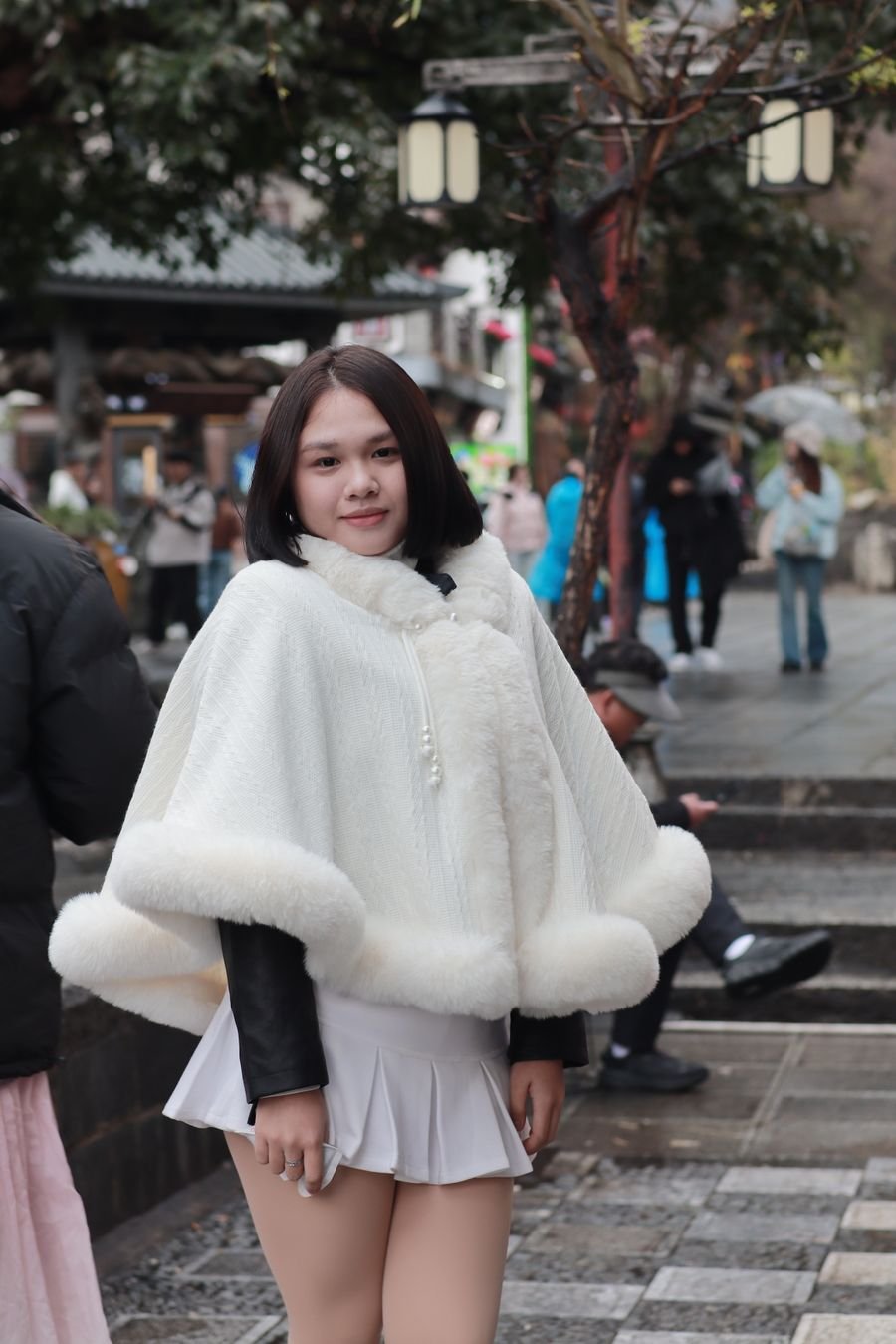
If you have never worn a cape, start short. A hip-length cape over jeans and ankle boots reads as a jacket with better manners, and nobody will look twice at it in the supermarket, which is exactly the point. The proportions stay close to what you already wear, so it feels easy on day one, and you can work out whether you like the freedom of the open sides before you commit to a longer length.
Short capes are also the best choice over a chunky knit, because there is less fabric to fight. Wear one over a roll neck and straight-leg jeans, add a pair of knee boots, and you have a winter outfit that took about ninety seconds to put together. The one thing to watch is the shoulder: a short cape with a stiff, structured shoulder can look boxy, so look for a soft shoulder or a cape that drapes from the neck rather than sitting on a frame.
3. Mid-Length Capes: The Sweet Spot for Most Women
The knee-length cape is the sweet spot, and it is the length to buy if you only buy one. It covers the hips, it sits happily over a dress or trousers without swallowing them, and it keeps your coat from fighting your bag in the way a longer cape sometimes does. It is long enough to feel like a proper winter coat on a cold morning and short enough to get into a car without gathering up armfuls of fabric.
This length works with almost everything underneath: knee boots, ankle boots, loafers with thick socks, even trainers on a dry day. The one caution is the flare. A mid-length cape with a very wide A-line can widen the hips visually, which is flattering on some figures and frustrating on others, so look for a gentle flare that skims rather than balloons. If you can walk in it without the hem swinging wide at every step, you have found the right cut.
4. Full-Length Capes: Pure Drama, Done Right
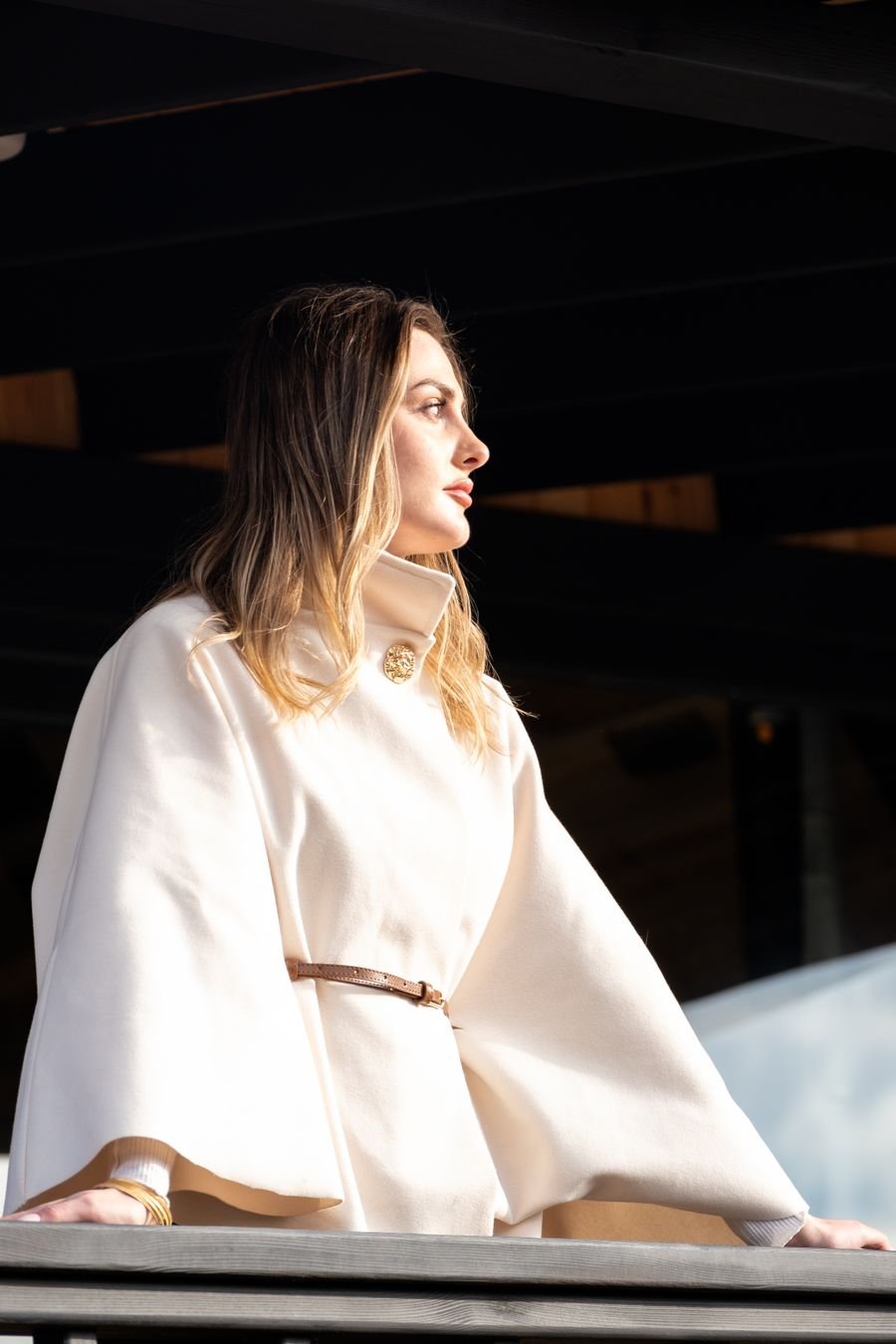
An ankle-length cape is the one people remember. It is the coat for an evening out, a winter wedding, a long walk down a cold street when you want the walk to feel like something. The trick is keeping everything underneath slim, so the cape is the only volume in the outfit. A slim dress or narrow trousers, a fitted knit, and boots that disappear under the hem: that is the whole formula, and it works because the cape gets to be the star without competition.
Fabric matters more at full length than at any other. Choose wool, a wool blend or a lined crepe with real weight, so the cape hangs instead of flapping in the wind. A light, unlined cape at ankle length will catch every gust and wrap itself around your legs, which is dramatic in the wrong way. Keep the hem off wet ground, and if the cape has a closure, use it: a full-length cape worn closed reads as a gown, and worn open it reads as a grand entrance.
5. What Fits Underneath: The Sleeve Rules
The single most common cape mistake is the sleeve. A cape has no sleeves of its own, so what you wear underneath is the whole arm story, and it is where a good cape outfit is won or lost. Slim sleeves work best: a fitted knit, a slim blazer, a shirt with the cuffs showing just at the wrist. The arm stays a clean line, and the cape hangs the way it was designed to hang.
Wide, blousy sleeves bunch under a cape and push it out at the shoulders, which is how a cape starts to look like a tent. If your knit is chunky, choose a cape with a wider cut or a split at the side that gives the arms somewhere to go. The other option is to let the sleeves be part of the look: a slim leather glove and a fitted knit cuff at the wrist are the finishing touches that make the whole thing feel deliberate rather than accidental.
6. The Turtleneck Under a Cape: A Poetcore Pairing

If there is one pairing that defines poetcore, it is a turtleneck under a cape. The high neck fills the open neckline of the cape, the knit adds warmth without bulk, and the whole look reads like a character from a novel, the kind of person who reads on trains and writes in the margins. It is the easiest way to make a cape feel intentional rather than decorative, because the turtleneck gives the outfit a centre.
Choose a fine or medium knit in cream, charcoal or black, and keep it fitted rather than oversized. A cream turtleneck under a camel cape is the classic; a black turtleneck under a burgundy cape is the moody one. For more ideas on building the look around the knit itself, see our guide to Turtleneck Outfit Ideas for Winter, which covers the same high-neck formula in nineteen different ways.
7. The Bag Problem, Solved: How to Carry a Bag With a Cape
A cape and a shoulder bag are natural enemies. The strap slides off the sloping shoulder, the bag bumps against the flare of the cape, and after ten minutes you are holding the bag in your hand like a parcel. It is the complaint every first-time cape wearer makes, and it has three good solutions, so you never have to choose between the cape and carrying your things.
First, a crossbody bag worn under the cape, with the strap across your chest and the bag itself at your hip, hidden by the fabric but reachable through the side opening. Second, a top-handle bag carried in the hand, which is the most elegant answer and the one that suits a full-length cape best. Third, a small backpack, which sounds practical and is practical, though it works better with a short cape than a long one. Pick one, commit to it, and stop trying to make a shoulder bag behave under a cape, because it will not.
8. With Boots: The Grounding That Makes a Cape Wearable

A cape floats, so the outfit needs something solid at the bottom, and that something is boots. Knee boots are the classic answer, because they fill the space under the hem and give the leg a long, clean line. They are the right partner for a mid-length cape in particular, where the boot and the cape meet at the knee in a way that looks finished rather than accidental.
Ankle boots work best with shorter capes, where you can see the whole boot and the outfit stays balanced. Keep the heel low and steady, a small block heel rather than a stiletto, because winter pavements are not the place for a careful walk. And avoid very chunky soles with a full-length cape: the heavy boot and the floating cape fight each other, and the outfit ends up looking like two different ideas at once.
9. With Trousers: The Smartest Cape Outfit There Is
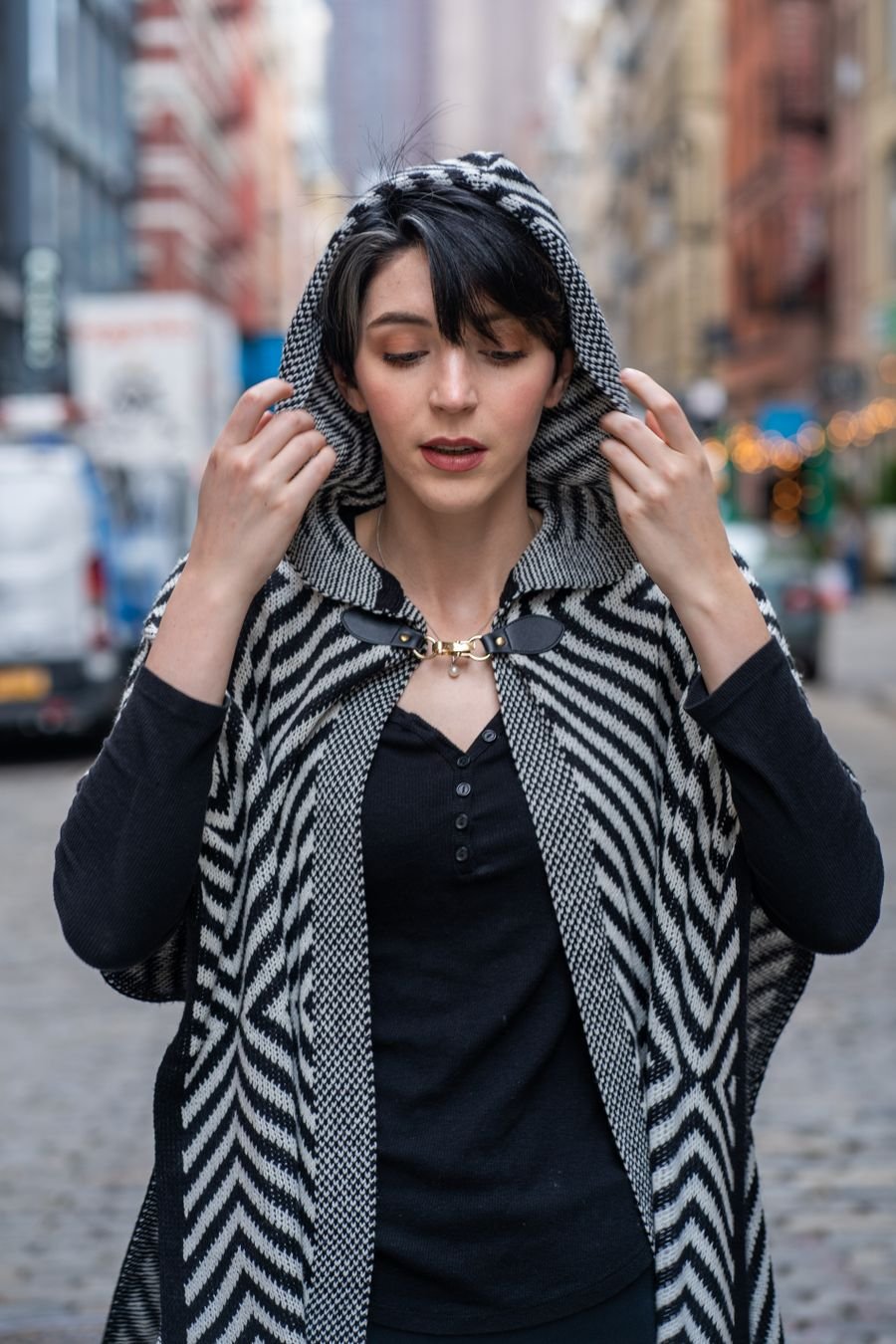
Trousers are the cape’s most practical partner, and the combination is the smartest cape outfit there is. Straight-leg or slim trousers keep the line clean underneath the flare, and the whole outfit stays warm, walkable and easy to sit in. It is the cape outfit for a day when you have things to do, not just places to be seen, which is most days.
The formula is simple: slim black trousers, a fine knit, a mid-length cape, knee boots. For work, swap the knit for a shirt and add a belt over the cape’s waist, if the cape has a waist to belt. Wide-leg trousers can work too, but only with a shorter cape, because a long cape over wide trousers is a great deal of fabric in motion. Try the combination sitting down as well as standing: a cape outfit that only works upright is not a real outfit.
10. Over Dresses: The Cape as Your Evening Coat

A cape over a dress is the evening look that needs no introduction. It is the coat that turns up at the restaurant and does not need to be taken off immediately, because it is part of the outfit, not just the thing that got you there. The best version is a midi dress with a defined waist under a mid-length or full-length cape, with the hem of the dress just visible below the cape.
Keep the dress slim through the body, because a very full skirt under a cape is a lot of fabric competing for attention, and the two shapes cancel each other out. A fitted bodice, a skirt that moves rather than billows, and one piece of jewellery: that is enough. Add opaque tights and knee boots for a winter party, or heels if the night is indoors, and let the cape be the only dramatic thing in the room.
11. Daytime Capes Without the Costume Feel
The costume worry is real, and it is the reason most capes stay in the wardrobe. The fix is everything around the cape. Wear it with denim, trainers or ankle boots, a plain knit and no wide-brimmed hat, and the cape becomes the one interesting piece in an otherwise ordinary outfit. That is exactly how the best-dressed people wear anything dramatic: one special piece, everything else quiet.
Wear the cape like a coat, not a statement. Put it on the way you would put on any winter coat, over the outfit you were already going to wear, and walk out of the door without checking the mirror more than once. The first time feels strange; the third time feels normal. By the fifth time, you will wonder why you ever thought a cape needed a special occasion, because it does not: it needs a cold morning and somewhere to go.
12. Colour Stories for Cape Coats: Neutrals and One Bold Note
Capes look best in colours with depth: camel, charcoal, forest green, burgundy, navy. These are the colours that make a large piece of fabric look expensive rather than loud, and they are the colours that sit happily next to the rest of a winter wardrobe. A camel cape goes with everything you own; a charcoal cape goes with everything you own and never shows the rain.
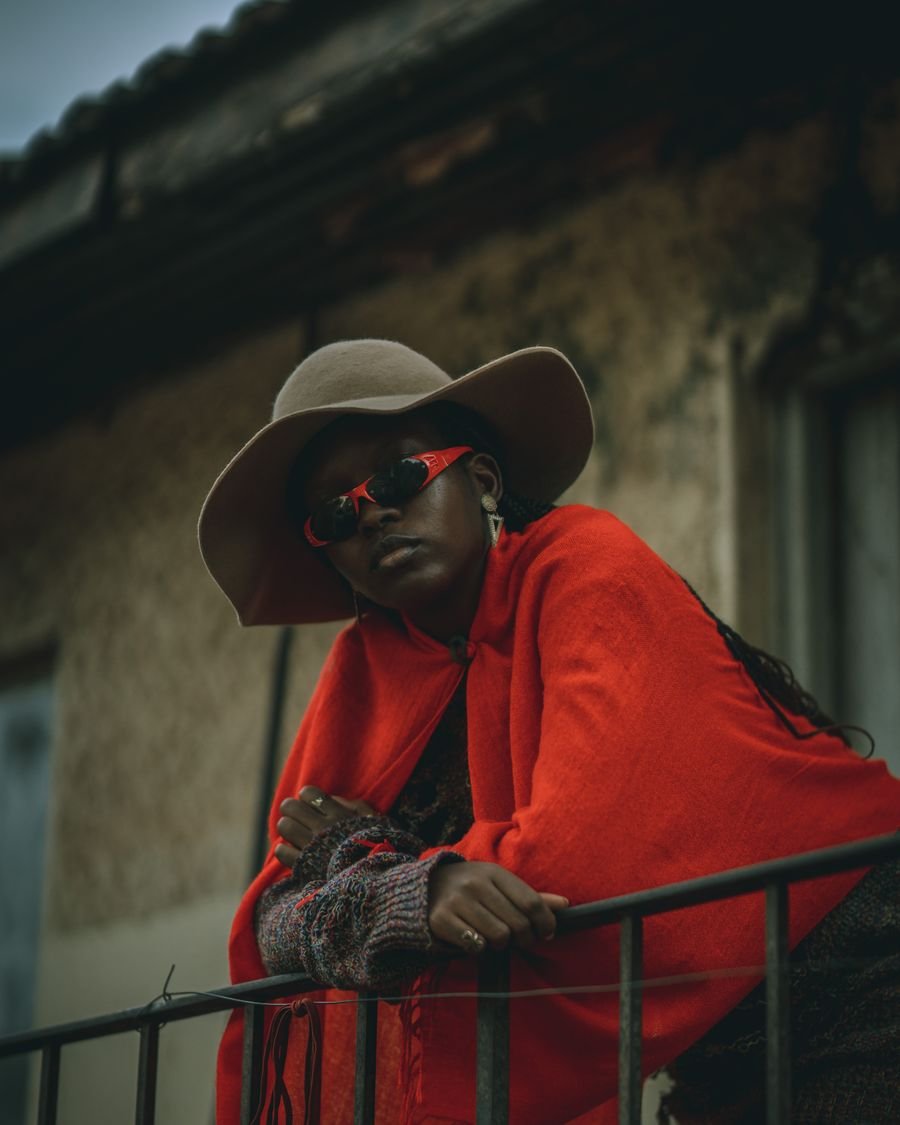
The rule for colour is one bold note per outfit. A red cape with everything else quiet is a statement. A camel cape with a burgundy scarf is a quieter kind of statement. Two bold notes, a red cape and a patterned scarf and bright boots, and the outfit starts shouting. If you love colour, put it in the cape and keep the rest of the outfit in neutrals, and the colour gets all the attention it deserves.
13. Cape Coats and the Poetcore Mood
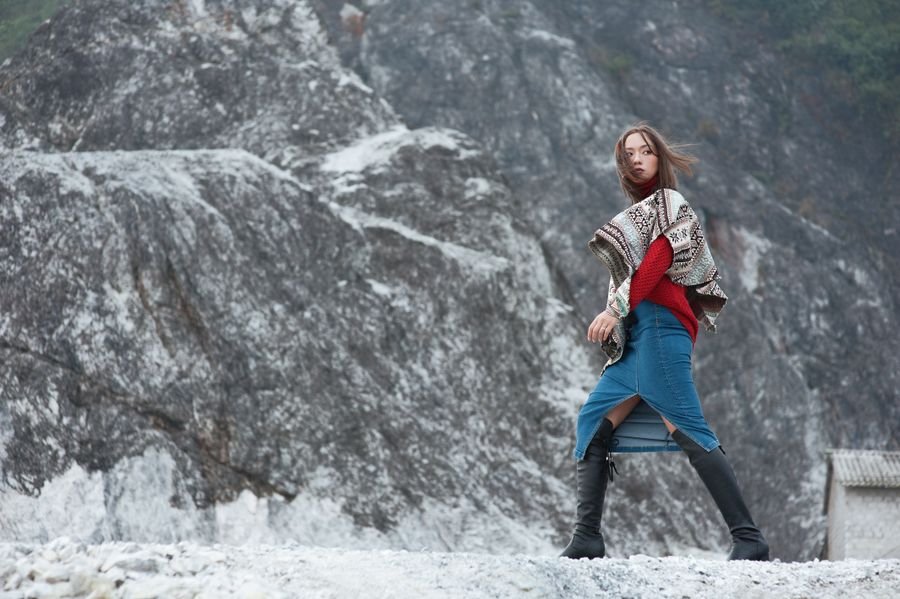
Poetcore is not a costume either, and it is worth saying so plainly, because the word gets used as if it means dressing up. It is a mood: soft fabrics, natural colours, a sense that the person wearing the clothes has somewhere to be and something to read when they get there. The cape fits it because a cape has always been the coat of people who walk and think, and it carries that feeling without any effort on your part.
The details that sell the mood are small ones. A silk scarf at the neck, a pair of leather gloves you actually wear, a book in the bag rather than a phone in the hand. Keep the palette soft, the fabrics natural, wool and cotton and leather rather than anything shiny, and let the outfit look lived in rather than styled. The cape does the poetry; you just have to not get in its way.
14. Hair, Hats and the Cape Silhouette
A cape frames the head, so hair matters more than usual. The silhouette runs from the top of your head to the hem of the cape in one unbroken line, and anything that sticks out at the top changes the whole shape. Low buns, loose waves and a neat low ponytail all work, because they keep the line clean. Big, high hair and a cape together can be too much volume at the top, and the outfit starts to look top-heavy.
Hats follow the same rule. A beret or a close-fitting beanie sits neatly under the line of the cape and keeps you warm without changing the shape. A wide-brimmed hat with a full-length cape is the full period-drama effect, and it is wonderful for a photograph and impractical for a bus. Save the wide brim for the days when the cape is the outfit, and keep the hat small on the days when the cape is just your coat.
15. The Cape at Work: Is It Office-Appropriate?
Yes, with two conditions. The first is structure: choose a cape with a defined shoulder or a tailored cut in a dark neutral, camel, charcoal or navy, and it reads as a coat, because it is a coat. The second is everything underneath: a shirt, tailored trousers or a pencil skirt, and shoes that belong in an office. Nobody questions a coat, and a structured cape is a coat with a more interesting hem.
What does not work at the office is a floor-length cape in a bright colour over a party dress, which reads as an entrance rather than an arrival. Keep the cape at knee length or shorter for work, keep the colour dark, and take it off at your desk like any other coat. The cape gets you to work looking like the most interesting person in the lift, and then it hangs on the hook like everything else, which is exactly as it should be.
16. The Cape on a Cold Walk: Warmth, Wind and All
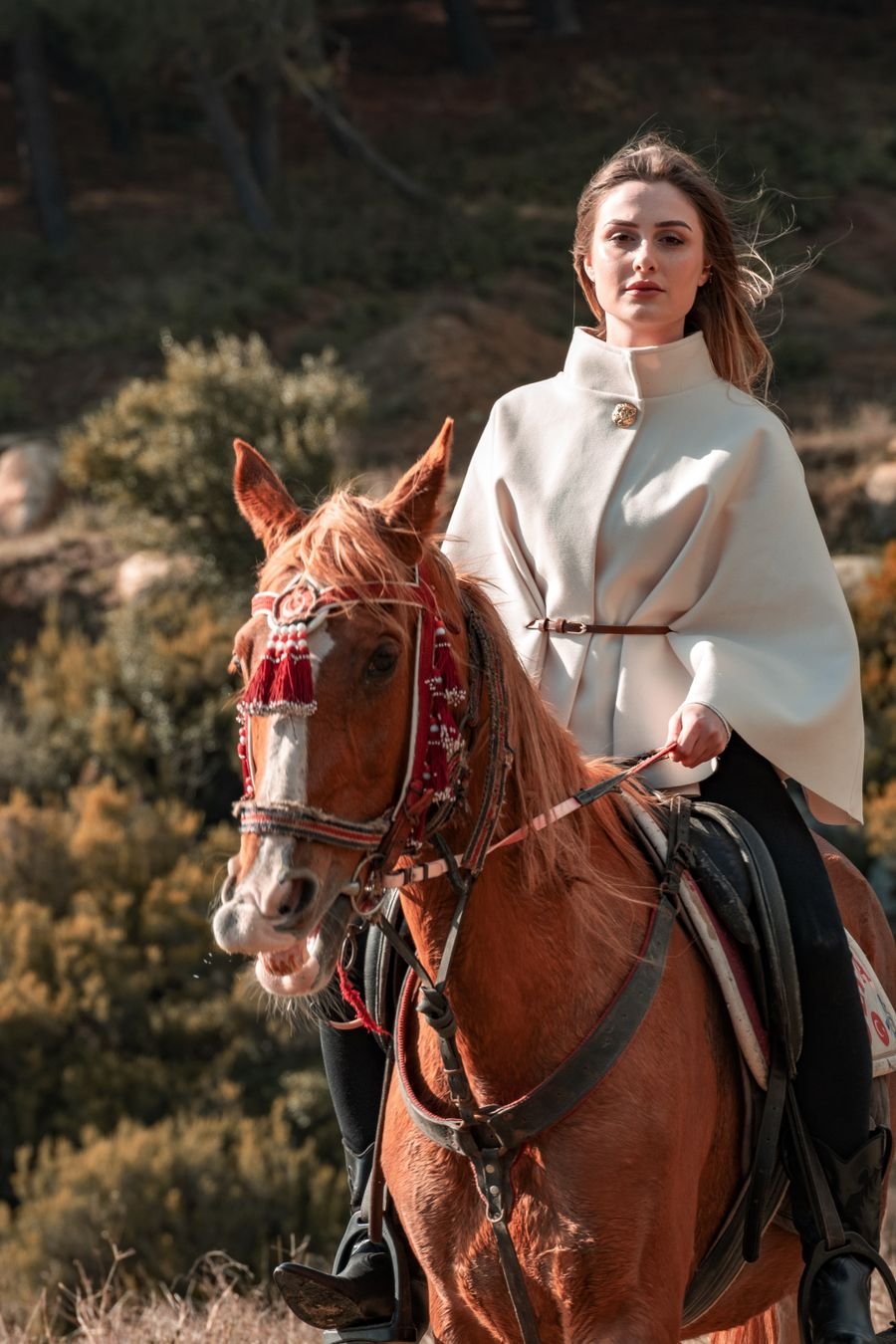
The honest question about a cape is whether it is warm, and the honest answer is that it can be, if you wear it properly. A cape is not a sealed coat: air moves in at the sides, and on a still, cold day that matters less than you think, because the wool and the layers underneath do the warming. The trick is to treat the cape as the outer layer of a system, not as the whole system.
Wind is the real enemy, and it has answers. A cape with a front closure or a hidden snap keeps the wind out of the front; a scarf tucked into the neck closes the gap at the top; a pair of gloves closes the gap at the wrists. On a very windy day, choose a heavier cape and wear it closed, and you will be as warm as anyone in a puffer coat, and considerably better dressed. The cape does not fail in the cold. The layers underneath do.
17. The 12 Poetcore Ways: Your Quick-Look List of Cape Outfits
Here are the twelve poetcore ways in one place, so you can pick the one that matches the day ahead without reading the whole guide again. Each one is a complete outfit, not just a cape thrown over whatever you were wearing, and each one follows the same rules: slim underneath, one bold note, boots that ground the look.
One: a hip-length camel cape over a cream turtleneck, straight-leg jeans and ankle boots. Two: a knee-length charcoal cape over a black knit dress and knee boots. Three: a full-length burgundy cape over a slim black dress for an evening out. Four: a navy cape over a white shirt, tailored trousers and loafers for work. Five: a forest-green cape over a cream knit and a plaid scarf for a cold walk. Six: a red cape over an all-black outfit, with the cape as the only colour. Seven: a camel cape over a burgundy turtleneck and brown knee boots. Eight: a short grey cape over a chunky knit and wide-leg jeans. Nine: a black cape over a slip dress and opaque tights for a winter party. Ten: a cream cape over a camel knit and chocolate trousers. Eleven: a checked cape over a plain black outfit for a day in the city. Twelve: a full-length black cape over a white shirt and black trousers, worn closed like a gown, for the night you want to be remembered.
18. Shopping for a Cape Coat: What to Check Before You Pay
Check the fabric content before you check the price. A cape that is mostly wool will hang properly, keep you warm and last for years; a cape that is mostly polyester will look fine on the hanger and go shiny at the elbows within a season. Look for a lining, because an unlined cape catches on knitwear and lets the wind straight through, and look for a closure, even a single hidden snap, because a cape with no way to close it is a cape you can only wear on still days.
Try it on with the outfit you will actually wear it over, not the thin top you wore to the shops. Put on your thickest knit, your boots and your bag, and walk around in it for a few minutes. Check the pockets, if it has any, because a cape without pockets is a cape that leaves you holding your phone and your keys in your hands all day. And check the length against your boots in a full-length mirror, not a waist-high one, because the hem is the whole point.
19. Caring for a Cape Coat: Keep the Drama Looking New
Wool capes want brushing, not washing. A soft clothes brush after each wear takes off the dust and the surface marks, and a yearly professional clean keeps the shape and the colour. Never machine-wash a wool cape unless the label says you can, because the agitation felts the fibres and the cape comes back smaller, stiffer and sadder than it went in.
Store the cape on a wide, padded hanger so the shoulders keep their shape, and give it room in the wardrobe rather than squeezing it between heavier coats, which crushes the flare. Keep moths away with cedar or lavender, and check the hem and the closure once a season for loose threads. A cape that is looked after lasts for years, and a good one only gets better: the wool softens, the colour deepens, and the drama stays exactly where it was on the first day.
20. Save This Cape Coat Guide on Pinterest

Love this guide? Save this guide on Pinterest so your cape coat outfit is ready before the next cold morning.

Want a caption for your own pin? Try the site’s free Pinterest caption generator — it writes Pinterest captions and pin titles for your outfit photos in seconds, so your saved looks get found.
All photographs in this article are free-licensed images from Pexels, served in a compressed, web-optimised format.