Classic Red and Green
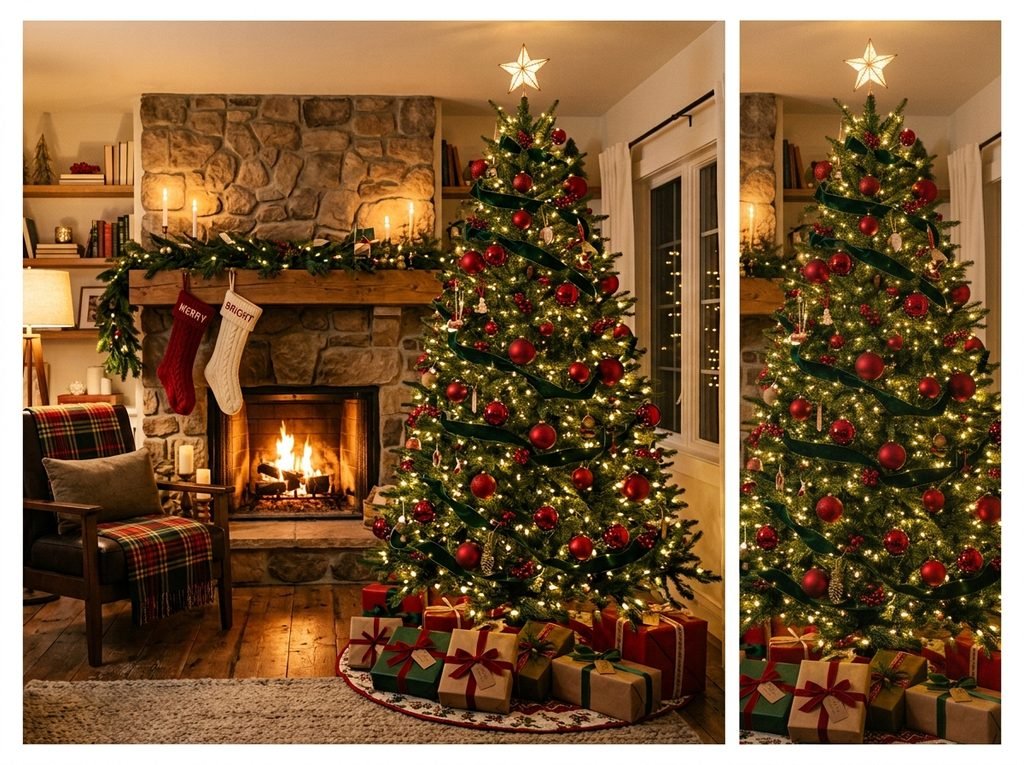
The classic red and green color combination earned its place in Christmas history for a reason. Deep red ornaments against natural green branches, tied together with plaid or velvet ribbon and warm white fairy lights, create a tree that looks like every idealized holiday memory at once.
The key to making this feel fresh rather than predictable is layering texture. Velvet ribbon, matte ornaments, glossy balls, and clusters of fresh holly or pinecones tucked between branches give the classic palette a richness that a single color layer never achieves on its own.
All White Wonderland
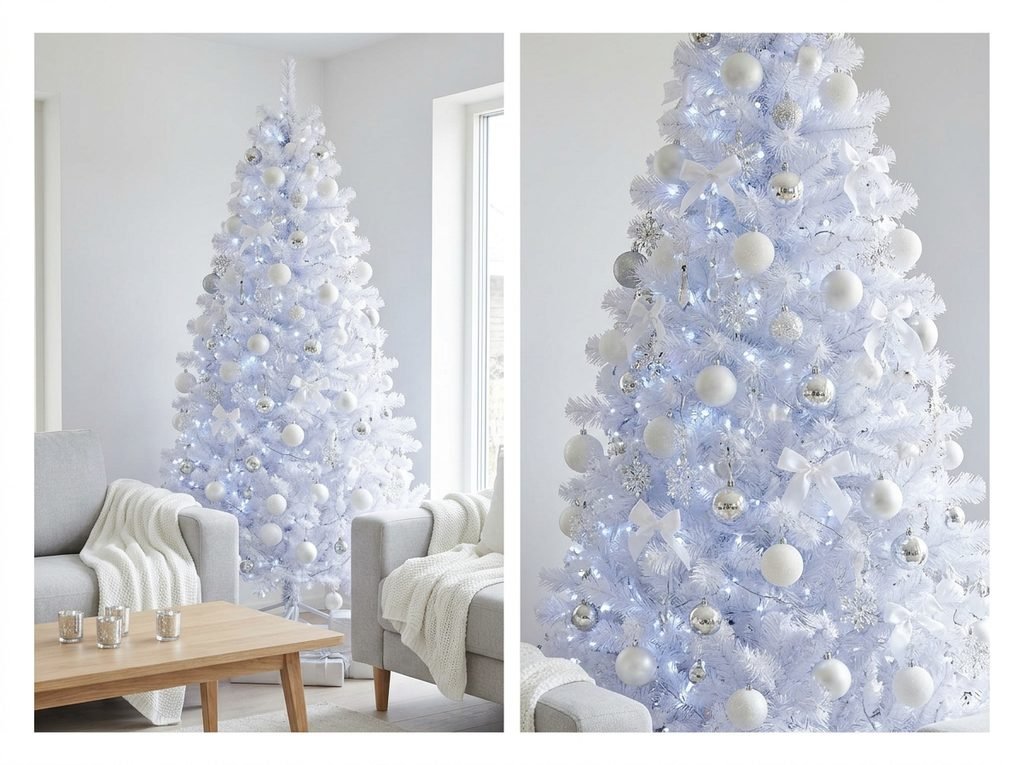
A white and silver Christmas tree creates an almost winter-landscape quality indoors, the kind of calm, icy elegance that feels genuinely special rather than simply seasonal. White feathers, crystal snowflake drops, and pearl ornaments all work beautifully within this palette.
The magic of this approach is that it layers beautifully with existing home decor since white ornaments never fight with surrounding furniture or wall colors. It also photographs exceptionally well since the contrast between white ornaments and dark backgrounds creates a naturally high-impact image.
Gold and Cream Luxury Tree
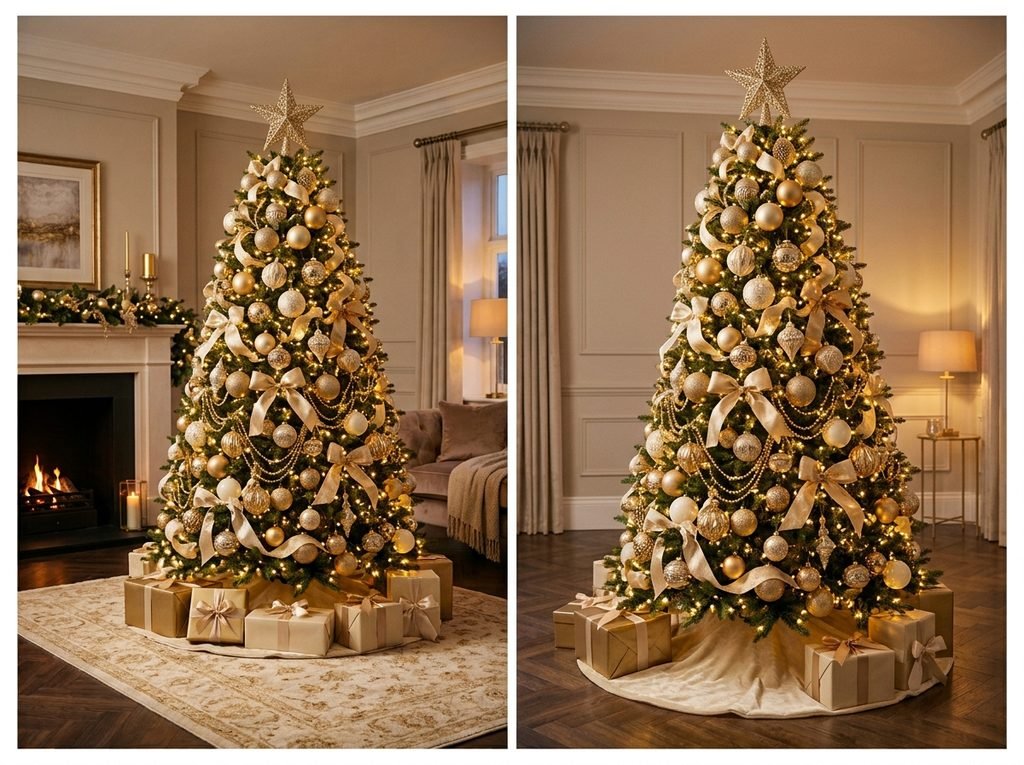
Gold and cream together create a warmth on a Christmas tree that other metallic combinations rarely achieve. The varying finishes within the same warm palette, matte cream balls beside shiny gold spheres and brushed gold glass, give the tree real visual depth without introducing any competing color.
A cascading gold bead garland draped loosely between branches adds movement and connects the ornaments into one cohesive story rather than a collection of individual pieces. This style suits formal dining rooms or open living spaces where the tree becomes a genuine design statement.
Moody Black and Gold
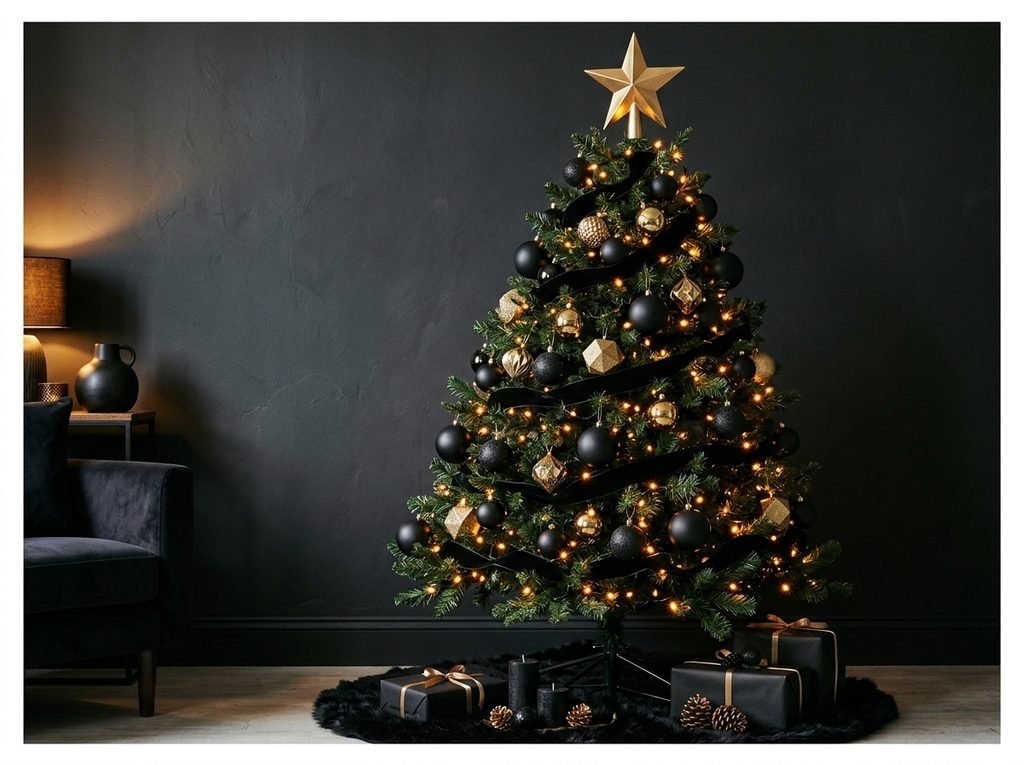
A black and gold Christmas tree is genuinely one of the most striking modern holiday choices because it operates completely outside the expected red and green palette while still reading as unmistakably festive. Matte black ornaments absorb the light while gold accents catch every bit of it.
This works especially well in contemporary or industrial interiors where the darkness of the ornaments complements existing dark furniture, black hardware, or deep accent walls. Warm amber fairy lights rather than cool white add exactly the right glow without fighting the moody color story.
Blush Pink Dreamy Tree

Pink Christmas trees have evolved far beyond novelty into genuine interior design statements. A pale or white artificial tree decorated with blush ornaments, dusty rose velvet ribbon, and clusters of pearl or champagne accents creates something that feels romantic and deliberately curated.
This style suits bedrooms, nurseries, or feminine living spaces where a softer holiday aesthetic feels more personal than traditional red and green. It also transitions naturally through January since the blush palette never feels specifically Christmas-coded the way bolder colors do.
Rustic Farmhouse Tree
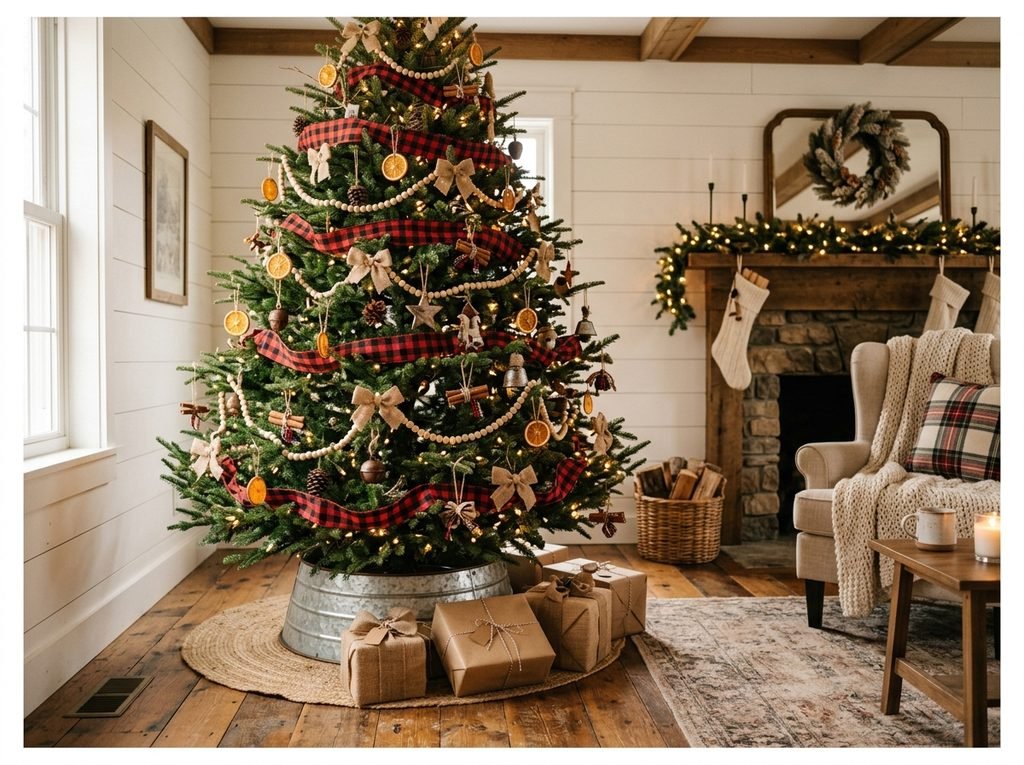
Farmhouse Christmas trees bring the warmth of natural materials into holiday decorating, celebrating texture and handmade quality over polished perfection. Buffalo plaid ribbon, wooden bead garlands, and dried citrus slices strung on twine all carry the same casual, grounded energy.
The lovely thing about this approach is that most of the ornaments can be genuinely made rather than purchased. Dried orange slices take an afternoon in a low oven, cinnamon sticks bundle easily, and a string of wooden beads from any craft store completes the palette without significant expense.
Budget-friendly and genuinely soulful.
Woodland Creature Theme
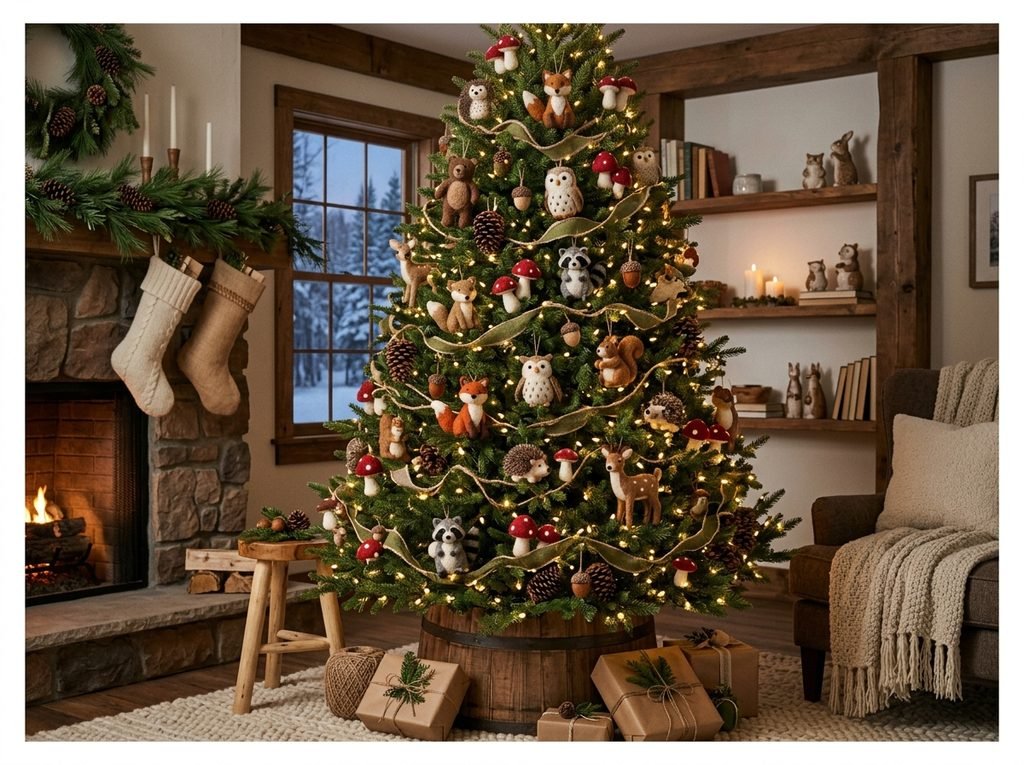
A woodland-themed Christmas tree builds a tiny enchanted forest between the branches, using animal ornaments like foxes, owls, and deer alongside felt mushrooms, acorn clusters, and pinecone garlands. The result feels genuinely storybook rather than generic holiday.
This theme translates well into homes with young children since the creature ornaments become a kind of narrative for the tree, a whole little world to discover when sitting beside it on Christmas morning. Moss ribbon and earthy green velvet accents ground everything naturally.
Ribbon Cascade Tree

Ribbon trees use multiple ribbon varieties layered between branches rather than traditional ornaments to create a lush, textile-based look that photographs like a professional decorator handled it. The secret is using wired ribbon so each piece holds its shape without drooping.
Three or four ribbon varieties in complementary widths and patterns create more visual interest than a single type used throughout. Velvet for softness, plaid for seasonal structure, and a thin metallic ribbon threaded loosely between them tie everything together without any single ribbon overwhelming the others.
Monochrome Blue Tree
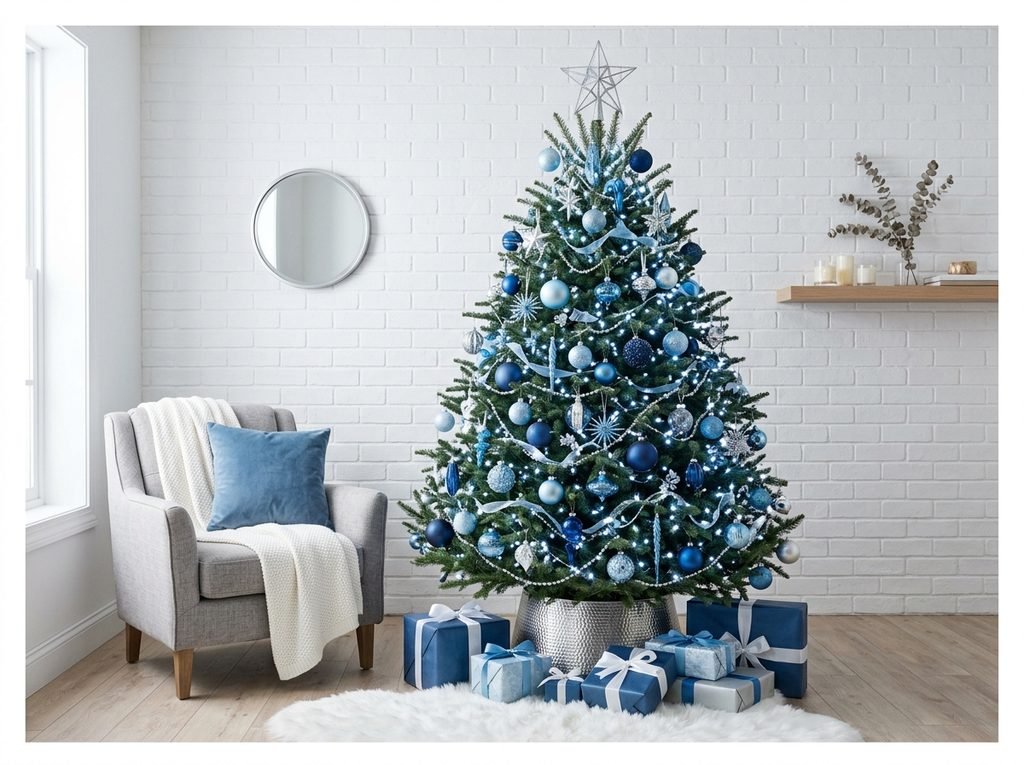
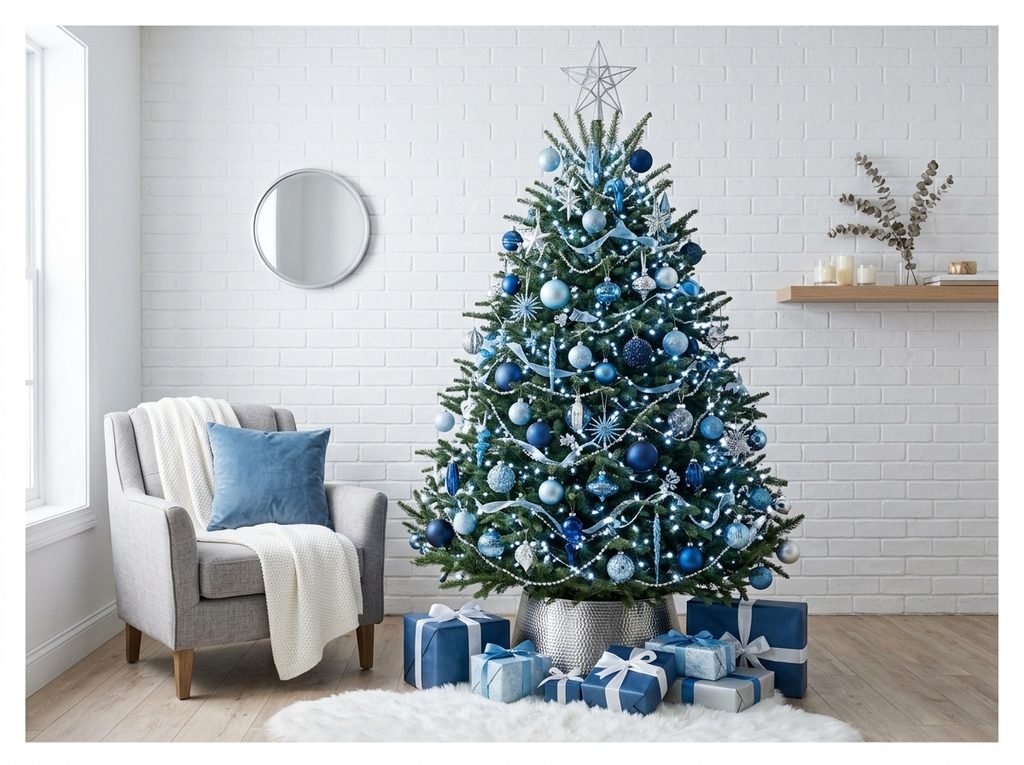
A completely blue Christmas tree feels like winter itself translated into decoration. Ranging across the full spectrum from pale powder blue to deep midnight navy, with silver accents threaded between, the monochrome effect creates something genuinely cohesive and striking.
This style suits modern and Scandinavian interior aesthetics particularly well since the cool palette complements natural wood, white walls, and minimal furniture without competing for visual dominance. Cool white fairy lights complete the icy quality rather than warming it.
Dried Natural Botanicals Tree

Dried botanical ornaments create a tree that looks like it belongs in an artisan florist’s shop window rather than a big box store display. Pampas grass clusters, dried flower bundles, eucalyptus stems, and preserved seedpods all have enough visual texture to carry decorative weight without ornament hangers.
This approach genuinely costs less than a full ornament collection since most dried botanicals come from garden spaces, craft stores, or specialty flower markets at relatively low cost. The end result photographs particularly well in warm, golden light where the dried textures create beautiful shadows.
Vintage Nostalgic Mix

A vintage Christmas tree celebrates the imperfection of old ornaments, the faded colors of antique glass, the delicacy of paper garlands, the shimmer of traditional tinsel strands. Nothing needs to coordinate perfectly and that is exactly the point.
Thrift stores and estate sales are the best sources for vintage glass ornaments since most families sell inherited holiday decor without understanding its genuine charm. A collection of pieces gathered over years rather than bought in one coordinated set carries an emotional authenticity no store-designed theme can replicate.
Modern Minimalist Tree
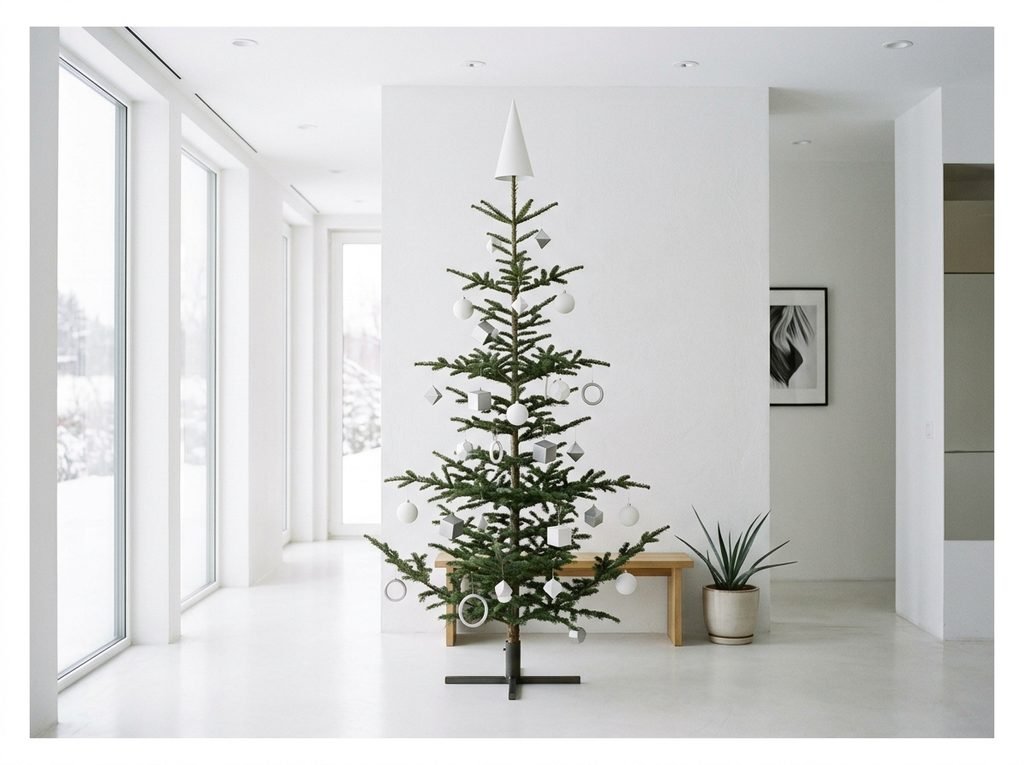
Minimalist Christmas trees prove that restraint is its own kind of statement. A slim or pencil tree decorated with a small number of carefully chosen geometric ornaments, a few matte white spheres, some brushed silver cones, and nothing else creates an almost sculptural quality.
This style makes sense in contemporary homes where a densely decorated traditional tree would feel out of place against clean architectural interiors. The key is choosing ornaments with real material quality since fewer pieces means each one carries more scrutiny.
Perfect for small spaces.
Candy-Colored Fun Tree
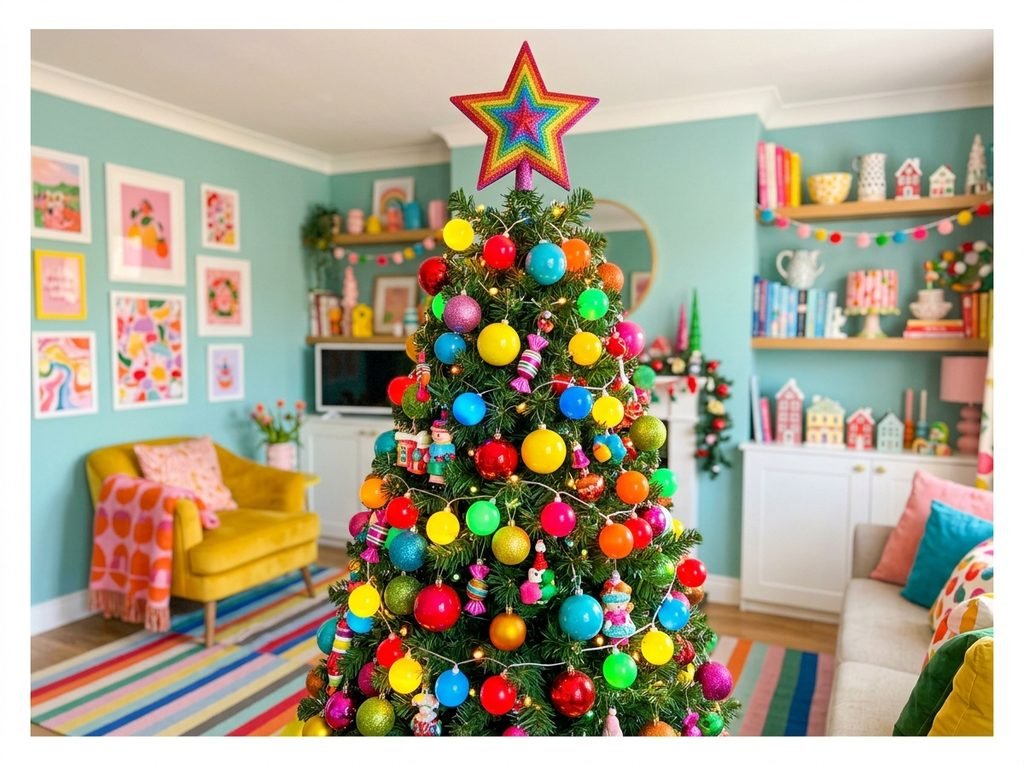
A candy-colored Christmas tree throws the entire rulebook about coordinated palettes directly out the window and is genuinely better for it. Maximum color variety across every ornament, bright multicolored lights, and a playful oversize topper creates something that feels specifically joyful rather than merely decorative.
This is a genuinely great choice for families with young children since the bright colors make the tree feel like it belongs to everyone rather than being something precious to admire from a distance. Mix plastic and glass ornaments freely since durability matters more here than consistency.
Copper and Terracotta Bohemian Tree
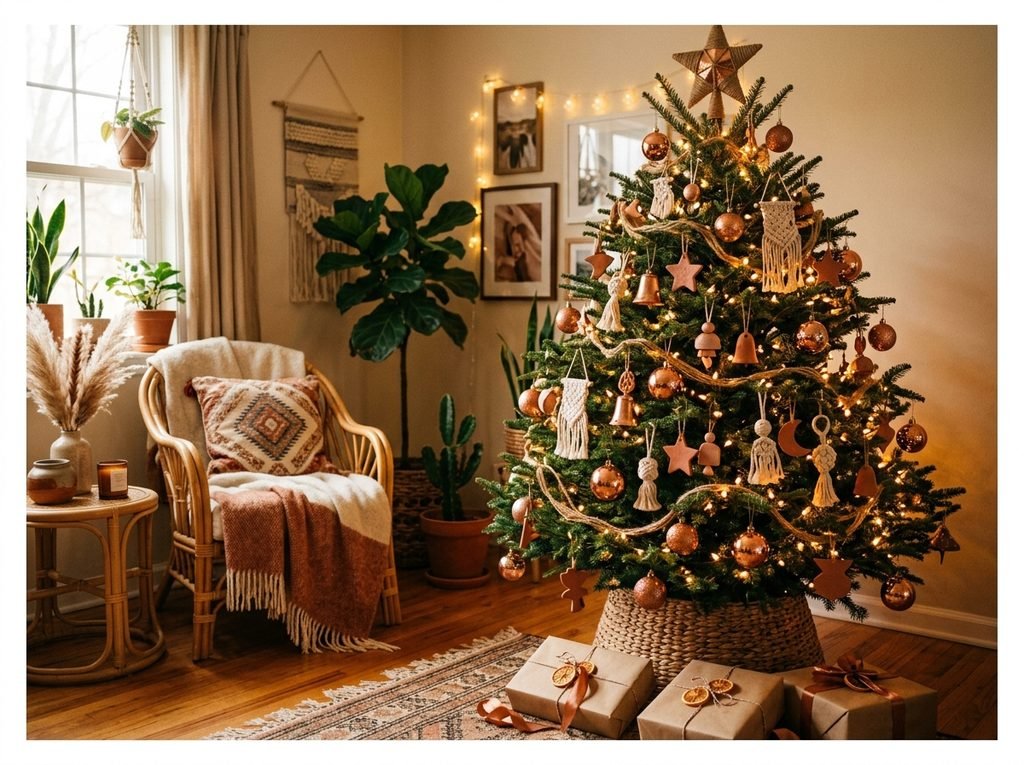
Copper and terracotta together create a warmth on a Christmas tree that reads as genuinely unusual and genuinely beautiful at the same time. Handmade clay ornaments in warm earth tones alongside copper metallic balls and macramé accents builds a boho holiday look unlike anything in most department stores.
Small terracotta clay ornaments can be shaped and dried easily at home using air-dry clay, making this one of the more satisfying DIY tree projects available. Press simple patterns into the clay before drying and run a small hook through the top while still pliable.
Jewel Tone Christmas Tree
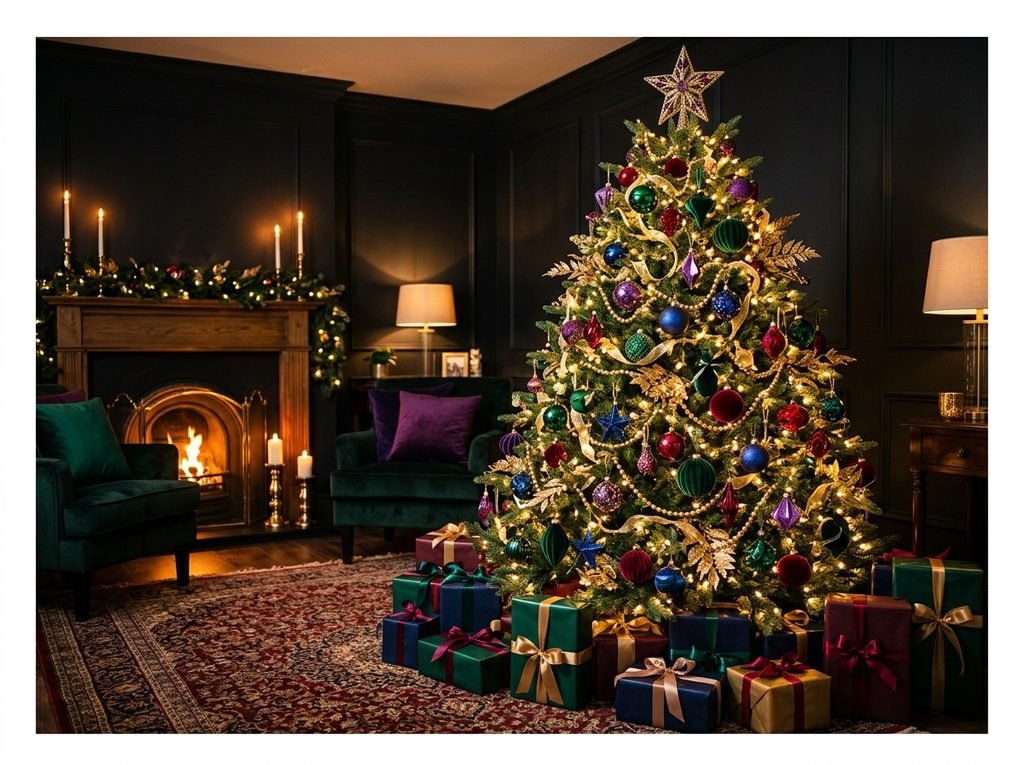
Jewel-toned Christmas trees feel genuinely opulent because the colors carry so much inherent depth and richness. Emerald, sapphire, amethyst, and ruby ornaments grouped in clusters rather than scattered randomly create areas of concentrated color that read as deliberate rather than chaotic.
Gold garland threaded between the jewel clusters acts as a visual separator that allows each color grouping to remain distinct. The result looks like a richly decorated Victorian parlor tree, full of personality and warmth without defaulting to the standard holiday palette.
DIY Craft Ornament Tree
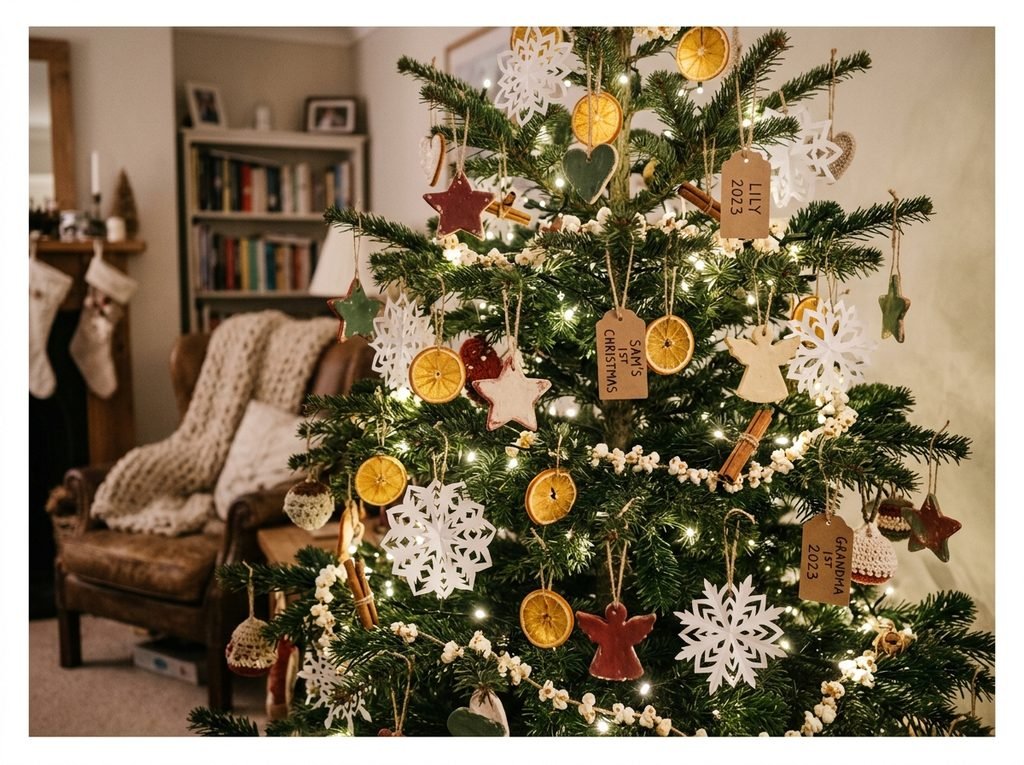
A fully DIY ornament tree is the most personal Christmas tree you can build because every piece carries a story. Salt dough ornaments painted by children, paper snowflakes cut by older kids, dried orange slices made together, and old photos transferred onto ornament discs all contribute to something genuinely irreplaceable.
The decorating process becomes as meaningful as the finished tree since making ornaments together over several evenings creates holiday memories that outlast the season itself. Start a new ornament tradition each year and the collection grows naturally over time.
Frosted Flocked Tree
A flocked tree with snow-tipped branches creates the impression of a tree freshly dusted by an overnight snowfall, still perfectly white before any footprints disturb it. The texture of the flock changes how light falls on the branches, creating shadows and depth throughout the day.
Silver and crystal ornaments enhance rather than compete with the frosted branches since they share the same cool, wintry quality. Warm white lights rather than cool white add a gentle counter-warmth that prevents the overall effect from reading as cold rather than magical.
Tabletop Mini Tree
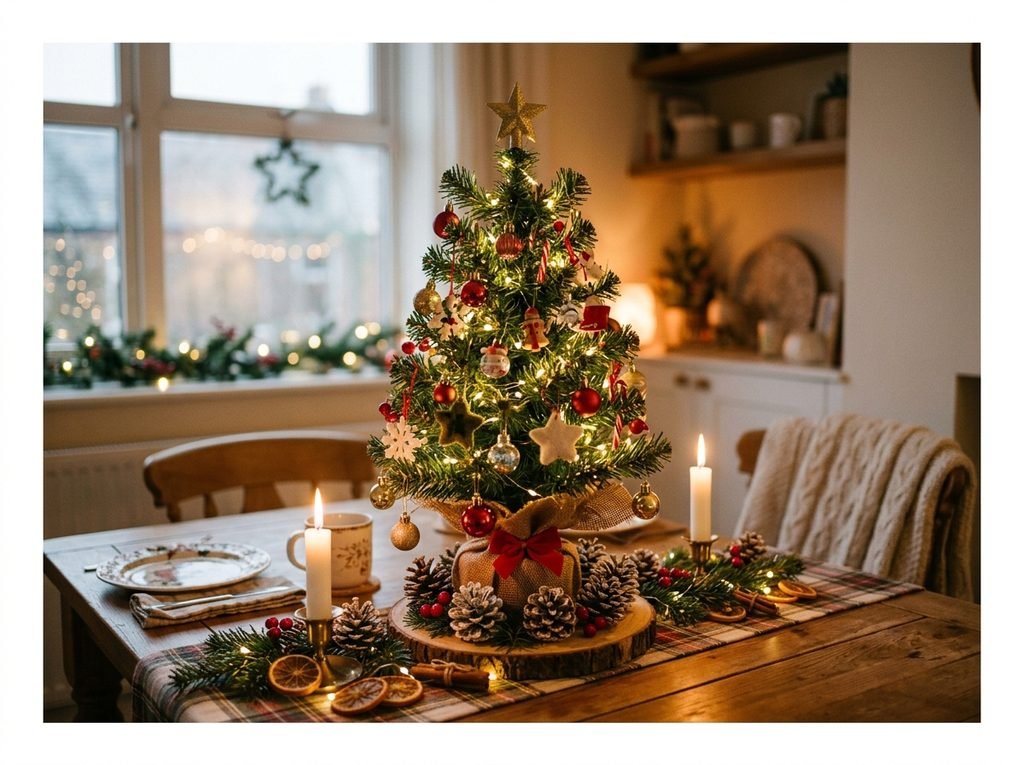
A tabletop Christmas tree brings the full holiday experience into an apartment, studio, or small room without requiring floor space. Even a two-foot tree decorated thoughtfully with tiny ornaments, a small star topper, and miniature lights creates genuine seasonal atmosphere on a sideboard, bookshelf, or dining table.
This format also allows for multiple themed trees throughout the home since the individual cost of a small tree is significantly lower than a full-size version. A bedroom tree, a kitchen tree, and an entryway tree create a cohesive holiday environment across the whole home.
Perfect for small spaces.
Washi Tape Wall Tree
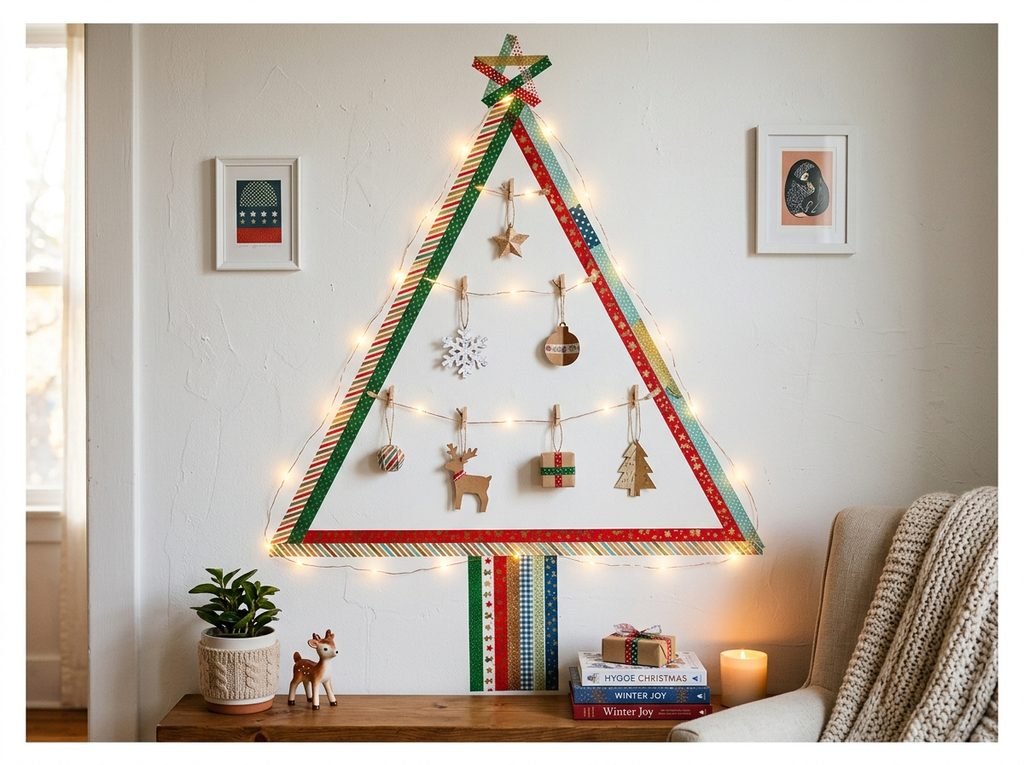
A washi tape Christmas tree drawn directly onto the wall requires zero floor space, zero storage after the holidays, and zero budget beyond the tape itself. The outline creates the tree shape while small paper ornaments, handmade or purchased, hang from thumbtacks within the taped form.
This is genuinely one of the most creative solutions for renters or apartment dwellers who want the festive visual impact of a Christmas tree without the physical footprint. The tape peels cleanly from painted walls without leaving any residue behind.
Book Page Ornament Tree
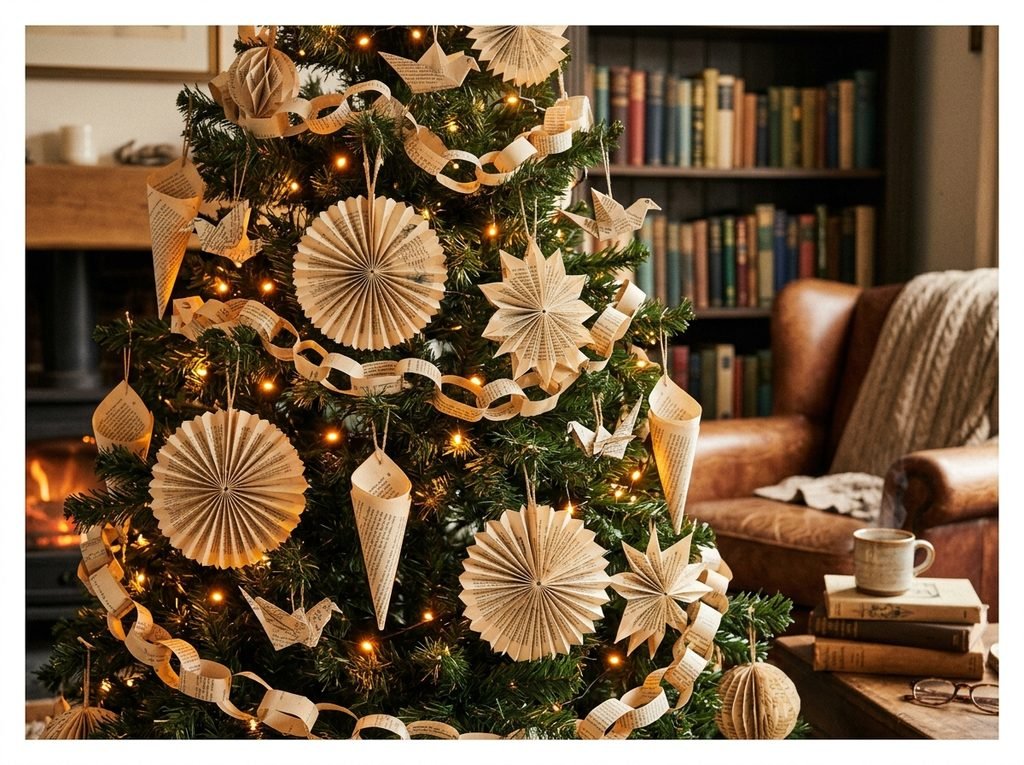
A tree decorated entirely with book-page ornaments created by folding old paperback pages into stars, cones, fans, and spirals carries a wonderfully literary, cozy quality. The cream and sepia tones of aged paper create a naturally warm color palette without any additional decoration choices required.
This DIY approach works beautifully on both full-size and tabletop trees since the paper ornaments weigh almost nothing and can be made in quantity quickly. Old paperback books found for pennies at thrift stores provide the source material without damaging anything meaningful.
Oversized Bow Statement Tree
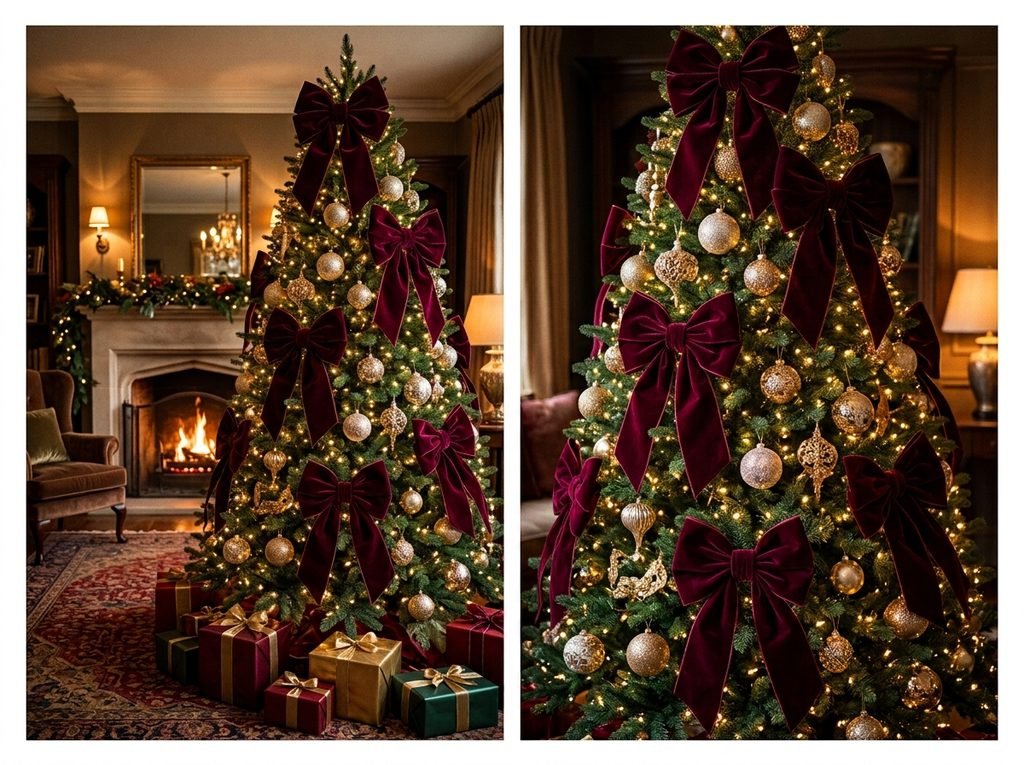
Oversized velvet bows placed throughout the tree rather than just at the top transform the proportions of a Christmas tree entirely. Each large bow becomes a focal point that draws the eye to a specific branch cluster, creating a sense of movement and lushness that ornaments alone rarely achieve.
Wired ribbon is essential since unwired bows collapse under their own weight within hours. A bow placed every four to six branches from top to bottom, alternating sides, creates an even distribution that looks designer-styled rather than randomly placed. Deep burgundy, forest green, or navy velvet all work beautifully.
Conclusion
The most memorable Christmas trees are rarely the most expensive ones. They are the ones that feel like they belong to the specific family inside the specific home where they stand, whether that means a vintage collection of inherited ornaments or a carefully curated modern theme built from scratch.
Take one idea from this guide that genuinely excited you, not the one that looked best on Pinterest but the one you kept thinking about as you scrolled past it. That is your tree this year. Start there, add to it in your own direction, and let the result be something that genuinely belongs to you.

Hazel Susan
Hazel Susan is a fashion writer and author at Nova Fashion, specializing in outfit ideas, seasonal trends, beauty inspiration, and everyday style tips. She enjoys helping readers discover practical fashion advice, timeless wardrobe ideas, and the latest fashion trends through easy-to-follow guides. Her goal is to make fashion simple, stylish, and inspiring for everyone.